
 Save 15% on your 1st Autoship learn more

 Email us
 Live Chat
 FAQs
FAQs





Introduction
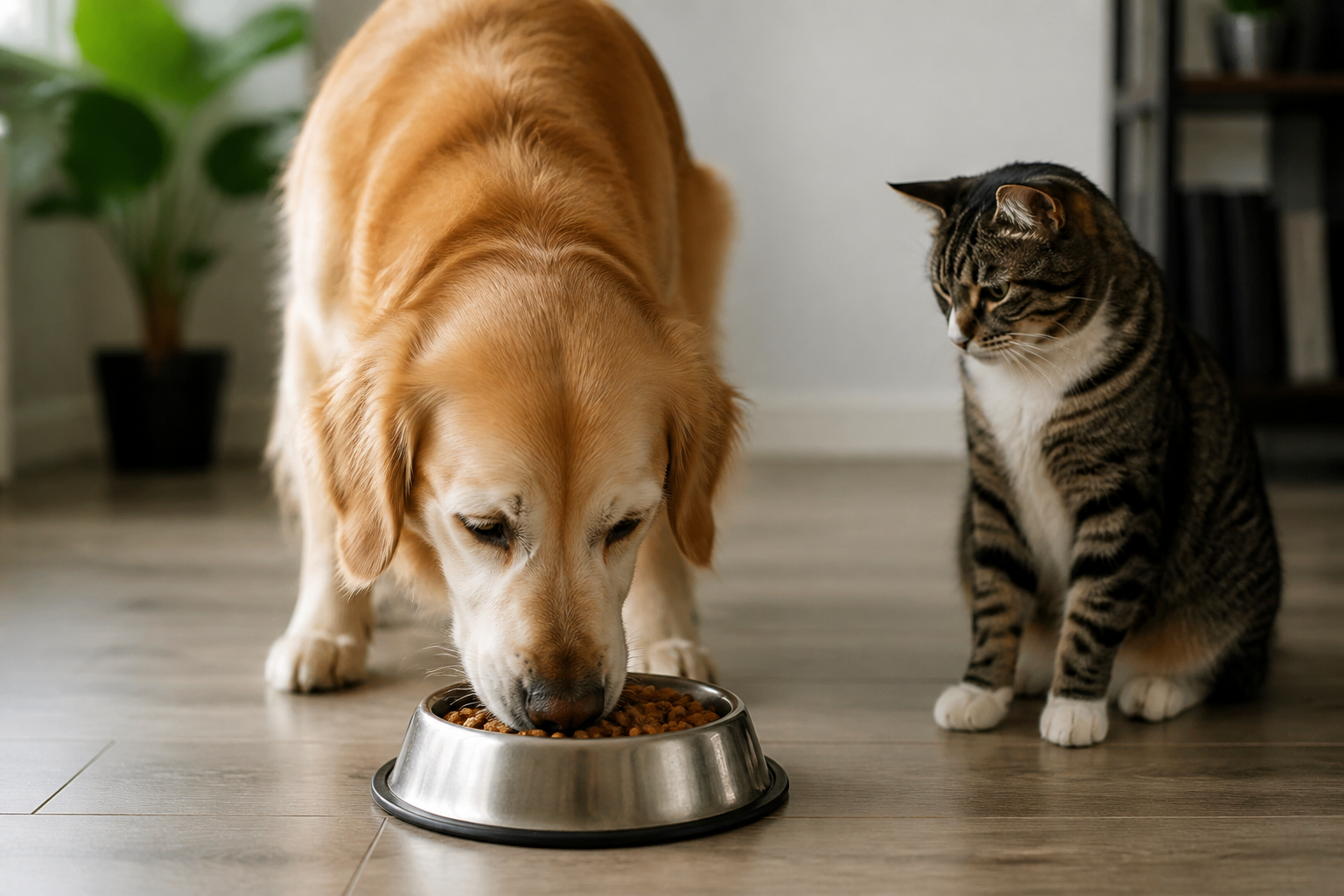
You turn your back for a moment to refill your coffee and hear the distinct sound of crunching. You look over to see your dog happily raiding the cat's bowl. Most multi-pet households have dealt with this scenario at least once. Dogs often find the rich scent and high fat content of cat kibble impossible to resist. While a single stolen mouthful usually is not a cause for panic, you might wonder if this habit could lead to long term health problems. At BaxterBoo, we understand the challenge of managing a household with different species and distinct dietary needs. This guide explains why cat food is not a suitable meal for your dog and what risks come with frequent bowl hopping. While a snack might seem harmless, your dog requires a specific balance of nutrients that cat food simply cannot provide.
Quick Answer: While dry cat food is not toxic to dogs, it is not a healthy long term diet. Cat food contains significantly higher levels of protein and fat which can lead to weight gain, digestive upset, or serious conditions like pancreatitis.
Why Dogs Find Dry Cat Food So Appealing
It is no secret that most dogs would choose cat kibble over their own food if given the choice. This preference usually comes down to the way cat food is formulated. Because cats are obligate carnivores, their food is packed with animal proteins and fats. These ingredients create a very strong and enticing aroma for a dog. To a canine, a bowl of cat food smells like a concentrated treat.
The texture of dry cat food is also different from most dog kibble. The pieces are usually smaller and have a higher caloric density. This means a small amount of food packs a lot of flavor and energy. If your dog is a picky eater, they may gravitate toward the cat's bowl because it tastes richer than their balanced dog food. However, this high palatability is exactly what makes it a risk for their health.
The Biological Differences Between Dogs and Cats
To understand why the two foods are not interchangeable, we have to look at biology. Dogs are scavenging omnivores. Their ancestors evolved to eat a wide variety of foods including animal protein, fruits, and vegetables. Their bodies are efficient at processing carbohydrates and turning them into energy.
Cats are obligate carnivores. Their bodies are biologically designed to get their nutrition almost exclusively from animal tissue. They have a higher requirement for certain amino acids and vitamins that dogs can often produce on their own or find in plant sources. When a dog eats cat food, they are getting a nutritional profile designed for a completely different metabolic system.
Nutrient Minimums Comparison
The Association of American Feed Control Officials (AAFCO) sets different standards for each species. These minimums ensure that each pet gets what they need to survive and thrive.
| Nutrient | Adult Dog Minimum | Adult Cat Minimum |
|---|---|---|
| Crude Protein | 18% | 26% |
| Crude Fat | 5.5% | 9% |
| Taurine | Not required | 0.1% (Dry food) |
| Vitamin A | 5,000 IU/kg | 3,332 IU/kg |
| Calcium | 0.5% | 0.6% |
Key Nutritional Imbalances for Dogs
When a dog eats cat food regularly, they receive too much of some nutrients and potentially not enough of others. The high protein content is the most obvious difference. While dogs need protein, a diet that is excessively high in it can be hard on a dog's kidneys over a long period. This is especially true for senior dogs or those with underlying health issues.
Fat content is another major concern. Most adult dog foods have a fat content around 10 to 15 percent. Cat foods often start at 15 percent and go much higher. This extra fat is calorie dense. If your dog eats cat food as a regular part of their diet, weight gain is almost inevitable. Obesity in dogs leads to joint stress, heart issues, and a shorter lifespan.
Key Takeaway: Dogs and cats have different metabolic needs. Feeding a dog food designed for a carnivore ignores the dog's need for a balanced, omnivorous diet.
Short Term Risks: Digestive Upset
If your dog has a sensitive stomach, even a few nuggets of cat food can cause trouble. The richness of the food can trigger immediate gastrointestinal distress. You might notice your dog acting lethargic or losing their appetite for their next meal.
Common symptoms of short term upset include:
- Loose stools or diarrhea
- Vomiting shortly after eating
- Excessive gas and bloating
- Abdominal discomfort
If your dog steals a large amount of cat food, it is a good idea to monitor them closely for 24 to 48 hours. Most mild cases of upset will resolve on their own once the food passes through their system. However, if the vomiting is persistent, you should contact a professional.
Vet Tip: If your dog eats a significant amount of cat food, consider skipping their next scheduled meal. This gives their digestive system time to process the high fat load and can prevent more severe vomiting or diarrhea.
Long Term Risks: Pancreatitis
The most serious risk of a dog eating cat food is pancreatitis. The pancreas is an organ that helps digest food and regulate blood sugar. When a dog eats a meal that is extremely high in fat, the pancreas can become inflamed. This condition is very painful and can be life threatening.
Some dogs are more prone to pancreatitis than others. Small breeds like Miniature Schnauzers are genetically predisposed to it. For these dogs, even a small amount of cat food can be enough to trigger an episode. Symptoms of pancreatitis include a hunched back, severe abdominal pain, repeated vomiting, and fever. This is a medical emergency that requires immediate veterinary care.
Key Takeaway: The high fat levels in cat food are a direct trigger for pancreatitis in many dogs. It is never worth the risk of "treating" your dog with the cat's dinner.
Impact on Weight and Metabolism
Obesity is a growing problem for pets in the United States. Because cat food is so calorie dense, a dog can consume a day's worth of calories in just a few minutes at the cat bowl. This often happens in addition to their own meals. Over time, these extra calories turn into excess body fat.
Excess weight puts a massive strain on a dog's skeletal system. If you have a breed prone to hip dysplasia or luxating patellas, those extra pounds can lead to early mobility issues. Maintaining a healthy weight is one of the best ways to ensure your dog lives a long and active life. We see many owners struggle with weight management, and often, "hidden" calories from the cat bowl are the culprit. If weight is becoming a concern, our dog healthcare category is a useful next step.
How to Manage a Multi-Pet Household
Preventing your dog from eating cat food requires a plan. Most dogs will not stop on their own because the reward of the tasty food is too high. You need to change the environment to make the cat food inaccessible. There are several practical ways to do this without causing stress to your cat.
Elevated Feeding
Cats are natural climbers and generally feel safe eating in high places. Placing your cat's bowl on a sturdy counter, a dedicated cat tree, or a high shelf can solve the problem instantly. Most dogs cannot reach these heights. Just make sure your cat is comfortable jumping to the location and that it remains consistent.
Physical Barriers
Baby gates are a classic solution. Many gates come with a small "cat door" built into the bottom. This allows the cat to pass through to a laundry room or kitchen while keeping the dog out. If your dog is small enough to fit through the cat door, this might not work. In that case, a standard gate that the cat can jump over but the dog cannot is a better choice.
Scheduled Mealtimes
Free feeding, or leaving food out all day, is the hardest way to manage a multi-pet home. If you switch both pets to scheduled mealtimes, you can supervise the bowls. Once the cat is finished, pick up the bowl and put it away. This also helps you monitor exactly how much each pet is eating, which is vital for spotting early signs of illness.
High Tech Feeders
There are now microchip activated feeders available. These bowls stay covered by a lid and only open when the specific pet with the programmed microchip approaches. This is a great investment for households where one pet needs a prescription diet or where the dog is a persistent thief.
Step-by-Step: Transitioning to Better Habits
Step 1: Identify the problem areas. / Note where your dog is getting access to the cat food and how often it happens.
Step 2: Choose a barrier method. / Install a gate or move the cat's bowl to an elevated surface where the dog cannot reach it.
Step 3: Establish a routine. / Start feeding both pets at the same time in separate areas of the house to reduce competition.
Step 4: Monitor for success. / Watch your dog’s weight and energy levels over the next month to ensure they are sticking to their own diet.
Choosing the Right Dog Food
Sometimes a dog wanders to the cat's bowl because they are bored with their own food or because their current diet is not satisfying. High quality dog food should be rich in flavor and provide enough fiber to keep them feeling full. We carry a wide range of brands at BaxterBoo that focus on high quality ingredients and great taste.
Look for foods that list a specific animal protein as the first ingredient. Brands like our selection of NutriSource products and our selection of Orijen products offer recipes that are very palatable for dogs who seem to prefer the "meaty" taste of cat food. If your dog is particularly food motivated, a diet with a bit more fiber can help them feel satisfied so they are less likely to go hunting for the cat's kibble.
When Your Pet Needs Special Nutrition
In some cases, your veterinarian might recommend a specific diet for your dog. This is common if they have already developed a sensitivity to fat or have experienced pancreatitis. Prescription diets are formulated to address these specific medical needs while still being tasty.
Our pet pharmacy at BaxterBoo offers a variety of prescription pet foods and medications through our partnership with Pet's Choice. If your vet has prescribed a low fat or high fiber diet to manage a condition caused by dietary indiscretion, you can find those options through our pharmacy services. Having access to these specialized foods can make a huge difference in managing your dog's long term health.
Vet Tip: Always consult your veterinarian before making a major change to your dog's diet, especially if they have a history of stomach issues. A slow transition over 7 to 10 days is the best way to avoid further digestive upset.
The Role of Supplements and Health Support
If your dog has a habit of eating cat food, they might need extra support for their digestive system or joints. Probiotics can help balance the gut flora after a bout of diarrhea or vomiting. For dogs who have gained weight from stealing cat food, joint supplements containing glucosamine and chondroitin can help support their limbs while they work on getting back to a healthy weight.
Brands like Zesty Paws and our selection of Cosequin products offer excellent options for daily wellness. While these supplements do not replace a proper diet, they can be a helpful part of a total health plan. Our goal is to provide you with the tools you need to keep your pets healthy from the inside out.
Using Toys for Distraction
Mental stimulation can also play a role in stopping food theft. Often, dogs raid the cat's bowl simply because they are bored. Using interactive toys can keep your dog occupied while the cat eats.
Consider these options:
- Stuffable rubber toys from Kong filled with dog safe treats
- Lick mats with a small amount of peanut butter
- Puzzle feeders that make the dog work for their own kibble
- Snuffle mats that encourage natural foraging behavior
By giving your dog a "job" during the cat's mealtime, you can redirect their focus away from the forbidden bowl. This builds better habits and provides the mental exercise many dogs crave. For more enrichment ideas, our dog toys category is worth a look.
Signs You Should Call the Veterinarian
While many cases of a dog eating cat food end with nothing more than a smelly backyard cleanup, some situations require professional help. You know your dog best. If their behavior changes significantly after a food heist, do not hesitate to seek advice.
You should call your vet if you notice:
- Vomiting that lasts more than 12 hours
- Bloody or black, tarry stools
- Extreme lethargy or inability to stand
- A distended, painful abdomen
- Refusal to drink water or signs of dehydration
If your dog has a known history of kidney or liver issues, even a small amount of cat food warrants a quick call to the clinic. It is always better to be cautious when it comes to metabolic health.
Managing the Multi-Pet Lifestyle
Living with both dogs and cats is a rewarding experience, but it does require a bit more coordination at mealtime. By understanding the nutritional needs of both species, you can prevent the health issues that come with a mismatched diet. Remember that your dog's nutritional requirements are unique and should be met with high quality dog food designed for their life stage and size.
We are here to help you navigate these everyday pet care challenges. Whether you need a baby gate to create a dog free zone or a specific brand of highly palatable dog food, we have the selection to support your home. Our team at BaxterBoo is committed to providing the products and knowledge you need for a happy, multi-pet household. To make mealtimes easier, our dog treats category can also help you redirect your pup with a better reward.
Bottom line: Cat food is a tempting but dangerous snack for dogs. Consistent prevention and a high quality dog diet are the keys to avoiding long term health complications.
Conclusion
While an occasional stolen bite of dry cat food likely will not cause an emergency, it is not a habit you should encourage. The high levels of protein and fat are simply not balanced for a dog's omnivorous needs. Over time, this habit can lead to obesity, kidney strain, and the very serious risk of pancreatitis. By using physical barriers, elevated feeding stations, and interactive toys, you can keep your dog focused on their own bowl.
If your dog has developed a sensitive stomach or weight issues from their love of cat food, consider exploring our pharmacy for prescription options. You can also look into our Autoship programme to ensure your dog's favorite healthy food always arrives on time, reducing the temptation to steal from the cat. Keeping your pets in their own lanes at mealtime is one of the simplest ways to ensure they both stay healthy for years to come. For everyday savings, the MVP Rewards programme can also help support your routine purchases.
FAQ
Can a dog die from eating dry cat food?
It is very unlikely for a dog to die from a single instance of eating cat food. However, it can trigger a severe and life threatening case of pancreatitis in some dogs. Long term consumption also leads to obesity and organ strain, which can significantly shorten a dog's lifespan.
Is it okay to use cat food as a dog treat?
It is generally better to avoid using cat food as a treat. While the small size is convenient for training, the high fat and protein content can still cause stomach upset. There are many tiny, low calorie dog treats available that are much safer and designed specifically for canine digestion.
Why does my dog like cat food more than dog food?
Cat food is designed to be highly palatable for obligate carnivores, so it has a much stronger meat scent and higher fat content than dog food. To a dog, it tastes like a very rich, concentrated version of their own food. This makes it a very high value "reward" in their eyes.
What should I do if my dog ate a whole bag of cat food?
If your dog gorged on a large amount of cat food, you should monitor them very closely for signs of distress. They will likely experience significant bloating and gas. It is often wise to call your vet immediately for advice, as a large binge puts a massive strain on the pancreas and can lead to severe illness.






