
 Save 15% on your 1st Autoship learn more

 Email us
 Live Chat
 FAQs
FAQs





Introduction
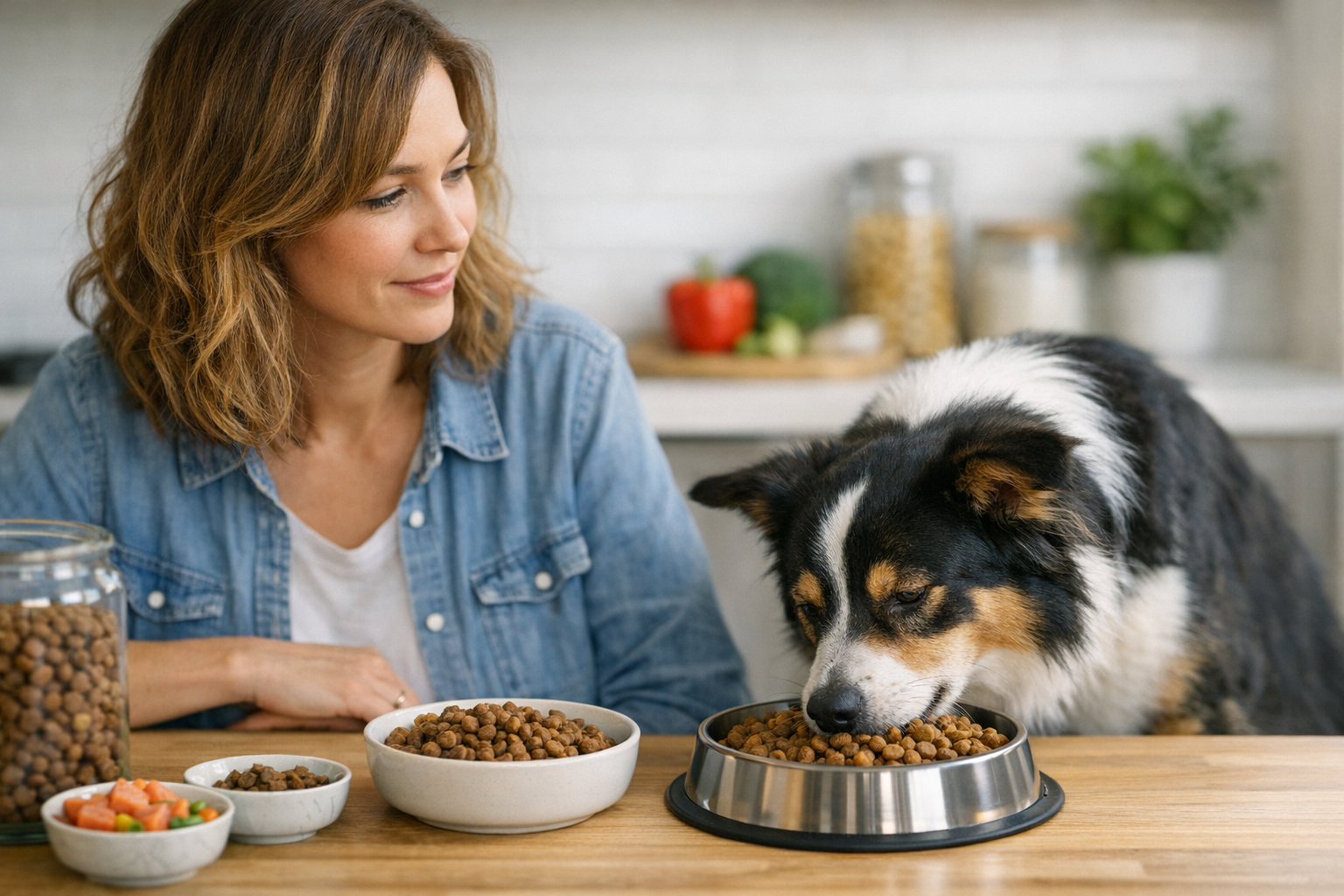
You stand in the kitchen with a scoop in your hand, looking at the bowl of brown nuggets. Your dog sits patiently, wagging their tail, but you wonder if this simple meal is enough. It is a common question for many owners who worry that a diet of only dry kibble might be boring or nutritionally lacking. You want to provide the best for your pet without making mealtime overly complicated or expensive.
At BaxterBoo, we have helped thousands of owners navigate the complex world of pet nutrition since 2006. We understand that choosing the right food is one of the most important decisions you make for your dog. This article explores the nutritional reality of dry food, the benefits of kibble, and when your dog might need something more. We will help you decide if a dry-only diet is the right path for your specific pet.
Quick Answer: Most dogs can live long, healthy lives eating only high-quality dry food. As long as the food is labeled as complete and balanced for their specific life stage, it provides all the essential nutrients they need.
The Science of Complete and Balanced Nutrition
The most important factor in any dog food is the nutritional profile. Most commercial dry foods are formulated to be complete and balanced. This means they contain every vitamin, mineral, and fatty acid a dog needs in the correct proportions. Manufacturers follow guidelines set by organizations like AAFCO to ensure no nutrients are missing.
Dry food is made through a process called extrusion. Ingredients are mixed into a dough, cooked under pressure, and pushed through small holes to create kibble shapes. After drying, the pieces are often sprayed with fats and vitamins to improve taste and nutritional value. This process makes the food shelf-stable and easy to serve.
When you look at a bag from brands like our selection of NutriSource products, you see a breakdown of proteins, fats, and fiber. These brands use high-quality animal proteins as the primary ingredient. For a healthy adult dog, these formulas provide plenty of energy for daily walks and play.
Why Many Owners Choose a Dry Diet
Dry food is the most popular choice for several practical reasons. It is generally more affordable than wet or fresh food, especially for large-breed owners. Feeding a 70-pound dog only canned food can quickly become a massive monthly expense. Kibble allows you to provide high-quality nutrition while staying within a reasonable budget.
Convenience is another major factor. You can leave dry food out for a few hours if your dog is a slow eater. It does not spoil as quickly as wet food once it hits the bowl. This makes it a great choice for busy families or dogs that prefer to graze throughout the day.
Storage is also much easier with dry food. A large bag can sit in a sealed container in the pantry for weeks. You do not need to worry about refrigerating half-open cans or dealing with the strong smell that canned food often brings into the kitchen.
Key Takeaway: High-quality kibble provides a convenient, cost-effective, and shelf-stable way to ensure your dog receives 100 percent of their daily required nutrients.
The Dental Health Advantage
One of the most cited benefits of dry food is its impact on dental health. The crunchy texture of kibble creates a mechanical scraping action against the teeth. As the dog chews, this friction can help remove a small amount of plaque before it hardens into tartar.
While kibble is not a replacement for regular teeth brushing, it is better for the mouth than soft food alone. Soft, wet food can easily stick to the gum line and between teeth, providing a breeding ground for bacteria. If you choose an all-dry diet, you are giving your dog a small daily boost in oral hygiene.
For dogs with significant dental concerns, our dog pharmacy offers specialized products through our partnership with Pet's Choice. You can find prescription dental diets and oral rinses that go beyond what standard kibble can achieve.
When Dry Food Alone Might Not Be Enough
While most dogs thrive on kibble, certain situations require a different approach. Every dog is an individual with unique health needs. Factors like age, activity level, and underlying medical conditions can change what constitutes a perfect diet.
Senior Dogs and Dental Issues
As dogs age, they may develop dental disease or lose teeth. For these seniors, crunching down on hard kibble can be painful. You might notice a senior dog dropping pieces of food or hesitating before they eat. In these cases, switching to a softer diet or soaking the kibble in warm water is necessary.
Senior pets also sometimes experience a decline in their sense of smell. Since dogs experience food primarily through scent, kibble may become unappealing. Wet food has a much stronger aroma and can entice an older dog with a fading appetite to keep eating.
Hydration and Urinary Health
The biggest difference between dry and wet food is moisture content. Dry food usually contains about 10 percent moisture, while wet food is closer to 75 or 80 percent. Dogs are generally good at drinking enough water to compensate for a dry diet, but some individuals are lazy drinkers.
If your dog has a history of urinary tract infections or kidney issues, hydration is critical. In these cases, a veterinarian might recommend a prescription wet food from the BaxterBoo pharmacy. These specialized formulas are designed to support kidney function and increase water intake, which helps flush the urinary system.
Weight Management Needs
Some dogs seem to have a bottomless pit for a stomach. Because dry food is calorie-dense, a small volume of food contains a lot of energy. This can lead to weight gain if the owner is not careful with measuring.
Wet food has fewer calories per ounce because of the high water content. This allows you to feed a larger volume of food, which can help a hungry dog feel full while consuming fewer calories overall. For pets struggling with obesity, a mix of wet and dry food can be a helpful strategy.
Vet Tip: If your dog is struggling to maintain a healthy weight or shows signs of urinary distress, consult your veterinarian. They may recommend a specific prescription diet available through our pharmacy to manage these chronic conditions.
The Benefits of Mixing Wet and Dry Food
Many owners find that a "best of both worlds" approach works perfectly. By mixing a small amount of wet food or a topper into the kibble, you provide a variety of textures and scents. This can make mealtime more exciting for your dog without the high cost of a 100 percent wet diet.
Adding a topper like our selection of Orijen products or a scoop of our selection of Open Farm products can provide a boost of fresh proteins and healthy fats. It also increases the moisture content of the meal, which supports healthy digestion and kidney function.
Step 1: Choose a high-quality dry kibble as the base of the meal.
Step 2: Select a wet food or topper that complements the protein source in the dry food.
Step 3: Reduce the amount of dry food slightly to account for the calories in the topper.
Step 4: Mix thoroughly to ensure the dog does not just pick out the wet pieces.
How to Choose a Quality Dry Food
Not all dry foods are created equal. To ensure your dog can thrive on a dry-only diet, you must choose a brand that prioritizes real ingredients over fillers. The first few ingredients on the label should always be named animal proteins like chicken, beef, or lamb.
Avoid foods that list generic "meat meal" or have corn and wheat as the primary ingredients. While grains are not inherently bad for most dogs, they should not be the main source of nutrition. Look for brands like Orijen or Open Farm that focus on transparent sourcing and high protein levels.
Understanding the Label
Reading a dog food label can be confusing. Look for the Guaranteed Analysis section. This tells you the minimum percentage of protein and fat in the food. Most active adult dogs do well with a protein level between 22 and 30 percent.
You should also look for a statement that says the food is formulated to meet AAFCO nutrient profiles. This is your assurance that the food is legally considered a complete meal. If a bag says "for supplemental feeding only," it cannot be the only thing your dog eats.
Transitioning Your Dog to a New Food
If you decide to move from a wet diet to a dry diet, or switch kibble brands, you must do it slowly. A sudden change in food is the fastest way to cause an upset stomach, diarrhea, or vomiting. Your dog’s digestive system needs time to adjust to new ingredients and different fiber levels.
A standard transition should take about seven to ten days. Start by mixing 25 percent of the new food with 75 percent of the old food. Every two days, increase the proportion of the new food.
- Days 1-2: 25% new food, 75% old food.
- Days 3-4: 50% new food, 50% old food.
- Days 5-6: 75% new food, 25% old food.
- Day 7+: 100% new food.
During this time, watch your dog’s stool consistency and energy levels. If you notice any issues, slow down the transition and give their stomach more time to adapt.
Everyday Care and Feeding Habits
Feeding dry food is about more than just the ingredients in the bag. How you store and serve the food matters for your dog's health. Always keep the kibble in its original bag, then place that bag inside an airtight container. The bags are designed to keep the food fresh, and the container provides an extra layer of protection against pests and oxidation.
Check the expiration date on the bag before you buy it. Even though dry food is shelf-stable, the fats can eventually go rancid. Rancid fats lose their nutritional value and can cause digestive upset.
Finally, make sure your dog always has access to fresh, clean water. This is especially important for dogs on an all-dry diet. Since they are not getting moisture from their food, they must make up for it at the water bowl. We recommend placing multiple water bowls around the house to encourage frequent drinking.
Managing Health Conditions with Nutrition
Sometimes, a standard dry food from the store is not enough for a dog with a medical condition. This is where specialized nutrition comes into play. If your dog has severe allergies, heart disease, or chronic kidney issues, their dietary needs become much more specific.
Our BaxterBoo pharmacy carries FDA-approved prescription diets from brands like Royal Canin and Farmina Vet Life. These foods are formulated to treat specific health problems under the guidance of a veterinarian. Through our partnership with Pet's Choice, we make it easy to get these essential medications and foods delivered to your door.
If you notice your dog has chronic itchy skin, frequent ear infections, or digestive trouble, it might be a food sensitivity. A veterinarian can help you determine if a prescription hypoallergenic dry food is the right solution. These diets use hydrolyzed proteins that the immune system does not recognize as a threat.
Bottom line: While standard kibble is great for healthy dogs, those with chronic medical conditions may require specialized dry or wet diets available through our pharmacy.
Summary of the Dry Food Debate
Choosing whether to feed only dry food depends on your dog's health, your lifestyle, and your budget. For the vast majority of pets, a high-quality dry food provides everything they need to live a vibrant life. It supports their teeth, keeps their energy up, and makes life easy for you.
However, you should always remain observant. If your dog stops drinking water, develops dental pain, or loses interest in their meals, it is time to reassess. Adding a little moisture or switching to a specialized diet can make a world of difference.
- Dry food is nutritionally complete and budget-friendly.
- Kibble supports dental health through mechanical scraping.
- Wet food is better for hydration and picky eaters.
- Prescription diets are available for dogs with specific medical needs.
We invite you to explore our dog food category and health supplies. Whether you choose a high-protein kibble or need to visit our pharmacy for dogs for a prescription diet, we are here to support your journey as a pet owner. Consider signing up for our Autoship programme to save on your favorite brands and ensure you never run out of the food your dog loves.
FAQ
Can a dog live a long life on just dry food?
Yes, millions of dogs live healthy, full lives eating only dry kibble. As long as the food is high quality and meets AAFCO standards for a complete and balanced diet, it provides all the necessary nutrients. Many dogs live well into their senior years on a dry-only diet without any nutritional deficiencies.
Is it better to soak dry dog food in water?
Soaking kibble in water or low-sodium broth can be very beneficial for some dogs. It increases hydration, makes the food easier to chew for seniors with dental pain, and can enhance the aroma for picky eaters. However, if you soak the food, you lose the dental scraping benefits of the hard texture.
Why does my dog suddenly refuse to eat their dry food?
A sudden refusal to eat can be caused by several factors, including dental pain, boredom with the flavor, or the food going rancid. It can also be a sign of an underlying medical issue, so if the behavior persists for more than a day or two, you should consult your veterinarian. Sometimes adding a small topper or wet food can help entice them back to the bowl.
Is wet food more nutritious than dry food?
Neither is inherently more nutritious than the other. The quality of a food depends on the ingredients used, not the moisture content. A high-quality dry food is much better than a low-quality wet food filled with artificial colors and thickeners. Both formats can be excellent sources of nutrition as long as you choose a reputable brand.






