
 Save 15% on your 1st Autoship learn more

 Email us
 Live Chat
 FAQs
FAQs





Introduction
Finding out your dog needs dental extractions or seeing a senior pup lose their last few teeth is a stressful moment for any owner. You might worry that mealtime will never be the same or that your dog will miss the crunch of their favorite kibble. At BaxterBoo, we hear these concerns daily from pet parents who want to ensure their companions stay well nourished despite dental changes.
The good news is that dogs are remarkably adaptable. While it might seem impossible to eat hard nuggets without a full set of teeth, many dogs continue to thrive on their preferred diets. This post covers the safety of feeding dry food to toothless dogs, the best ways to prepare meals, and when you should consider switching to softer alternatives. Your dog can still enjoy a high quality of life and a full belly even without their pearly whites.
Quick Answer: Yes, dogs without teeth can eat dry food, but they do not chew it in the traditional sense. They usually swallow the kibble whole or need it softened with warm water or broth to prevent choking and aid digestion.
How Dogs Eat Without Teeth
It helps to understand that dogs do not use their teeth the same way humans do. Humans have flat molars designed for grinding plants and grains into a paste before swallowing. Dogs have a shearing dentition. Their teeth are built for grabbing, tearing, and breaking food into smaller chunks that can be swallowed.
Because dogs naturally gulp their food, the transition to being toothless is often easier for them than for us. If the kibble is small enough, many dogs will simply continue to swallow it whole. However, this does come with some risks. Swallowing large, hard pieces of dry food without any breakdown can lead to digestive upset or choking. This is especially true for small breeds like Chihuahuas or Yorkies who have tiny throats.
Many dogs actually feel much better after losing diseased teeth. Rotting teeth and infected gums cause chronic pain. Once those painful teeth are gone, your dog might actually show a renewed interest in eating. They are no longer avoiding the bowl because of the ache in their jaw.
Preparing Dry Food for a Toothless Dog
If your dog is insistent on sticking with their current dry food, you can make it much safer for them to consume. The goal is to reduce the amount of work their gums have to do. Softening the food is the most common and effective method. You can explore our dog food selection for formulas that may be easier to soften.
Step 1: Measure out your dog's standard portion of dry kibble into a clean bowl.
Step 2: Add warm water, low sodium chicken broth, or beef broth to the bowl.
Step 3: Let the food sit for 15 to 20 minutes until the kibble has absorbed the liquid and become spongy.
Step 4: Use a fork or a potato masher to break down any remaining hard centers.
Using warm liquid is better than cold liquid. The heat helps release the fats and aromas in the food. This makes it more enticing for a dog that might be feeling hesitant about their new mouth feel.
Key Takeaway: Softening kibble with warm liquid allows your dog to keep their favorite flavors while eliminating the risk of swallowing hard, sharp pieces that could irritate their gums or throat.
When to Make the Switch to Wet Food
While you can soften dry food, there are times when switching to a canned or wet diet is the better choice. Canned food is naturally soft and high in moisture. Brands like Royal Canin, Wellness, and Blue Buffalo offer textures ranging from smooth pates to stews with small, tender chunks. You can compare options in our wet and adult dog food collection.
Wet food is often more calorie dense and carries a stronger scent. For a senior dog who might be losing some of their sense of smell, the strong aroma of canned food can be a big help. It also provides extra hydration. This is a major benefit for older dogs who may have underlying kidney issues.
If you choose to switch, do it slowly. Mix a small amount of the new wet food with their softened kibble over a week. This prevents the stomach upset that often comes with sudden diet changes. We carry a wide variety of these options at BaxterBoo to help make this transition easier for your pet.
Exploring Dehydrated and Freeze Dried Options
Another excellent middle ground for dogs without teeth is dehydrated or freeze dried food. Brands like The Honest Kitchen and Stella and Chewy's offer meals that look like dry food or patties but are designed to be rehydrated. Our selection of The Honest Kitchen products includes dehydrated foods, wet foods, toppers, and treats.
When you add water to these foods, they turn into a soft, oatmeal-like consistency or a tender mash. They provide the high quality nutrition of a raw or minimally processed diet without the hardness of traditional kibble.
- Dehydrated food: Usually requires a longer soak time but results in a very soft texture.
- Freeze-dried patties: Can be crumbled easily into a powder and mixed with water for a custom consistency.
- Air-dried food: This is often softer than kibble but may still be too chewy for some toothless dogs unless soaked.
Managing Health and Nutrition After Tooth Loss
Tooth loss is often a symptom of underlying periodontal disease. If your dog has lost teeth due to decay or had them removed by a vet, their nutritional needs may change. They might need a diet that supports gum health or manages other conditions like diabetes or heart disease that can be linked to oral bacteria.
Our warehouse and online store provide access to a wide range of specialized diets. Through our partnership with Pet's Choice, the BaxterBoo pet healthcare collection also offers products for dogs with specific health requirements. These diets are often formulated to be highly digestible, which is vital for a dog that is no longer mechanically breaking down their food with teeth.
Vet Tip: Always consult your veterinarian after your dog loses teeth or undergoes extractions. They can check for lingering infections and recommend a specific calorie count to ensure your dog does not lose weight during the transition to a softer diet.
Treats and Enrichment for Toothless Dogs
Just because your dog is missing teeth doesn't mean they have to miss out on treats or mental stimulation. You simply need to change the type of rewards you offer. Hard biscuits and rawhide chews are no longer safe options. They can bruise or cut the sensitive gum tissue. For softer reward options, browse our dog treats collection.
Consider these alternatives for your toothless pup:
- Soft Baked Treats: Many brands offer "soft and chewy" versions of their popular recipes.
- Lick Mats: Spread peanut butter, plain yogurt, or wet food over a silicone lick mat. This provides long-lasting enrichment without any chewing required.
- Fruit and Veggies: Steamed carrots, canned pumpkin, or fresh blueberries are soft and healthy.
- Freeze-Dried Liver: These treats usually dissolve quickly in the mouth and are very high in flavor.
Avoid anything that is hard enough that you cannot indent it with your thumbnail. If a treat is too hard for your nail to leave a mark, it is too hard for a toothless dog's gums.
The Importance of Continued Oral Care
It is a common misconception that once the teeth are gone, oral care stops. This is not true. Bacteria can still thrive on the gums and the tongue. This can lead to bad breath and even systemic infections if the bacteria enter the bloodstream through the gum line.
You should still gently wipe your dog's gums with a soft, damp cloth or a finger brush. There are also oral rinses and gels designed for dogs that can help keep the bacterial load down. You can find additional oral-care supplies in our dog healthcare category.
- Wipe the gums at least three times a week.
- Check for redness, swelling, or bleeding during your cleaning.
- Watch for "root stubs" if the teeth fell out on their own rather than being surgically removed.
If you notice your dog pawing at their mouth or drooling excessively, it may indicate a problem with the remaining gum tissue. A quick check-up with your vet is the best way to ensure their mouth stays pain-free.
Maintaining a Routine
Dogs find comfort in routine. If your dog has always eaten dry food at 7:00 AM, try to keep that schedule. The change in texture is enough of a transition for them. Keeping the timing and the location of the meal consistent will help them feel secure.
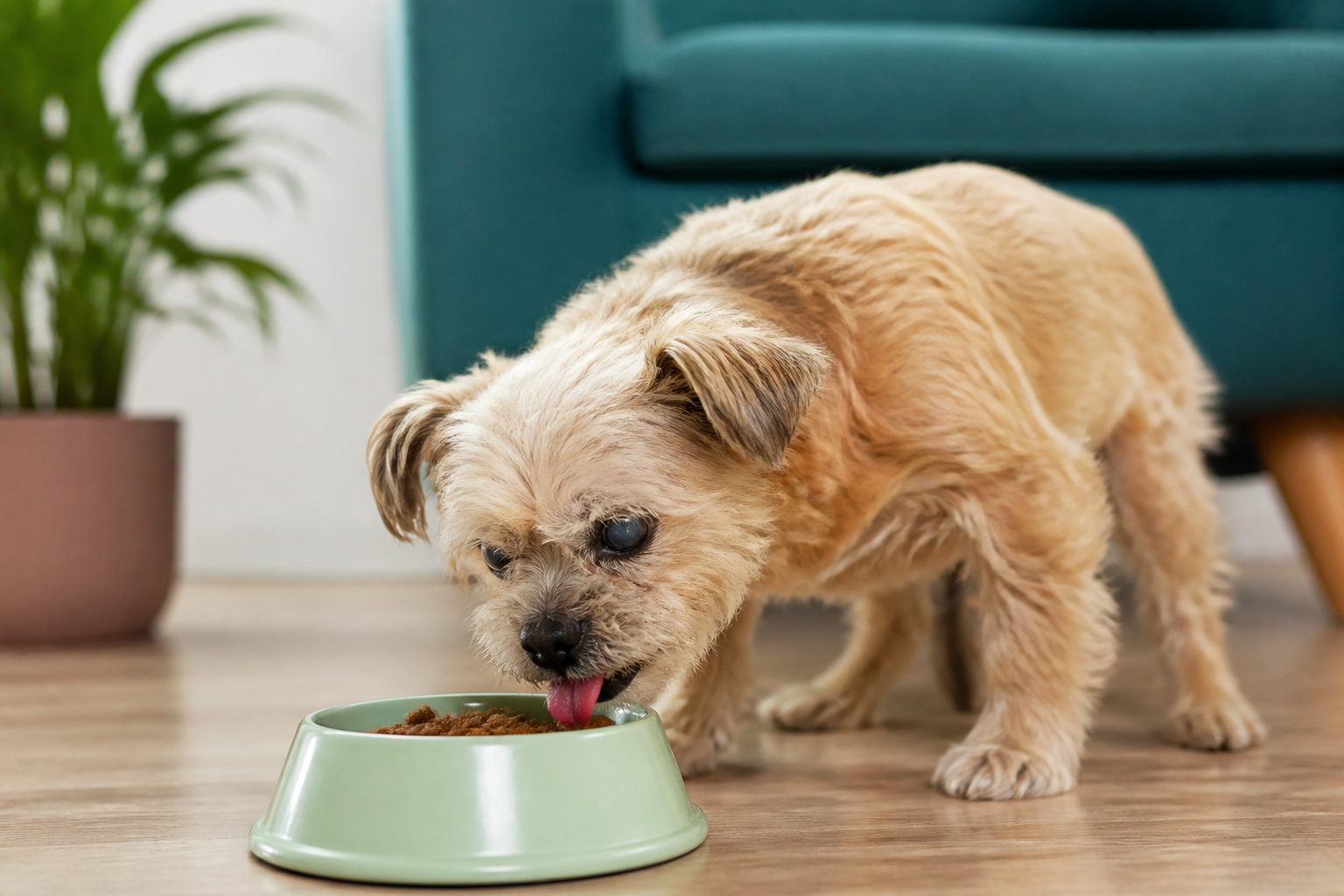
If your dog seems frustrated with the new soft texture, try using a shallow plate instead of a deep bowl. Without teeth to help scoop the food, some dogs find it easier to lap up soft food from a flat surface. This prevents them from having to "chase" the food around the corners of a deep dish.
Helping Your Dog Adapt to Extractions
If your dog's tooth loss is recent due to surgery, their mouth will be very tender for the first 10 to 14 days. During this time, even softened kibble might be too abrasive.
Step 1: Offer very soft, room temperature food. Avoid anything cold, as the surgery sites can be temperature sensitive.
Step 2: Monitor their water intake. Sometimes the mouth feels strange after surgery, and they may be hesitant to drink.
Step 3: Use any prescribed pain medications exactly as directed by your vet.
Step 4: Watch for any signs of stitches coming loose or excessive redness.
Most dogs bounce back from dental surgery within a few days. You might find that within a month, they are back to their old selves, just with a slightly different way of eating.
Bottom line: A dog without teeth can live a perfectly normal life, and with a few simple preparation steps, they can often continue eating the dry food brands they already love.
Feeding Multiple Pets
If you have a toothless dog and a dog with a full set of teeth, mealtime can get complicated. The "toothed" dog might try to steal the soft, smelly food from the toothless dog.
It is often best to feed them in separate areas. This allows the toothless dog to take their time. Eating soft food or lapping up soaked kibble can take longer than crunching through dry bits. You want to make sure your senior or toothless dog doesn't feel rushed or threatened by a faster eater.
Choosing the Right Brands
When looking for the best food for a toothless dog, look for brands that focus on high quality proteins and limited fillers. Since your dog's digestion is doing more work now that the teeth aren't involved, the food needs to be easy to break down.
Brands like Acana, Orijen, and Open Farm are known for high meat content and quality ingredients. These foods are generally very nutrient dense. This means your dog doesn't have to eat a huge volume of food to get the vitamins and minerals they need. This is especially helpful if they find the new eating process a bit tiring. Our Open Farm dog food selection offers another option to consider.
Monitoring Weight and Condition
Keep a close eye on your dog's weight during the first few months without teeth. Sometimes a dog will eat less because the process feels different, leading to unintended weight loss. Conversely, if you switch to a very calorie-dense wet food, they might put on a few extra pounds.
Feel your dog's ribs once a week. You should be able to feel the ribs easily under a thin layer of fat, but they shouldn't be sticking out. If you notice a significant change, adjust their portions or consult your vet about a different calorie goal.
Transitioning to a Senior Diet
If tooth loss is occurring because of age, it might be time to move to a senior-specific formula. Senior dog foods are often designed with smaller kibble sizes. They also include supplements like glucosamine and chondroitin for joint support.
Many senior formulas also have higher levels of antioxidants to support the immune system. We offer several senior-specific brands at BaxterBoo that are perfect for aging dogs who need a little extra care. Moving to a senior diet that is easily softened can solve two problems at once: managing dental issues and supporting aging joints.
The Role of Broth and Additives
Adding more than just water to dry food can provide a nutritional boost. Bone broth is excellent for dogs. It contains collagen which supports joint health and is very gentle on the stomach. Our dog food toppers and supplements include options for adding moisture and flavor to meals.
Just be sure to use broth made specifically for pets. Human broths often contain onions and garlic, both of which are toxic to dogs. They also tend to be very high in salt. A pet-safe broth from a brand like Caru or The Honest Kitchen is a much safer choice for adding moisture and flavor to dry kibble.
Key Takeaway: Using high quality, pet-safe toppers and broths is an easy way to increase the appeal and nutritional value of softened dry food for a toothless dog.
Conclusion
Caring for a dog without teeth requires a few adjustments, but it is a manageable transition for most pet owners. Whether you decide to soak their favorite dry kibble or move them to a high quality wet food, the most important thing is ensuring they get the nutrients they need without pain. Many dogs find a new lease on life once their uncomfortable teeth are removed. They become more energetic and more interested in mealtime than they were before.
At BaxterBoo, we are here to support you through every stage of your pet's life. From soft treats to specialized senior diets, we have the gear and food you need to keep your pup happy. Consider signing up for our Autoship programme to ensure your dog’s favorite soft food or kibble always arrives on time, and don't forget to earn points on every purchase through our MVP Rewards program.
FAQ
Can a dog without teeth choke on dry food?
Yes, there is a higher risk of choking if a toothless dog tries to swallow large, hard kibble whole. To prevent this, you should always soften the dry food with warm water or broth until it reaches a spongy or mushy consistency. Small breed dogs are especially at risk because of their smaller airways.
Will my dog’s personality change after losing teeth?
Many owners report that their dogs become more playful and affectionate after losing diseased teeth. This is usually because the chronic pain of dental disease has been removed. While there is a short recovery period after extractions, most dogs feel significantly better once their mouth has healed.
Do I still need to brush my dog’s gums if they have no teeth?
Yes, it is still important to maintain oral hygiene even without teeth. Bacteria can still build up on the gums and tongue, leading to bad breath and potential infections. Gently wiping the gums with a damp cloth or using a pet-safe oral rinse can help keep their mouth healthy.
What are the best treats for a dog with no teeth?
The best treats for toothless dogs are those with a soft, chewy, or lickable texture. Look for soft-baked treats, freeze-dried liver that dissolves easily, or use lick mats with peanut butter or pumpkin. Avoid hard biscuits, bones, or rawhide, as these can hurt or cut their sensitive gums.






