
 Save 15% on your 1st Autoship learn more

 Email us
 Live Chat
 FAQs
FAQs





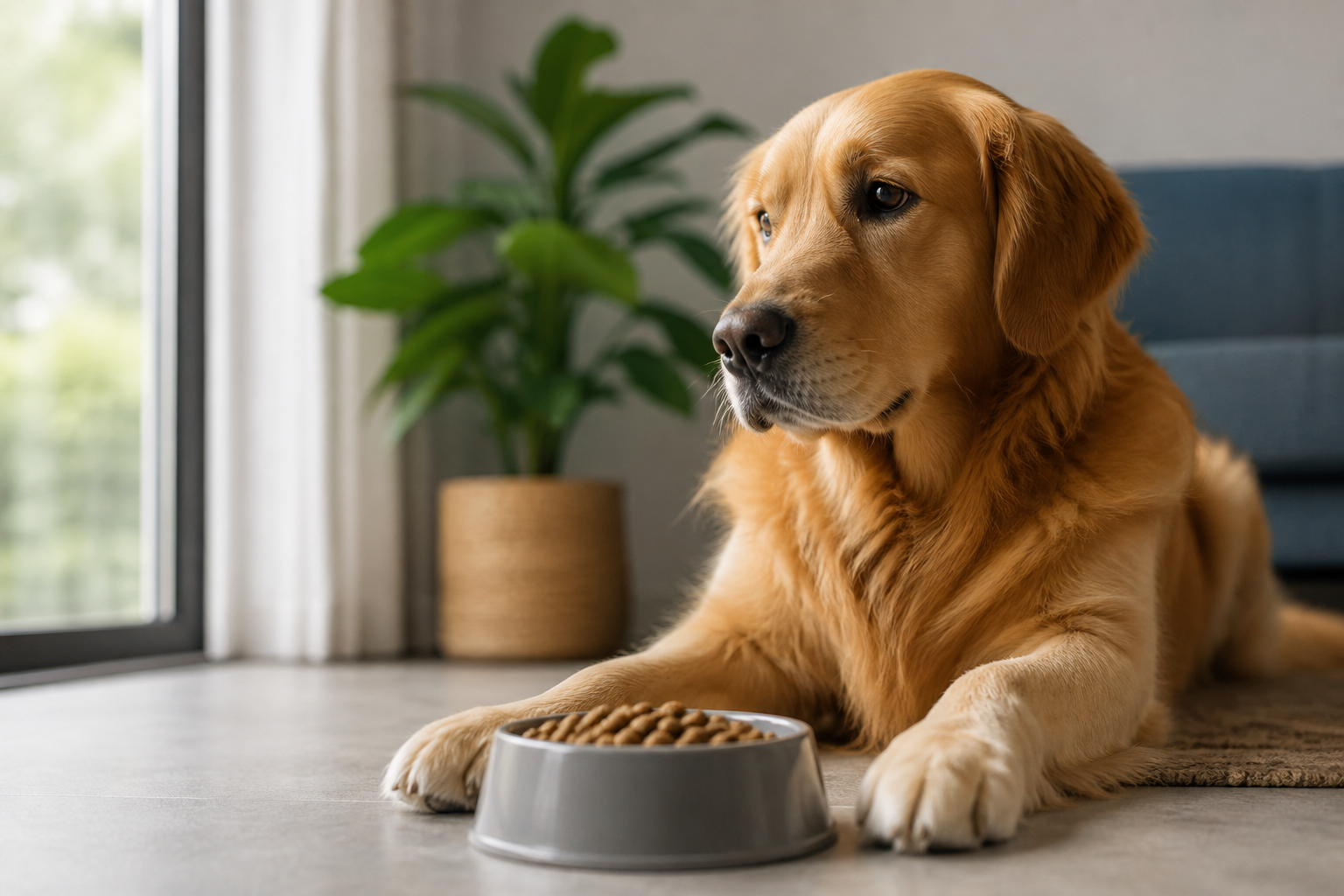
Introduction
Watching your dog pace around the yard and strain to go potty is a stressful experience for any pet owner. You see them circle repeatedly, squat, and walk in a hunched position with no results. It is natural to look at their bowl and wonder if their diet is the culprit. If your dog primarily eats kibble, you might worry that the dry texture is backing them up.
At BaxterBoo, we speak with many pet parents who are navigating digestive hurdles like these. While dry dog food itself is rarely the only cause of constipation, its low moisture content and specific ingredients can play a significant role. This article will explore the relationship between kibble and your dog's gut health. We will cover the importance of hydration, how to identify symptoms, and which home remedies can help. We will also discuss when a trip to the veterinarian or a visit to our pet pharmacy is necessary.
Quick Answer: Dry dog food can contribute to constipation if your dog does not drink enough water to offset the low moisture content of the kibble. Low-quality fillers and a lack of fiber also play roles in slowing down the digestive system.
The Relationship Between Dry Food and Digestion
To understand how dry food affects your dog, you have to look at the moisture gap. Most kibble contains roughly 10 percent moisture. This is a very low number. In the wild, a dog's natural diet would consist of prey that is about 70 percent water. Even wet canned food usually hits that 70 to 80 percent mark.
When your dog eats dry pellets, their body must provide the liquid to break them down. This liquid comes from the dog's own internal stores. If the dog is already slightly dehydrated, the digestive tract becomes sluggish. The colon is responsible for absorbing water from waste. If the body is thirsty, the colon pulls even more moisture out of the stool. This results in waste that is hard, dry, and painful to pass.
Kibble is not inherently bad for digestion. Many high-quality brands like NutriSource or PureVita provide excellent nutrition. However, because kibble is a dry product, the responsibility for hydration shifts entirely to the water bowl. If your dog is a lazy drinker, the "moisture tax" of dry food can lead to a backup. You can compare formulas in our dog food selection when reviewing your dog’s current diet.
How to Identify Constipation in Your Dog
It is important to know the difference between a dog that is just being picky about a spot and a dog that is truly constipated. Some dogs take their time finding the perfect blade of grass. True constipation is a physical inability to pass stool or an infrequent bowel movement schedule.
Common Signs of Mild Constipation
- Straining while in the squatting position for a long time.
- Producing small, hard, pebble-like stools.
- Vocalizing or whining while trying to go.
- Circling excessively without any result.
- A lack of bowel movements for more than 24 hours.
Signs of Severe Constipation
- Vomiting after trying to defecate.
- A bloated or tense abdomen.
- Loss of appetite and lethargy.
- Passing mucus or small amounts of blood.
- Persistent straining that looks like an emergency.
Key Takeaway: If your dog has not had a bowel movement in 48 to 72 hours, you should contact your veterinarian. Prolonged constipation can lead to a condition called obstipation. This is when the waste becomes so dry and impacted that the dog cannot pass it without medical help.
The Critical Role of Hydration
Water is the lubricant for the entire digestive system. Without it, the "engine" of the gut cannot run properly. When a dog eats dry food, they must drink significantly more water than a dog on a wet food diet. Many dogs do not naturally feel the urge to drink enough to keep up.
Hydration directly impacts gut motility. This term refers to the muscle contractions that move food through the intestines. When a dog is dehydrated, these contractions slow down. This gives the colon more time to pull moisture out of the stool. This creates a cycle that leads to harder waste.
We often suggest finding ways to add moisture directly to the meal. You can add a splash of warm water or low-sodium bone broth to the kibble. This makes the food smell better and ensures your dog gets extra fluids. It also softens the hard pellets before they even reach the stomach.
Ways to Increase Water Intake
- Place multiple water bowls around the house.
- Use a pet water fountain to encourage drinking through moving water.
- Offer ice cubes as a crunchy, hydrating treat.
- Mix a small amount of wet food into their dry kibble.
Vet Tip: Always ensure your dog has access to clean, fresh water. If your dog has mobility issues like arthritis, place water bowls closer to their favorite resting spots. This prevents them from skipping a drink because it is too painful to walk to the kitchen.
Understanding Fiber: The Great Regulator
Fiber is often misunderstood. Some people think more fiber always fixes constipation. However, the type of fiber and the balance of water are what truly matter. There are two main types of fiber found in dog food.
Soluble fiber dissolves in water to form a gel. This helps slow down digestion and can actually help with diarrhea. Insoluble fiber does not dissolve. It adds bulk to the stool and helps "sweep" the digestive tract. Most dry dog foods use ingredients like beet pulp or tomato pomace for fiber.
If a dog food is too low in fiber, the stool might be too small and hard to move effectively. If it is too high in insoluble fiber but the dog is not drinking enough water, the fiber can pack together. This can actually worsen the blockage. Finding a balance is key. High-quality brands carried by us, such as Stella and Chewy's or Farmina, often use carefully balanced fiber sources like pumpkin or miscanthus grass. NutriSource and PureVita formulas are also available through our NutriSource selection.
Fiber Check List
- Check the label for whole-food fiber sources like sweet potato or pumpkin.
- Avoid foods with excessive "grain by-products" as the primary fiber source.
- Look for a crude fiber content between 2 and 5 percent for most healthy dogs.
- Consult your vet before switching to a high-fiber prescription diet.
The Impact of Ingredient Quality and Fillers
Not all dry foods are created equal. Some budget-friendly options use fillers that are harder for a dog to process. When a dog's system has to work extra hard to pull nutrients from low-quality ingredients, there is more waste left over. This increased waste volume can overwhelm the colon.
Some foods also contain high levels of "ash." This is the mineral residue left over after ingredients are cooked at high temperatures. High ash content is often linked to lower-quality meat meals. This can lead to very hard, chalky stools that are difficult for senior dogs or dogs with small pelvic canals to pass.
Transitioning to a higher-quality diet can often resolve chronic digestive issues. Look for recipes that use real meat as the first ingredient. Foods that use probiotics, like NutriSource, help maintain a healthy gut microbiome. A healthy gut moves waste more efficiently.
Bottom line: Quality matters when it is time for your dog to go. Higher-quality ingredients lead to better absorption and more manageable waste.
The Importance of Regular Exercise
Movement on the outside helps movement on the inside. Exercise is a natural way to stimulate the digestive system. When your dog runs and plays, it encourages the muscles in the colon to contract. This process is called peristalsis.
A sedentary lifestyle is a common contributor to constipation. This is why many senior dogs struggle with being backed up. If they are not moving much due to joint pain, their digestive system slows down too. Even a short, fifteen-minute walk can be enough to get things moving.
If your dog is already feeling a little backed up, try an extra walk in the morning. The combination of physical movement and the smells of the neighborhood often triggers the urge to go. Just make sure your dog is well-hydrated before you head out for a long stroll.
Home Remedies for Mild Constipation
If your dog's constipation is mild, you might be able to help them at home. There are several safe additions to their dry food that can provide relief. For additional digestive-health products, browse our dog healthcare category.
Canned Pumpkin
This is the most popular remedy for a reason. Plain, canned pumpkin is high in fiber and moisture. It helps soften the stool and provides the bulk needed to move things along. Make sure you use 100 percent pure pumpkin and not pumpkin pie filling. Pie filling contains sugar and spices that are toxic to dogs.
Probiotics
Adding a probiotic supplement can help balance the bacteria in your dog's gut. Products like Purina Pro Plan FortiFlora are excellent for supporting digestive health. A healthy gut environment makes for smoother bowel movements. We carry a variety of probiotics in our dog food supplement selection.
Coconut Oil
Coconut oil can act as a gentle, natural lubricant. Most dogs love the taste and will lick it right off a spoon. Start with a small amount. Too much oil can lead to the opposite problem: diarrhea.
Step-by-Step: Adding Pumpkin to Dry Food
Step 1: Check the label. / Ensure you have 100 percent pure canned pumpkin with no added sugar.
Step 2: Start small. / Give one teaspoon for small dogs or one tablespoon for large dogs.
Step 3: Mix it in. / Stir the pumpkin into the dry kibble with a little warm water.
Step 4: Monitor the results. / Check your dog's stool over the next 24 hours to see if the consistency improves.
Age and Mobility Factors
As dogs get older, their systems naturally slow down. Senior dogs are much more prone to constipation than puppies. This happens for several reasons. Their muscle tone decreases, which makes the colon less efficient. They may also have arthritis in their hips or spine.
If it hurts to squat, a dog might hold their poop for as long as possible. The longer the waste stays in the colon, the more water is removed. This makes the eventual bowel movement much more painful. If your senior dog is struggling, consider using a harness to help support their weight while they go.
Maintaining a healthy weight is also vital for senior dogs. Overweight dogs have a harder time moving around. This lack of movement leads to slower digestion. We offer many mobility aids and senior-specific foods to help older pets stay active. For more context on ingredients and digestive support, you can also read our article about holistic ingredients in puppy food.
Grooming and Physical Blockages
Sometimes the cause of constipation is not internal. Long-haired breeds can develop mats of fur around their rear end. These mats can trap feces and even block the anal opening entirely. This makes it impossible for the dog to go, even if their digestion is working fine.
Check your dog's bottom regularly. If you see matted fur or dried waste stuck to the hair, it needs to be cleaned immediately. Use electric clippers rather than scissors to avoid accidentally cutting the skin. Keeping the area trimmed is a simple way to prevent this type of "mechanical" constipation.
If you notice your dog scooting their butt across the floor, it might be an anal gland issue. Impacted anal glands are painful and can make a dog hesitant to poop. If the area looks swollen or red, a visit to the vet is a good idea.
When to See the Vet and the BaxterBoo Pharmacy
If home remedies do not work within 48 hours, it is time for professional help. Constipation can sometimes be a symptom of a much larger problem. These can include pelvic injuries, enlarged prostates, or even tumors. In some cases, your dog may have swallowed a foreign object like a toy or a rock. This is a medical emergency that requires immediate attention.
Your veterinarian might prescribe specific medications or a prescription diet. Through our partnership with Pet's Choice, the BaxterBoo pharmacy for dogs offers a wide range of FDA-approved medications. We also carry specialized prescription foods like Farmina Vet Life. These diets are formulated specifically for dogs with chronic digestive or weight management needs.
Never give your dog human laxatives or enemas. Human medications can be toxic to pets. A vet-administered enema is much safer and more effective. They can also provide professional hydration through IV fluids if your dog is severely dehydrated.
Vet Tip: If your dog is straining and also vomiting, do not wait. This combination often points to a blockage in the intestinal tract. A blockage is life-threatening and needs an exam right away.
Summary of Prevention Tips
Preventing constipation is much easier than treating it. A few small changes to your daily routine can keep your dog's digestive system running smoothly.
- Switch up the texture: Occasionally mixing wet food with dry kibble adds essential moisture.
- Encourage activity: Daily walks keep the colon muscles active.
- Monitor the yard: Keep an eye on what your dog picks up outside to prevent they swallow indigestible objects.
- Regular check-ups: Senior dogs should see the vet often to manage age-related slowing of the gut.
- Freshness counts: Keep your dry food in an airtight container. Rancid fats in old kibble can irritate the digestive lining.
By focusing on high-quality food and plenty of water, you can help your dog avoid the discomfort of being backed up. Whether you are looking for a new high-fiber kibble in our dog food category or need to fill a prescription through our pharmacy, we are here to support your pet's wellness journey.
FAQ
How long can a dog safely go without pooping?
Most healthy dogs should have at least one bowel movement every day. While a dog can safely go 24 hours without pooping, anything beyond 48 hours is a cause for concern. If your dog reaches the 72-hour mark without a bowel movement, you should contact your veterinarian immediately for an exam.
Can I give my dog milk for constipation?
While some people use milk as a laxative because many dogs are lactose intolerant, it is not recommended. Lactose intolerance causes diarrhea by irritating the digestive tract, which can lead to cramping and gas. It is much safer to use vet-approved remedies like pumpkin or probiotics that support the gut rather than irritating it.
Does dry dog food cause harder stools than wet food?
Yes, dry food typically results in firmer stools because it contains very little moisture. Wet food provides significant hydration, which naturally softens the waste as it moves through the colon. If your dog's stools are consistently too hard or crumbly, adding water or broth to their dry food can help.
Can stress cause my dog to become constipated?
Stress and anxiety can absolutely affect a dog's digestive system. When a dog is stressed, their body enters a "fight or flight" mode, which diverts blood flow away from the digestive organs. This can slow down the movement of waste. Changes in the environment, such as moving to a new home or traveling, are common triggers for temporary constipation.






