
 Save 15% on your 1st Autoship learn more

 Email us
 Live Chat
 FAQs
FAQs





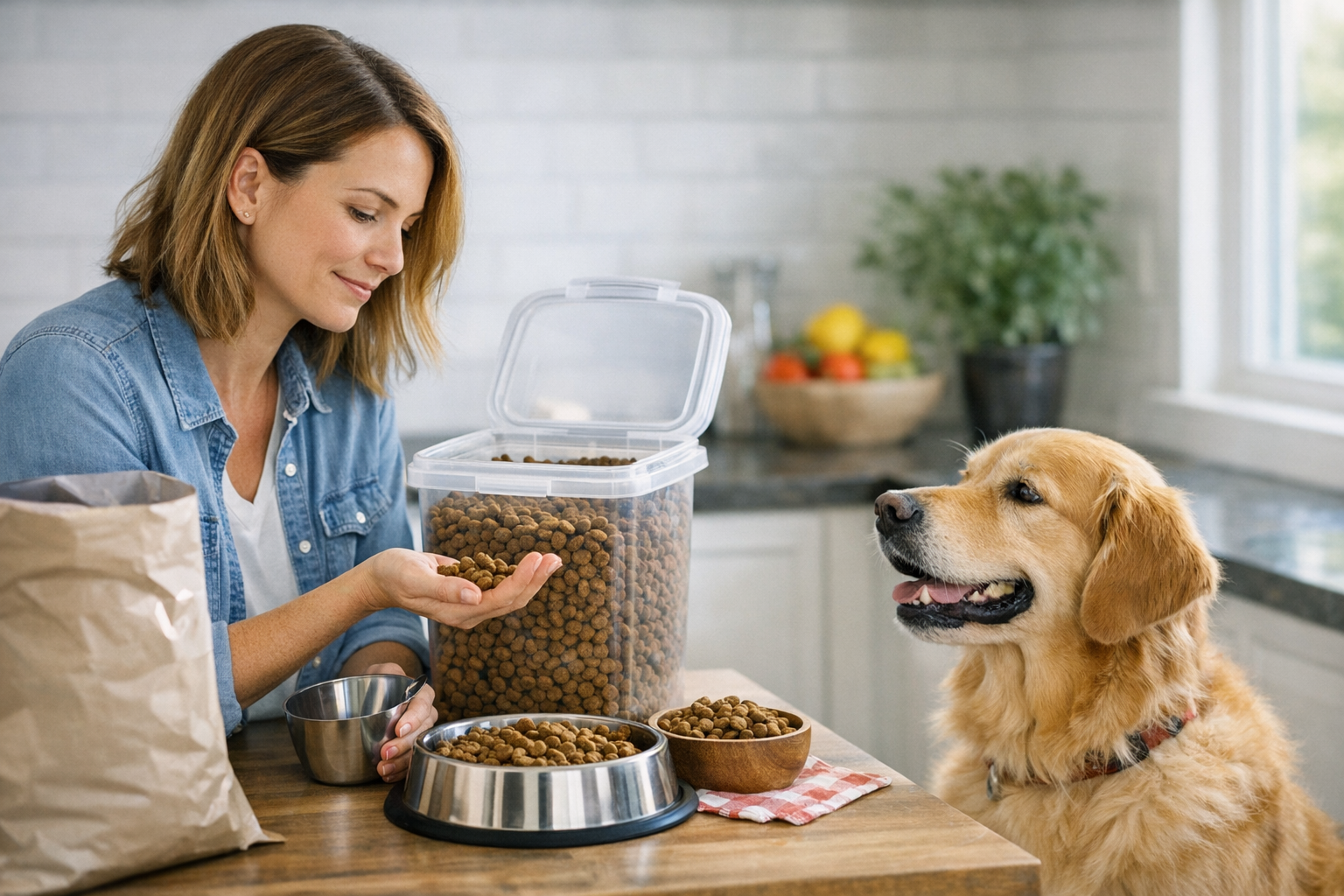
Introduction
You are reaching for the bottom of a large bag of kibble when you notice the date on the back. The best-by date passed two months ago. The food looks normal, and your dog is waiting at the bowl with an expectant tail wag. Many of us at BaxterBoo have faced this exact moment. We want to avoid wasting expensive food, but we also worry about our pet’s health. Dry dog food is designed to be shelf stable. However, it does not stay fresh forever. This post covers how to tell if kibble has gone bad and the best ways to store it safely. While dry food lasts longer than wet food, it still has a finite lifespan that impacts nutrition and safety.
Understanding Best-By Dates on Dog Food
Most dog food manufacturers print a date on the packaging. This is usually labeled as a best-by or use-by date. It is important to know that this is not always a hard expiration date like you might see on a gallon of milk. Instead, it is a guarantee of quality and nutritional value from the manufacturer.
Commercial dog food is formulated to provide a specific balance of vitamins, minerals, and fatty acids. Over time, these nutrients begin to break down. This process is called degradation. Once the best-by date passes, the food may no longer provide the full nutritional profile listed on the label.
The date also considers the stability of the fats in the food. Most modern kibble contains animal fats and oils. These are essential for your dog’s energy and skin health. However, these fats are prone to oxidation. After the date on the bag, the risk of these fats turning rancid increases significantly.
Quick Answer: Dry dog food does expire, usually 12 to 18 months after it is manufactured. Once you open the bag, you should try to use it within six to eight weeks for the best safety and nutrition.
The Science of Spoilage: Why Kibble Goes Bad
Dry dog food goes bad through a few different processes. Understanding these can help you prevent spoilage before it starts. The three main enemies of dog food are oxygen, heat, and moisture.
Oxidation of Fats
Fats and oils are the first things to go. When fats are exposed to oxygen, they begin to chemically change. This is oxidation. It results in rancid fat. Rancid fat does more than just smell bad. It can lead to the production of free radicals. These can cause long term health issues if consumed regularly. It also makes the food taste bitter or sour to your dog.
Vitamin Degradation
Vitamins are sensitive to light and air. Vitamin A and the B-vitamins are especially fragile. Even if the food is not technically spoiled or toxic, an expired bag might leave your dog with nutritional gaps. For a growing puppy or a senior dog with specific health needs, these gaps can be a problem.
Bacterial Growth and Mold
While kibble is dry, it is not completely moisture-free. If moisture gets into the bag, it creates a breeding ground for bacteria. Salmonella and E. coli are the most common concerns. Mold can also develop in the presence of humidity. Some molds produce mycotoxins. These are dangerous chemicals that can cause severe illness in pets.
Key Takeaway: Spoilage is not just about the date on the bag. It is about how environmental factors like air and moisture break down the food’s chemical structure.
Signs Your Dog Food Has Gone Bad
You cannot always rely on the date on the bag. Sometimes food spoils early due to poor storage at the warehouse or in your home. You should perform a quick check every time you fill your dog's bowl.
The Smell Test
Fresh dog food has a mild, grainy, or meaty scent. If you open the bag and get a whiff of something sour, paint-like, or metallic, the fats have likely gone rancid. If it smells musty or like old gym clothes, mold might be growing. Your dog's nose is much stronger than yours. If they take a sniff and walk away, listen to them.
Changes in Texture
Kibble should be crunchy and dry. If the pieces feel oily or sticky to the touch, the fats are breaking down. If the food feels soft or crumbly, moisture has likely gotten inside. You should also look for any visible greenery or white fuzz, which indicates mold growth.
Insect Infestation
Pests like grain mites or weevils love dog food. Check the bottom of the bag for "dust" that seems to move. These insects can cause itchy skin and digestive upset in dogs. If you see any bugs, the entire bag must be thrown away.
Behavioral Cues
If your dog is usually a big eater but suddenly refuses their meal, the food might be bad. Dogs can often detect rancidity or bacterial growth before we can. Never force a dog to eat food they are rejecting.
Vet Tip: If your dog accidentally eats spoiled food and starts vomiting or has diarrhea, contact your veterinarian immediately. For dogs with chronic digestive sensitivities, we recommend exploring our pet pharmacy for prescription diet options.
How Long Does Opened Dog Food Last?
Most people buy large bags of food to save money. However, the clock starts ticking the moment you break the seal. Once the bag is open, the food is exposed to the environment.
We recommend using a bag of dry food within six weeks of opening. Some experts say up to eight weeks is acceptable if storage is perfect. After this point, the risk of rancidity and vitamin loss becomes much higher. If you have a small dog, buying a 40 pound bag might not be the best value. The food will likely go stale or lose its nutritional punch before your dog can finish it.
Step 1: Check the bag size. Buy a bag that your dog can finish within 4 to 6 weeks.
Step 2: Note the opening date. Write the date you opened the bag on a piece of masking tape and stick it to the container.
Step 3: Monitor the bottom. As you get to the end of the bag, check for crumbs and check the scent again.
Proper Storage Techniques to Prevent Spoilage
How you store your kibble is just as important as the date on the bag. Good storage can extend the life of the food and keep it tasting great. At our BaxterBoo warehouse, we keep products in a temperature controlled environment to ensure they arrive fresh to you.
Keep the Original Bag
One of the biggest mistakes owners make is pouring kibble directly into a plastic bin. The original bag is designed specifically to keep food fresh. It often has a specialized liner that acts as a fat barrier. Plastic bins can actually absorb oils over time. These oils can go rancid and contaminate the new food you pour in later.
Use an Airtight Container
The best way to store food is to put the entire original bag inside an airtight plastic or metal container. This provides a double layer of protection against oxygen and pests. It also keeps the bag's information handy. If there is ever a product recall, you will need the lot number and UPC code from the bag.
Control the Environment
Store your dog food in a cool, dry place. The temperature should ideally stay below 80 degrees Fahrenheit. Many people store dog food in the garage or a laundry room. This is often a mistake. Garages experience huge temperature swings. Heat accelerates the oxidation of fats. Laundry rooms are often too humid, which encourages mold. A kitchen pantry or a cool closet is a much better choice.
Wash Your Containers
If you do use a bin, wash it every time you finish a bag. Do not just pour new food on top of the old crumbs. Those old crumbs contain fats that are already oxidizing. They will act like a "seed" and cause your new food to spoil faster. Use warm, soapy water and let the bin dry completely before putting a new bag inside.
Bottom line: Storing kibble in its original bag inside an airtight bin in a cool pantry is the gold standard for freshness.
The Risks of Feeding Expired or Spoiled Food
It can be tempting to feed a bag that is just a few weeks past its prime. However, the risks often outweigh the savings.
- Digestive Upset: This is the most common result. Vomiting, gas, and diarrhea can occur as the dog's body tries to reject the rancid fats or bacteria.
- Malnutrition: Over time, feeding food with degraded vitamins can lead to dull coats, low energy, and weakened immune systems.
- Toxicity: Mold and certain bacteria can produce toxins that lead to more serious issues. This can include liver damage or neurological problems in extreme cases.
If your dog has a history of stomach issues or food allergies, they are even more sensitive to spoiled food. Our pet pharmacy carries many prescription diets for dogs with ongoing health management needs. Always consult your vet if you notice a change in your dog's appetite or digestion.
Strategies for Buying and Managing Food
Managing your dog’s food supply is the best way to ensure they always have a fresh meal. We offer several programs to help with this.
Buy Frequent, Smaller Bags
If you have a single small dog, buy smaller bags more often. While the price per pound might be slightly higher, you are paying for better nutrition and safety. You also won't have to throw away the last five pounds of a bag that has gone stale.
Use Autoship for Freshness
Our Autoship programme is a great tool for food management. You can schedule your deliveries to arrive right when you are finishing your current bag. This ensures the food hasn't been sitting in your pantry for months. It also helps keep mealtime planning simple.
The Frequent Buyer Program
We participate in many Frequent Buyer Program offers for premium brands like our selection of NutriSource products, our selection of Stella & Chewy's products, and Farmina. This allows you to earn free bags of food. By using this program, you can afford to buy the freshest food without worrying about the cost as much.
Key Takeaway: Buying smaller quantities more frequently is often better for your dog's health than buying in bulk and risking spoilage.
Summary of Freshness Checks
Keeping track of food freshness does not have to be difficult. It just requires a routine.
- Check the best-by date before you leave the store or open the box.
- Smell the food as soon as the bag is opened so you know what "fresh" smells like.
- Keep the food in its original bag and seal it tightly after every meal.
- Store the bag in a climate-controlled area of your home.
- Discard any food that smells sour, looks moldy, or has been open for more than two months.
By following these steps, you protect your dog from the hidden dangers of expired food. You also ensure they get every bit of the nutrition you are paying for.
FAQ
Is it safe to feed dog food one month after the expiration date?
It is generally not recommended to feed food past the best-by date. While it may not be immediately toxic, the vitamins have likely degraded and the fats may have started to oxidize. If the bag is unopened and was stored in a cool, dry place, the risk is lower, but it is still better to start a fresh bag.
Can I store dry dog food in the garage?
Storing dog food in the garage is usually a bad idea because of temperature fluctuations and humidity. High heat causes the fats in the food to go rancid very quickly, and moisture can lead to mold growth. It is much safer to store kibble in a temperature-controlled area like a pantry or kitchen closet.
Why shouldn't I pour kibble directly into a plastic storage bin?
Plastic bins can develop tiny scratches over time that harbor bacteria and old, rancid fats. These oils can seep into the plastic and contaminate any new food you add to the container. Keeping the food in the original bag provides a clean barrier and preserves the lot number and expiration date for safety.
How can I tell if my dog's food has gone rancid?
The most reliable sign of rancidity is a change in smell. Rancid dog food often smells sour, metallic, or like old vegetable oil or window paint. If your dog, who usually loves their food, suddenly refuses to eat or seems hesitant at the bowl, they may be smelling spoilage that you cannot yet detect.






