
 Save 15% on your 1st Autoship learn more

 Email us
 Live Chat
 FAQs
FAQs





Introduction
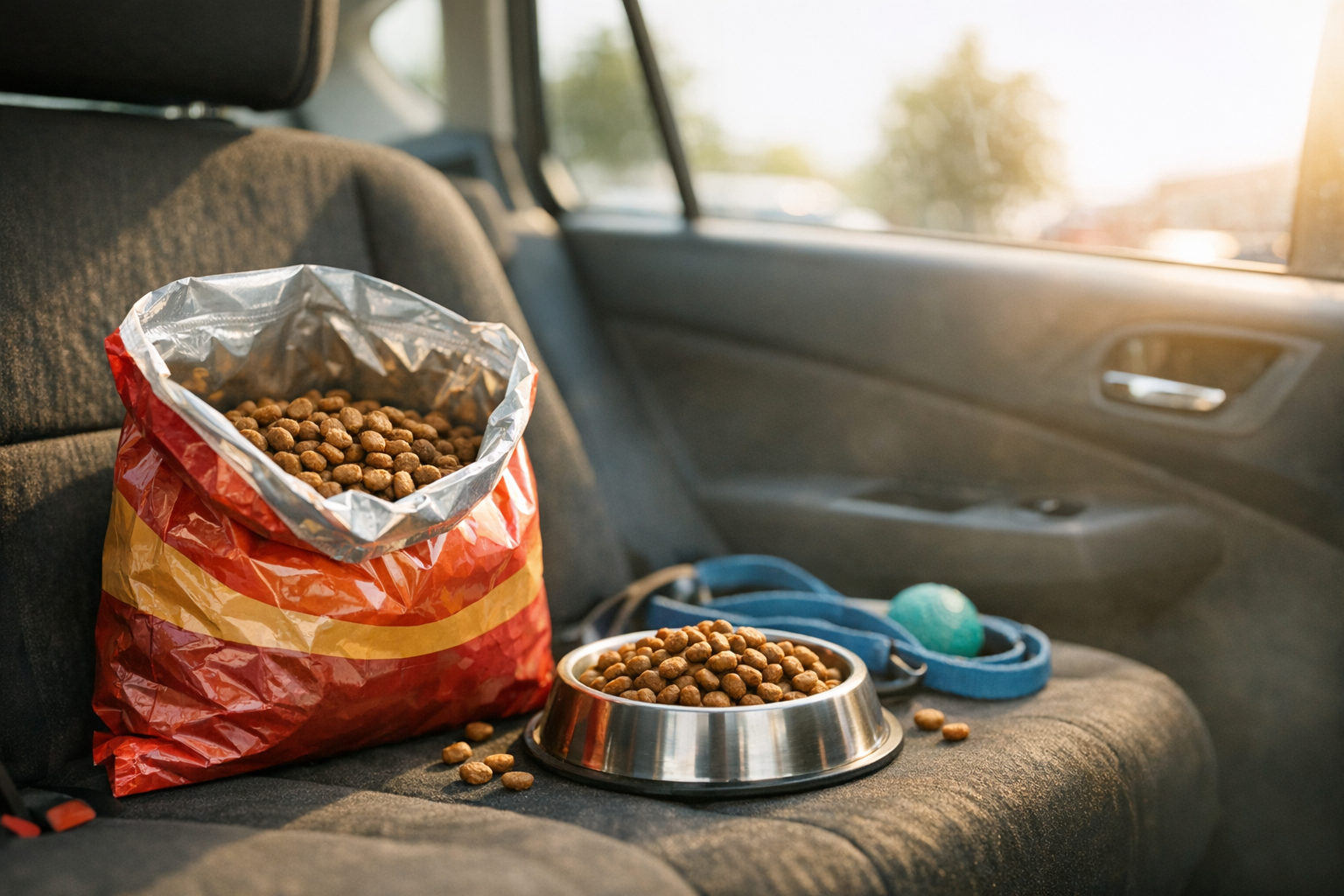
It is a common Saturday routine for many pet owners. You stop at the pet store to pick up a fresh bag of kibble. Then you head to the grocery store, the dry cleaners, and maybe stop for a quick lunch. During these errands, your car sits in a sunny parking lot. When you finally return to the driver’s seat, the air is thick and stifling. You might wonder if that high quality bag of food in the back is still safe. At BaxterBoo, we understand that you want to protect the investment you make in your pet’s health. While dry food looks shelf stable, it is more sensitive to environmental changes than most people realize. This article covers the risks of heat exposure, the science of food spoilage, and how to keep your dog’s meals fresh during the summer months.
Quick Answer: Dry dog food should not sit in a hot car for more than 60 minutes if the temperature is above 80 degrees. High heat triggers fat oxidation and destroys essential vitamins. If the car interior exceeds 90 degrees, the food can begin to degrade in as little as 30 minutes.
The Greenhouse Effect in Your Vehicle
Most people underestimate how quickly a car becomes an oven. Even on a mild 70 degree day, the temperature inside a parked car can climb to 100 degrees in just 20 minutes. When the outside temperature hits 85 degrees, the interior can soar to 120 degrees or higher. This happens because the glass windows trap solar radiation. This heat is then absorbed by the dashboard, seats, and any pet food bags you have stored there.
The trunk is often even worse. It lacks the airflow of the main cabin and acts as an insulated box. If you leave a bag of food in a hot trunk, you are essentially slow cooking the ingredients. Heat is a catalyst for chemical reactions. It forces the components of the food to break down much faster than they would in a climate controlled home.
The Science of Fat Spoilage and Rancidity
To understand why heat is dangerous, you must look at what is inside the kibble. Most premium dog foods are rich in fats and oils. These fats provide energy and support a healthy coat. Brands like our selection of Orijen products use high quality animal fats and fish oils. These are excellent for nutrition but are very sensitive to heat.
When fats are exposed to high temperatures, they undergo a process called oxidation. This means oxygen reacts with the fat molecules. Heat speeds up this reaction significantly. Oxidation leads to rancidity. Rancid fats do not just taste bad to your dog. They can create toxic compounds that lead to digestive upset or long term health concerns.
Key Takeaway: Heat serves as a catalyst for fat oxidation. This process turns healthy oils into rancid fats that can cause stomach pain and reduce the overall quality of the food.
Nutrient Degradation and Vitamin Loss
Fats are not the only thing at risk in a hot car. Many of the vitamins added to dog food are heat sensitive. Vitamins A, D, E, and the B-complex group are particularly vulnerable. Manufacturers carefully balance these nutrients to meet your dog's daily needs. However, these vitamins begin to break down when temperatures exceed 80 or 90 degrees.
If a bag sits in a hot car for several hours, the nutritional profile changes. The food might look the same, but it is no longer the balanced meal described on the label. Over time, feeding heat damaged food can lead to subtle nutritional deficiencies. This might manifest as a dull coat, lower energy levels, or a weakened immune system.
Moisture Migration and the Risk of Mold
Dry dog food is not completely dry. It typically contains about 10 percent moisture. When a bag of food is trapped in a hot car, this moisture begins to move. As the air inside the bag heats up, the moisture turns into vapor. When the car eventually cools down, that vapor condenses on the surface of the kibble.
This condensation creates damp spots inside the bag. Mold thrives in warm, moist environments. Even if you cannot see fuzzy growth yet, invisible toxins called mycotoxins can begin to develop. These toxins are dangerous for dogs and can cause serious illness. Bacteria such as Salmonella can also multiply more rapidly in these warm conditions.
How to Tell if the Food Has Gone Bad
Dogs have a sense of smell that is far superior to ours. However, some dogs are so hungry that they will eat spoiled food anyway. You must be the first line of defense. If you accidentally left a bag in the car, perform a thorough check before feeding it.
The Sniff Test
Open the bag and take a deep breath. Fresh kibble should smell meaty, nutty, or like grain. If you smell something sour, metallic, or similar to old paint, the fats have gone rancid. Some people describe the smell of rancid dog food as being like wet cardboard or a chemical pungency.
The Texture and Visual Check
Reach into the bag and feel the kibble. It should be dry and firm. If it feels sticky, greasy, or "sweaty," heat has likely compromised the structure. Check the corners of the bag for clumps. Clumping is a sure sign that moisture has moved around and created a risk for mold.
Your Dog’s Reaction
Pay attention to how your dog reacts to the bowl. If a dog that usually loves their food suddenly hesitates or walks away, trust their nose. They may detect the early stages of spoilage that you missed.
Vet Tip: If your dog accidentally consumes spoiled food and shows signs of vomiting, diarrhea, or extreme lethargy, contact your veterinarian right away. For dogs with ongoing digestive issues or those needing specialized nutrition, the pharmacy at BaxterBoo offers prescription diets through our partnership with Pet's Choice.
Practical Steps for Safe Transport
We know that you have to get the food from the store to your house. The key is to minimize the time the food spends in a warm environment. Following a few simple steps can protect the quality of the meal.
Step 1: Make the pet store your last stop. / Plan your errands so that picking up dog food is the very last thing you do before heading home. This limits the total exposure time.
Step 2: Keep the food in the cabin. / Avoid putting the bag in the trunk if it is a hot day. Place it on the floor of the backseat and run the air conditioning. The climate controlled air helps keep the bag cool.
Step 3: Use a thermal buffer. / If you have a long drive, consider wrapping the bag in a moving blanket or a reflective sun shade. This provides a temporary barrier against the heat.
Step 4: Bring the bag inside immediately. / Do not leave the food in the garage or the car while you put away other groceries. The sooner the food reaches a cool, dry spot in your home, the better.
Understanding Preservatives and Heat Tolerance
Different brands use different methods to keep food fresh. Some use synthetic preservatives like BHA or BHT. These are very stable in heat but some owners prefer to avoid them. Many premium brands carried at BaxterBoo use natural preservatives like tocopherols. These are forms of Vitamin E.
Natural preservatives are effective but they have a limit. They work by sacrificing themselves to stop oxidation. In a hot car, these natural preservatives work overtime. They can be used up very quickly. Once the preservatives are exhausted, the food has no remaining defense against spoilage. This is why high quality, naturally preserved foods like our selection of Farmina products and our selection of The Honest Kitchen products require extra care during transport.
Managing Your Food Supply
One way to avoid the "hot car" risk is to change how you buy food during the summer. If you have a busy schedule, consider these options to keep your dog's food fresh.
- Buy Smaller Bags: During the hottest months, you might choose to buy smaller bags more frequently. This ensures the food is consumed before any minor heat damage can lead to significant spoilage.
- Use Autoship: Our Autoship programme is a great way to have food delivered directly to your door. This often bypasses the need for the food to sit in your personal vehicle during a long errand run.
- Store in Original Packaging: Once you get the food home, keep it in the original bag. These bags are designed with liners that protect against oxygen and moisture. Place the entire bag inside an airtight container for the best results.
Key Takeaway: Premium dog foods often use natural preservatives that break down quickly in high heat. Using a delivery service or buying smaller quantities in summer can help maintain freshness.
What to Do if the Food is Compromised
If you realize a bag of food has been in a 120 degree car for three hours, the safest choice is to discard it. It is not worth the risk of a vet visit or a sick pet. While it feels like a waste of money, the cost of treating food poisoning or a long term nutritional deficiency is much higher.
If your dog needs a specific diet due to allergies or medical conditions, check with your vet before switching to a backup food. Our pet pharmacy carries many FDA approved prescription foods and medications for chronic conditions. These are handled with strict temperature controls during our shipping process to ensure they arrive safely.
Long Term Storage Success
Freshness does not end once the food is inside your house. The way you store the food daily matters just as much as the car ride. Avoid storing dog food in the garage or a laundry room where temperatures and humidity fluctuate.
The ideal storage temperature is between 50 and 70 degrees. This keeps the fats stable and the vitamins potent. Always seal the bag tightly after every meal. This limits the amount of oxygen that reaches the kibble. If you use a plastic bin, wash it thoroughly between bags. Old fat residue can stick to the plastic and turn rancid, which then contaminates the new food you pour in.
Conclusion
Keeping your dog’s food safe in the heat requires a bit of planning. Dry kibble is a complex product that relies on stable temperatures to remain nutritious and safe. High heat in a car can quickly ruin fats, destroy vitamins, and encourage mold growth. By making the pet store your last stop and keeping the food in the air conditioned cabin, you can prevent these issues. We have been helping pet owners since 2006 at BaxterBoo, and we know that small steps in daily care lead to a longer, healthier life for your dog.
- Never leave dry dog food in a car for more than an hour when it is over 80 degrees.
- Use the sniff test to check for rancidity or a chemical smell.
- Keep food in its original bag even when using a storage bin.
- Consult your vet if your dog refuses food or shows signs of illness.
Bottom line: Protect your dog’s health by treating their dry food as a perishable item during the hot summer months.
FAQ
Is unopened dog food safe in a hot car?
An unopened bag provides some protection against outside moisture, but it does not stop heat. Heat is energy that moves through the packaging easily. Even if the seal is intact, the internal temperature of the food will rise to match the car's interior, leading to fat oxidation and nutrient loss.
Can heat cause dog food to have a chemical smell?
Yes, a chemical or "old paint" smell is a classic sign of rancid fats. When the oils in the food break down due to high heat, they release volatile compounds that produce this sharp, unpleasant odor. If you notice any change in the scent of the kibble, it is best to err on the side of caution and dispose of it.
What are the symptoms if a dog eats heat-damaged food?
The most common symptoms are digestive issues like vomiting, diarrhea, and a lack of appetite. In some cases, if mold or mycotoxins have developed, the dog might experience tremors or lethargy. If your dog shows these signs, you should contact your veterinarian immediately to rule out food poisoning.
How can I keep dog food cool during a long trip?
If you are traveling, the best method is to keep the food in the climate controlled cabin of the car. You can also place the bag inside a large cooler without ice, which acts as an insulator against the rising temperature. For very long trips, consider bringing only the amount of food you need in smaller, airtight containers stored away from direct sunlight.






