
 Save 15% on your 1st Autoship learn more

 Email us
 Live Chat
 FAQs
FAQs





Introduction
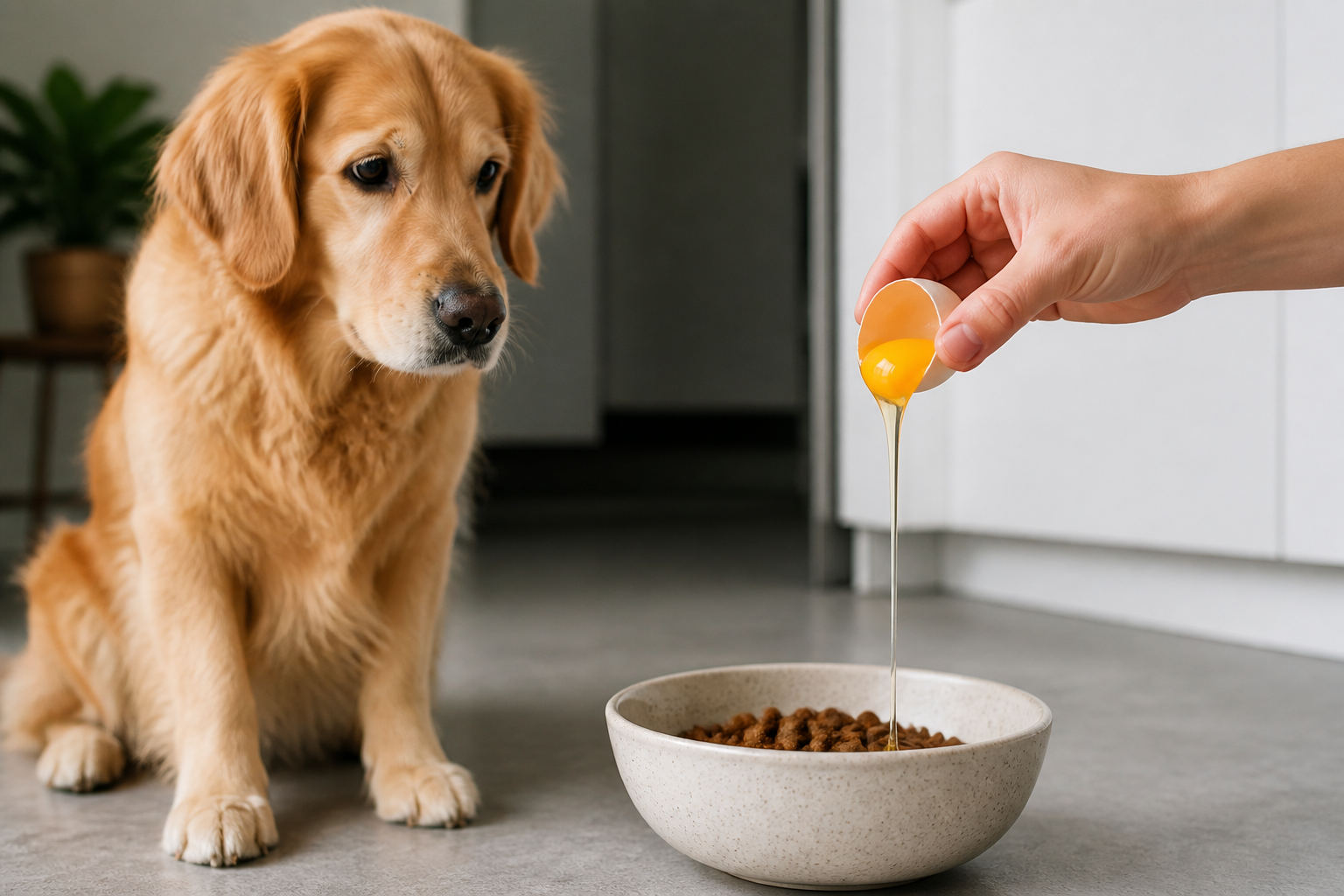
You are standing at your kitchen counter preparing breakfast when you notice your dog watching you intently. You have a carton of eggs in one hand and a scoop of dry kibble in the other. It seems like a natural match. You might wonder if cracking that egg directly over the bowl will give your dog a nutritional boost or just a messy stomach ache. At BaxterBoo, we hear this question from many pet owners who want to spruce up mealtime with whole food ingredients. Adding an egg to dry food is a popular way to increase protein and healthy fats. This post covers the nutritional benefits, the safety risks of raw versus cooked eggs, and how to properly portion this treat. Eggs can be a fantastic addition to a canine diet when you follow a few basic safety rules.
The Nutritional Value of Eggs for Dogs
Eggs are often called a complete protein source. This means they contain all the essential amino acids a dog needs to build and repair muscles. For a dog eating our dry dog food selection, an egg provides a fresh burst of highly bioavailable nutrients. The protein in eggs is very easy for the canine digestive system to process and use.
Beyond protein, eggs are rich in healthy fats and fatty acids. These fats are the building blocks for a healthy coat and skin. If your dog has dull fur or flaky skin, the omega fatty acids in the yolk can help restore a natural shine. Eggs also contain a variety of vitamins and minerals.
- Vitamin A: Supports eye health and immune function.
- Vitamin B12: Vital for nervous system health and cell growth.
- Riboflavin: Helps the body break down carbohydrates and fats for energy.
- Iron: Necessary for healthy blood and oxygen transport.
- Selenium: A powerful antioxidant that protects cells from damage.
Key Takeaway: Eggs provide a concentrated source of high quality protein and essential fatty acids that support muscle growth and skin health.
Can I Add Raw Egg to My Dogs Dry Food?
The short answer is yes, you can. Many advocates of raw feeding believe that raw eggs provide the most intact nutrients. However, there are significant safety considerations to keep in mind before you start cracking raw eggs daily. While a healthy dog with a strong immune system can often handle raw foods, there are two primary risks: bacteria and nutrient interference.
The most well known risk is Salmonella. This bacteria can cause severe digestive distress in dogs, including vomiting and diarrhea. It is also a risk for the humans in the household. If your dog licks your face or your hands after eating a raw egg contaminated with Salmonella, you could get sick too. We always suggest choosing the highest quality, freshest eggs possible if you choose to feed them raw.
The second concern involves a protein called avidin. This is found in raw egg whites. Avidin interferes with the absorption of biotin, which is a B vitamin essential for skin and coat health. If a dog eats a large amount of raw egg whites over a long period, they could develop a biotin deficiency. Interestingly, egg yolks are very high in biotin. Feeding the whole egg helps balance this out, but it is still a factor to consider.
Vet Tip: If your dog has a compromised immune system or a history of sensitive stomach issues, always cook the egg before serving. Consult your veterinarian before making raw eggs a permanent part of your dog's diet.
The Benefits of Cooking the Egg
Cooking the egg is the safest way to provide these nutrients to your dog. Heating the egg neutralizes the avidin in the whites. This means you do not have to worry about biotin deficiency. Cooking also kills any potential Salmonella or E. coli bacteria.
You do not need to make a fancy omelet for your dog. Simple preparations are best. Hard-boiled eggs are a great option because they are easy to chop and mix into dry food. Scrambled eggs are also popular, provided you cook them plain. Steer clear of any oils, butter, salt, or seasonings. While these make eggs taste better to humans, they can cause pancreatitis or sodium issues in dogs.
Safe Ways to Prepare Eggs
- Hard-boiled: Easy to portion and store in the fridge.
- Poached: Keeps the nutrients intact without using any fats for cooking.
- Scrambled: A soft texture that mixes well with dry kibble.
- Sunny side up: As long as the white is set, the runny yolk is fine for most dogs.
Why Add Eggs to Dry Food?
Dry kibble is designed to be a complete and balanced meal. However, it can sometimes be a bit boring for the dog. Adding a fresh topper like an egg can change the texture and aroma of the meal. This is particularly helpful for picky eaters who have lost interest in their standard food.
The moisture from a cooked or raw egg can also make dry kibble easier to chew. For senior dogs with dental issues, the coating of the egg softens the hard pellets. It also adds a layer of flavor that encourages them to finish their meal. At BaxterBoo, we see many owners using eggs as a cost effective way to add fresh whole foods to a processed diet.
Quick Answer: You can add an egg to your dog's dry food as a nutritional topper. While raw is an option, cooked eggs are safer because they eliminate the risk of Salmonella and biotin deficiency.
Understanding the Risks: Calories and Fats
While eggs are healthy, they are also calorie dense. One large egg contains about 70 to 80 calories. This may not seem like much to a human, but for a small dog, it represents a large portion of their daily caloric intake. If you add an egg every day without reducing the amount of kibble, your dog will likely gain weight.
Obesity in dogs leads to joint pain, heart issues, and a shorter lifespan. It is important to follow the 10 percent rule. This means that treats and toppers should never make up more than 10 percent of your dog's total daily calories. The other 90 percent must come from a balanced dog food to ensure they get all necessary vitamins and minerals in the right ratios.
Another concern is the fat content in the yolk. Most dogs handle this fat well. However, dogs prone to pancreatitis need a low fat diet. High fat meals can trigger a painful and dangerous flare up of this condition. If your dog has a history of digestive issues, the high fat content in an egg yolk might be too much for them.
Step-by-Step: Introducing Eggs to the Diet
If you have never given your dog an egg before, do not start with a full egg every day. You need to see how their system reacts to the new protein and fat.
Step 1: Start with a small amount. / Give your dog a tablespoon of plain scrambled egg or a small piece of a hard-boiled egg.
Step 2: Monitor for 24 hours. / Watch for any signs of an upset stomach, such as gas, loose stools, or vomiting.
Step 3: Gradually increase the portion. / If they handle the small amount well, you can move up to a quarter or half an egg.
Step 4: Establish a routine. / Once you know they tolerate eggs, you can add them to the food bowl once or twice a week.
Can Dogs Eat Eggshells?
You might be surprised to learn that eggshells are actually edible for dogs. They are an excellent source of calcium carbonate. This is the same mineral used in many supplements to support bone and tooth health. However, you should never just toss a whole eggshell into the bowl.
Whole shells have sharp edges that can scratch a dog's throat or cause internal irritation. The best way to serve eggshells is to grind them into a very fine powder. You can do this by drying the shells in the oven and then using a clean coffee grinder or blender. A tiny pinch of this powder can be sprinkled over their dry food.
Be careful with calcium supplementation. Most commercial dog foods already contain the perfect amount of calcium. Adding too much can lead to skeletal issues, especially in large breed puppies. If you are interested in using eggshells for joint or bone support, it is always best to talk to your vet first.
Bottom line: While eggshells are a great source of calcium, they should be finely ground and used sparingly to avoid upsetting the nutritional balance of your dog's food.
Dealing with Potential Allergies
While not as common as allergies to beef or chicken, some dogs are allergic to eggs. An allergy occurs when the immune system overreacts to the proteins in the egg. This can manifest in several different ways.
Skin issues are the most common sign of a food allergy in dogs. You might notice your dog scratching their ears, licking their paws, or developing red, itchy patches of skin. Digestive issues like chronic gas or soft stools can also indicate a sensitivity.
If you notice any of these symptoms after adding an egg to their dry food, stop feeding the egg immediately. If the symptoms persist, you should consult your veterinarian. They may recommend a specialized diet or a visit to our dog pharmacy for allergy management. Our pharmacy partnership with Pet's Choice provides access to prescription diets and allergy medications that can help manage these sensitivities.
Alternatives to Fresh Eggs
If you want the benefits of eggs without the mess or the risk of raw feeding, there are other options. Many high quality dog foods and treats already include eggs in their recipes. Brands like The Honest Kitchen or Stella and Chewy's often use eggs to boost the protein content of their dehydrated and freeze dried foods.
You can also look for specific supplements that target the same benefits eggs provide. If you are adding eggs for coat health, a fish oil supplement or a product from Zesty Paws can offer concentrated omega fatty acids. This allows you to support their skin and coat without adding the extra calories found in a whole egg.
Portion Sizes by Dog Size
The amount of egg you should add depends entirely on how big your dog is. A Great Dane can handle much more than a Chihuahua. Using the 10 percent rule mentioned earlier, here is a general guideline for adding eggs to dry food.
| Dog Size | Weight Range | Recommended Serving | Frequency |
|---|---|---|---|
| Extra Small | 2 to 10 lbs | 1 tablespoon (chopped) | Once per week |
| Small | 11 to 20 lbs | 1/4 egg | 1 to 2 times per week |
| Medium | 21 to 50 lbs | 1/2 egg | 2 times per week |
| Large | 51 to 90 lbs | 1 whole egg | 2 to 3 times per week |
| Giant | 91+ lbs | 1 to 2 eggs | 2 to 3 times per week |
Using Eggs for Mealtime Enrichment
Adding an egg is not just about nutrition. It is also a great way to make mealtime a more engaging experience. Dogs are natural foragers and scavengers. They enjoy variety in their bowls. You can use the texture of the egg to your advantage.
If you use a slow feeder bowl to prevent your dog from inhaling their food, a raw or scrambled egg can be smeared into the crevices. This forces the dog to work harder to get the food out, providing mental stimulation. You can also stuff a Kong toy with a mixture of dry kibble and plain scrambled egg, then freeze it. This creates a long lasting treat that keeps them occupied for quite a while.
At BaxterBoo, we believe that enrichment is just as important as nutrition. A dog that has to think and work for their food is generally calmer and more satisfied. Using a simple ingredient like an egg transforms a boring meal into a puzzle.
When to Avoid Adding Eggs
There are certain situations where you should skip the egg topper entirely. If your dog is on a strict prescription diet for a condition like kidney disease or bladder stones, adding extra protein or minerals can be dangerous. These diets are carefully balanced by veterinarians to manage specific health issues.
Similarly, if your dog is currently overweight, adding an egg is adding extra calories they do not need. Focus on getting them to a healthy weight first using a weight management food like those from Farmina Vet Life. Once they are at their ideal weight, you can reintroduce eggs as an occasional treat.
Finally, always avoid eggs if your dog has a history of pancreatitis. The high fat content in the yolk is a known trigger for this condition. For these dogs, you might be able to feed just the egg whites, as they contain the protein without the fat. However, you should only do this under the direct guidance of your vet.
Vet Tip: If your dog is managing a chronic health condition or is on a prescription diet, always check with your veterinarian before adding any "people food" like eggs. Our pharmacy team is available to help you coordinate prescription diets and medications for these specific needs.
Storing and Handling Eggs
If you decide to make eggs a part of your routine, proper storage is vital. Always keep your eggs refrigerated at 40 degrees Fahrenheit or below. If you hard-boil a batch of eggs for the week, keep them in their shells until you are ready to use them. Peeled hard-boiled eggs should be eaten within a day or two, while those in the shell can last up to a week in the fridge.
When handling raw eggs, follow the same hygiene rules you use for yourself. Wash your hands, the dog's bowl, and any surfaces the egg touched with hot, soapy water. This prevents the spread of bacteria throughout your kitchen.
The BaxterBoo Approach to Nutrition
We have been helping pet owners find the best products for their animals since 2006. Our team in Vernon Hills, Illinois, carefully curates over 500 brands to ensure we only carry items we trust. Whether you are looking for premium dry food like Orijen or Acana, or you want to supplement with fresh ingredients, we are here to provide guidance.
Adding whole foods like eggs is a great way to enhance a commercial diet. We encourage our customers to look at nutrition as a holistic part of pet care. This includes high quality base food, smart toppers, and the right supplements. If you find that eggs are helping your dog's coat but they still need a little extra support, our dog skin and coat care selection can bridge that gap.
Managing Your Dog's Health Long Term
If you notice that adding eggs causes any ongoing changes in your dog's health, keep a log. Sometimes a change in diet can reveal underlying sensitivities. For dogs that require ongoing medical management, our pharmacy through Pet's Choice is a reliable resource. We carry FDA-approved medications for a variety of conditions that might be impacted by diet, such as allergies or digestive disorders.
We also offer programs to make caring for your dog more affordable. Our MVP Rewards programme allows you to earn back a percentage of your purchase. If you find a dry food your dog loves when mixed with an egg, our Autoship programme ensures you never run out and gives you a discount on your orders.
Final Thoughts on Eggs and Dry Food
Adding an egg to your dog's dry food is a simple, inexpensive way to provide a nutritional boost. Whether you choose to serve it raw or cooked, it provides high quality protein and healthy fats that support a shiny coat and strong muscles. Just remember to account for the extra calories and start slowly to avoid an upset stomach.
- Cooked eggs are the safest option for most dogs.
- Avoid all seasonings, oils, and butter.
- Follow the 10 percent treat rule to prevent weight gain.
- Monitor your dog for any signs of allergies or sensitivities.
If you have questions about your dog's specific nutritional needs, your veterinarian is always the best source of information. They can help you determine if an egg is the right addition based on your dog's age, weight, and health history.
Bottom line: Eggs are a nutrient-dense topper that can make dry food more appealing and healthy for most dogs when served plain and in moderation.
FAQ
Can I give my dog an egg every day?
While eggs are healthy, giving one every day might be too many calories for most dogs. It is better to treat eggs as an occasional topper or snack a few times a week. Always ensure that the egg, along with all other treats, does not exceed 10 percent of your dog's daily caloric intake.
Are raw eggs better than cooked eggs for dogs?
Raw eggs contain the same nutrients as cooked eggs, but they carry risks like Salmonella and biotin deficiency. Cooking the egg eliminates these risks while still providing high quality protein and healthy fats. Most veterinarians recommend feeding cooked eggs to be safe.
What should I do if my dog gets diarrhea after eating an egg?
If your dog has an upset stomach, stop feeding eggs immediately and return to their standard dry food. Monitor them for other symptoms like lethargy or vomiting. If the diarrhea lasts for more than 24 hours, contact your veterinarian for advice and potential treatment.
Can puppies eat eggs with their kibble?
Yes, puppies can eat small amounts of cooked, plain eggs once they are fully weaned. Because puppies have very specific nutritional requirements for growth, it is especially important not to overfeed toppers. A few small bites of a hard-boiled egg once or twice a week is usually plenty for a growing pup.






