
 Save 15% on your 1st Autoship learn more

 Email us
 Live Chat
 FAQs
FAQs





Introduction
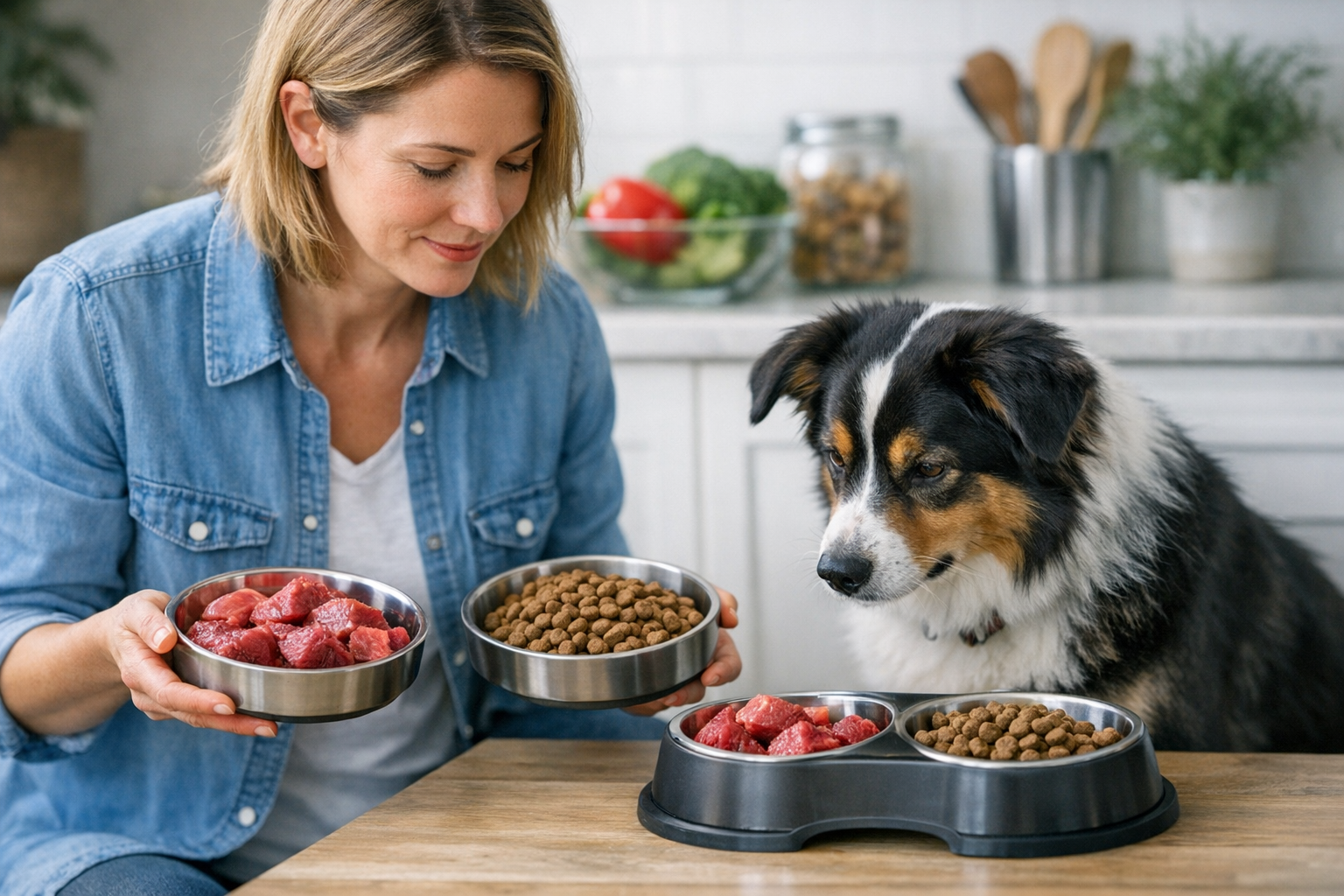
You are standing in your kitchen with a bag of premium kibble in one hand and a package of fresh beef or chicken in the other. Your dog is at your feet, watching every move with intense focus. You might be wondering if adding a bit of raw protein to that dry food will give them a nutritional boost or a shinier coat. It is a common question we hear at BaxterBoo from pet parents who want the convenience of kibble but the benefits of a raw diet, and our freeze-dried pet food hub is a great place to start exploring safer topper options. This practice is often called "mixed feeding" or "topping." This article explores whether you can safely combine these two feeding styles. We will look at the digestive science, the potential risks of bacteria, and how to maintain a balanced nutritional profile. Our goal is to help you decide if a mixed bowl is the right choice for your dog.
Quick Answer: Yes, you can feed your dog raw meat and dry food together. Most healthy dogs can handle the combination. However, you must follow strict hygiene rules and ensure the total diet remains nutritionally balanced to avoid health issues.
The Logic Behind Mixing Raw and Dry Food
Many dog owners choose to mix raw meat with dry kibble to provide a "best of both worlds" approach. Kibble is shelf-stable, affordable, and scientifically formulated to be complete and balanced. Raw meat provides highly bioavailable protein, natural enzymes, and moisture that processed foods might lack, which is why our dog food category includes so many options for different feeding styles.
When you add raw meat to a bowl of dry food, you are essentially increasing the nutrient density of the meal. Proponents of this method often report seeing improvements in energy levels and skin health. They also note that even the pickiest eaters are more excited about mealtime. It is a practical way to introduce the benefits of raw feeding without committing to a 100 percent raw lifestyle, which can be expensive and time-consuming.
Key Takeaway: Mixing raw and dry food allows owners to provide fresh nutrients while maintaining the convenience and baseline balance of a high-quality kibble.
Addressing the Digestive Rate Myth
A common concern in the pet parent community is the idea that raw meat and kibble digest at different speeds. The theory suggests that kibble takes longer to break down because of its starch content. Some believe that if raw meat is held up in the digestive tract by the slower-moving kibble, it could lead to bacterial overgrowth or gas.
However, most veterinarians and animal nutritionists agree that a healthy dog's stomach is designed to handle complex loads. In the wild, canines eat a variety of items at once, including meat, bone, and scavenged plant matter. Their stomachs are highly acidic. This environment is built to break down different types of proteins and fats simultaneously. While some dogs with very sensitive stomachs might experience gas when you change their food, the "different digestion rates" theory is not widely supported by clinical evidence.
Signs of Digestive Sensitivity
Even if the science says it is possible, every dog is an individual. If you begin mixing foods, watch for these signs:
- Loose stools or diarrhea
- Excessive flatulence
- Gurgling stomach sounds
- Lethargy after eating
- Refusal to finish the meal
Vet Tip: If your dog has a history of chronic pancreatitis or inflammatory bowel disease, consult your veterinarian before adding raw meat to their diet. Our pet pharmacy offers prescription diets and medications if your dog requires specialized digestive support.
The Importance of Nutritional Balance
One of the biggest risks of adding raw meat to dry food is upsetting the nutritional balance. Commercial dry foods are formulated to meet AAFCO standards for a complete and balanced diet. This means they have the exact ratio of vitamins, minerals, and fatty acids your dog needs.
Raw meat is high in protein and phosphorus but very low in calcium. If you add too much plain meat to a balanced kibble, you dilute the calcium and other essential nutrients. Over time, this can lead to skeletal issues or mineral deficiencies. This is especially dangerous for large-breed puppies, who need precise mineral levels for proper bone growth.
The 10 Percent Rule
To keep your dog safe, follow the 10 percent rule. Most nutritionists recommend that "toppers" or treats should not make up more than 10 percent of your dog's daily caloric intake.
- Calculate your dog's total daily calorie needs.
- Ensure 90 percent of those calories come from a balanced dry food.
- The remaining 10 percent can be raw meat or other fresh additions.
If you want to feed more than 10 percent raw meat, you must ensure the meat portion is also "complete and balanced." You can do this by using commercial raw diets instead of just plain grocery store meat.
Safety and Hygiene in the Kitchen
The primary concern with raw meat is the presence of pathogens like Salmonella, E. coli, and Listeria. These bacteria can make your dog sick, but they pose an even greater risk to the humans in your household. Dogs have shorter, more acidic digestive tracts that can often pass these bacteria without issue. Humans do not.
When you mix raw meat with kibble, the dry food can become contaminated. Unlike a bowl of pure raw meat that you might wash immediately, kibble is porous. If your dog leaves any food behind, the bacteria can grow rapidly at room temperature.
Safe Handling Protocols
- Wash your hands with soap and warm water for 20 seconds before and after handling meat.
- Use stainless steel or ceramic bowls, as plastic can develop tiny scratches that harbor bacteria.
- Disinfect all countertops and utensils that touch the raw meat.
- Never leave a mixed bowl sitting out for more than 20 minutes.
- Store raw meat in a sealed container on the bottom shelf of your refrigerator to prevent drips.
Bottom line: Hygiene is the most critical factor when mixing raw meat and dry food to prevent the spread of foodborne illness to your family.
Choosing the Right Raw Components
Not all raw meat is created equal. If you are going to mix it with kibble, you have several options. Each has its own benefits and levels of convenience. At BaxterBoo, we carry a variety of brands that offer different formats of raw nutrition to suit your lifestyle.
Grocery Store Meat
This is the most common choice for owners. Plain, unseasoned ground beef, turkey, or chicken can be an easy addition. However, supermarket meat is intended to be cooked. It may have higher bacterial loads than meat specifically processed for raw pet consumption. Always choose lean cuts to avoid the risk of pancreatitis.
Commercial Frozen Raw
Brands like Stella & Chewy's products offer frozen patties or morsels. These are often "complete and balanced," meaning they include organ meats, bone, and minerals. Using these as a topper is much safer than using plain muscle meat because you aren't diluting your dog's nutrition.
Freeze-Dried Raw
This is arguably the best option for mixing with dry food. Freeze-dried raw food has the moisture removed but retains the nutrients and enzymes. It is shelf-stable and much easier to handle than wet, raw meat. You can crumble it right over the kibble. It provides the flavor and benefit of raw without the mess of thawing meat every day.
Dehydrated Raw
Brands like The Honest Kitchen products offer dehydrated options. These are usually mixed with warm water to create a "stew." You can pour this over dry kibble to add hydration and fresh protein. It is a great middle ground for owners who are nervous about handling fully raw meat.
Understanding the Role of High-Pressure Processing (HPP)
Many commercial raw brands use High-Pressure Processing to make their food safer. This process subjects the food to intense pressure to kill harmful bacteria without using heat. This preserves the enzymes and vitamins that make raw food attractive to pet owners. If you are worried about Salmonella but want the benefits of raw meat, look for products that specify they use HPP.
Key Takeaway: Commercial raw toppers are generally safer and more nutritionally sound than adding plain grocery store meat to a kibble bowl.
Step-by-Step Transition to Mixed Feeding
If you decide to start adding raw meat to your dog's dry food, do not do it all at once. A sudden change can lead to a messy cleanup. Follow this gradual process to help your dog's gut adapt, and if you want another feeding primer, our blog post on how much dry food to feed a dog is a useful companion read.
Step 1: Choose your protein. / Start with a lean, simple protein like turkey or chicken. Avoid fatty meats like pork or lamb for the first week.
Step 2: Introduce a tiny amount. / Add just a teaspoon of raw meat or one crumbled freeze-dried morsel to their regular kibble. Do this for two or three days.
Step 3: Monitor the output. / Check your dog's stool. If it remains firm, you can slightly increase the amount of raw meat.
Step 4: Reduce the kibble. / As you add more raw meat, remember the 10 percent rule. If the raw portion is significant, you must reduce the amount of dry food to prevent weight gain.
Step 5: Establish a routine. / Consistency is key for digestive health. Try to feed the same ratio of raw to dry food at the same times every day.
Potential Health Benefits and Risks
Every dietary choice involves a trade-off. While many dogs thrive on a mix of raw and dry food, you should be aware of the potential outcomes.
Possible Benefits
- Improved Palatability: This is excellent for senior dogs or those with a low appetite.
- Better Hydration: Raw meat has high water content, which supports kidney function.
- Healthier Skin: Fresh fats can lead to a softer, glossier coat.
- Smaller Stools: Highly digestible proteins often result in less waste.
Potential Risks
- Bacterial Infection: As discussed, this is a risk for the dog and the owner.
- Nutritional Imbalance: If the raw portion is too high, it can lead to long-term health issues.
- Choking or Blockages: If the raw meat includes bones, there is a risk of dental fractures or intestinal tears. Never feed cooked bones, but even raw bones require careful supervision.
- Cost: High-quality raw proteins are significantly more expensive than kibble.
Vet Tip: Always supervise your dog when they are eating raw meat that contains bone. If you notice any straining during bowel movements or vomiting, contact your veterinarian immediately.
When to Avoid Mixing Raw and Dry Food
Mixed feeding is not suitable for every dog. In some cases, it is safer to stick to a high-quality dry food alone.
- Puppies: Their nutritional needs are too precise to risk an imbalance. Stick to a balanced puppy kibble or a fully balanced commercial raw diet.
- Dogs with Compromised Immune Systems: If your dog is undergoing chemotherapy or has a chronic illness, the risk of bacterial infection is too high.
- Immuno-compromised Humans: If someone in your home is pregnant, very young, or has a weakened immune system, avoid raw meat in the kitchen.
- Dogs on Prescription Diets: If your vet has prescribed a specific food for kidney, liver, or urinary issues, adding raw meat could negate the benefits of that medical diet.
Our pet pharmacy provides a wide range of prescription diets if your dog is on a therapeutic plan for a condition like kidney disease. It is vital to talk to your vet before adding any toppers.
Practical Tips for Busy Owners
We know that managing a raw diet can feel like a part-time job. If you want to feed raw meat and dry food but have a busy schedule, consider these tips.
- Pre-portion your raw meat into silicone molds and freeze them. You can pop one out and thaw it in the fridge the night before.
- Use a high-quality freeze-dried topper. These offer the same benefits but are as easy to use as kibble.
- Sign up for Autoship. This ensures you never run out of your base kibble, and you can save money on your recurring orders.
- Join the MVP Rewards programme. You can earn points on both your dry food and your raw treats, which helps manage the cost of a premium diet.
Bottom line: Consistency and preparation make mixed feeding a sustainable choice for your household.
Conclusion
Feeding your dog a mix of raw meat and dry food is a viable way to enhance their nutrition. It offers the benefits of fresh enzymes and high-quality protein while keeping the convenience of kibble. Most dogs handle the combination well without digestive distress. However, the responsibility lies with you to ensure the meals are handled safely and balanced correctly. Remember to keep raw additions to under 10 percent of the diet unless you are using a complete commercial raw product.
- Follow strict kitchen hygiene.
- Monitor your dog's digestion and weight.
- Use commercial raw toppers for better balance.
- Consult your vet before starting if your dog has health issues.
For the best selection of premium kibble and high-quality raw toppers, visit us at BaxterBoo. Whether you need freeze-dried morsels from Stella & Chewy's or a new stainless steel bowl for safe feeding, we have the expert-curated gear to support your dog's health, and our freeze-dried dog food article has more ideas for easy toppers.
FAQ
Is it okay to mix raw meat and kibble in the same bowl?
Yes, you can mix them in the same bowl. Most healthy dogs can digest both simultaneously without any issues. Just ensure that you do not leave the bowl sitting out for long periods. Any uneaten food should be discarded quickly to prevent bacteria from growing on the kibble.
Can mixing raw and dry food cause diarrhea?
It can if the transition is too fast. A dog's digestive system needs time to adjust to new proteins and the enzymes found in raw meat. Start with a very small amount and gradually increase it over a week. If diarrhea persists, stop the raw food and talk to your veterinarian about your dog's gut health.
What is the best raw meat to add to dry dog food?
Lean proteins like turkey, chicken breast, or lean ground beef are usually the best choices. Avoid fatty meats or processed meats like bacon and sausage, which contain salts and preservatives that can harm your dog. For the safest and most balanced option, use a commercial freeze-dried or frozen raw food intended for pets.
Does raw meat have to be balanced if I only use it as a topper?
If the raw meat makes up less than 10 percent of your dog's total daily calories, it does not need to be perfectly balanced. The kibble provides the necessary baseline of vitamins and minerals. However, if the raw portion exceeds 10 percent, you must ensure the meat includes proper ratios of organ meat, bone, and minerals to avoid long-term deficiencies.






