
 Save 15% on your 1st Autoship learn more

 Email us
 Live Chat
 FAQs
FAQs





Introduction
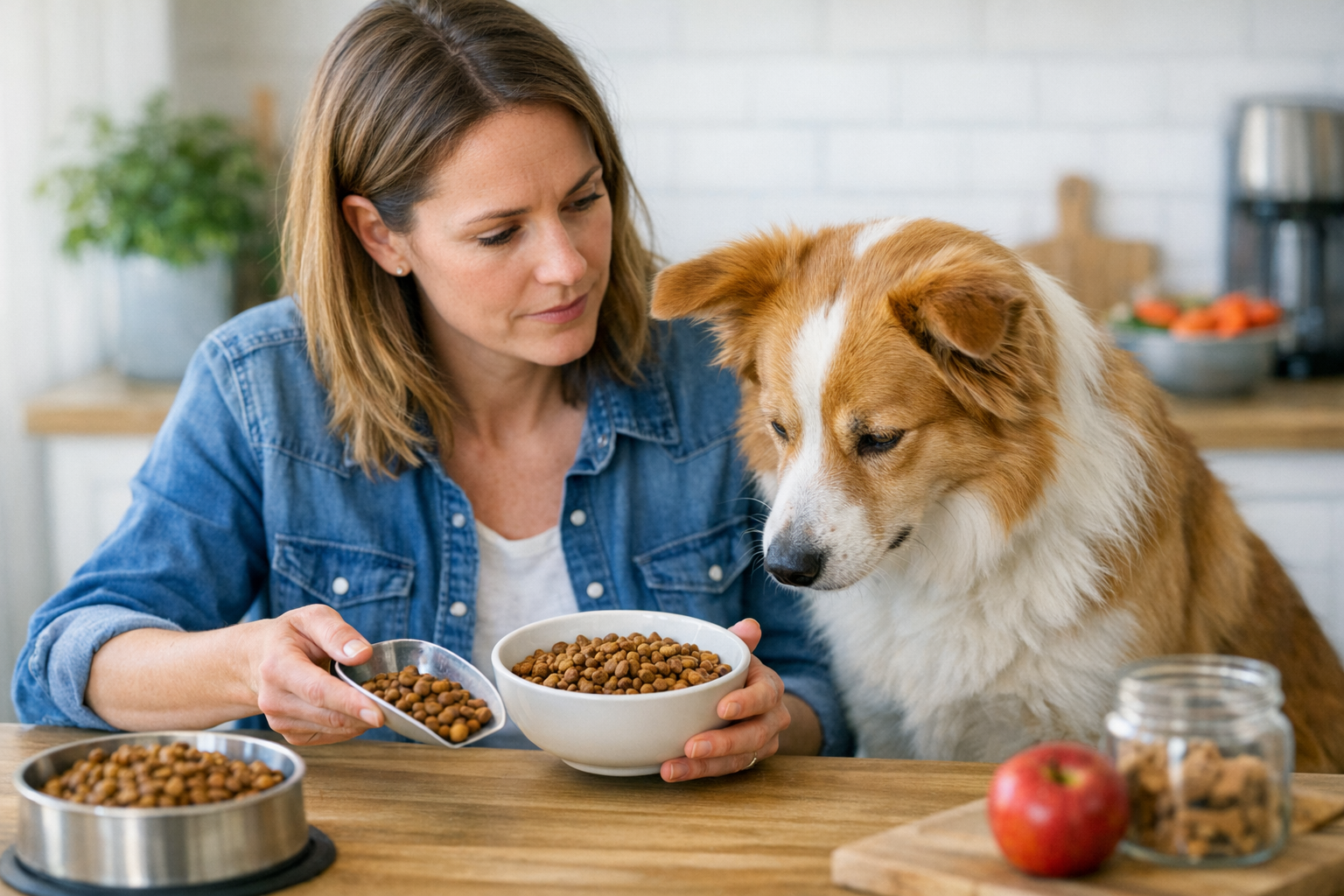
It happens in a flash. You turn your back to put the groceries away and find your dog head-first in the cat's bowl, happily crunching away on dry kibble. Many dogs seem to view cat food as a high-value prize, often ignoring their own meal to scavenge for the cat’s leftovers. At BaxterBoo, we hear from multi-pet owners all the time who wonder if this snack is a harmless habit or a health hazard. While a single stolen mouthful is rarely a cause for panic, using cat food as a regular meal replacement can lead to significant nutritional imbalances. This post covers the biological differences between dogs and cats, the health risks of feeding cat kibble to canines, and how to keep your pets in their own bowls. Dogs and cats have very different dietary requirements that must be met to ensure long-term wellness.
Quick Answer: While a small amount of cat food is not toxic to dogs, it should not be fed as a regular meal. Cat food is too high in protein and fat for dogs, which can lead to obesity, gastrointestinal upset, or serious conditions like pancreatitis.
The Biological Difference Between Dogs and Cats
To understand why cat food is not ideal for dogs, you have to look at how these animals evolved. Cats are obligate carnivores. This means their bodies are biologically designed to process animal tissue as their primary source of energy and nutrition. They require specific amino acids and vitamins that are only found in meat.
Dogs are classified as omnivores. While they certainly thrive on animal protein, their digestive systems are much more flexible. Dogs can derive nutrition from a variety of sources, including grains, fruits, and vegetables. Because their biological needs are so different, the fuel they require is balanced differently in every bag of food. If you want to compare canine options side by side, our dog food selection is a good place to start.
Nutrient Concentration
Because cats need to get everything from meat, their food is much more concentrated. It is significantly higher in protein and fat than standard dog kibble. When a dog eats this concentrated formula, they are getting a "power hit" of calories and minerals that their body is not prepared to manage daily.
Essential Amino Acids
Taurine is a great example of these specific needs. Cats cannot synthesize enough taurine on their own, so it must be added to their food to prevent heart and eye issues. Most dogs can produce their own taurine, so while it is often found in high-quality dog foods like Orijen or Acana, it is not required by law in the same way it is for cats.
Vitamin A Requirements
Dogs can turn beta-carotene from plants into Vitamin A. Cats do not have this ability. They must eat preformed Vitamin A, which is found in animal liver and fat. Cat food is formulated with much higher levels of this vitamin to compensate. If a dog eats cat food exclusively, they risk consuming too much Vitamin A over time.
Why Cat Food Can Be Risky for Dogs
The most immediate issue you might notice after a dog eats cat food is an upset stomach. The high fat content is often too rich for a dog’s digestive tract. This can result in loose stools, gas, or vomiting. However, the long-term risks are much more concerning than a messy carpet. For dogs already dealing with digestive sensitivity, our dog health category can help you find supportive options.
The Danger of Pancreatitis
The pancreas is an organ that helps digest fat. Because cat food is so dense in fat, a dog’s pancreas has to work overtime to process it. In some dogs, this can trigger pancreatitis. This is a painful condition where the pancreas becomes inflamed and begins to digest itself. It is a serious medical emergency.
Vet Tip: If your dog becomes lethargic, vomits repeatedly, or hunches their back in pain after eating fatty foods, contact your veterinarian immediately. Pancreatitis requires professional care and often a temporary transition to a prescription low-fat diet. If your vet recommends prescription support, our pet pharmacy is the place to look.
Kidney and Liver Strain
The high protein levels in cat food are not just "extra muscle builder" for dogs. Excess protein must be processed by the kidneys and excreted. For a healthy dog, a little extra protein is usually fine. However, for senior dogs or those with underlying kidney issues, the high protein and phosphorus levels in cat kibble can put dangerous strain on these organs.
Weight Gain and Obesity
Most dogs find cat food delicious because fat tastes good. If a dog is allowed to snack on cat food regularly, the calorie surplus will quickly lead to weight gain. Obesity in dogs is linked to joint pain, diabetes, and a shorter lifespan. Keeping your dog at an ideal weight is one of the best things you can do for their health.
Nutritional Requirements Comparison
The Association of American Feed Control Officials (AAFCO) sets the standards for pet food nutrition in the United States. Looking at the minimum requirements for adult maintenance shows exactly why these foods are not interchangeable.
| Nutrient | Adult Dog Minimum | Adult Cat Minimum |
|---|---|---|
| Crude Protein | 18% | 26% |
| Crude Fat | 5.5% | 9% |
| Vitamin A | 5,000 IU/kg | 3,332 IU/kg |
| Taurine | Not Required | 0.1% (Dry) |
| Arachidonic Acid | Not Required | 0.02% |
Key Takeaway: Cat food is designed for a predator with high protein needs, while dog food is balanced for an omnivore. Feeding the wrong one creates a surplus of some nutrients and a deficiency in others.
Why Does My Dog Want the Cat's Food?
If cat food is potentially bad for them, why do dogs act like it is a five-star meal? The answer is simple: palatability. Pet food manufacturers know that cats are notoriously picky eaters. To make cat kibble appealing, it is often coated in animal fats and flavor enhancers that smell very strong.
To a dog, the smell of cat food is much more enticing than their own kibble. It smells like pure meat and fat. Dogs are opportunistic scavengers by nature. In their minds, if a food source is available and smells high in fat, it is a high-priority target.
Another reason might be boredom. If your dog has been eating the same flavor of kibble for years, the new scent of the cat's fish-based or poultry-heavy food is an exciting change. This does not mean they need cat food. It might just mean they would appreciate a bit more variety in their own diet, such as adding a healthy topper or rotating through different flavors of a high-quality brand like Stella & Chewy's. If you’re looking for ideas on keeping mealtime fresh without overdoing it, our blog on discounted dog food is a helpful read.
How to Manage a Multi-Pet Household
Keeping the peace during mealtime is the best way to prevent your dog from raiding the cat's bowl. If you have a dog who is obsessed with the cat’s dinner, you need a strategy that relies on physical barriers rather than just training.
Use Elevated Feeding Stations
Cats are natural climbers. Dogs, for the most part, stay on the ground. By moving your cat’s food bowl to a sturdy counter, a high cat tree, or a dedicated feeding shelf, you can keep it out of the dog's reach. This also gives the cat a sense of security while they eat.
Separate Feeding Rooms
If your dog is a "vacuum" that finishes their meal in thirty seconds, they will immediately look for the next available bowl. Try feeding your pets in completely different rooms. Close the door or use a baby gate to keep the dog away until the cat has finished eating.
Microchip-Activated Feeders
For households with "grazer" cats who like to snack throughout the day, a microchip feeder is an excellent investment. These bowls only open when they detect the specific microchip or collar tag of your cat. When the dog approaches, the lid stays shut. This is a very effective way to stop food theft without locking anyone in a room.
Scheduled Mealtimes
Free-feeding (leaving food out all day) is the most common way dogs end up eating too much cat food. If you switch both pets to scheduled mealtimes, you can monitor exactly how much they eat. Once the cat is done, pick up the bowl and put it in a cupboard. For more tips on keeping a food routine consistent, see our Autoship programme.
When Cat Food Might Be Used Temporarily
There are rare instances where a veterinarian might suggest a small amount of cat food for a dog. This is usually reserved for dogs who are suffering from a severe lack of appetite due to illness or cancer. Because cat food is so smelly and tasty, it can sometimes jump-start a dog’s desire to eat.
However, this is a short-term tactic used under professional supervision. It is not a long-term solution. If your dog is refusing their own food, it is important to find out why. They may have dental pain, a digestive issue, or they may simply not like the brand they are currently eating.
Vet Tip: Never use cat food as a long-term strategy for a picky dog. If your dog won't eat, consult your vet to rule out medical issues. Our pharmacy at BaxterBoo carries a variety of prescription diets and medications through our partnership with Pet's Choice that can help manage appetite and digestive health.
What to Do if Your Dog Just Ate a Bag of Cat Food
If your dog managed to break into a brand-new bag of cat kibble and ate a significant amount, your first step is to monitor them closely. A large amount of any new food can cause bloat or severe stomach upset.
Step 1: Remove Access
Immediately take the food away and secure it in a dog-proof container. Do not give them any more treats or their regular dinner for a few hours.
Step 2: Watch for Symptoms
Look for signs of distress. These include a distended (bloated) abdomen, unproductive retching, excessive drooling, or signs of pain. If you see these, call an emergency vet.
Step 3: Monitor Stool
Be prepared for some diarrhea or gas over the next 24 hours. The high fat content will likely work its way through their system quickly. You can offer a small amount of plain canned pumpkin (not pie filling) to help firm up their stool.
Step 4: Skip a Meal
If your dog's stomach is visibly upset, skipping one meal can give their digestive system time to rest. Always ensure they have plenty of fresh water to prevent dehydration if they have diarrhea.
Choosing the Right Dog Food to Curb Cravings
Sometimes dogs scavenge because their own diet is lacking. If your dog is constantly hungry or obsessed with the cat’s bowl, check the label on their food. Low-quality foods often use fillers that leave a dog feeling empty.
Switching to a high-protein, high-quality dog food can often satisfy that "meat craving" that drives them to the cat's bowl. Brands like Open Farm or Orijen provide high levels of animal-based protein while still maintaining the correct balance of vitamins and minerals for a dog's omnivorous needs.
We operate our warehouse in Vernon Hills, Illinois, as a hub for these premium brands. Whether you visit us in person or order online for home delivery, our goal is to provide options that make your dog forget the cat's bowl even exists. Using Autoship ensures you never run out of your dog’s favorite food, which prevents those late-night "emergency" feedings of whatever is left in the cat's dish.
Better Alternatives for Treats
If you want to give your dog a "special" treat that has the same high-value appeal as cat food, look for single-ingredient freeze-dried treats. Freeze-dried beef liver or salmon treats have the strong scent and rich flavor dogs love without the nutritional imbalances found in cat kibble. You can browse more safe snack ideas in our dog treats category.
You can also use small pieces of fresh, dog-safe vegetables like carrots or green beans. These provide a satisfying crunch without the high fat content that triggers pancreatitis. Keeping a variety of healthy treats on hand makes it easier to redirect your dog when they start eyeing the cat’s feeding station.
Bottom line: While cat food tastes great to dogs, the high protein and fat levels make it a dangerous long-term diet that can cause serious illness.
Conclusion
While the occasional stolen piece of cat kibble is not a reason to rush to the vet, it should never be a regular part of your dog's diet. The biological needs of cats and dogs are simply too different for one food to serve both safely. By using physical barriers like elevated bowls or microchip feeders, you can protect your dog from the risks of pancreatitis and obesity. If your dog has already developed a sensitive stomach or other health issues from sneaking cat food, our pet pharmacy carries the prescription diets and medications you might need. We are here to help you navigate these multi-pet challenges with expert advice and the right gear. To keep your dog's nutrition on the right track, consider setting up our Autoship programme for their favorite high-quality dog food so you always have the right fuel on hand. You can also stay on top of your savings with the MVP Rewards programme, and if you want a quick refresher on recurring orders, our blog on Autoship is worth a look.
FAQ
Can cat food kill a dog?
It is very unlikely that a single instance of eating cat food will be fatal. However, cat food can trigger a severe case of pancreatitis, which is a life-threatening emergency. Long-term consumption can also lead to kidney damage or severe obesity, which significantly shortens a dog's life.
Is wet cat food worse for dogs than dry cat food?
Both wet and dry cat foods are formulated for a cat's nutritional needs and are too high in fat and protein for dogs. Wet cat food is often even more palatable and "smelly" than dry kibble, which might make a dog even more obsessed with stealing it. Both should be kept out of your dog's reach.
Can I use cat food as a training treat for my dog?
It is not recommended. While the small size and strong smell make it tempting to use as a treat, there are many dog-specific training treats that offer the same benefits without the risk of causing digestive upset. It is better to use high-quality, single-ingredient dog treats.
Why does my dog have diarrhea after eating cat food?
Cat food is much higher in fat than dog food. A dog's digestive system is often sensitive to sudden increases in fat, which leads to inflammation in the intestines and rapid transit of food. This results in the loose stools or diarrhea often seen after a dog raids the cat's bowl.






