
 Save 15% on your 1st Autoship learn more

 Email us
 Live Chat
 FAQs
FAQs





Introduction
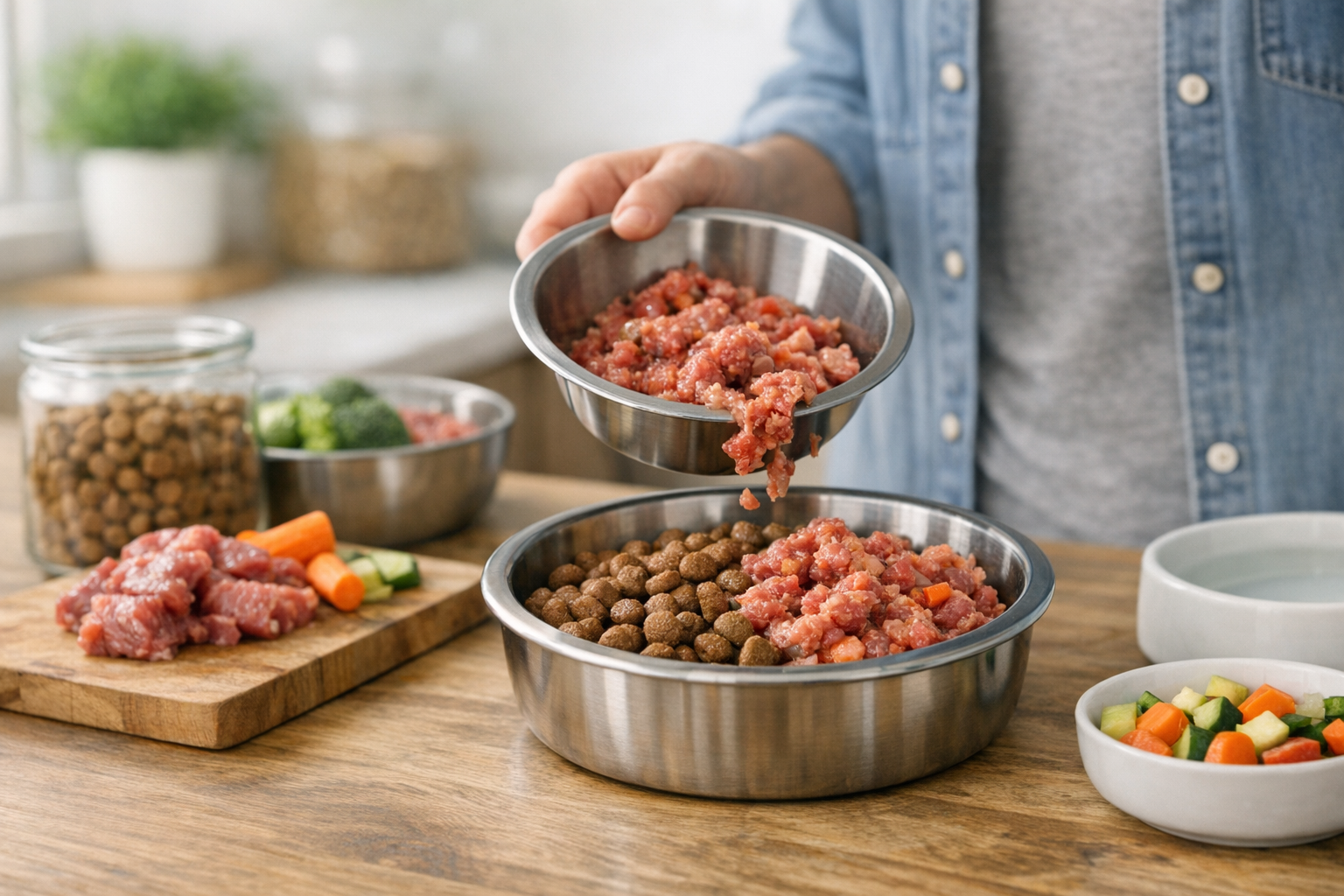
You might be standing in your kitchen, looking at a bag of high quality kibble and a package of frozen raw patties, wondering if you can combine them. Perhaps you want to give your dog the nutritional boost of fresh meat but need to stay within a specific budget. Or maybe your dog has become a picky eater and needs a little extra motivation to finish their bowl. At BaxterBoo, we hear these questions often from pet owners who want the best of both worlds. Mixing raw and dry food is a common practice that can offer significant health benefits when done correctly. This post covers the safety of mixing these diets, how to manage the transition, and how to keep your dog's digestion on track. You will learn that adding even a small amount of raw food can make a big difference in your dog's vitality.
Quick Answer: Yes, you can safely mix raw dog food with dry kibble. While they digest at different rates, most healthy dogs adapt easily to a mixed diet, which provides a nutritional boost while remaining cost-effective.
Why Pet Owners Choose a Mixed Diet
Many people start looking into raw food because they want to move away from heavily processed diets. However, jumping into a 100 percent raw diet is a big commitment. It requires more freezer space, more prep time, and a larger monthly budget. Mixing raw with kibble serves as a middle ground that fits into a busy lifestyle.
Budget is often the primary reason for a mixed approach. Raw food is packed with nutrients, but it is also more expensive per pound than dry food. By using kibble as a base and adding raw food as a topper or a partial meal, you provide fresh enzymes and amino acids without breaking the bank. It is also an excellent way to test if a raw diet agrees with your dog before making a total switch. If you are looking for more ways to save on meals, our article on discounted dog food options is a helpful next step.
Another reason is convenience. If you travel with your dog, bringing bags of frozen raw meat is difficult. Having a dog that is used to both raw and kibble makes life easier. You can lean more on kibble during trips and return to a higher raw percentage when you are home. This flexibility reduces stress for both you and your pet.
The Science of Digestion and pH Levels
A common concern in the pet world is the idea that raw and kibble should never touch. The theory suggests that kibble takes much longer to digest because of the starch content. Some believe this causes the raw meat to sit in the gut too long, leading to bacterial overgrowth. However, the canine digestive system is remarkably resilient and designed to handle various food types.
The real factor to consider is the pH of your dog's stomach. A dog on a strictly raw diet usually has a very acidic stomach with a pH of around 1 or 2. This high acidity helps break down raw bone and kills off harmful bacteria like Salmonella. Kibble is high in starch, which can raise the pH level, making the stomach slightly more alkaline.
When the stomach becomes less acidic, it might not process raw bone as efficiently. This is why we suggest being careful with raw meaty bones if you are mixing in a lot of kibble. If the stomach acid is not strong enough, those bones might not soften properly. For a mixed diet, stick to boneless raw meats or commercially prepared raw grinds where the bone is finely ground.
Key Takeaway: Dogs have evolved to handle variety. While starch in kibble can change gut pH, most healthy dogs can process a mix of raw and dry food without any significant digestive issues.
Methods for Mixing Raw and Dry Food
There is no single correct way to serve a mixed diet. The best method depends on your dog's sensitivity and your daily schedule. You can experiment with these three common approaches to see what works best.
The Topper Method
This is the easiest way to start. You simply reduce the amount of kibble by a small percentage and add a bit of raw food on top. This is great for picky eaters. The scent of the raw meat often encourages dogs to eat their entire meal. You can use freeze dried raw nibbles or a small scoop of frozen raw food that has been thawed.
The Alternating Meal Method
Some owners prefer to keep the food types separate. You might feed a scoop of dry food in the morning when you are rushing out the door. In the evening, when you have more time to handle raw meat and clean the bowls, you serve a full raw meal. This allows the stomach to focus on one food type at a time, which can be helpful for dogs with slightly sensitive tummies.
The 50/50 Split
This involves mixing equal parts of raw and dry food in the same bowl. This is a popular choice for those who want to provide a consistent nutritional profile at every meal. If you choose this path, ensure you are calculating the calories correctly. Raw food is often more calorie-dense than kibble, so you cannot just add it on top of a full portion of dry food without causing weight gain.
How to Calculate the Right Ratios
When you mix diets, you must be mindful of nutritional balance. If the raw portion of the meal makes up less than 20 percent of the total diet, you do not need to worry as much about the exact balance of vitamins and minerals in the raw part. The kibble is already formulated to be "complete and balanced," providing the essential nutrients your dog needs.
However, if you move past that 20 percent mark, the raw portion needs to be balanced too. You cannot just add plain chicken breast to kibble for half of the diet, as your dog will eventually miss out on minerals like calcium and phosphorus.
- Step 1: Determine the total daily calories your dog needs based on their weight and activity level.
- Step 2: If you want to add 25 percent raw food, reduce the kibble portion by 25 percent.
- Step 3: Use a commercially prepared raw food that is labeled as "complete and balanced" to ensure your dog gets the right ratio of organ meat and bone.
- Step 4: Watch your dog's body condition. If they start gaining weight, trim back the portions slightly.
Vet Tip: If your dog has a history of pancreatitis or kidney disease, consult your veterinarian before adding raw meat to their diet. High protein or high fat additions can complicate certain health conditions. Our pet pharmacy is a good place to explore prescription options and support products when your dog needs a more specific feeding plan.
Choosing the Best Ingredients for the Mix
Not all raw food is created equal. If you are shopping at the grocery store to add fresh items to the bowl, you should focus on ingredients that offer the most bang for your buck. Organ meats are nature's multivitamins. Adding a small amount of beef liver or chicken heart provides essential taurine and B vitamins that can be degraded during the high heat processing of kibble.
Lean muscle meats like turkey, beef, or venison are excellent additions. If you use grocery store meat, make sure it has not been "enhanced" with sodium or seasonings. Some chicken is injected with a salt solution that can be too much for a dog's system. Always look for plain, unseasoned options.
Raw eggs are another fantastic and affordable way to boost a dry diet. They are a complete protein source and contain biotin, which supports skin and coat health. You can crack a raw egg right over the kibble once or twice a week. If you are worried about Salmonella, remember that a healthy dog's digestive tract is much shorter and more acidic than a human's, making them much less susceptible to foodborne illness.
Safe Handling and Hygiene
Handling raw meat requires a bit more care than pouring dry pebbles into a bowl. Even though your dog's stomach can handle the bacteria, the humans in your house cannot. You should treat your dog's raw food with the same respect you give to a raw steak you are preparing for yourself.
Always wash your hands with warm, soapy water after touching raw dog food. Use stainless steel or ceramic bowls rather than plastic. Plastic bowls can develop tiny scratches over time where bacteria can hide, even after washing. We recommend cleaning the feeding area and the bowl immediately after the meal is finished.
If you are using frozen raw food, thaw it in the refrigerator. Never leave it out on the counter to thaw at room temperature. Most raw patties will thaw overnight in the fridge. If you forget to take it out, you can thaw it in a sealed bag under cool running water. Avoid using the microwave to thaw raw food, as it can cook the edges and destroy the beneficial enzymes you are trying to provide.
Managing the Transition Period
Switching or mixing foods too quickly is the most common cause of "tummy trouble." If you suddenly drop a big scoop of raw meat into a bowl of kibble, your dog might experience loose stools or gas. Their gut microbiome needs time to adjust to the new enzymes and protein structures.
A slow transition over 7 to 10 days is the safest approach. Start with just a spoonful of raw food mixed into the regular kibble. Every two days, you can increase the raw portion and decrease the kibble portion until you reach your target ratio. During this time, keep a close eye on their stool. It should remain firm. If it gets soft, stay at that current ratio for a few more days before increasing the raw food again. For a step-by-step comparison, see our guide to switching from dry to wet dog food.
Bottom line: A slow transition is the best way to prevent digestive upset when introducing raw ingredients.
Enhancing Digestion with Supplements
Since kibble can raise the pH of the stomach, some pet owners like to add supplements to help the digestive process along. Probiotics are a great choice. They add "friendly" bacteria to the gut, which helps crowd out any harmful pathogens that might come in with raw meat. Many raw diets already contain some probiotics, but adding a dedicated supplement can provide extra support during the transition.
Organic apple cider vinegar is another old school trick used by raw feeders. Adding a small teaspoon to the water or food can help lower the pH of the stomach, making it more acidic. This supports the breakdown of proteins and minerals. It also acts as a natural prebiotic to feed the good bacteria in the gut.
If your dog has a particularly sensitive stomach, you might consider digestive enzymes. These help the body break down starches and proteins more efficiently. If you notice your dog is gassy after eating their mixed meal, enzymes might be the missing piece of the puzzle. For extra support, our dog food supplement selection is worth a look.
The Role of Moisture in the Bowl
One of the biggest downsides of a strictly dry diet is the lack of moisture. Kibble usually contains about 10 percent moisture, whereas a natural raw diet is closer to 70 percent. Dogs on dry food often live in a state of mild dehydration, which puts extra strain on the kidneys over time.
Adding raw food naturally increases the hydration level of the meal. You can take this a step further by adding a bit of bone broth or plain water to the kibble. This softens the dry bits and makes the raw additions easier to mix in. Just make sure any bone broth you use is specifically made for pets. Grocery store bone broth often contains onions and high levels of salt, which are dangerous for dogs. If you want an easy way to dress up the bowl, our food topper collection can help you build a more balanced meal.
Common Myths About Mixing Raw and Kibble
You might hear people say that mixing these foods causes "internal conflict" in the gut. The idea is that because they digest at different speeds, the kibble blocks the raw food from moving through. There is no scientific evidence to support this in healthy dogs. In the wild, canines eat various items that digest at different rates, such as meat, fur, and berries.
Another myth is that raw food makes dogs aggressive. This is completely false. Diet can affect a dog's energy levels and focus, but it does not change their fundamental temperament. In fact, many owners find that their dogs are calmer and more satisfied after a meal containing fresh, raw nutrients.
Finally, some worry that the bacteria in raw food is a danger to the community. While you should be careful with hygiene, a healthy dog is not "shedding" dangerous levels of bacteria just because they ate a raw meal. As long as you practice good hand washing and keep your yard clean, the risks are very low.
Signs Your Dog is Thriving on a Mixed Diet
Once you have successfully transitioned to a mixed diet, you will likely notice several positive changes. One of the first things people see is a change in the coat. The essential fatty acids in raw meat and eggs often lead to a shinier, softer coat and less shedding.
You will also notice a difference in the "end result." Because raw food is highly digestible, there is less waste. This means smaller, firmer stools that are easier to pick up. If you see your dog's stools becoming very hard or white, they might be getting too much bone. If they are too soft, you might need to adjust the protein source or slow down the transition.
Energy levels often stabilize as well. Kibble can cause blood sugar spikes because of the carbohydrate content. Adding raw protein and fat provides a more sustained source of energy, which can be especially helpful for senior dogs or working breeds.
- Improved skin and coat health
- Smaller, firmer stools
- Better breath and cleaner teeth
- Consistent energy levels throughout the day
When to Stick to One or the Other
While mixing is great for most, there are times when it might not be the best choice. For example, if your dog has a severely compromised immune system, your vet might recommend avoiding raw food entirely due to the bacterial risk. In those cases, a high quality cooked fresh food or a premium canned diet is a better way to add moisture and nutrients.
On the other hand, some dogs with severe grain or starch allergies might never do well on kibble, no matter how much raw you add. For those pets, a full raw diet or a limited ingredient air-dried food might be the only way to stop the itching and digestive upset. At BaxterBoo, we carry a wide range of options like Stella & Chewy's products or Vital Essentials products that cater to these specific needs.
Vet Tip: Always monitor your pet for signs of discomfort like vomiting or lethargy after a diet change. While rare, some dogs may have an underlying condition that makes them less tolerant of raw proteins. A quick call to your vet is always the best move if you are unsure.
Final Thoughts on Mixing Diets
Mixing raw dog food with dry food is a practical, effective way to improve your pet's nutrition. It offers the enzymes and hydration of a fresh diet while keeping the convenience and affordability of kibble. Whether you are using raw food as a topper or a half-and-half mix, the key is to transition slowly and maintain good hygiene.
Every dog is an individual. What works for a neighbor's dog might not work for yours. Pay attention to your dog's cues—their energy, their coat, and their digestion—and adjust the ratios until you find the perfect balance. We have seen many pets thrive on this "hybrid" approach, and it is a great way to show your dog some extra love at mealtime.
If you are ready to start adding fresh nutrition to your dog's bowl, explore our raw dog food collection. You can also sign up for our Autoship programme to ensure you never run out of your dog's favorite kibble, saving you time and money. The MVP Rewards programme also lets you earn points on every purchase, helping you get the best value as you upgrade your dog's diet.
FAQ
Is it dangerous to mix raw and kibble because of different digestion times?
No, it is not dangerous for most healthy dogs. While kibble and raw food do digest at different rates, a dog's digestive system is designed to handle complex meals with varying ingredients. Most dogs process the mixture just fine without any gastrointestinal distress, provided the transition is done slowly over a week or more.
How much raw food should I add to my dog's kibble?
A common starting point is a 20 percent raw to 80 percent kibble ratio. At this level, you don't necessarily have to worry about the raw portion being perfectly balanced with organs and bone because the kibble provides the essential nutrients. If you want to feed a 50/50 mix, you should use a commercially prepared "complete and balanced" raw food to ensure your dog gets all the minerals they need.
Can mixing raw and dry food cause diarrhea?
It can cause loose stools if the transition happens too quickly. Because raw food contains different enzymes and bacteria than processed kibble, the gut needs time to adapt. If you notice diarrhea, slow down the transition, reduce the amount of raw food, and consider adding a probiotic to help support the gut microbiome during the change.
Do I need to add water to the kibble when mixing in raw food?
Adding water or bone broth is highly recommended. Dry kibble is very low in moisture, and adding liquid helps hydrate the food, making it easier for your dog to swallow and digest. It also helps the raw meat or toppers stick to the kibble, ensuring your dog gets a bit of everything in every bite rather than just picking out the raw pieces.






