
 Save 15% on your 1st Autoship learn more

 Email us
 Live Chat
 FAQs
FAQs





Introduction
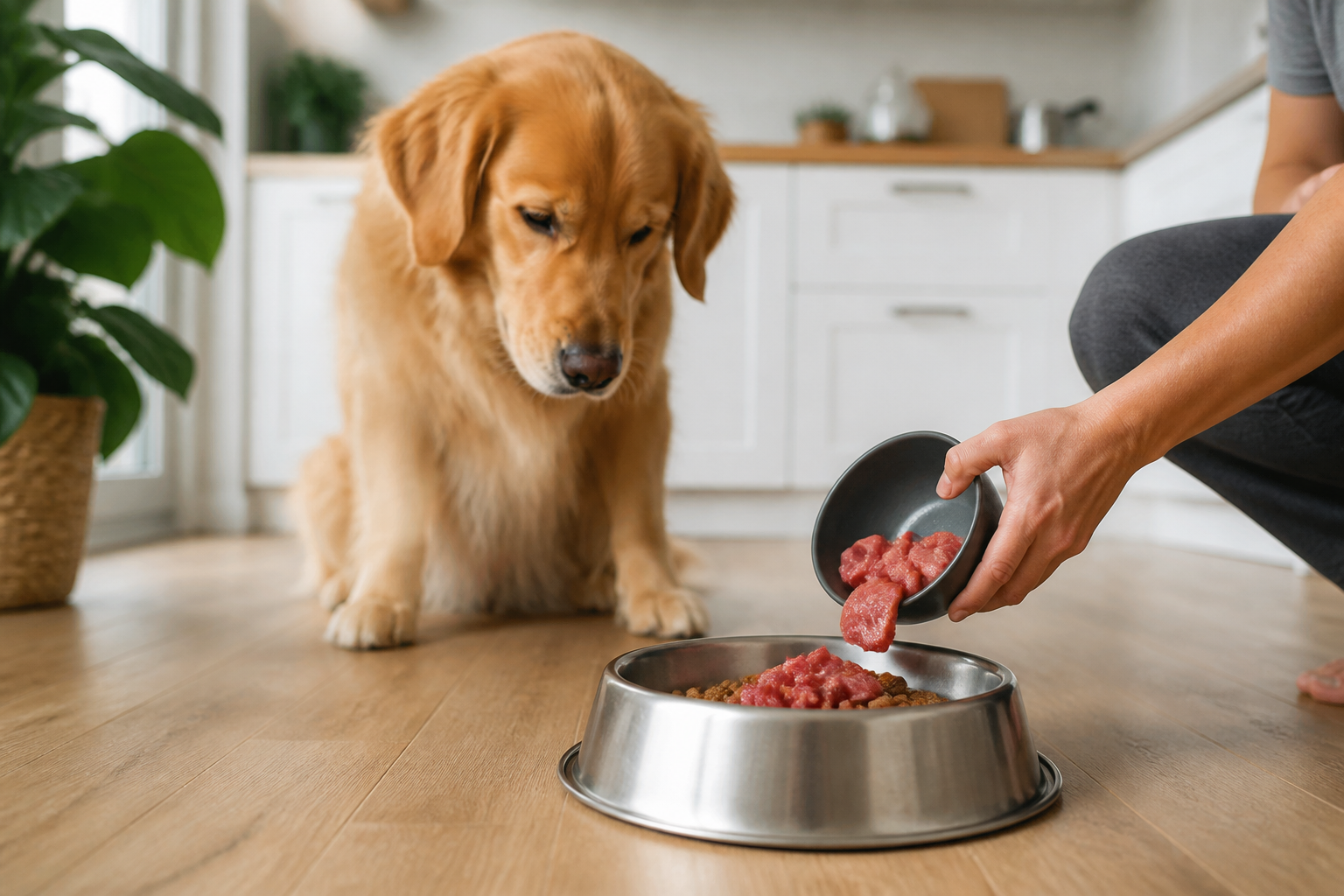
You are standing in your kitchen with a bag of high quality kibble in one hand and a package of fresh beef or chicken in the other. Perhaps you want to give your dog a nutritional boost, or maybe you are trying to make a expensive bag of raw food last longer by mixing it with dry food. Many pet owners wonder if combining these two very different types of food will cause digestive upset or if the "different digestion rates" myth is actually true.
At BaxterBoo, we hear these questions often from local owners in our Vernon Hills warehouse and from our online community. We want to help you understand the science of the canine gut and the best ways to enhance your dog's bowl. This post covers the safety of mixed feeding, how to balance nutrients, and how to support your dog’s digestion during the change. Mixing raw and dry food is generally safe and beneficial for most dogs when done with a few simple precautions.
Quick Answer: Yes, you can mix raw meat with dry dog food. Most dogs handle the combination well, provided you introduce the fresh food slowly and keep unbalanced toppers to less than 20 percent of their total daily calories.
The Benefits of Adding Raw Meat to Kibble
Feeding a strictly raw diet can be a significant commitment in terms of both time and budget. However, you do not have to go "all or nothing" to see the benefits of fresh food. Even adding a small amount of raw meat to a base of our dog food selection can improve the overall nutrient profile of the meal.
Raw meat provides highly bioavailable proteins and amino acids that sometimes lose their potency during the high heat extrusion process used to make kibble. When you add fresh muscle meat or organs, you are providing "living" nutrients and enzymes that support cellular health. This variety can also be a life saver for picky eaters who have grown bored of the same crunchy texture every day.
Another major benefit is moisture. Dry dog food typically contains only about 10 percent moisture. Dogs on a strictly dry diet often live in a state of mild dehydration, which puts extra strain on their kidneys. Adding raw meat, which is naturally high in water, helps hydrate your dog from the inside out.
Key Takeaway: Adding even 20 percent raw food to a kibble diet can improve hydration, increase protein quality, and make mealtime more exciting for picky dogs.
Understanding the Digestion Process
A common concern among pet owners is that raw food and kibble digest at different rates. Some theories suggest that kibble stays in the stomach longer because of its starch content, while raw meat moves through quickly. The worry is that the kibble will "hold up" the raw meat, potentially allowing bacteria to sit in the gut too long.
In reality, the canine digestive system is incredibly resilient and sophisticated. Dogs evolved as scavengers, meaning their bodies are designed to process a wide variety of food sources at once. Their stomachs produce specific enzymes and high levels of hydrochloric acid based on the protein and fat content of the meal.
The pH level of a dog's stomach is typically very acidic, usually around a 2.0. This high acidity serves two purposes. It breaks down dense proteins and bone, and it acts as a natural defense against pathogens like Salmonella or E. coli. While starch from kibble can slightly raise the pH, most healthy dogs adapt quickly without any issues.
How to Start Mixing Raw and Dry Food
If your dog has only ever eaten dry kibble, their gut microbiome is used to a very specific routine. A sudden jump to a 50/50 mix of raw and dry food might cause some loose stools. The key is a gradual introduction over the course of about a week.
Step 1: Start with a very small amount. / Replace about 10 percent of your dog's regular kibble with a small piece of raw meat.
Step 2: Monitor their bathroom habits. / Look for any signs of gas, bloating, or diarrhea over the next 48 hours.
Step 3: Gradually increase the ratio. / If your dog is doing well, move to 20 percent raw and 80 percent kibble.
Step 4: Find your ideal balance. / Stay at the 20 percent mark if you are using "toppers," or consult your vet if you want to move to a 50/50 split.
Vet Tip: If your dog has a history of pancreatitis, inflammatory bowel disease, or a compromised immune system, consult your veterinarian before adding raw meat to their diet. Our pharmacy carries prescription diets through our partnership with Pet's Choice if your dog requires a specific medical formula for digestion.
Safe Raw Ingredients to Add to the Bowl
Not all raw meat is created equal when it comes to nutrition. While you can certainly use plain ground beef or chicken breast, rotating different parts of the animal provides a wider range of vitamins and minerals.
Lean Muscle Meats
Muscle meat should make up the bulk of your raw additions. Lean cuts are best to avoid stomach upset from too much fat.
- Beef: Excellent source of iron and B vitamins.
- Turkey or Chicken: Great lean proteins that are usually very affordable.
- Lamb: A good option for dogs with sensitivities to more common proteins.
Nutrient Dense Organs
Organs are nature's multivitamins. They are incredibly rich but should be fed in small quantities.
- Beef Liver: High in Vitamin A and copper. It is very potent, so a piece the size of a postage stamp is often enough for medium dogs.
- Heart: Technically a muscle, but very high in taurine, which supports heart health.
- Kidney: Provides essential fatty acids and various minerals.
Seafood Options
Adding fish once or twice a week provides Omega-3 fatty acids like EPA and DHA. These fats support a shiny coat and reduce inflammation in the joints. Sardines packed in water or small pieces of raw salmon are excellent choices. If you use raw salmon, ensure it has been previously frozen to kill any potential parasites common in Pacific fish.
Managing Ratios and Calories
The most important rule for mixed feeding is the 20 percent rule. If you are adding "unbalanced" meat (meaning just plain meat from the grocery store rather than a commercially prepared raw diet), it should not make up more than 20 percent of the total meal.
Commercial kibble is formulated to be "complete and balanced," meaning it has the exact ratio of calcium, phosphorus, and vitamins your dog needs. When you add too much plain meat, you dilute those nutrients. If you want to feed more than 20 percent raw, you should use a commercially prepared raw brand like Stella and Chewy’s or Acana, which are formulated to be complete on their own.
You must also account for the calories. Raw meat is often more calorie dense than kibble. If you add half a cup of raw beef, you must remove the equivalent amount of kibble calories to prevent unwanted weight gain.
Bottom line: Keep fresh, unbalanced toppers to 20 percent or less of the total diet to maintain proper mineral balances.
Handling Raw Meat Safely
Safety is not just about your dog; it is also about the humans in your household. Raw meat can carry bacteria that, while usually harmless to a healthy dog, can make people sick.
- Wash everything: Clean your dog's bowl with hot, soapy water after every meal.
- Dedicated utensils: Use a separate cutting board and knife for your dog's raw meat.
- Storage: Keep raw meat in a sealed container on the bottom shelf of the fridge so juices do not drip onto other food.
- Transitioning bowls: Some owners prefer stainless steel or ceramic bowls for raw feeding because plastic bowls can develop tiny scratches that harbor bacteria.
Supporting the Gut During the Change
Sometimes a dog's digestive system needs a little extra help when transitioning to mixed feeding. If you notice your dog has minor gas or a "rumbling" tummy, you can use natural supplements to lower the stomach pH and aid enzyme production.
Organic apple cider vinegar is a popular tool among raw feeders. Adding a small teaspoon to the meal can help lower the pH of the gut, making it easier for the dog to process the new proteins. Probiotics are also incredibly helpful. We carry a variety of digestive supplements from brands like Zesty Paws and Honest Paws that help "crowd out" bad bacteria with beneficial strains.
If your dog is experiencing persistent digestive issues despite a slow transition, it may be time to look into specialized support. Through the BaxterBoo pharmacy, we offer access to FDA approved medications and prescription diets through our Pet's Choice partnership. This is especially helpful for dogs with chronic allergies or sensitive stomachs that need a more controlled approach to nutrition.
Using Commercial Raw Toppers
If you are nervous about handling raw meat from the grocery store or calculating nutrient ratios, commercial raw toppers are a great middle ground. Many of these products are freeze dried or air dried, which gives you the nutritional benefits of raw food with the convenience of a shelf stable product.
Brands like Stella and Chewy’s offer "Meal Mixers" that are designed specifically to be stirred into kibble. These products are already balanced with organs and bone, so you do not have to worry about the 20 percent rule as strictly. This is a great way to use our Autoship program. By setting up recurring deliveries of your favorite toppers, you can save on every order and ensure you never run out of your dog's favorite meal enhancers.
Key Takeaway: Freeze dried raw toppers provide a safer, balanced alternative for owners who want the benefits of raw without the mess of fresh meat.
Common Myths About Mixing Foods
There is a lot of conflicting information online about feeding dogs. Let's clear up some of the most frequent misunderstandings.
- Myth: You can't feed raw and kibble in the same bowl. You absolutely can. Many dogs enjoy the mix, and their bodies are capable of sorting out the different components during digestion.
- Myth: Kibble takes 12 hours to digest while raw takes 4 hours. Digestion speed depends more on the specific ingredients, fat content, and the individual dog's activity level than whether the food is raw or dry.
- Myth: Raw meat makes dogs aggressive. There is no scientific evidence that a dog's diet affects their temperament in this way. In fact, a better nourished dog is often calmer and more focused.
Signs Your Dog Is Doing Well
When you find the right balance of raw and dry food, you will likely notice several positive changes in your dog’s health.
- Smaller, firmer stools: Because raw meat is highly digestible, there is less waste.
- Shinier coat: The natural fats in fresh meat and fish provide a healthy glow.
- More energy: High quality proteins support lean muscle mass and stamina.
- Cleaner teeth: While kibble does not actually clean teeth, the enzymes in some raw meats can help break down biofilm in the mouth.
If you see these changes, you know your ratio is working. If you notice weight gain or a dull coat, you may need to adjust the calorie count or the type of protein you are using.
Checklist for Successful Mixed Feeding
To keep your routine simple and safe, follow this quick checklist every time you prepare a bowl:
- Does the raw portion stay under 20 percent of the total volume?
- Have you reduced the kibble portion to account for the new calories?
- Is the raw meat fresh and handled with clean utensils?
- Are you rotating proteins (e.g., beef this week, turkey next week)?
- Is the bowl washed immediately after the dog finishes eating?
Following these steps ensures that your dog gets the best of both worlds: the convenience and balance of kibble with the vitality of fresh, raw food.
Conclusion
Mixing raw meat with dry dog food is a practical way to improve your pet's nutrition without the high cost of a 100 percent raw diet. By starting slowly, keeping an eye on calorie counts, and following the 20 percent rule for unbalanced additions, you can safely enhance every meal. Most dogs thrive on the variety and increased moisture that fresh meat provides.
Remember to keep your transition gradual and maintain high standards of hygiene in your kitchen. If you ever have concerns about your dog’s specific nutritional needs, especially if they have a chronic health condition, always consult with your veterinarian.
Bottom line: Adding fresh meat to kibble is a great way to boost your dog's health, as long as you keep the ratios balanced and the handling clean.
To make mixed feeding even easier, consider signing up for our Autoship program. You can get your favorite high quality kibble and raw toppers delivered right to your door in Vernon Hills or anywhere else in the US, while earning MVP Rewards on every purchase. Our team at BaxterBoo is always here to help you find the right products to keep your dog's tail wagging.
FAQ
Can I mix raw chicken with dry dog food?
Yes, raw chicken is a common addition to kibble. It is a lean, affordable protein that most dogs find very palatable. Just ensure you handle it safely to prevent the spread of bacteria in your kitchen and wash your dog's bowl thoroughly after they eat.
Will mixing raw and dry food give my dog diarrhea?
A sudden change in diet can cause loose stools in any dog. If you introduce the raw meat slowly over seven to ten days, most dogs will adjust without any digestive issues. If the diarrhea persists, stop the raw additions and consult your veterinarian.
Do I need to add supplements if I mix raw meat with kibble?
If the raw portion is less than 20 percent of the total diet, your dog's kibble should still provide all the necessary vitamins and minerals. If you feed more raw than that, you should use a "complete and balanced" commercial raw food or add a specific supplement to ensure they get enough calcium and phosphorus.
Is it better to feed raw and kibble at separate meals?
Some owners prefer to feed kibble in the morning and raw in the evening, while others mix them in the same bowl. There is no evidence that one way is better for the dog's health. You should choose the method that best fits your daily schedule and your dog's preference.






