
 Save 15% on your 1st Autoship learn more

 Email us
 Live Chat
 FAQs
FAQs





Introduction
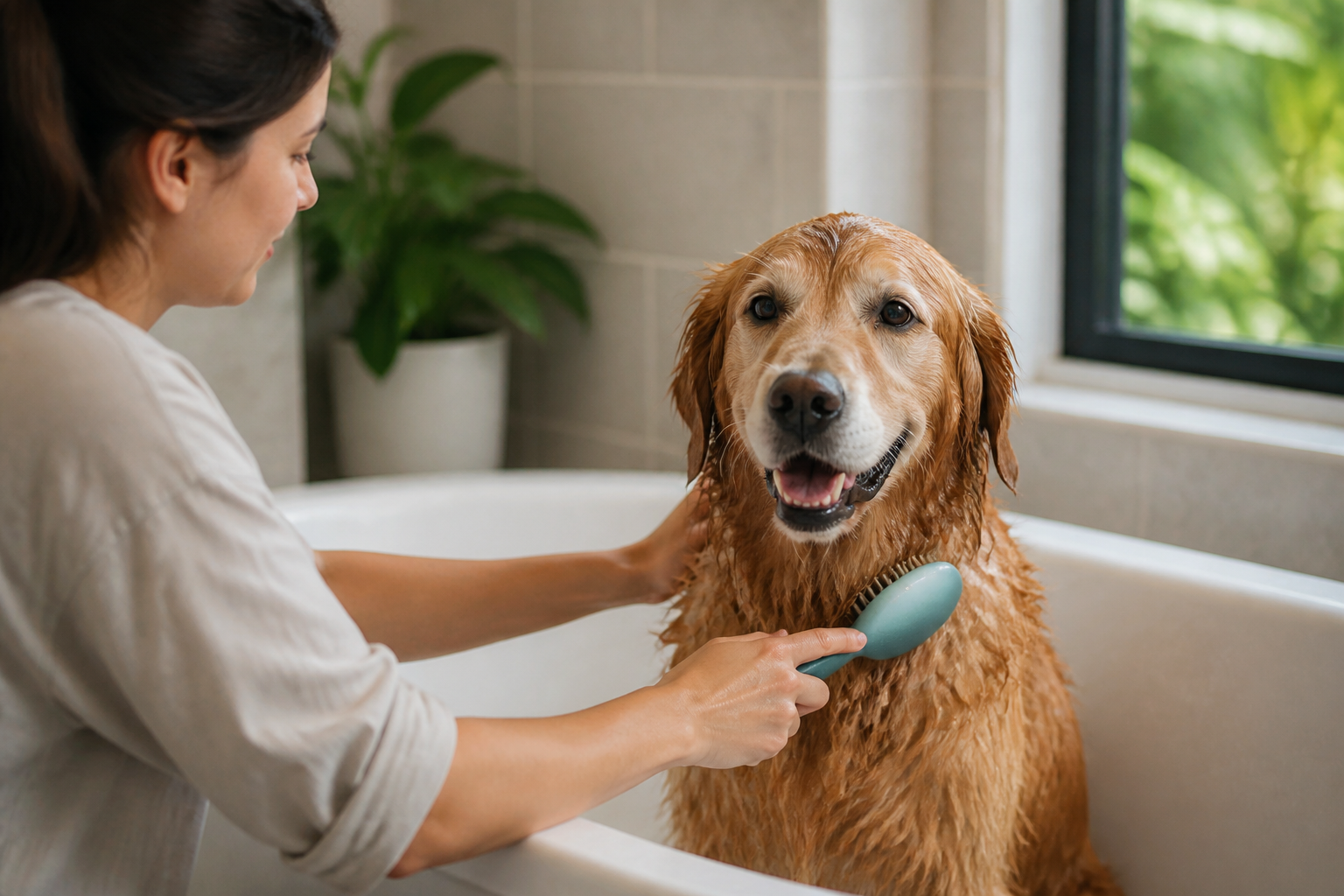
You just finished the soap and rinse cycle, and your dog is currently doing that full body shake that coats your bathroom walls in water. As you look at their damp, tangled fur, you might wonder if you can reach for your own favorite detangling tool. Specifically, many owners ask if they can use a Wet Brush on their dog to work through those post-bath clumps. At BaxterBoo, we spend a lot of time helping pet parents navigate the massive world of grooming gear and skin care. While the short answer is yes, there are some very important rules to follow to ensure you do not break the hair or hurt your dog's skin. This guide covers the science of wet hair, the best tools for the job, and how to maintain a healthy coat without causing damage. Understanding how moisture affects different coat types is the first step toward a stress-free grooming routine.
Quick Answer: You can use a wet brush on your dog, but it is best to do so only when the coat is saturated with conditioner or a detangling spray. Dog hair is more elastic and prone to breakage when wet, so you must use a gentle touch and the right tools to avoid damage.
The Science of Wet Hair and Elasticity
To understand why wet brushing is such a debated topic, we have to look at the structure of a dog's hair. Every strand is made of keratin proteins held together by different types of bonds. These include disulfide bonds, salt bonds, and hydrogen bonds. Hydrogen bonds are the ones that react most significantly to water. When your dog’s coat gets wet, the water molecules break these hydrogen bonds. This makes the hair much more elastic than it is when dry.
While elasticity sounds like a good thing, it actually makes the hair more fragile. A wet hair strand can stretch significantly further than a dry one, but it is also much closer to its breaking point. If you pull too hard with a brush while the hair is in this stretched state, you risk snapping the hair or damaging the outer cuticle. This is why many professional groomers are cautious about brushing a wet dog.
There is also the issue of the cuticle. The cuticle is the outer layer of the hair shaft that looks like shingles on a roof. When hair is wet, these "shingles" swell and lift. This creates more friction between individual hairs, which is why tangles often seem to get tighter and harder to manage as soon as the water hits them. If you use a standard human brush on a wet dog without any lubrication, those lifted cuticles will catch on each other, leading to more knots and potential skin irritation.
When to Reach for the Brush
Wet brushing is not a one-size-fits-all solution. There are specific moments during the grooming process where it is helpful and other times when it is actually harmful. Generally, you should never brush a dog that is dripping wet and "naked," meaning they have no product in their fur.
The best time to use a wet brush is during the conditioning phase of the bath. When you apply a high-quality conditioner, it fills in the gaps in the hair cuticle and provides "slip." This slip allows the brush to glide through the hair without catching or pulling. At our warehouse in Vernon Hills, we see many owners who swear by this method for keeping long-haired breeds looking their best. Our dog shampoo and conditioner collection includes products designed for bath-time coat care.
Another appropriate time is after a light towel dry. You want the coat to be damp rather than soaking. If you can squeeze water out of the hair, it is too wet to brush safely. Once the excess moisture is gone and you have applied a leave-in treatment or detangling spray, you can begin to work through the coat. A dog grooming collection can help you assemble the supplies for this routine.
The Dangers of Brushing Dry Matts
One of the biggest mistakes you can make is trying to brush out a heavily matted dog while they are wet. Water acts like a glue for existing mats. When a tight knot gets wet, the hair fibers swell and the knot tightens even further. If you try to brush these out during or after a bath, you will likely cause your dog a lot of pain and may even cause brush burn on the skin. Always do a thorough dry brush before the bath to remove any major tangles.
Key Takeaway: Always address heavy matting while the coat is dry before the bath. Wet brushing should be reserved for distributing conditioner or detangling lightly damp, well-lubricated hair.
For additional bath preparation guidance, see these dos and don'ts for bathing your dog.
Choosing the Right Tool for the Job
Not all brushes are created equal. If you are going to use a brush on wet hair, you need something specifically designed for that purpose. A standard slicker brush with sharp metal pins is often too aggressive for wet, vulnerable hair. Instead, look for a pin brush with rounded, polished tips.
A human Wet Brush is actually a popular choice among many dog owners because of the flexible bristles. These bristles are designed to give way when they meet resistance rather than pulling through the hair. This "give" is what protects the hair shaft from snapping. However, you must ensure the pins are long enough to reach through your dog's specific coat type. If the pins only brush the top layer, you are leaving the undercoat to tangle and mat near the skin.
We carry a variety of professional-grade pin brushes in our dog brushes, combs, and clippers collection, designed for different coat lengths. A brush with extra-fine, rounded pins will provide a pleasant sensation on the dog's skin, which can help make the grooming process more enjoyable for them. It also helps to stimulate blood flow to the skin, which supports healthy hair growth.
Checklist for a Good Wet Brush
- Flexible bristles that bend with resistance.
- Rounded or "balled" tips to protect the skin.
- A comfortable, non-slip handle for use in the tub.
- Pin length appropriate for your dog's coat depth.
- Easy to clean and dry to prevent mold or bacteria growth.
How Coat Type Changes the Rules
The "can I" part of the question depends heavily on what kind of dog you have. Some coats thrive with wet brushing, while others should almost always be handled dry.
Curly and Wavy Coats
Dogs like Poodles, Doodles, and Bichon Frises often benefit from wet brushing. If you wait until their hair is dry to brush it, the coat can become extremely frizzy and lose its natural curl pattern. Brushing while damp and conditioned helps to define the curls and ensures that the hair stays organized as it dries. For these breeds, wet brushing is often a necessity for a "salon-look" finish.
Double-Coated Breeds
Huskies, Shepherds, and Golden Retrievers have a dense undercoat. You should be very careful with wet brushing here. The thick undercoat can trap moisture against the skin for a long time. If you brush the top layer while wet but don't properly dry the undercoat, you might inadvertently create a damp environment that leads to "hot spots" or fungal infections. For these dogs, it is usually better to do the heavy deshedding while the coat is dry or after it has been fully blown out with a high-velocity dryer.
For more coat-care ideas, read about how regular brushing supports shedding management.
Silky Coats
Yorkies and Maltese have hair that is very similar to human hair. Because it lacks a thick undercoat, it is much easier to manage while damp. Use a light detangling spray and a fine pin brush to keep these silky strands from snapping.
Wire-Coated Breeds
Terriers with wire coats generally should not be wet brushed. Their hair is meant to be stiff and coarse. Frequent washing and wet brushing can soften the texture, which isn't ideal for the health of a wire coat.
Vet Tip: If you notice your dog has persistent skin irritation, red spots, or a "yeasty" smell after grooming, consult your veterinarian. These can be signs of trapped moisture or an underlying allergy. Our pet pharmacy for dogs carries prescription products that may be appropriate under professional guidance.
Step-by-Step Guide to Safe Wet Brushing
If you have decided that your dog’s coat type is a good candidate for wet brushing, follow these steps to prevent damage.
Step 1: Perform a pre-bath dry brush. / Remove all major tangles and mats while the hair is dry and strong. This prevents knots from tightening when they hit the water.
Step 2: Bathe with a quality shampoo. / Cleanse the coat thoroughly, making sure to reach the skin. Rinse until the water runs clear.
Step 3: Apply a generous amount of conditioner. / Use a product designed for your dog’s specific coat needs. Let it sit for a few minutes to allow the hair to absorb the moisture and for the "slip" to take effect.
Step 4: Use your wet brush in the tub. / While the conditioner is still in the hair, use your pin brush to gently work through the coat. Start at the ends of the hair and work your way up to the skin. If the brush catches, do not pull. Lift the brush and try again.
Step 5: Rinse and towel dry. / Rinse the conditioner out completely. Gently pat the dog with a towel rather than rubbing vigorously, which can cause new tangles.
Step 6: Apply a leave-in spray. / If the hair still feels a bit unruly, use a light leave-in conditioner or detangling spray before a final damp brush. A dog detangling and conditioning spray can be useful for this step.
Step 7: Dry the coat thoroughly. / Use a blow dryer on a cool or low-heat setting. Brushing while drying helps to straighten the hair and prevents it from curling back into knots.
Bottom line: The combination of moisture, conditioner, and a gentle tool is the only safe way to brush a wet dog.
Common Mistakes to Avoid
Even with the right intentions, wet brushing can go wrong if you aren't careful. One of the most frequent errors is using too much pressure. Because the hair is elastic, you might not feel it snapping until the damage is already done. Always use a light hand.
Another mistake is forgetting the ears and "armpits." These are high-friction areas where mats form quickly. Owners often focus on the back and sides but miss the spots where the hair is finest. When these areas get wet and are not brushed properly, they turn into tight pelts that can be very uncomfortable for the dog.
Using the wrong products can also be a major setback. Human shampoos and conditioners are formulated for a different pH than a dog's skin. Using human products can strip the natural oils that keep the coat strong. Always use pet-specific formulas to maintain the integrity of the hair bonds we discussed earlier.
Finally, do not let your dog "air dry" completely if they have a long or curly coat. Air drying allows the hair to shrink and twist, often leading to more tangles than you started with. If you are going to wet brush, follow it up with at least some blow drying to set the hair in a straight, tangle-free position.
Supporting Coat Health from the Inside Out
Grooming is only half the battle. A dog with a brittle, dry coat will have a much harder time with wet brushing than a dog with a resilient, healthy coat. Nutrition plays a massive role in how the hair responds to water and brushing.
Omega-3 and Omega-6 fatty acids are essential for coat strength. Supplements like salmon oil or krill oil can help improve the elasticity of the hair and keep the skin hydrated. We carry several high-quality supplement brands like Zesty Paws and Honest Paws that focus on skin and coat health. When the hair is naturally healthy, the cuticles lie flatter, which naturally reduces the number of tangles you have to deal with during bath time.
If your dog is struggling with chronic skin issues that lead to poor coat quality, it might be time to look at their diet or a prescription solution. Our pharmacy offers prescription diets and medications through Pet's Choice for dogs with severe allergies or skin conditions. A healthy coat starts at the root, and sometimes that requires a little extra help from your vet.
Essential Grooming Supplies for Every Owner
To make wet brushing a success, you should have a dedicated grooming kit. You don't need a hundred different items, but a few high-quality basics will make a world of difference.
- A high-quality pin brush: Look for one with a comfortable grip.
- Detangling spray: This is your best friend for mid-bath or post-bath touch-ups.
- Microfiber towels: These absorb more water than standard cotton towels, reducing the time the hair spends in its weakened wet state.
- A blow dryer with a cool setting: Crucial for finishing the job.
We take pride in curating these products at BaxterBoo, ensuring that every brush and bottle of shampoo we stock is something we would use on our own pets. Whether you are prepping for a dog show or just trying to keep your pup clean after a muddy walk, having the right gear is essential.
Why Quality Matters
It can be tempting to buy the cheapest brush at the big-box store, but in the long run, quality pays for itself. A cheap brush with poorly finished pins can scratch your dog's skin, leading to "brush shy" behavior. When a dog associates the brush with pain, grooming becomes a battle of wills.
A well-made brush, like those from brands we trust, will last for years and provide a much safer experience for your dog. The same goes for shampoos and conditioners. High-quality ingredients like colloidal oatmeal, linden bud extract, and immortelle flower help to preserve those essential hair bonds. This makes the coat easier to manage over time, meaning you'll spend less time brushing and more time playing.
Remember that every dog is an individual. What works for a neighbor's Doodle might not work for your Beagle. Pay attention to how your dog's coat feels and looks after a wet brushing session. If it looks shiny and feels soft, you've found a winning routine. If it looks frizzy or you notice broken hairs, it's time to adjust your technique or your tools.
Final Thoughts on Wet Brushing
Using a wet brush on your dog can be a fantastic way to maintain a beautiful, tangle-free coat, especially for those curly-haired breeds that need a little extra help. Just remember the golden rules: always use conditioner, never pull on tight mats while they are wet, and use a tool designed for flexibility and skin safety.
Maintaining your dog's coat is about more than just looks. It is a vital part of their overall health. Regular grooming sessions allow you to check for lumps, bumps, or skin irritations that might otherwise go unnoticed. It is also a great bonding time for you and your pet.
If you want to make your grooming routine even easier, consider our Autoship programme for your favorite shampoos and conditioners. You will save on every order and ensure you never run out of the supplies you need to keep your dog's coat in top shape. Our MVP Rewards program also lets you earn points on every grooming tool you purchase, helping you build the perfect kit for a fair price. For any persistent skin or coat health concerns, be sure to visit our pet pharmacy to see how prescription care may support your dog under veterinary guidance.
FAQ
Can I use a regular human Wet Brush on my dog?
Yes, you can use a human Wet Brush on your dog, as the flexible bristles are gentle on damp hair. However, make sure the pins are long enough to reach through your dog’s entire coat to avoid leaving the undercoat tangled. It is also a good idea to keep a dedicated brush for your pet to maintain hygiene.
Why does my dog's hair seem to tangle more when I wash it?
When hair gets wet, the outer cuticle swells and lifts, creating more friction between the strands. This friction causes individual hairs to catch on each other and form knots. Using a high-quality conditioner provides "slip" that smooths the cuticle and helps the brush glide through more easily.
Is it better to brush a dog wet or dry?
For most dogs, it is better to do the heavy brushing while the coat is dry to remove mats and loose fur. However, for curly breeds or for distributing conditioner, wet brushing is highly effective. The key is to never brush a wet coat that hasn't been treated with a detangler or conditioner.
Will wet brushing help with my dog's shedding?
Wet brushing during the bath can be a great way to remove loose undercoat before it ends up on your furniture. The water and conditioner help to release the dead hair from the follicles. Just be sure to use a tool that can reach the undercoat and follow up with a thorough drying session.






