
 Save 15% on your 1st Autoship learn more

 Email us
 Live Chat
 FAQs
FAQs





Introduction
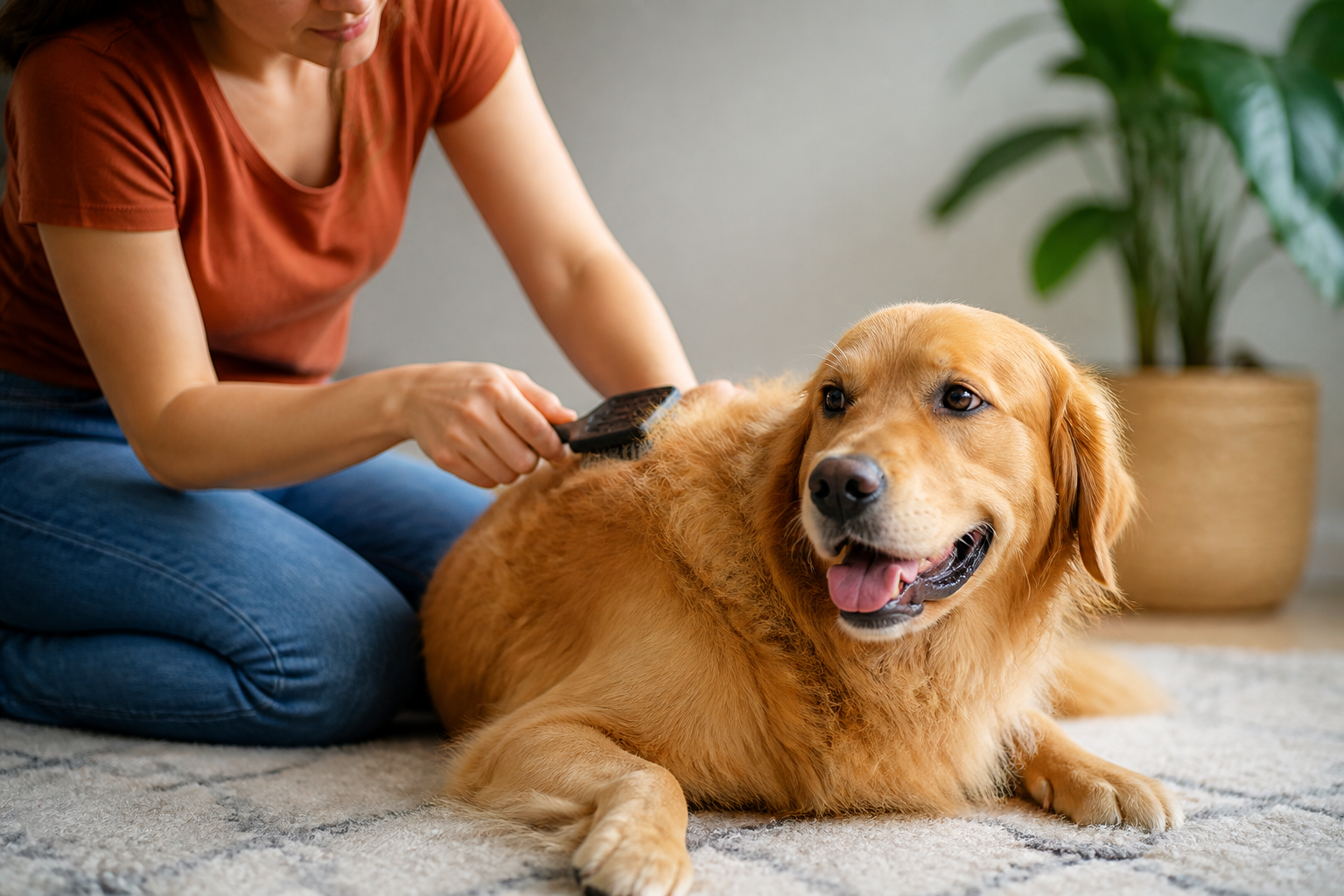
You notice your dog scratching more than usual. You part the fur near the base of the tail and see a tiny, dark speck dart away. It is the moment every pet owner dreads. Your first instinct is to grab a brush and start cleaning. At BaxterBoo, we know that seeing parasites on your best friend is stressful. You want them off immediately. Brushing is a common response, but it is important to know what a brush can and cannot do. While you can physically remove some adult fleas with the right tools, brushing alone rarely solves the problem. This guide will explain how to use a flea comb effectively and what other steps you must take to protect your dog and your home. Getting rid of these pests requires a plan that goes beyond the surface of the coat.
The Mechanics of the Flea Comb
A standard hairbrush for dogs will not work for fleas. The bristles are too far apart. Fleas are thin and fast. They can easily slide between the bristles of a slicker brush or a pin brush. To physically remove them, you need a specific tool called a flea comb. These combs have metal teeth that are spaced extremely close together. The gap is small enough to allow hair to pass through but narrow enough to trap adult fleas, larvae, and even some eggs.
When you use a flea comb, you are performing a manual extraction. It is a slow process that requires patience. You cannot just run the comb over the top of the coat. You must get down to the skin where the fleas live and feed. This method is especially helpful for puppies that are too young for chemical treatments or for dogs with very sensitive skin. It provides instant gratification because you can see the pests you have captured. For a fine-toothed option, consider the JW GripSoft Flea & Fine Dog Comb.
Quick Answer: Yes, you can brush some fleas off a dog using a fine-toothed flea comb. However, this only removes a small percentage of the adult fleas and does nothing to stop the thousands of eggs and larvae hiding in your carpet and furniture.
How to Use a Flea Comb Properly
Using a flea comb is most effective when done in a controlled environment. The bathtub is the best place for this task. The white surface of the tub makes it easy to see any fleas that jump off or fall out during the process.
Step 1: Prepare a bowl of soapy water. / Fill a small container with warm water and a few drops of dish soap. The soap breaks the surface tension of the water, which ensures the fleas sink and drown rather than jumping back out.
Step 2: Focus on the "hot spots." / Start at the head and neck, then move toward the tail. Fleas love to hide in the thick fur at the base of the tail, the neck area, and the groin.
Step 3: Clear the comb frequently. / After every single pass through the fur, check the teeth of the comb. If you see a flea or black specks, immediately dunk the comb into the soapy water to kill the pests.
Step 4: Check the "flea dirt." / You will likely see small black specks that look like pepper. This is flea excrement. If you place it on a wet white paper towel and it turns red, you have confirmed a flea presence.
Key Takeaway: Manual removal with a flea comb is a vital diagnostic tool and a good first step, but it is not a complete treatment for an infestation.
Why Brushing Is Only the Tip of the Iceberg
It is tempting to think that once the dog looks clean, the job is done. Unfortunately, the adult fleas you see on your dog represent only about 5 percent of the total population in your environment. The other 95 percent exists as eggs, larvae, and pupae. These life stages are scattered throughout your home. They live in the cracks of your hardwood floors, deep in the fibers of your rugs, and inside your dog’s favorite bed.
A single female flea can lay up to 50 eggs per day. These eggs are not sticky. They roll off your dog like tiny grains of salt as the dog moves through the house. Brushing might remove ten fleas, but it leaves behind the eggs that will hatch into hundreds more in just a few days. This is why many owners feel like they are losing the battle even when they brush their dogs daily.
Understanding the Flea Life Cycle
To win against fleas, you must disrupt their life cycle. The process moves from egg to larva, then to pupa, and finally to adult. The pupal stage is particularly difficult. In this stage, the flea stays inside a protective cocoon that is resistant to many household sprays and chemicals. They can stay dormant in this cocoon for months. They only emerge when they sense heat, vibration, or carbon dioxide, which tells them a host is nearby.
If you only focus on brushing the adults off the dog, you are ignoring the next generation waiting to hatch. You must use products that include an Insect Growth Regulator (IGR). These ingredients stop the eggs from hatching and prevent the larvae from maturing.
Vet Tip: If you see fleas on your dog, your home is already infested. Consult your veterinarian for a professional-grade treatment plan that addresses all four stages of the flea life cycle to prevent a recurring cycle.
The Role of Flea Baths and Medicated Shampoos
Bathing your dog is a powerful companion to brushing. While a flea comb is precise, a bath is a broad approach. When you submerge a flea in water, it can sometimes survive by trapping air bubbles. However, when you use a specific flea shampoo or even a gentle dish soap, the protective coating on the flea is compromised.
A flea bath provides immediate relief for an itchy dog. It washes away the irritating flea saliva and the flea dirt that can cause skin infections. Brands like Advantage offer shampoos specifically formulated to kill fleas on contact. During the bath, you can continue to use your flea comb. The wet fur makes it harder for fleas to run and hide, giving you a better chance to catch them. For additional bathing guidance, read these dos and don’ts for bathing your dog.
Bathing Safety and Tips
Do not over-bathe your dog. Frequent bathing can strip the natural oils from their skin, leading to dryness and further irritation. If your dog has red, raw skin from scratching, avoid harsh chemicals. A soothing oatmeal shampoo may be better for the skin while you use other methods to kill the pests.
- Always start with a ring of soap around the dog’s neck. This prevents fleas from running up to the ears and eyes when the rest of the body gets wet.
- Let the medicated shampoo sit for at least ten minutes. Most products require this "contact time" to actually kill the fleas.
- Rinse thoroughly. Any leftover soap can irritate the skin more than the fleas did.
- Wait 48 hours after a bath before applying any topical flea prevention. The soap can interfere with how the medication spreads across the skin.
Bottom line: A flea bath kills the pests currently on your dog, but it offers zero residual protection against the fleas waiting in your carpet.
Professional Solutions and the BaxterBoo Pharmacy
When brushing and bathing are not enough, it is time for medical intervention. Modern flea preventives are much more effective than the products used a decade ago. These medications work by making the dog’s blood toxic to fleas or by paralyzing the flea’s nervous system on contact.
We offer a wide range of these solutions. Our pharmacy carries FDA-approved medications through our partnership with Pet's Choice. This includes both over-the-counter options and prescription treatments that require a vet’s authorization. If your dog is struggling with a persistent infestation, a prescription-strength product might be necessary. These are often more effective at killing fleas quickly before they have a chance to lay more eggs. Browse our flea and tick pharmacy for dogs for available treatment options.
Oral vs. Topical Treatments
There are two main ways to deliver flea medication: orals and topicals. Oral medications, like NexGard or Credelio, are often flavored chews. They are clean and easy. Once the dog eats the chew, the medication enters the bloodstream. When a flea bites, it dies almost instantly.
Topical treatments, such as Frontline or K9 Advantix II, are applied to the skin between the shoulder blades. These spread through the oil glands of the dog. They often have the added benefit of repelling fleas and ticks before they even bite. You can compare available options in our dog flea and tick collection.
- Oral Chews: Great for dogs that swim often or have young children in the home who might touch the application site.
- Topical Drops: Good for repelling pests and often cover a wide range of parasites, including mosquitoes and lice.
- Flea Collars: High-quality collars like Seresto can provide up to eight months of continuous protection.
- Fast-Acting Tablets: Products containing nitenpyram (like Capstar) start killing adult fleas within 30 minutes. These are perfect for a "quick fix" but do not provide long-term protection.
Key Takeaway: Using a consistent, year-round preventive is the only way to ensure that the fleas you brush off today do not return tomorrow.
Cleaning the Home Environment
If you brush fleas off your dog and then let the dog lay back down on an unwashed bed, the problem will continue. You must treat the house as part of the dog's care. Fleas love dark, warm places. This means you need to be thorough with your cleaning routine.
Start by washing all pet bedding, rugs, and even your own bed linens in hot water. Use the highest heat setting on your dryer. The heat is what kills the eggs and larvae. You should do this at least once a week until the infestation is gone.
The Importance of Vacuuming
Vacuuming is one of the most effective non-chemical ways to fight fleas in the home. The vibration of the vacuum encourages fleas to emerge from their cocoons. Once they emerge, they are susceptible to the treatments you have applied to the carpets or the dog.
- Vacuum every day for at least two weeks.
- Focus on baseboards, under furniture, and in corners.
- Empty the vacuum bag or canister immediately into an outdoor trash bin. If you leave the dirt inside the vacuum, the fleas can crawl back out.
- Use an upholstery attachment on your couches and chairs. Fleas do not just stay on the floor.
Bottom line: You cannot solve a flea problem on the dog without also solving the flea problem in the house.
Managing Your Dog’s Health During an Infestation
Fleas are not just an annoyance. they can cause real medical issues. Some dogs are allergic to flea saliva. This condition is called Flea Allergy Dermatitis (FAD). A single bite can cause a massive reaction, leading to intense itching, hair loss, and secondary skin infections. If you notice your dog has hot spots or scabby skin, they may need more than just a flea comb.
Fleas also carry tapeworm larvae. When a dog grooms themselves and accidentally swallows an infected flea, a tapeworm can develop in their intestines. If you see small, white segments that look like grains of rice near your dog's rear end, they likely have tapeworms. Our pharmacy partnership with Pet's Choice provides access to deworming medications and prescription diets that can help your dog recover from the toll these parasites take.
Signs You Should See a Vet
While many flea cases can be handled at home, some require professional help. You should call your veterinarian if you notice any of the following:
- Pale gums or extreme lethargy, which could indicate anemia from blood loss.
- Raw, bleeding skin or signs of a bacterial infection.
- A "flea-free" dog that is still scratching pathologically.
- Visible worms in the stool or around the tail.
Vet Tip: For dogs with severe skin reactions, a vet may prescribe steroids or antibiotics alongside flea medication to help the skin heal while the pests are eliminated.
Long-Term Prevention Strategies
The best way to deal with fleas is to make sure they never get a foothold in the first place. This requires a proactive approach. At BaxterBoo, we recommend a combination of regular grooming and consistent medication.
Our Autoship programme is a great tool for this. It ensures you never run out of flea preventives. You can set your favorite treatments to arrive at your door every month. This removes the risk of "skipping a month," which is exactly when infestations usually start. Consistency is the enemy of the flea. If the medication is always active in the dog's system, the flea population can never grow.
Benefits of Joining Our Programs
Staying on top of flea care can be expensive, but we offer ways to save. Our MVP Rewards programme allows you to earn points on every purchase, which you can use for future savings on food, toys, or more grooming supplies. Between our frequent buyer program and competitive pricing, we help you provide the best care without overpaying.
- Sign up for Autoship for recurring delivery and savings.
- Join MVP Rewards to earn back on every flea comb and shampoo.
- Check the pharmacy section for high-quality preventives and prescription needs.
- Maintain a monthly "flea check" with a comb to catch issues early.
Key Takeaway: Prevention is significantly cheaper and less stressful than treating a full-blown infestation in your home.
Summary of Flea Removal Steps
Getting rid of fleas is a marathon, not a sprint. It takes about three months of consistent effort to fully clear an infestation because of the time it takes for all the eggs in the environment to hatch and be killed.
- Step 1: Use a flea comb daily to remove adult fleas and monitor the population.
- Step 2: Bathe the dog with a gentle or medicated shampoo to kill surface pests.
- Step 3: Apply a long-term preventive from a trusted brand like Frontline or NexGard.
- Step 4: Clean the home environment thoroughly by vacuuming and washing linens in hot water.
By following these steps, you can restore peace to your home and comfort to your dog. We are here to help with the tools and medications you need to succeed.
Bottom line: Brushing is a helpful part of the process, but success requires treating the dog, the home, and the future lifecycle of the flea.
FAQ
Does a regular dog brush work for fleas?
No, a regular brush will not work for fleas. The bristles on standard brushes are too far apart to trap the small, thin bodies of these parasites. You must use a specialized flea comb with very fine, closely spaced metal teeth to physically pull the fleas and their eggs out of the coat.
What should I do with the fleas I brush off?
As you brush the fleas off, you must immediately drop them into a container of soapy water. Fleas are incredibly resilient and can jump long distances to get back onto your dog or into your carpet. Dish soap breaks the surface tension of the water, which ensures the fleas sink and drown quickly.
Can I get rid of an infestation just by brushing my dog?
It is almost impossible to clear an infestation using only a brush. Brushing only targets the adult fleas on the dog's body, which is a tiny fraction of the total flea population in your house. You must use a combination of medication for the dog and deep cleaning for the home to stop the cycle.
Why do I still see fleas after I have treated my dog?
You are likely seeing "new" fleas that have just hatched from the pupae in your environment. Most medications do not kill the pupae stage because it is protected by a tough cocoon. As these new adults hatch and jump onto your treated dog, they will die, but it can take several weeks for all the hidden pupae to emerge.






