
 Save 15% on your 1st Autoship learn more

 Email us
 Live Chat
 FAQs
FAQs





Introduction
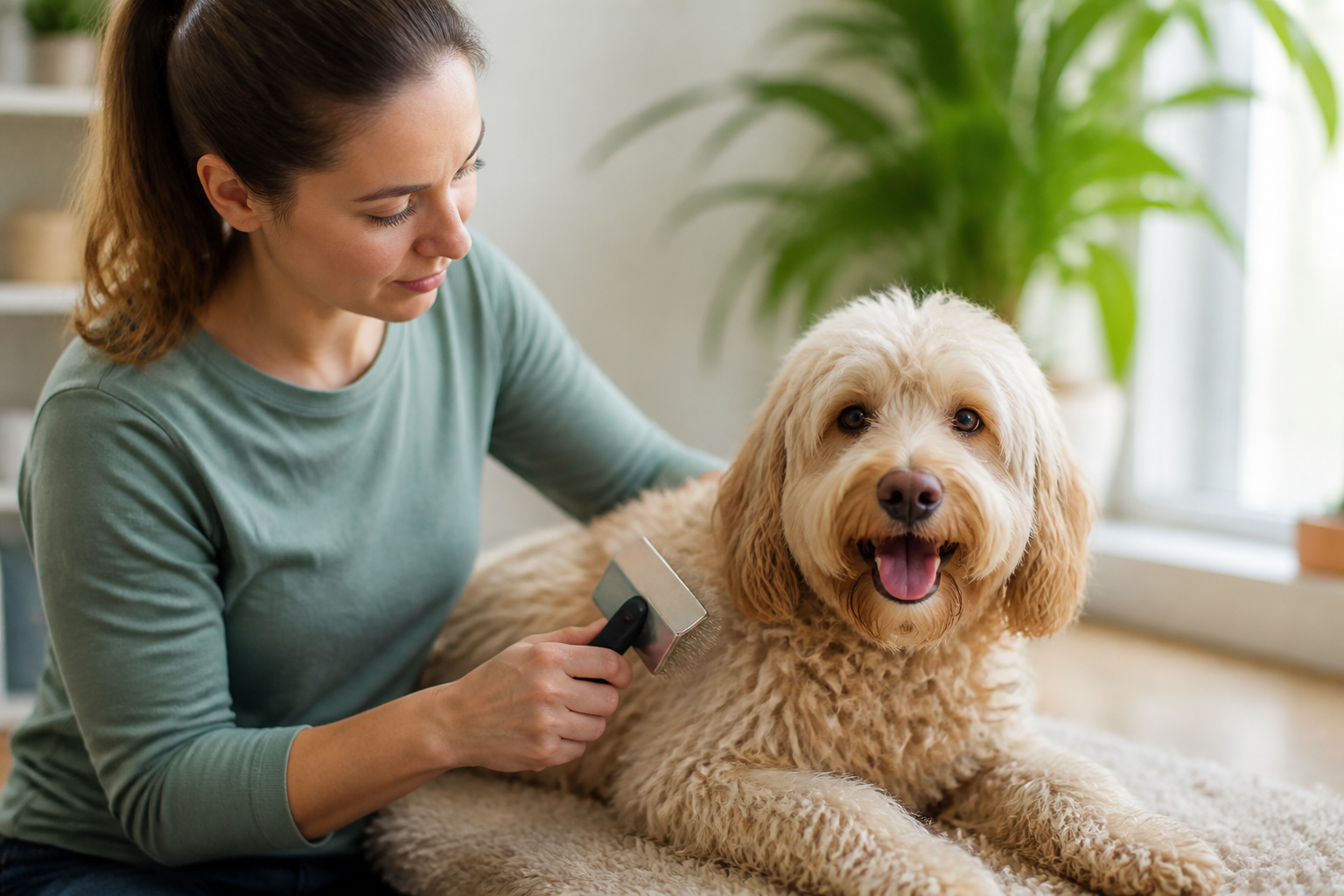
You are running your hand along your dog's flank or behind their ears when you feel it: a hard, tight clump of fur that refuses to separate. This discovery often brings a mix of frustration and worry. You might wonder if you can simply brush it out or if a trip to the groomer is the only solution. Matted hair is more than a cosmetic issue for our dogs. It is a source of physical discomfort and a potential health risk to their skin. At BaxterBoo, we understand that maintaining a healthy coat is a full time job, especially for breeds with long, curly, or double coats. This guide covers how to identify different types of mats and the safest ways to remove them at home. We also explain when it is time to put down the brush and seek professional help.
Quick Answer: You can brush out small, loose mats using a detangling spray and a slicker brush or your fingers. However, tight mats that are close to the skin or large "pelted" sections should never be brushed out. These require professional clipping to avoid causing the dog intense pain or skin tears.
Understanding the Anatomy of a Mat
A mat is not just a simple tangle. It is a dense, tightly wound clump of fur that often contains trapped dirt, loose hair, skin oils, and moisture. Mats typically begin when loose hairs shed from the undercoat but become trapped by the outer coat. Instead of falling away, these dead hairs wrap around the living hairs. Over time, friction from movement causes these fibers to tighten into a knot.
Mats tend to form in high friction areas where the fur rubs against itself or an object. You will most likely find them in the armpits, under the chin, and behind the ears. The areas where a collar or harness sits are also prime real estate for matting. If a dog scratches frequently due to allergies or fleas, that repetitive motion can create mats very quickly.
When a mat is left alone, it continues to draw in surrounding hair. It eventually tightens against the skin. This constant pulling can be incredibly painful for a dog. It feels like having your hair held in a tight ponytail that never gets released.
The Difference Between Mats and Cords
It is important to distinguish between accidental matting and intentional cording. Some breeds, such as the Puli or the Komondor, are famous for their corded coats. These look like long, felted dreadlocks. Cords are carefully managed by owners and groomers to ensure they stay clean and do not pull on the skin.
A cord is a deliberate styling choice that allows for airflow to the skin when maintained correctly. A mat is a random, chaotic tangle that blocks airflow and traps moisture. If your dog is not a corded breed, any hard clump of fur you find is likely a mat that needs attention.
Key Takeaway: Mats are painful tangles that trap moisture and heat against the skin. Cords are managed, intentional twists of hair specific to certain breeds.
When Can You Safely Brush Out a Mat?
The answer to whether you can brush out a mat depends entirely on its size and proximity to the skin. If you can see the skin clearly through the hair at the base of the knot, the mat is likely loose enough for home treatment. If the mat is small, perhaps the size of a marble or smaller, you can often work it out with patience and the right tools.
However, if the mat is hard and feels like a solid "pelt" against the skin, brushing is no longer an option. Attempting to brush out a severe mat is painful. It can also cause the skin to tear or bruise. At this stage, the hair has become so intertwined that no amount of detangler will separate the fibers without harming the dog.
The Finger Test
Before reaching for a brush, try the finger test. Gently grasp the mat and see if you can slide your fingers between the knot and the dog's skin. If there is enough space to move your fingers freely, the mat is a candidate for detangling. If you cannot find any space and the mat feels "glued" to the skin, stop immediately. You will need to clip the mat out or see a professional.
Essential Tools for Removing Mats
Having the right equipment makes the process safer for you and more comfortable for your dog. We carry a wide variety of dog grooming supplies from over 500 trusted brands to help you manage every coat type. Using the wrong brush can actually make mats worse by only smoothing the top layer of fur while the undercoat continues to tangle.
- Slicker Brushes: These have fine, short wire bristles that are slightly hooked. They are excellent for grabbing loose hair from the undercoat and breaking up small tangles.
- Metal Greyhounds Combs: These are sturdy combs with wide teeth on one side and fine teeth on the other. They help you check your work and find hidden knots.
- Dematting Tools: These often look like small rakes with curved, dull blades. They are designed to cut through the center of a mat to break it into smaller, manageable pieces.
- Detangling Sprays: These act as a lubricant for the hair shafts. They help the hairs slide past each other rather than snapping or pulling.
- Electric Clippers: For mats that are too tight to brush, quiet clippers are the safest way to remove the hair without cutting the skin.
A Step-By-Step Guide to Removing Small Mats
If you have determined that the mat is loose enough to brush, proceed slowly. Grooming a matted dog requires a calm environment and plenty of rewards.
Step 1: Apply a detangler. / Spray the knot thoroughly with a high quality detangling spritzer. Let it sit for several minutes to penetrate the center of the clump.
Step 2: Use your fingers first. / Try to gently pull the mat apart with your fingers. Do not pull away from the dog's skin. Instead, try to "peel" the mat open from the middle.
Step 3: Hold the base of the fur. / Use your non-brushing hand to firmly hold the hair between the mat and the skin. This prevents the brush from pulling on the dog's sensitive skin.
Step 4: Brush from the ends. / Start at the very tip of the hair furthest from the skin. Use short, fast strokes to pick away at the fibers. Slowly move your way toward the base.
Step 5: Comb through. / Once the mat seems gone, use a metal comb to ensure no small tangles remain. If the comb catches, you still have work to do.
Vet Tip: If your dog's skin is red, oozing, or smells foul underneath a mat, do not attempt to brush it. This may indicate a skin infection or a hot spot. Consult your veterinarian for a proper diagnosis and treatment plan.
The Dangers of Using Scissors
One of the most common mistakes pet owners make is trying to cut a mat out with household scissors. This is extremely dangerous. A dog's skin is very thin and can be easily pulled up into the mat itself. Because the mat is tight, it is often impossible to see where the hair ends and the skin begins.
Every year, many dogs end up at the vet requiring stitches because an owner accidentally snipped the skin while trying to help. If a mat must be removed, always use electric clippers with a proper guard or see a professional groomer. Clippers are designed to glide over the skin rather than pinching it.
Why You Should Never Bathe a Matted Dog
It is a common myth that a bath will help loosen tangles. In reality, water acts like a glue for matted hair. When the fur gets wet, the hair shafts swell and then shrink as they dry. This causes the existing mats to tighten significantly.
Always ensure your dog is completely brushed out and mat-free before putting them in the tub. If you find a mat during a bath, do not scrub that area. Apply a heavy conditioner, rinse gently, and focus on removing the mat once the fur is completely dry.
For more bathing guidance, read our guide to bathing your dog safely.
The Health Impact of Severe Matting
Matting is not just about looks. Severe matting can lead to "pelting," where the fur forms a solid, hard layer over large portions of the body. This condition is a serious welfare concern.
- Skin Irritation: Mats trap moisture from rain or licking against the skin. This creates a breeding ground for bacteria and yeast, leading to painful hot spots.
- Parasite Hiding Spots: Fleas and ticks love to hide under the protection of a mat. It is nearly impossible to spot or treat these parasites if you cannot reach the skin.
- Circulation Issues: Extremely tight mats can actually constrict blood flow to the skin or even the limbs.
- Temperature Regulation: Dogs rely on their coats to stay cool in the summer and warm in the winter. A matted coat acts like a heavy, non-breathable blanket that prevents the body from cooling down.
If your dog has developed skin sores or a flea infestation due to matting, we can help. Our flea and tick collection includes preventives and shampoos to help you manage common parasite concerns.
Bottom line: Brushing is for prevention and small tangles, but clipping is the only safe choice for severe mats.
Breed Specific Matting Concerns
Some breeds require much more intensive grooming than others. Knowing your dog's coat type helps you set a realistic brushing schedule.
Curly and Wavy Coats
Poodles, Bichon Frise, and "Doodle" mixes are highly prone to matting. Their hair does not shed in the traditional sense. Instead, the shed hair gets caught in the curls. If these dogs are not brushed down to the skin daily, they can become completely pelted in a matter of weeks.
Double Coated Breeds
Golden Retrievers, German Shepherds, and Newfoundlands have a soft undercoat and a tougher outer coat. During "blowing coat" season, the undercoat comes out in clumps. If you do not remove this dead hair with an undercoat rake, it will quickly form mats against the skin.
Long Haired Breeds
Breeds like Yorkies, Shih Tzus, and Collies have fine hair that tangles easily. Friction from walking or wearing a sweater can create "pin mats" that are small but very tight. These breeds benefit from daily sessions with a metal comb.
Professional Grooming vs. Home Care
There is no shame in admitting a matting situation has gotten out of control. Professional groomers have the tools and experience to safely shave a matted dog. They use specific blade lengths that can get underneath the mat without nicking the skin.
In some extreme cases where a dog is highly aggressive or the matting is so severe it causes intense pain, a veterinarian may need to perform the grooming under sedation. This ensures the dog does not move and suffer further injury during the process.
How to Prevent Mats from Returning
The best way to handle mats is to stop them before they start. Consistency is the most important factor in coat maintenance.
- Establish a Routine: Brush your dog at least three times a week. For high maintenance breeds, daily brushing is necessary.
- The Line Brushing Technique: Part the hair with one hand so you can see the skin. Brush that "line" of hair from the root out. This ensures you are not just brushing the top layer.
- Check Friction Points: Pay extra attention to the armpits, the area behind the ears, and where the collar sits.
- Use the Right Gear: Ensure your dog's harness and collar fit correctly. Consider removing the harness when the dog is indoors to reduce friction.
- Keep Fur Trimmed: Keeping the hair around the paws, sanitary areas, and ears trimmed short can prevent many common mats.
For a tool designed to break through stubborn tangles, consider an ergonomic dematting tool.
Managing Your Dog's Grooming Success
Many dogs find brushing stressful. If your dog hides when they see the brush, you need to change their perspective. Use high-value treats to create a positive association. Start with very short sessions, even just thirty seconds, and reward them heavily.
Over time, your dog will learn to relax during grooming. This makes it much easier to catch small tangles before they become painful mats. We offer many calming aids and training treats that can help make grooming a peaceful bonding time rather than a struggle.
Key Takeaway: Regular, thorough brushing that reaches the skin is the only way to prevent painful matting.
Final Steps for a Healthy Coat
Taking care of your dog's coat is a vital part of being a pet parent. While you can brush out small, loose mats at home with detangling spray and a slicker brush, always prioritize your dog's comfort. If a mat is tight or causing pain, it is always safer to clip it out or see a professional.
We are here to support your grooming journey with expert-curated products and a convenient pharmacy for any skin or parasite concerns. To make sure you never run out of your favorite detangler or flea preventive, consider our Autoship programme. You will save on your first order and earn a free MVP Gold membership for even more rewards. Keeping your dog's coat beautiful and mat-free is much easier when you have the right team behind you.
FAQ
How do I know if a mat is too tight to brush?
Try to slide a flat metal comb or your finger between the mat and your dog's skin. If the mat is pulled so tight that you cannot see the skin or fit a finger underneath, it is too tight to brush. Attempting to brush a mat this tight will cause skin tears and intense pain for your dog.
Is it okay to cut mats out with scissors?
No, you should never use scissors to cut mats out of your dog's fur. Dog skin is incredibly thin and can easily be pulled up into the knot, making it invisible to you. Use electric grooming clippers with a guard instead, or take your dog to a professional groomer to avoid accidental cuts that may require stitches.
Why did my dog's mats get worse after a bath?
Water causes the hair shaft to swell, and as the hair dries, it shrinks and tightens. If there are already tangles in the coat, the drying process will lock those fibers together even more firmly. Always brush your dog thoroughly and remove all mats before getting them wet to prevent this "setting" effect.
What is the best brush for preventing mats?
A slicker brush is generally the best tool for preventing mats because its fine wire bristles can reach into the undercoat to remove loose hair. For double-coated breeds, an undercoat rake is also essential to pull out dead fur before it can tangle. Following up with a metal Greyhound comb ensures you haven't missed any small knots near the skin.






