
 Save 15% on your 1st Autoship learn more

 Email us
 Live Chat
 FAQs
FAQs





Introduction
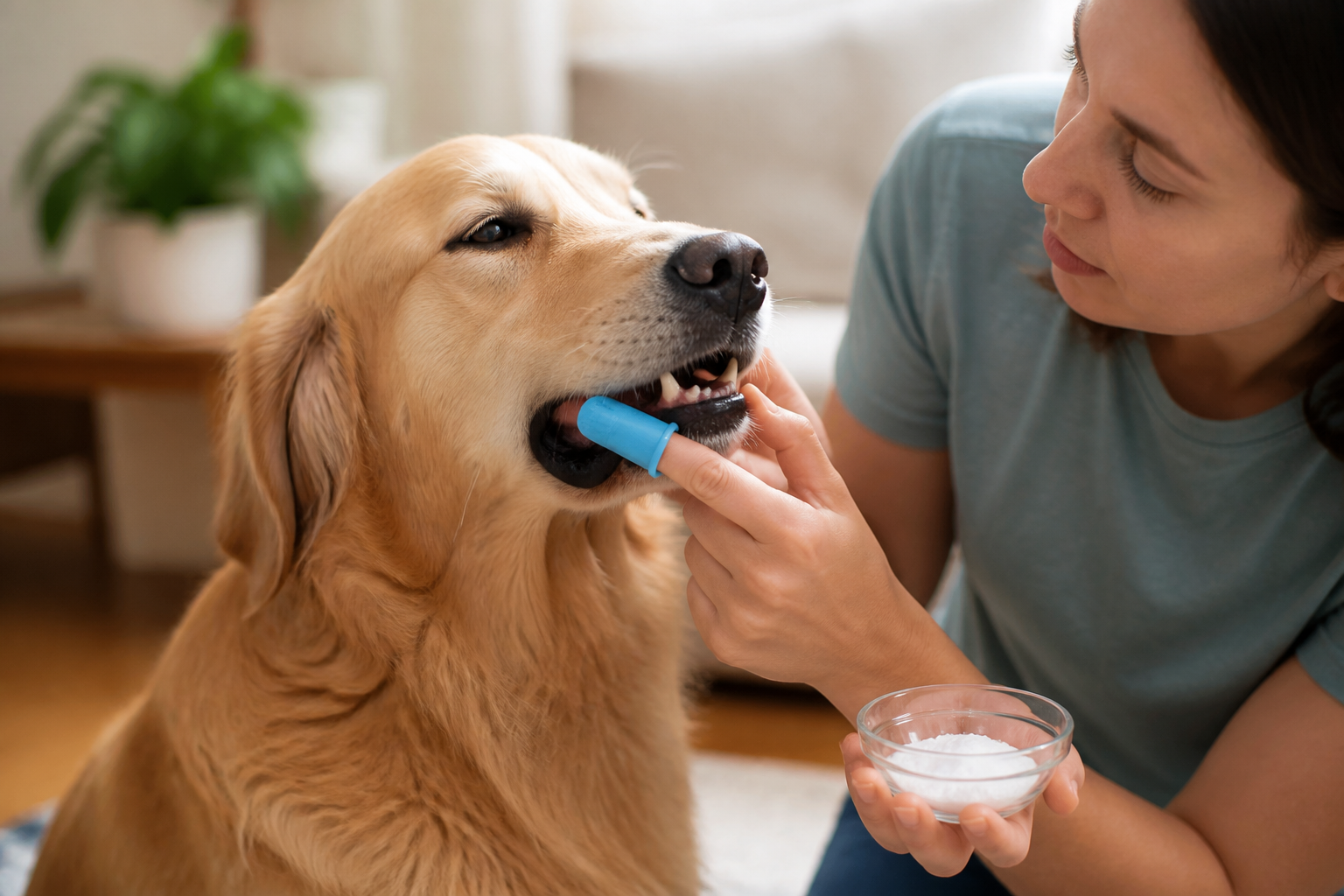
You are sitting on the couch when your dog leans in for a friendly nuzzle, but instead of sweetness, you are hit with a wave of "dragon breath" that makes you recoil. It is a common moment for many pet owners. You might head to the pantry and spot a box of baking soda, wondering if this household staple is a quick, natural fix for those pearly whites. At BaxterBoo, we know that keeping your dog's mouth healthy is about more than just fresh breath; it is a vital part of their overall wellness. While bicarbonate of soda is a popular DIY suggestion, it comes with specific risks that every dog owner should understand. This guide covers whether you should use it, the potential side effects, and the best ways to keep your dog's teeth sparkling without compromising their health.
Quick Answer: While you can technically use bicarbonate of soda in very small, diluted amounts, it is generally not recommended. It is highly alkaline and can cause stomach upset if swallowed, and its abrasive texture may damage tooth enamel over time.
Understanding Bicarbonate of Soda for Dogs
Bicarbonate of soda, commonly known as baking soda, is a chemical compound often used in human oral care. It is valued for its ability to neutralize acids and its mild abrasive quality. When you consider using it for your dog, it is important to distinguish between "can" and "should."
Dogs do not know how to spit. This is the primary concern when using any cleaning agent in their mouth. Anything you put on that toothbrush is going directly into their stomach. Because bicarbonate of soda is highly alkaline, it can significantly disrupt the acid balance in a dog’s digestive tract. For a dog with a sensitive stomach or an underlying health condition, even a small amount can lead to distress.
Furthermore, the texture of baking soda is quite gritty. On human enamel, this can help scrub away stains. However, a dog's enamel is thinner than a human's. Constant scrubbing with an abrasive powder can create micro-abrasions. These tiny scratches actually give bacteria more places to hide, potentially making plaque buildup worse in the long run.
Why Taste and Experience Matter
Most dogs are not fans of the salty, bitter taste of bicarbonate of soda. Training a dog to accept tooth brushing is a process built on trust and positive reinforcement. If the very first thing they experience is a mouthful of something that tastes unpleasant, they will likely fight the brush next time.
Using a flavored pet toothpaste, such as the poultry or peanut butter varieties we carry at BaxterBoo, turns the chore into a treat. When your dog looks forward to the taste, they are much more likely to sit still and let you reach those difficult back molars. You can explore our dog dental care collection for toothpaste, brushes, wipes, and other oral-care options.
Key Takeaway: Using baking soda can create a negative association with brushing due to its poor taste and potential for stomach upset. Using a specially formulated dog toothpaste is much safer and more effective for long-term training.
The Danger of Human Toothpaste
If you decide against baking soda, your next thought might be to reach for your own tube of toothpaste. This is a much more dangerous choice. Human toothpaste frequently contains ingredients that are toxic to dogs, even in tiny amounts.
- Xylitol: This is a common sugar substitute found in many human toothpastes. It is extremely toxic to dogs and can cause life-threatening hypoglycemia or liver failure.
- Fluoride: While good for human teeth, fluoride is toxic to dogs when ingested. Since dogs swallow their toothpaste, the cumulative effect of fluoride can lead to poisoning.
- Sodium Lauryl Sulfate (SLS): This is what makes your toothpaste foam. It can cause stomach upset and irritation in dogs.
Always stick to products specifically labeled for canine use. These are designed to be swallowed and are free from these harmful chemicals. For additional guidance, read our pet dental care tips.
Better Alternatives for Home Dental Care
Since bicarbonate of soda has its drawbacks, you might wonder what the gold standard for home care actually is. The goal of brushing is to disrupt the biofilm of bacteria before it hardens into tartar. Tartar, also known as calculus, is much harder to remove and usually requires a professional cleaning.
Enzymatic Dog Toothpaste
These toothpastes contain enzymes that help break down food particles and bacteria even if you do not get a perfect scrub. They are designed to keep working for a short period after the brushing session is over.
Dental Wipes
If your dog is terrified of a brush, dental wipes are an excellent middle ground. They are textured pads that you wrap around your finger. They allow you to physically rub the plaque off the teeth without the intimidating shape of a brush.
Water Additives
These are liquids you add to your dog’s water bowl. They contain ingredients that help kill bacteria in the mouth. While they do not replace the physical action of brushing, they are a great "set it and forget it" addition to a dental routine. Our dental and breath care selection includes water additives and other alternatives.
Vet Tip: If your dog has red, bleeding gums or loose teeth, do not attempt to brush. These are signs of advanced periodontal disease that can be very painful. Consult your veterinarian for a professional assessment and possible dental cleaning before starting a home routine.
The Role of Diet in Oral Health
What your dog eats every day has a significant impact on their teeth. There is a common belief that all dry kibble cleans teeth by scraping against them, but this is not always true. Most kibble is small and brittle, shattering as soon as the tooth hits it.
However, specific dental diets are engineered differently. These large, fibrous kibbles are designed not to shatter. Instead, the tooth sinks into the kibble, which then scrubs the surface of the tooth as the dog chews.
If your veterinarian recommends a prescription dental diet, our pet pharmacy can help. Through our partnership with Pet's Choice, we offer FDA-approved prescription pet foods and medications. These specialized diets, like those from Royal Canin or Farmina Vet Life, are formulated to specifically target plaque and tartar control.
Natural Chews and Enrichment
Nature provided dogs with their own dental tools: their teeth and the instinct to chew. Providing safe items to gnaw on can help keep teeth clean between brushings. For more ideas, see our guide to dental chews for dogs.
- Rubber Dental Toys: Look for toys with nubs or ridges. As your dog chews, these ridges massage the gums and help scrape away soft plaque.
- Rawhide Alternatives: Traditional rawhide can be difficult to digest, but there are many modern alternatives made from collagen or sweet potato that provide the same scrubbing action.
- Crunchy Vegetables: Raw carrots or slices of apple (without seeds) are healthy treats that provide a bit of mechanical cleaning.
Bottom line: Chewing is a supplemental way to manage plaque, but it should never be the only method of dental care you use.
How to Brush Your Dog's Teeth: A Step-by-Step Guide
If you are ready to move away from the baking soda idea and start a real routine, follow these steps.
Step 1: Introduce the flavor. / Put a small amount of dog-safe toothpaste on your finger and let your dog lick it off. Do this for a few days until they are excited to see the tube.
Step 2: Get them used to mouth handling. / Gently lift your dog's lips and rub your finger along their gums. Keep sessions short and follow up with praise.
Step 3: Introduce the brush. / Let them lick the toothpaste off the brush itself. Do not try to brush yet; just let them get used to the sensation of the bristles against their tongue.
Step 4: The first scrub. / Gently brush the large canine teeth in the front using a circular motion. You do not need to open their mouth; just slide the brush under the lip.
Step 5: Move to the back. / Once they are comfortable, aim for the back molars. This is where most tartar builds up. You only need to brush the outside surfaces of the teeth.
When Home Care Is Not Enough
Even with the best home routine, most dogs will eventually need a professional dental cleaning. This is similar to a human going to the dentist for a deep clean, though for dogs, it requires general anesthesia. This ensures the vet can clean under the gum line, which is where the most dangerous bacteria reside.
Watch for these signs that your dog needs professional help:
- Excessive drooling
- Dropping food while eating
- Crying out when chewing
- Pawing at the mouth
- Noticeable brown or yellow crust on the teeth
If your vet prescribes antibiotics or pain relief for a dental infection, remember that our dog pharmacy offers prescription services. We can fulfill these prescriptions through our Pet's Choice partnership, ensuring you get the medication your dog needs delivered right to your door.
The Impact of Oral Health on the Body
It is a mistake to think that dental issues stay in the mouth. The mouth is a gateway to the rest of the body. When a dog has periodontal disease, the gums become inflamed and the blood vessels are exposed. Bacteria from the mouth can enter the bloodstream and travel to major organs.
Chronic dental infections are linked to:
- Heart valve inflammation (endocarditis)
- Liver disease
- Kidney damage
- Worsening of diabetes symptoms
By maintaining a consistent dental routine, you are not just saving your dog from a toothache; you are protecting their heart and kidneys too. This is why we are so passionate about helping you find the right tools for the job.
Managing Dental Care on a Budget
We understand that pet care costs can add up. You do not need the most expensive gadgets to keep a dog's mouth clean. A simple finger brush and a tube of enzymatic toothpaste are very affordable and can save you thousands of dollars in veterinary surgery later on.
To make things even easier, our MVP Rewards programme allows you to earn points on every dental purchase. If you find a toothpaste or dental chew your dog loves, you can set it up on our Autoship programme. This ensures you never run out and saves you money on every recurring order. It is a simple way to stay consistent with their care while keeping your budget in check.
Selecting the Right Toothbrush
Not all brushes are created equal. The size of your dog’s mouth determines the best tool.
- Finger Brushes: Best for small dogs, puppies, or dogs who are nervous about long objects in their mouth. They give you the most control.
- Double-Headed Brushes: These are designed to clean the top and bottom of the tooth at the same time. They are great for squirmy dogs because they get the job done faster.
- Small Human Brushes: In a pinch, a very soft-bristled toddler toothbrush can work for small to medium dogs. Just ensure the bristles are soft to avoid gum irritation.
Avoid using adult human toothbrushes as they are usually too large and the bristles can be too stiff for a dog’s sensitive gums.
Key Takeaway: Consistency is more important than the specific tool you choose. Brushing for 30 seconds three times a week is far better than a five-minute scrub once a month.
Summary of Natural vs. Commercial Options
While the idea of using "natural" bicarbonate of soda is appealing, commercial dog dental products are often the safer "natural" choice because they are formulated for the specific biology of a dog's mouth.
| Method | Pros | Cons |
|---|---|---|
| Bicarbonate of Soda | Inexpensive, acid neutralizer | Abrasive, poor taste, causes stomach upset |
| Dog Toothpaste | Flavored, enzymatic, safe to swallow | Requires a purchase |
| Dental Chews | Easy to use, provides enrichment | Adds calories, can be a choking hazard if swallowed whole |
| Professional Cleaning | Deepest clean, addresses underlying issues | Requires anesthesia, higher cost |
FAQ
Is baking soda toxic to dogs?
Baking soda is not strictly toxic in tiny amounts, but it is not safe for regular use. Because it is highly alkaline, it can cause significant digestive distress if your dog swallows a large amount during brushing. It is always better to use a product formulated specifically for a dog's digestive system.
How often should I brush my dog's teeth?
Ideally, you should brush your dog's teeth every single day, just like you do your own. However, we know that life gets busy. Aiming for at least three times a week is usually enough to prevent the soft plaque from hardening into permanent tartar.
Can I use coconut oil to clean my dog's teeth?
Coconut oil is safer than baking soda and has mild antimicrobial properties. Some dogs love the taste, which makes it a good training tool. However, it is very high in fat and can cause pancreatitis or weight gain if used in excess, so it should be used sparingly.
My dog hates the toothbrush, what should I do?
If your dog refuses a brush, try dental wipes or even a clean piece of gauze wrapped around your finger. You can also rely more heavily on dental water additives and high-quality dental chews. The goal is to create some form of friction on the teeth to rub away plaque.






