
 Save 15% on your 1st Autoship learn more

 Email us
 Live Chat
 FAQs
FAQs





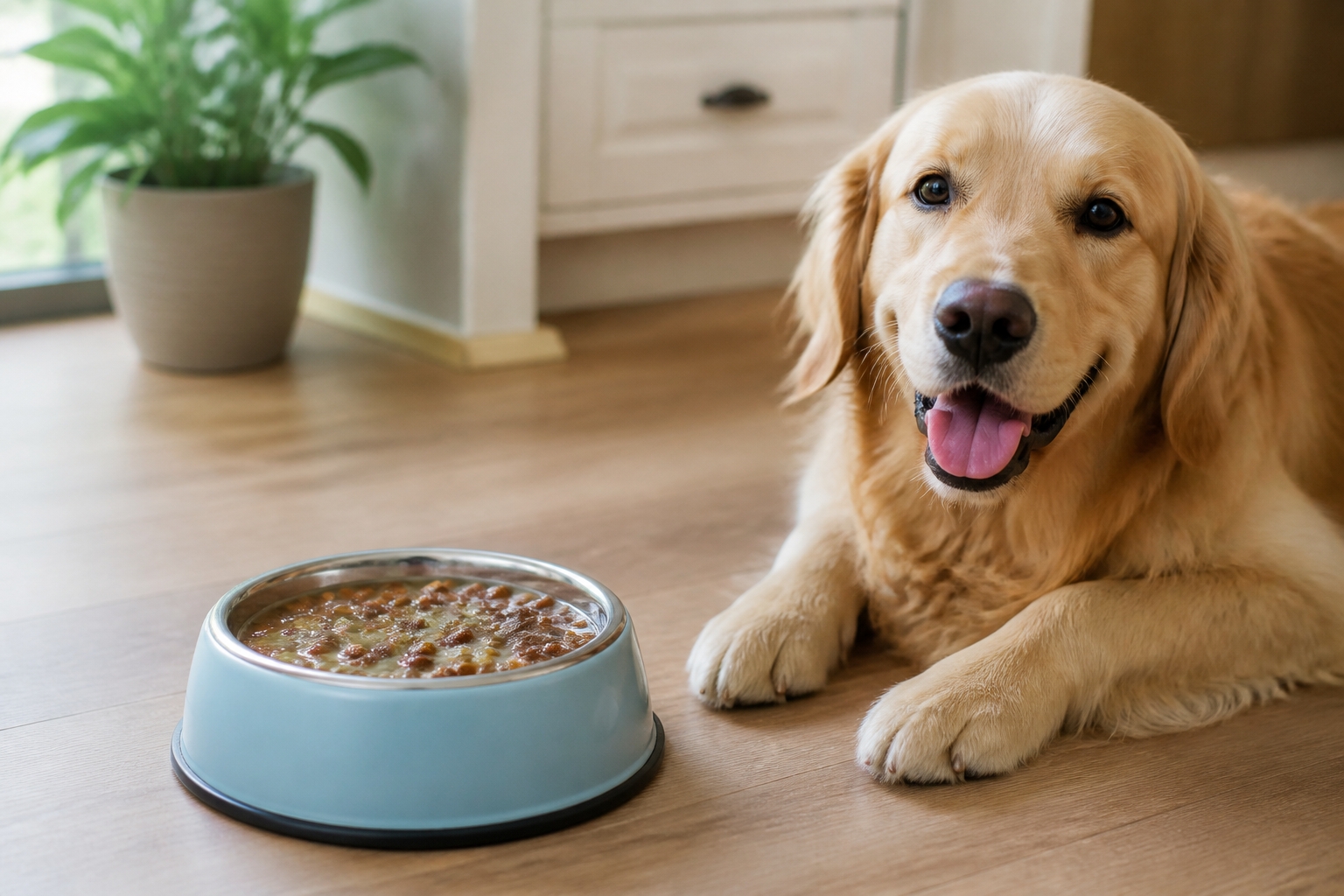
Introduction
You might find yourself standing in the kitchen late at night, looking at your dog's bowl and wondering if preparing tomorrow's breakfast now would save time. Perhaps you have a senior dog who struggles with the crunch of dry kibble or a new puppy who is just learning how to eat solid food. Soaking kibble is a popular way to make meals more appetizing and easier to digest. However, the question of whether you can safely soak that food overnight requires a look at food safety and nutrition.
At BaxterBoo, we have spent years helping pet owners navigate the small details of daily care from our warehouse in Vernon Hills, Illinois. We know that a simple change in how you serve a meal can impact your dog's hydration and comfort. This post covers the safety of overnight soaking, the benefits of adding moisture to dry food, and how to do it correctly. Adding water to kibble is a great tool for pet health when done with the right precautions.
The Short Answer: Is Overnight Soaking Safe?
The quick answer depends entirely on where you leave the bowl. You can soak dry dog food overnight, but only if you keep it in the refrigerator. Dry kibble is a processed product with a low moisture content, which keeps it shelf stable. Once you add water or broth, you create a perfect environment for bacteria like Salmonella and Listeria to grow.
If you leave a bowl of soaked kibble on the counter at room temperature for eight hours, you are risking your dog's health. The moisture allows mold and bacteria to flourish quickly, especially in a warm kitchen. However, placing the covered bowl in the fridge keeps the temperature low enough to slow this process. This allows the food to soften completely without becoming a safety hazard.
Quick Answer: You can soak dry dog food overnight if you store it in the refrigerator. Never leave soaked kibble at room temperature for more than thirty to sixty minutes, as moisture encourages rapid bacterial growth.
Why Pet Owners Consider Soaking Dry Food
Many people start soaking kibble because their dog has a specific need. It is not just about making the food soft: it is about improving the overall feeding experience.
Better Hydration for Total Health
Many dogs do not drink enough water throughout the day. This is a common concern for active breeds or dogs living in dry climates. When you add water directly to the food, you ensure your dog gets a significant boost of moisture with every meal. This supports healthy kidney function and helps flush toxins from the body. For dogs prone to urinary tract issues, this extra hydration is a simple, effective preventative measure.
Helping Seniors with Dental Sensitivity
As dogs age, they often develop dental issues such as broken teeth, gum disease, or thinning enamel. Hard, crunchy kibble can become painful to chew. Rather than switching to a completely new diet, many owners find that soaking the current food provides relief. It allows the senior dog to enjoy the flavors they love without the physical struggle of breaking down hard pieces. For additional options, explore our dog healthcare category.
Easing the Weaning Process for Puppies
Puppies transitioning from their mother's milk to solid food have very sensitive mouths and small teeth. They are not always ready for the hard texture of dry kibble. Soaking the food until it reaches a mushy, porridge-like consistency makes it much easier for them to lap up. It also helps their digestive systems adjust to processing solid proteins and grains.
Key Takeaway: Soaking kibble improves hydration, eases dental pain for seniors, and helps puppies transition to solid food. It also releases natural aromas that make the meal more enticing for picky eaters.
How to Soak Dry Dog Food: A Step-by-Step Guide
If you want to start soaking your dog's food, consistency is key. You want to achieve a soft texture without turning the meal into an unappealing soup.
Step 1: Measure the correct portion. / Use your dog's standard serving size to avoid overfeeding. If you use a prescription diet from our pet pharmacy, stick strictly to the amount recommended by your veterinarian.
Step 2: Choose your liquid. / Warm water is the most common choice, but you can also use dog-safe bone broth. Use a ratio of roughly one part liquid to one part kibble.
Step 3: Check the temperature. / Use warm water, not boiling water. Boiling water can destroy heat-sensitive vitamins and probiotics that manufacturers add to the food after the cooking process.
Step 4: Allow time for absorption. / Let the bowl sit for fifteen to twenty minutes if you are feeding it immediately. If you are preparing it for the next morning, cover it and place it in the fridge.
Step 5: Stir and serve. / Give the food a quick stir to distribute the moisture. If the food was in the fridge, you can let it sit on the counter for a few minutes to take the chill off before serving.
Vet Tip: If your dog has a history of sensitive digestion or chronic health issues, consult your veterinarian before making major changes to their feeding routine. They can provide guidance on the best moisture levels for your dog's specific condition.
Choosing the Right Liquid for Soaking
While plain water is the easiest option, other liquids can add nutritional value. Many brands we carry at BaxterBoo, such as Caru or Stella and Chewy's, offer broths specifically designed for pets.
- Warm Water: This is the most cost-effective way to hydrate food. It helps release the fats and aromas in the kibble, making it smell more like a fresh meal.
- Bone Broth: Look for broths made specifically for dogs. Human bone broths often contain onions, garlic, and high levels of sodium, all of which are toxic or unhealthy for pets. Dog-safe broth adds collagen and amino acids that support joint health.
- Goat's Milk: Some owners use raw goat's milk to soak kibble. This is packed with probiotics and is generally easier for dogs to digest than cow's milk. It is an excellent choice for puppies or dogs recovering from an illness.
Managing Health Conditions with Soaked Food
Soaking food is not just a preference: it can be a vital part of managing certain health conditions. When a dog is diagnosed with a specific issue, the way they consume their nutrients becomes very important.
Weight Management and Satiety
For dogs on a weight loss plan, feeling hungry is the biggest challenge. Soaked kibble expands in volume. A cup of dry kibble might look small, but once it absorbs water, it fills the bowl. This helps your dog feel physically full without adding extra calories. If your dog is using a prescription weight management food like Farmina Vet Life, soaking it can make the transition to smaller portions much easier.
Bloat Prevention in Large Breeds
Gastric Dilatation-Volvulus, or bloat, is a life-threatening condition where the stomach fills with gas and twists. While the exact causes are debated, many experts suggest that dogs who eat too fast or eat large amounts of dry kibble that expands quickly in the stomach may be at higher risk. By soaking the food first, you allow that expansion to happen in the bowl rather than inside the dog. This can also slow down "scarfers" who try to inhale their food without chewing.
Kidney and Urinary Support
Dogs with kidney disease or frequent urinary crystals need as much water as possible. Our pet pharmacy carries prescription diets formulated for these conditions. Adding water to these specialized kibbles ensures the dog is getting therapeutic nutrition and hydration simultaneously.
Key Takeaway: Soaked food is a practical tool for managing weight, reducing bloat risk, and supporting kidney health. It is particularly effective when used with prescription diets ordered through a trusted pharmacy.
Safety and Hygiene: Avoiding Bacterial Growth
The biggest risk of soaking food is the lack of hygiene. Once food is wet, the clock starts ticking. Bacteria love moisture, protein, and warmth.
- The One-Hour Rule: If your dog does not finish their soaked meal within an hour, pick up the bowl. Do not leave it out for them to graze on throughout the day.
- Wash the Bowl Every Time: Wet food leaves a film of starch and protein on the bowl. This film quickly becomes a breeding ground for germs. Wash the bowl with hot, soapy water after every single meal.
- Storage Savvy: If you soak food in the fridge overnight, use a sealed container. This prevents the food from absorbing fridge odors and keeps it fresh.
Bottom line: Treat soaked dog food like you would treat your own leftovers: keep it refrigerated and discard anything left at room temperature for too long.
Common Mistakes to Avoid
Even with the best intentions, it is easy to make mistakes when transitioning to soaked food. Avoiding these pitfalls will keep your dog's mealtime safe and nutritious.
Using Boiling Water
Many owners think boiling water is better because it softens the food faster. However, many high-quality brands like Open Farm or Royal Canin include temperature-sensitive nutrients. Extreme heat can degrade vitamins like Vitamin C and B-complex. Use water that is warm to the touch, similar to the temperature of a baby's bottle.
Over-Soaking at Room Temperature
Some people start the soaking process and then get distracted by a phone call or a chore. If the food sits on the counter for three or four hours, it is no longer safe. If you cannot serve the food within twenty minutes, put it in the refrigerator immediately.
Ignoring the Transition Period
If your dog has eaten dry food for years, a sudden switch to mushy food might cause a minor stomach upset. Start by adding just a splash of water and gradually increase the amount over a week. This gives their digestive enzymes time to adjust to the change in texture and moisture.
Forgetting Dental Care
There is a common myth that dry kibble cleans a dog's teeth. While the crunch provides some mechanical scraping, it is not a substitute for brushing. If you switch to soaked food, you may notice more residue on your dog's teeth. It is even more important to maintain a regular dental routine, including brushing or using our dog toys, once you move to a soft diet.
Integrating Soaked Food into Your Routine
Adding moisture to your dog's diet does not have to be a complicated chore. Since 2006, we have focused on making pet care practical and accessible. You can make soaking a simple part of your morning or evening ritual.
If you find that your dog thrives on soaked food, you might consider our Autoship programme. This ensures you never run out of their favorite kibble or the broths you use for soaking. It also gives you a free MVP Gold membership, which provides extra savings on every order.
Managing a dog with special needs or a fading appetite can be stressful. We carry over 500 trusted brands to help you find the exact formula that works for your pet. Whether you are using a standard premium kibble or a specialized diet from our pharmacy, soaking is a simple way to show your dog a little extra care at mealtime.
Vet Tip: If your dog's appetite changes suddenly or they begin refusing food they previously loved, do not just try to soak it to make it better. A sudden loss of interest in food can be a sign of an underlying medical issue. Schedule a checkup with your veterinarian to rule out dental pain, illness, or digestive blockages.
Final Thoughts on Soaking Kibble
Soaking dry dog food overnight is a safe and helpful practice if you use your refrigerator. It solves many common problems, from poor hydration to senior dental pain. By following simple hygiene rules and using the right temperature of water, you can transform a basic meal into a hydrating, aromatic feast.
If you are managing a chronic health condition, remember to use our pharmacy for prescription food needs. We are here to support your dog through every life stage with the right gear, food, and medication.
Bottom line: Refrigerated overnight soaking is safe, but room-temperature soaking is a health risk. Always prioritize hygiene and use warm water to preserve the nutritional value of the kibble.
FAQ
Is it better to soak dog food in warm or cold water?
Warm water is generally better because it speeds up the softening process and helps release the natural oils and aromas in the kibble. However, you should avoid boiling water, as extreme heat can destroy some of the vitamins and probiotics added to the food.
Can soaking kibble help prevent bloat in large dogs?
Soaking kibble allows the food to expand fully before your dog eats it. This can prevent the rapid expansion of dry food inside the stomach, which some experts believe may contribute to the risk of bloat. It also forces fast eaters to slow down, as they cannot gulp the softened pieces as easily as dry pellets.
Will soaked dog food cause dental problems?
While crunchy kibble provides some minor scraping of the teeth, it is not a complete dental solution. Soaking food does not inherently cause dental disease, but the soft residue may stay on the teeth longer. If you feed soaked food, it is important to continue regular dental care, such as brushing your dog's teeth or providing dental chews.
How long can soaked dog food stay in the refrigerator?
Soaked dog food can safely stay in the refrigerator for up to twenty-four hours. Make sure to keep the bowl covered to prevent the food from drying out or absorbing other odors from the fridge. If your dog does not eat the food within that window, it is best to discard it and prepare a fresh portion.






