Save 15% on your 1st Autoship learn more

 Email us
 Live Chat
 FAQs
FAQs





Introduction
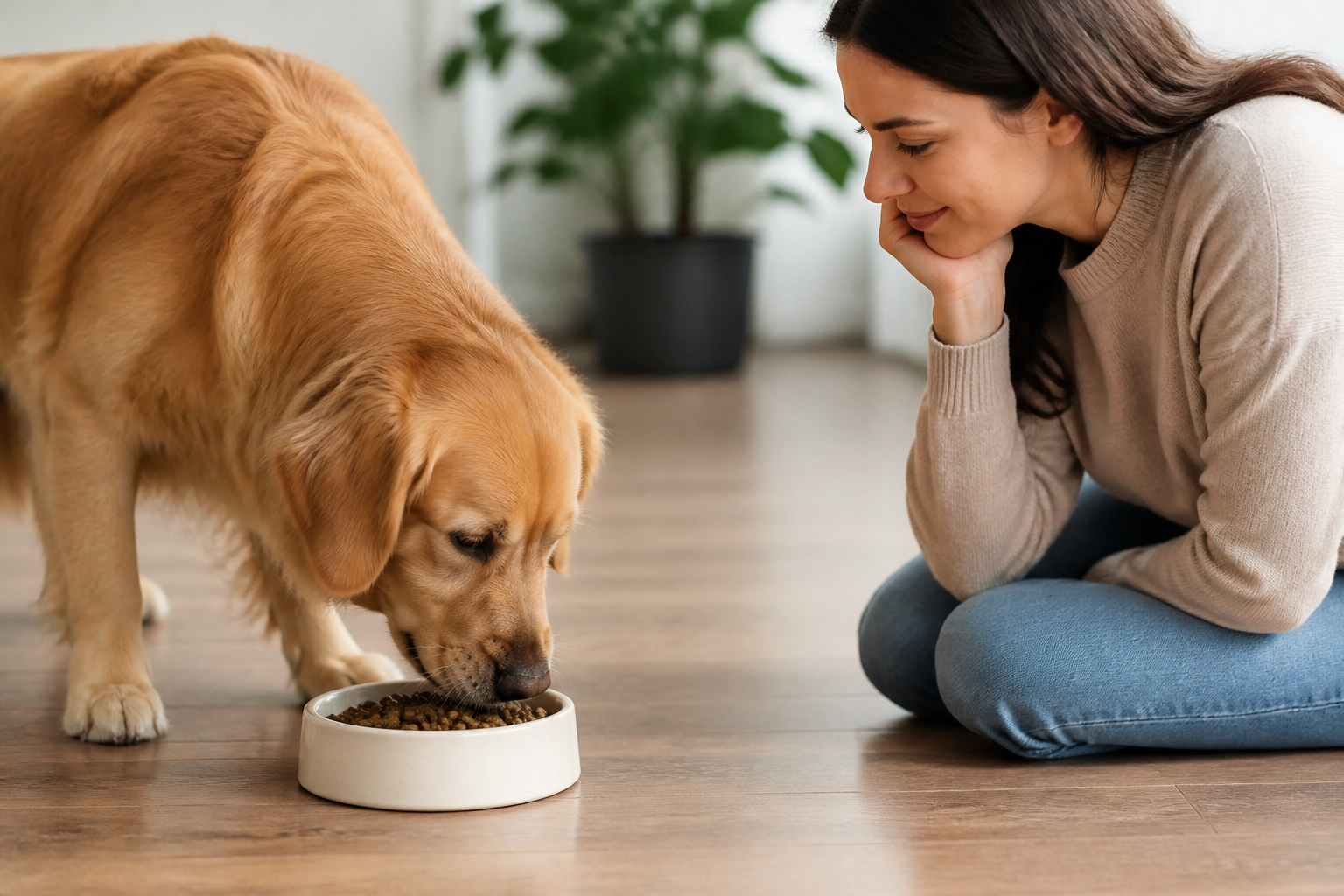
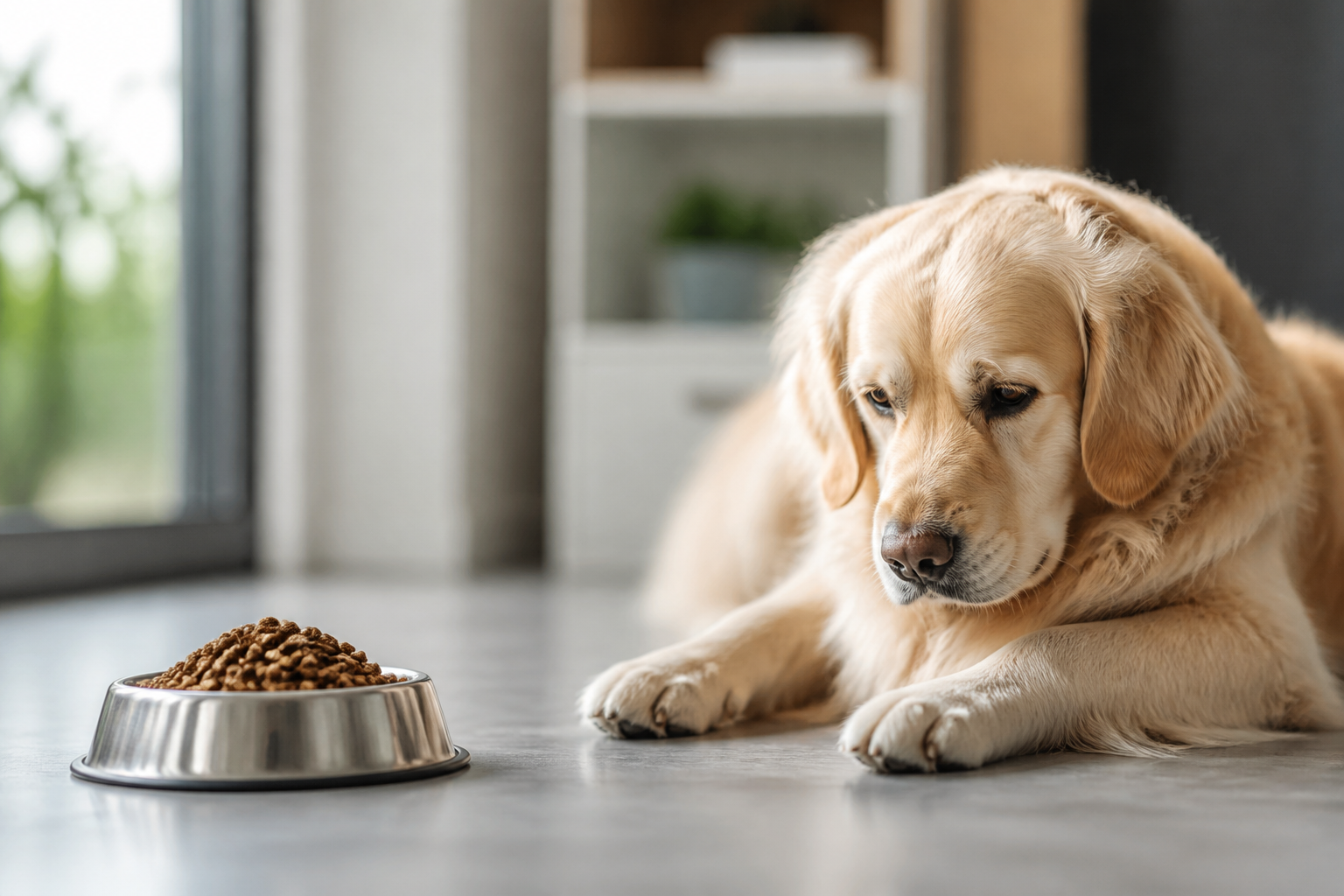
You set the bowl down and wait for the familiar sound of your dog happily crunching through their kibble. Instead, they nudge the bowl with their nose or take a single bite and walk away. This moment is frustrating for any pet owner. It often happens when a senior dog develops dental sensitivity or a puppy finds hard biscuits too difficult to manage. At BaxterBoo, we see this often. We know that mealtime should be the highlight of your dog's day, not a chore. This guide explores the simple steps you can take to make dry food more palatable and easier to eat. We will cover the best liquids to use, how to maintain proper nutrition, and when a change in eating habits might mean it is time for a veterinary visit.
Quick Answer: Yes, you can soften dry dog food using warm water, low-sodium broth, or wet food toppers. This process makes kibble easier to chew for senior dogs and puppies while boosting hydration and aroma for picky eaters.
The Benefits of Softening Dry Dog Food
There are several practical reasons why you might choose to change the texture of your dog's meal. While many dogs do fine with hard kibble, others need a bit of help to get the nutrition they require. Understanding these benefits helps you decide if this extra step is right for your household.
Support for Senior Dogs and Dental Issues
As dogs age, their oral health can decline. Missing teeth, receding gums, or fractured premolars make it painful to crack open hard kibble. If your senior dog is tilting their head while eating or dropping pieces of food, they might be in discomfort. Softening the food removes the need for forceful chewing. This allows them to eat their full portion without pain.
Our dog healthcare selection includes products that may support your dog's overall wellness. If your dog is struggling with dental issues, softening their food is a great first step. However, it is also important to address the underlying cause of the pain with your veterinarian.
Better Hydration for All Life Stages
Many dogs do not drink enough standing water from their bowls. This is especially true for senior dogs with cognitive changes or puppies who are too busy playing to stop for a drink. By adding liquid directly to their food, you ensure they are getting essential moisture with every meal. Proper hydration supports kidney function and keeps the digestive system moving smoothly.
Enhanced Aroma for Picky Eaters
Dogs experience the world primarily through their sense of smell. Dry kibble straight from the bag does not always have a strong scent. When you add warm water or broth, the heat releases the fats and aromas within the food. This makes the meal much more enticing. If you have a dog that has recently lost interest in their favorite brand, a little warmth and moisture might be all they need to regain their appetite.
Key Takeaway: Softening food is a simple way to manage dental pain, increase water intake, and make meals smell more appealing to dogs of all ages.
Step-by-Step Methods to Soften Kibble
You do not need special equipment to change the consistency of your dog's food. Most of these methods take less than fifteen minutes and use items you already have in your kitchen.
Method 1: The Warm Water Soak
This is the most common and cost-effective method. It is perfect for daily use and does not add extra calories to the diet.
Step 1: Measure your dog's standard portion of kibble into a clean bowl.
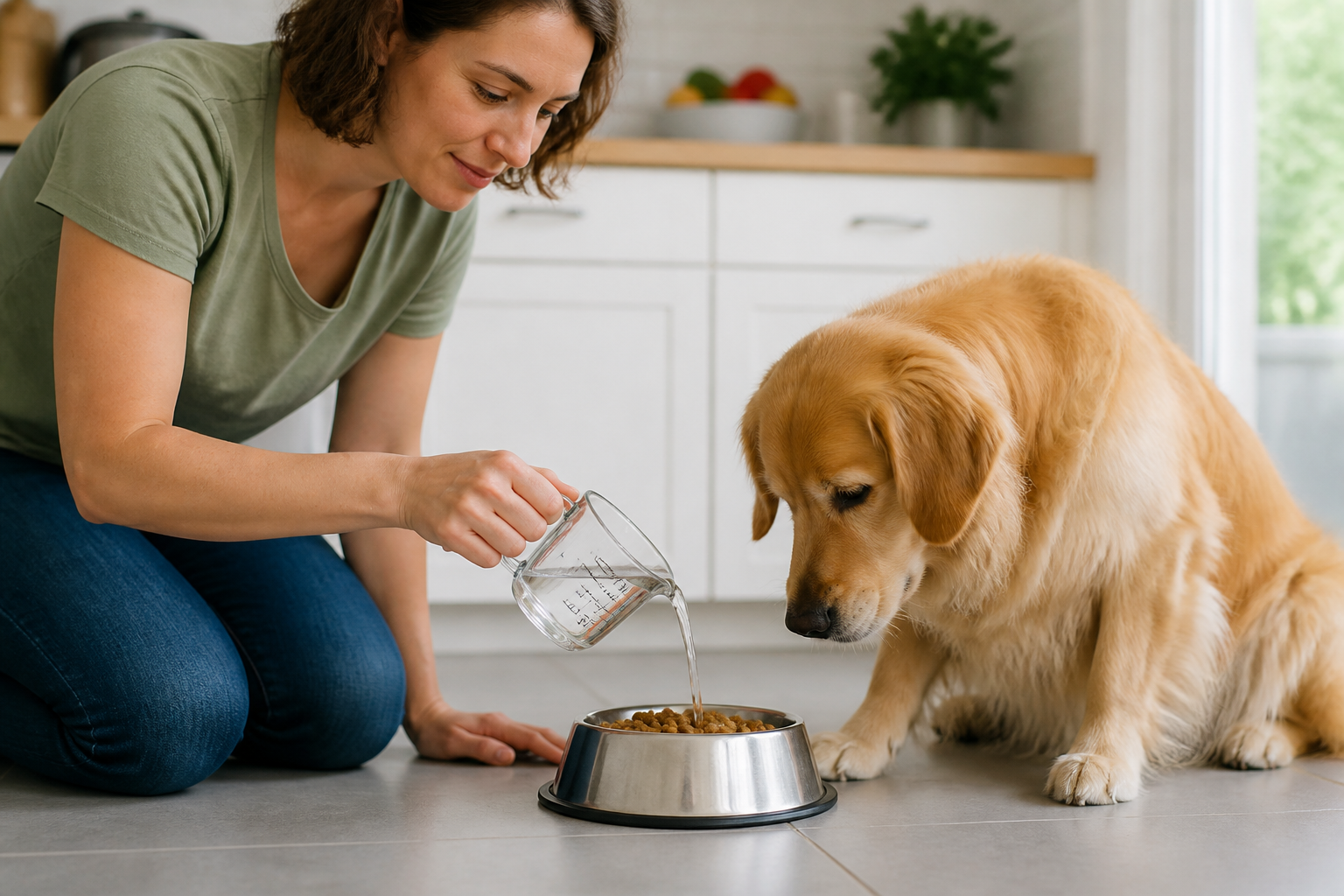
Step 2: Add roughly one-quarter cup of warm water for every cup of dry food.
Step 3: Let the bowl sit for 10 to 15 minutes. The kibble will swell and become sponge-like in texture.
Step 4: Stir the mixture to ensure even moisture distribution before serving.
Method 2: Using Bone Broth or Stock
For dogs that need extra encouragement, broth adds a layer of savory flavor. It also provides extra nutrients like collagen.
Step 1: Choose a dog-safe bone broth, such as options from Open Farm or The Honest Kitchen.
Step 2: Warm the broth slightly on the stove or in the microwave. It should be warm to the touch, not boiling.
Step 3: Pour the broth over the kibble until it is halfway submerged.
Step 4: Allow it to soak for 10 minutes. The result is a stew-like consistency that most dogs find irresistible.
Vet Tip: Never use human-grade canned broth or bouillon cubes. These often contain high levels of sodium, onions, and garlic. These ingredients are toxic to dogs and can cause serious health issues.
Method 3: Mixing with Wet Food
If you want to add variety and texture, mixing dry and wet food is an excellent choice. Brands like Royal Canin and Farmina offer canned versions of their formulas that pair perfectly with their dry kibble. You can browse our dog food category when comparing options.
Step 1: Reduce the amount of dry kibble by about 25 percent to account for the calories in the wet food.
Step 2: Add two to three tablespoons of canned food to the bowl.
Step 3: Add a splash of warm water.
Step 4: Use a fork to mash the wet food into the dry pieces until they are well coated and starting to soften.
Softening Food for Puppies
Transitioning a puppy from their mother's milk to solid food is a big milestone. Their tiny teeth and sensitive stomachs are not always ready for hard biscuits right away. Most puppies start this transition around three to four weeks of age.
During the weaning process, you should create a "gruel" or "mash." This involves soaking the puppy kibble until it is completely soft and then mashing it with a fork. As the puppy grows and their teeth become stronger, you can gradually reduce the amount of water and the soaking time. Most puppies are ready for fully dry food by the time they are 8 to 12 weeks old.
If your puppy seems to struggle with dry food after this age, they may be experiencing teething pain. Softening the food during the peak of teething can help them stay on their growth schedule. We carry a wide variety of puppy-specific formulas in our puppy collection that are designed to be easily digestible and nutrient-dense.
Key Takeaway: Gradually reduce the moisture in puppy food over several weeks to help them transition to adult kibble without digestive upset.
Safety Precautions and Hygiene
While softening food is beneficial, it does require a bit more care than serving dry kibble. Moisture and warmth create the perfect environment for bacteria to grow. Following a few simple safety rules will keep your dog's gut healthy.
Prevent Fermentation and Spoilage
Dry kibble is shelf-stable because it lacks moisture. Once you add water or broth, the clock starts ticking. Never leave moistened food out at room temperature for more than 30 to 60 minutes. If your dog does not finish their meal within that window, you must discard the leftovers. Bacteria and mold can develop quickly, leading to upset stomachs or food poisoning.
Proper Bowl Cleaning
When you feed dry food, it is easy to forget to wash the bowl every day. With softened food, cleaning is mandatory after every single meal. The softened bits of food stick to the sides and bottom of the bowl. If these are not scrubbed away, they can ferment and contaminate the next meal. Use hot, soapy water or a dishwasher-safe bowl for the best results.
Temperature Check
It is tempting to use boiling water to speed up the softening process. However, this can be dangerous. Boiling water can destroy some of the heat-sensitive vitamins in the kibble. More importantly, it can cause severe burns to your dog's mouth and throat. Always test the temperature with your finger before setting the bowl down. It should be lukewarm or room temperature.
Bottom line: Treat softened kibble like fresh food by discarding leftovers quickly and washing bowls after every meal.
When Softened Food is Not Enough
Sometimes, softening the food is only a temporary fix for a larger problem. If your dog continues to lose weight, seems lethargic, or shows a persistent lack of interest in food, it is time to look deeper.
Chronic Health Conditions
Issues like kidney disease, liver problems, or gastrointestinal disorders can cause a sudden change in appetite. In these cases, your veterinarian might recommend a prescription diet. Our dog pharmacy carries a variety of prescription foods, including Farmina Vet Life and Royal Canin Veterinary Diet. These are formulated to manage specific health conditions and often come in both wet and dry versions. Through our partnership with Pet's Choice, we make it easy to get these specialized foods delivered right to your door.
Serious Dental Problems
If your dog has a broken tooth or an abscessed gum, even soft food will eventually become painful to eat. Watch for signs like:
- Drooling more than usual
- Pawing at the mouth
- Blood on chew toys or in the water bowl
- Swelling around the face or under the eyes
These symptoms require professional dental care. Softening food can help keep them nourished until their appointment, but it will not fix the infection or the injury.
Vet Tip: If your dog stops eating entirely for more than 24 hours, contact your veterinarian immediately. This is especially critical for small breeds and senior dogs who can become dehydrated very quickly.
Managing Weight and Portions
It is easy to accidentally overfeed when you start adding toppers or mixing in wet food. A few extra tablespoons of broth or canned food might not look like much, but those calories add up over a week.
Watch the Calorie Count
If you are using broth, check the label for calorie content. If you are mixing in wet food, use a kitchen scale or a measuring cup to ensure you are reducing the dry kibble portion by a corresponding amount. Most pet owners find success with a 75 percent dry and 25 percent wet split.
Using Toppers Wisely
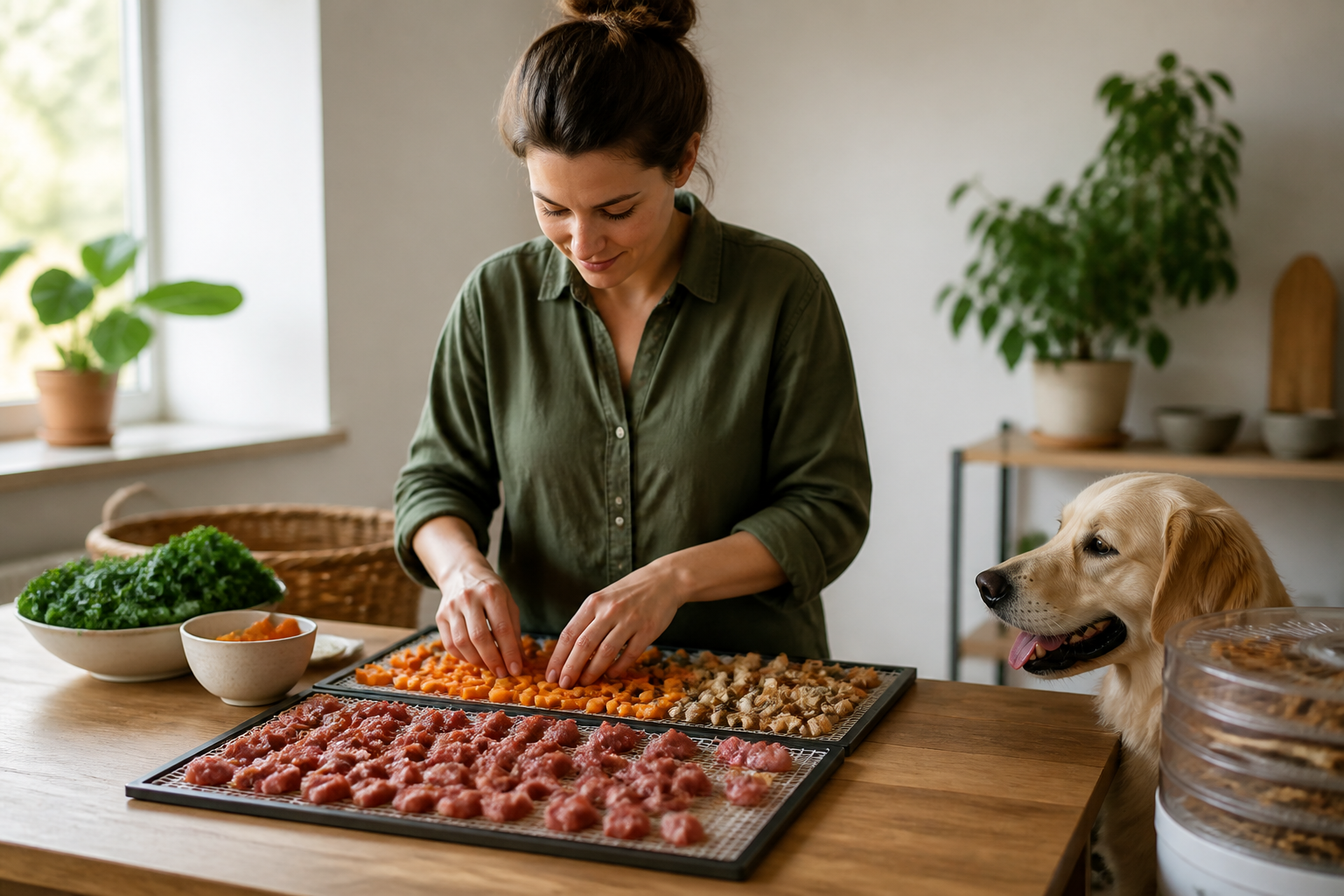
Brands like Stella and Chewy's or Zesty Paws offer meal mixers and toppers that are nutrient-rich. These are great for adding flavor without needing to soak the food for a long time. However, treats and toppers should never make up more than 10 percent of your dog's total daily caloric intake. You can compare additional options in our dog treats category.
Storage and Preparation Tips
If you have a busy morning routine, you might be tempted to prep the softened food the night before. This is possible, but it must be done correctly to stay safe.
- The Refrigerator Method: You can mix the kibble and water in a sealed container and keep it in the fridge overnight. This results in a very soft, almost pate-like texture.
- Avoid Large Batch Prep: Do not prep more than 24 hours of food at a time. The longer the food sits in moisture, the more the nutritional profile can degrade.
- Microwave with Care: If you need to take the chill off refrigerated food, microwave it in 10-second intervals. Stir it thoroughly to eliminate "hot spots" that could burn your dog.
At BaxterBoo, we recommend using stainless steel or ceramic bowls for soaking. Plastic bowls can develop tiny scratches over time that harbor bacteria, making them harder to fully sanitize after a "wet" meal.
Conclusion
Softening your dog's dry food is a practical, effective way to improve their quality of life. Whether you are helping a senior dog manage dental discomfort, assisting a puppy through the weaning phase, or simply trying to get a picky eater to finish their dinner, the benefits are clear. Adding moisture through warm water or safe broths improves hydration, enhances aroma, and makes digestion easier.
Remember these key steps:
- Use warm (not boiling) water or low-sodium, dog-safe broth.
- Soak for 10 to 15 minutes to reach the desired texture.
- Clean bowls thoroughly after every meal to prevent bacterial growth.
- Monitor your dog's weight and adjust portions if you add wet food or toppers.
- Consult your vet if your dog shows persistent signs of dental pain or a loss of appetite.
For all your specialized food and health needs, visit our Medical & Mobility section or check out our Autoship programme for repeat food orders. Joining the MVP Rewards programme can also help you get more value from your purchases.
FAQ
Can I use cow's milk to soften my dog's food?
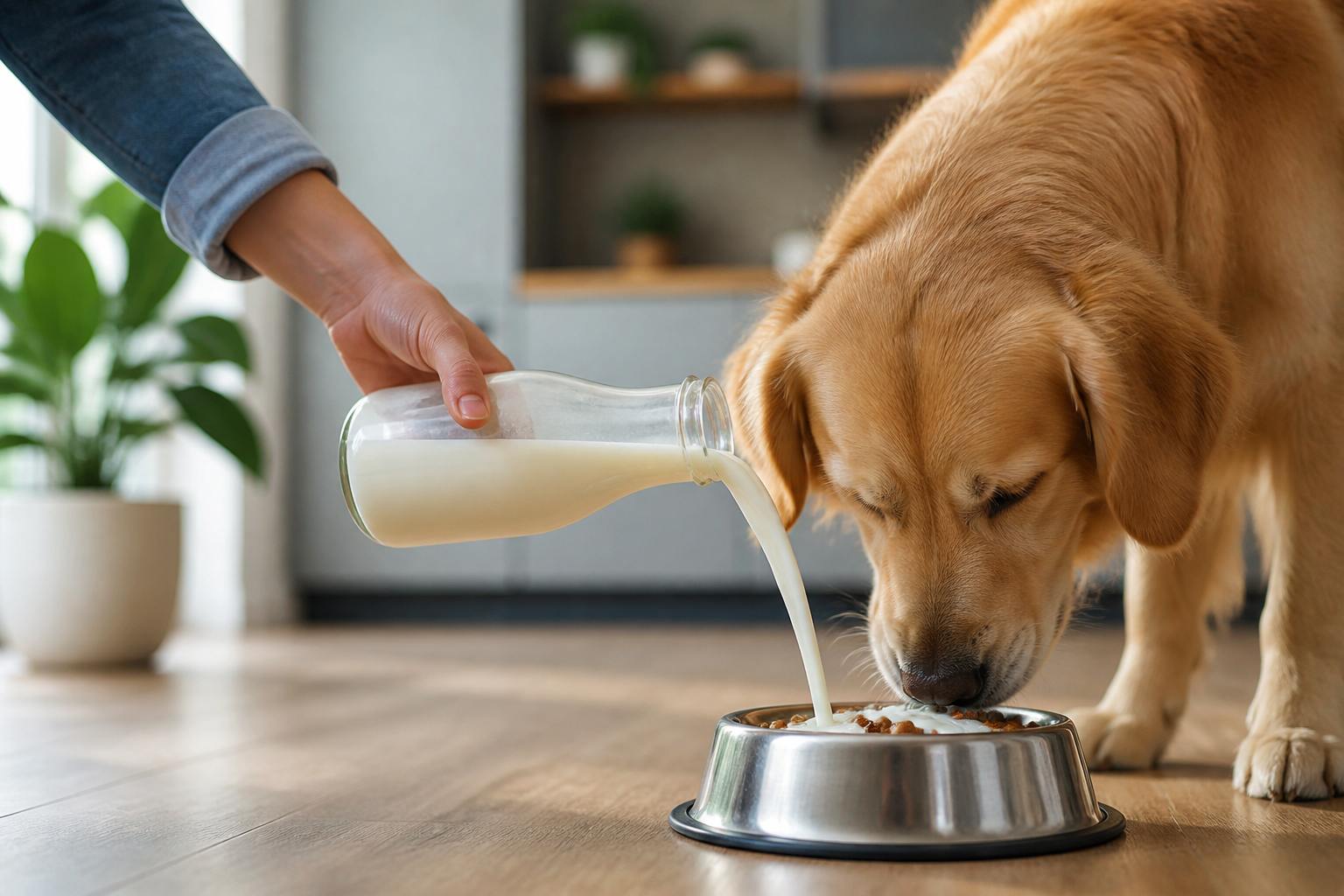
It is best to avoid using cow's milk for softening kibble. Many dogs are lactose intolerant, and giving them milk can lead to gas, bloating, and diarrhea. If you want to use a white liquid for a puppy, look for a specific puppy milk replacer designed for their digestive systems.
Does soaking kibble cause it to lose nutritional value?
Soaking kibble in warm water or broth does not significantly change the nutritional value, provided you do not use boiling water. High heat can damage some vitamins. As long as your dog eats the entire portion, including any leftover liquid in the bowl, they are getting all the nutrients intended by the manufacturer.
Will softened food cause more tartar buildup on my dog's teeth?
Dry kibble is often credited with helping to "scrape" teeth clean, but this effect is minimal. While soft food does not provide that mechanical scraping, the most important factor for dental health is regular brushing and professional cleanings. If you switch to soft food, consider adding a dental additive to their water or using dental wipes.
How do I know if I have added too much water?
If the food looks like a thin soup and your dog is leaving the liquid behind, you may have added too much. Ideally, the kibble should absorb most of the liquid, leaving it soft and expanded but not swimming in a large puddle. Start with a small amount of liquid and gradually increase it until you find the consistency your dog prefers.