Save 15% on your 1st Autoship learn more

 Email us
 Live Chat
 FAQs
FAQs





Introduction
You are petting your cat when you notice a flurry of white specks on their dark fur. As you look closer, you see that the hair around their lower back is thinning, leaving behind patches of dry, flaky skin. It is a common sight for many pet owners, but it often signals that your cat needs a little extra help with their skin and coat health. We at BaxterBoo understand how much you care about your feline friend's comfort and appearance. This guide covers the various reasons why cats develop dandruff and lose fur, from simple grooming issues to underlying medical conditions. By identifying the root cause, you can help your cat return to their sleek, shiny self.
Quick Answer: Cat dandruff and hair loss are often linked to skin irritation, poor nutrition, or an inability to groom properly. Common causes include parasites, allergies, or health issues like hyperthyroidism. A combination of a high-quality diet, regular brushing, and veterinary care is usually the best way to resolve these symptoms.
What Is Cat Dandruff and Why Does It Happen?
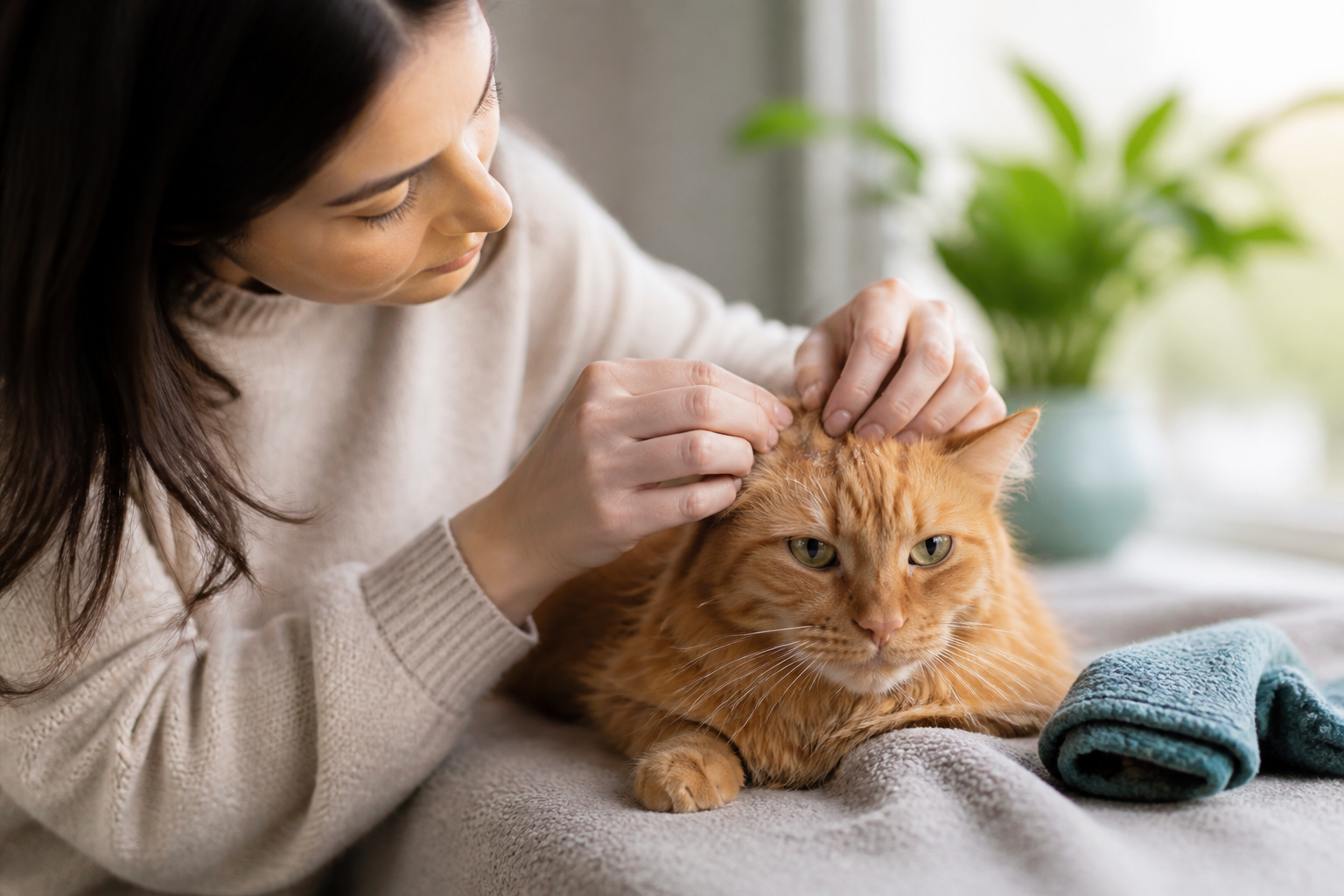
Dandruff is more than just a cosmetic issue. It occurs when the sebaceous glands in the skin overproduce oil or when skin cells shed too quickly. These oils are meant to protect the skin and keep the coat soft. When the balance is off, the skin becomes irritated and starts to flake. You might see these white specks on your cat's bedding or notice them when you brush their fur.
Hair loss, or alopecia, often follows dandruff because of the associated itchiness. When a cat's skin is dry and flaky, they tend to scratch, bite, or lick the area excessively. This over-grooming can lead to thinning hair or even total baldness in certain spots. The skin underneath may look red, inflamed, or perfectly normal, depending on the cause.
It is important to distinguish between normal dander and dandruff. Dander consists of microscopic dead skin cells that all cats shed. You cannot see dander with the naked eye. Dandruff is much larger and clearly visible. If you can see the flakes, your cat's skin is likely struggling with an imbalance that needs your attention.
Common Reasons for Hair Loss and Flaky Skin
There are several reasons why your cat might be losing hair and showing signs of dandruff. Some are related to their environment, while others are internal. Identifying the specific symptoms can help you and your veterinarian find a solution.
Inability to Groom
Cats are famous for their grooming habits. They spend a large portion of their day cleaning themselves. This process removes loose hair and dead skin cells. If a cat stops grooming effectively, dandruff and dead hair will build up. This often happens for a few specific reasons:
- Obesity: If a cat is overweight, they may not be able to reach their lower back or the base of their tail. This is why dandruff is so common in those specific areas on heavier cats.
- Arthritis: Senior cats often suffer from joint pain or stiffness. This makes it uncomfortable for them to twist and reach certain parts of their body.
- Dental Pain: If your cat's mouth hurts, they may stop grooming altogether because the action of licking is too painful.
Environmental Factors
Your home's environment can play a big role in skin health. During the winter, indoor heating can strip the moisture out of the air. This leads to dry skin for both humans and pets. If your cat spends a lot of time near a heater or a sunny window, their skin may become dehydrated and flaky.
Vet Tip: If you notice your cat is limping or seems less active while also developing dandruff, consult your veterinarian. They can check for signs of arthritis or mobility issues. Managing pain can often help a cat return to their normal grooming routine.
The Role of Nutrition in Coat Health
What goes into your cat's body shows up on the outside. A cat's skin and coat require a massive amount of protein to stay healthy. In fact, up to 30 percent of a cat's daily protein intake goes directly toward maintaining their skin and fur. If their diet is lacking in high-quality, digestible protein, their coat is the first thing to suffer.
Essential fatty acids are another vital component. Omega-3 and omega-6 fatty acids support the skin barrier and reduce inflammation. Since cats cannot produce these on their own, they must get them from their food or supplements. A diet low in these fats often results in a dull, brittle coat and flaky skin.
At BaxterBoo, we carry a wide selection of cat foods and skin-support nutrition designed to support skin and coat health. Brands like Farmina, Royal Canin, and The Honest Kitchen offer recipes specifically formulated with the right balance of fats and proteins. If your cat is prone to allergies, a limited ingredient diet might be the best path forward.
Key Takeaway: Quality nutrition is the foundation of a healthy coat. Ensure your cat's food is rich in animal-based proteins and essential fatty acids to prevent dryness and excessive shedding.
Parasites and Fungal Infections
Sometimes the cause of dandruff and hair loss is a tiny invader. Parasites can cause intense itching, which leads to hair loss through scratching and biting.
Fleas and Mites
Fleas are a common culprit. Even if you do not see them, your cat might have a flea allergy. A single bite can cause a massive reaction, leading to scabs, flakes, and bald spots near the tail. Mites can also cause a condition known as walking dandruff. This is caused by the Cheyletiella mite, which is large enough to look like moving flakes of skin.
Ringworm
Despite the name, ringworm is a fungal infection, not a worm. It is highly contagious to other pets and humans. It typically causes circular patches of hair loss, often accompanied by crusty or scaly skin. If you suspect ringworm, it is vital to see a vet immediately to prevent it from spreading through your entire household.
Our cat pharmacy provides access to FDA-approved flea and tick preventives and fungal treatments through our partnership with Pet's Choice. Keeping your cat on a year-round preventive is one of the easiest ways to avoid skin issues caused by external parasites.
Internal Health Conditions
If your cat's diet is excellent and they are free of parasites, the issue might be an internal health condition. Several systemic diseases can manifest as skin problems.
Hyperthyroidism
This is common in older cats. An overactive thyroid speeds up the metabolism, which can lead to a greasy, unkempt coat and patches of hair loss. These cats often have an increased appetite but continue to lose weight.
Diabetes
Like hyperthyroidism, diabetes can affect the quality of a cat's skin. Dehydration is a common side effect of diabetes, which leads to dry, flaky skin. If you notice your cat is drinking much more water than usual or using the litter box more frequently, a vet visit is necessary.
Stress and Anxiety
Cats are sensitive to changes in their environment. A move, a new pet, or even a change in your work schedule can cause stress. Some cats respond to anxiety by over-grooming. This is called psychogenic alopecia. They may lick their belly or legs until the hair is completely gone.
Vet Tip: Any sudden change in your cat's grooming habits, appetite, or water intake warrants a veterinary exam. Blood work or skin scrapings can help rule out serious conditions like diabetes or hyperthyroidism.
How to Help Your Cat at Home
Once you have consulted your vet to rule out serious illness, there are several steps you can take at home to improve your cat's skin and coat.
Regular Brushing
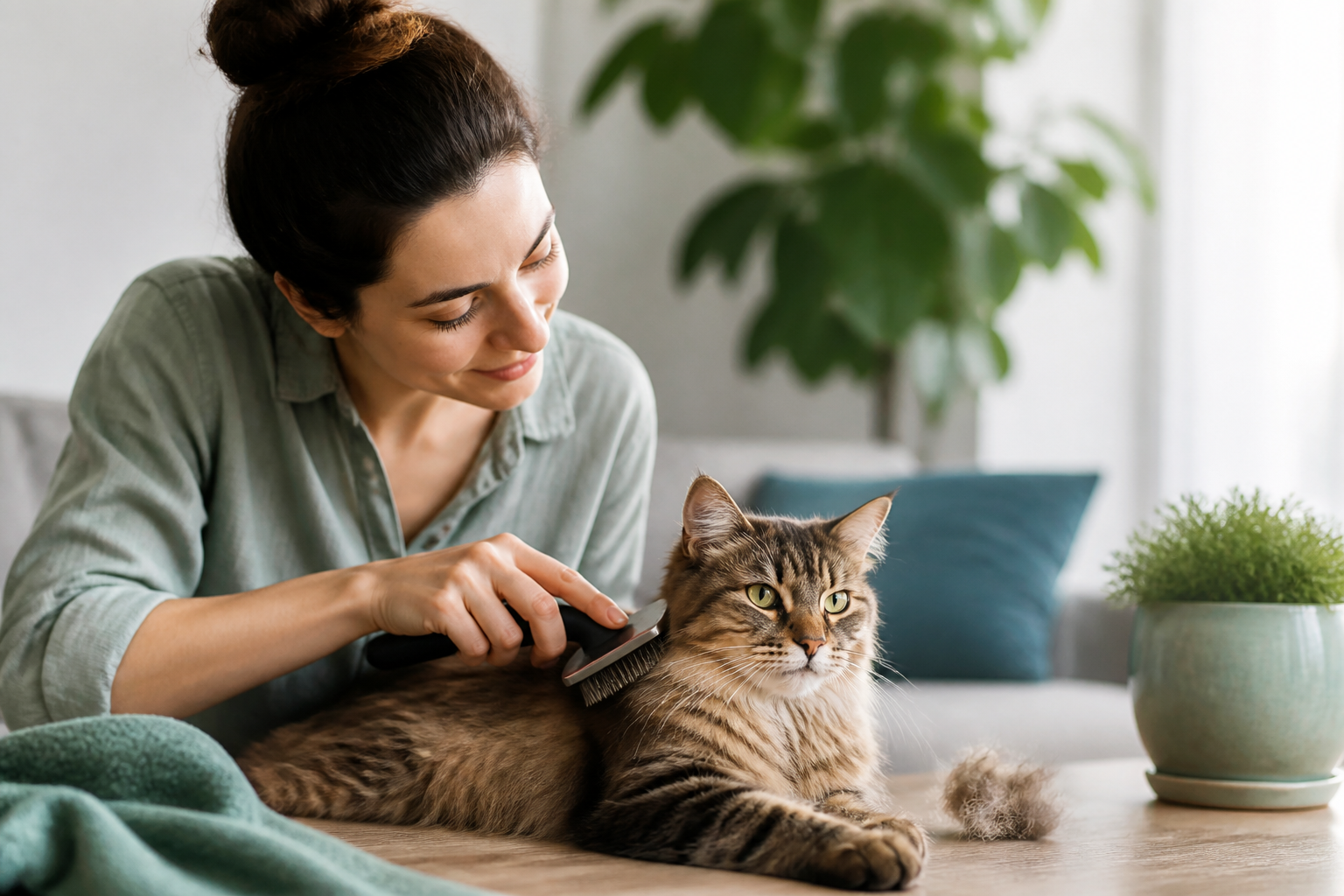
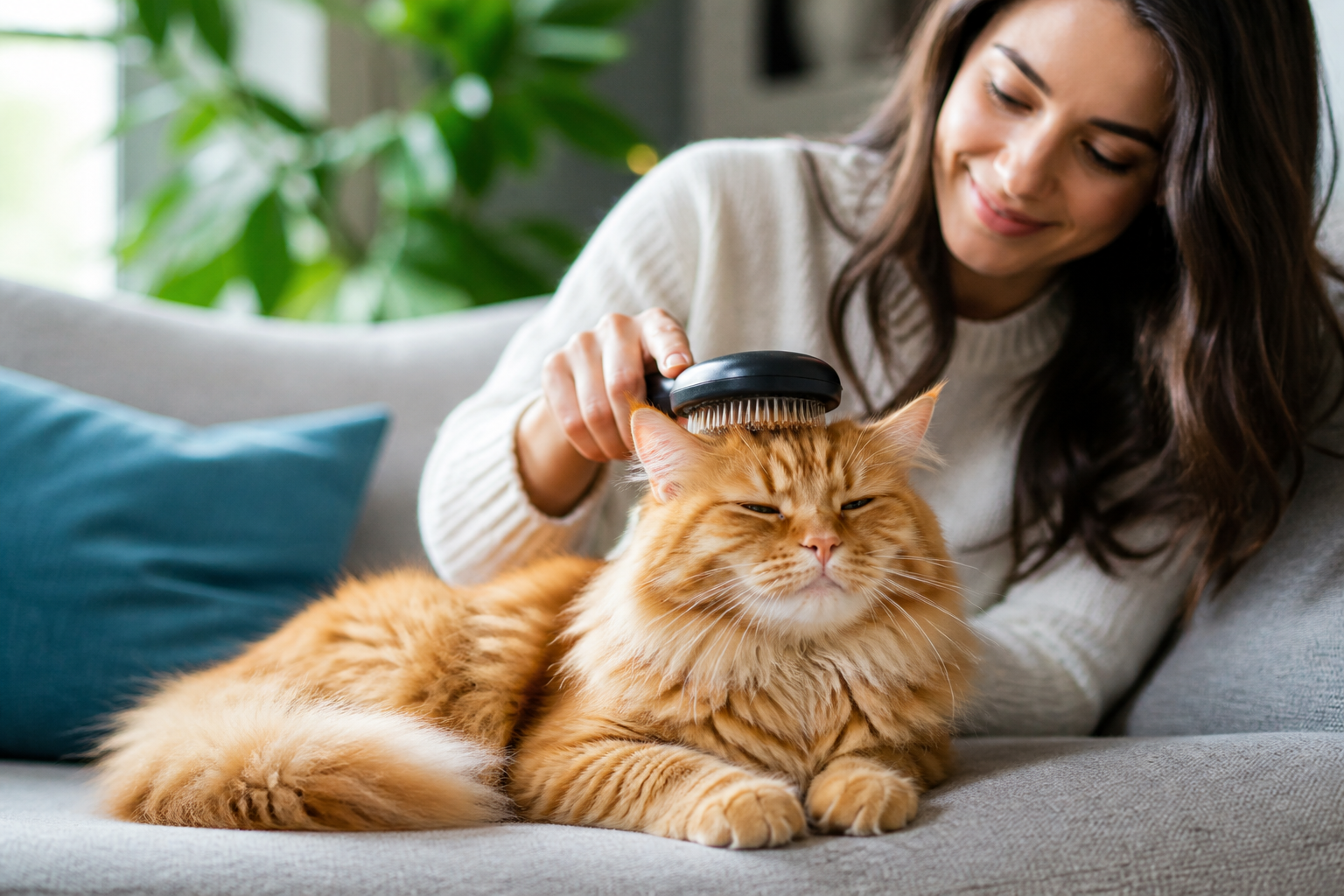
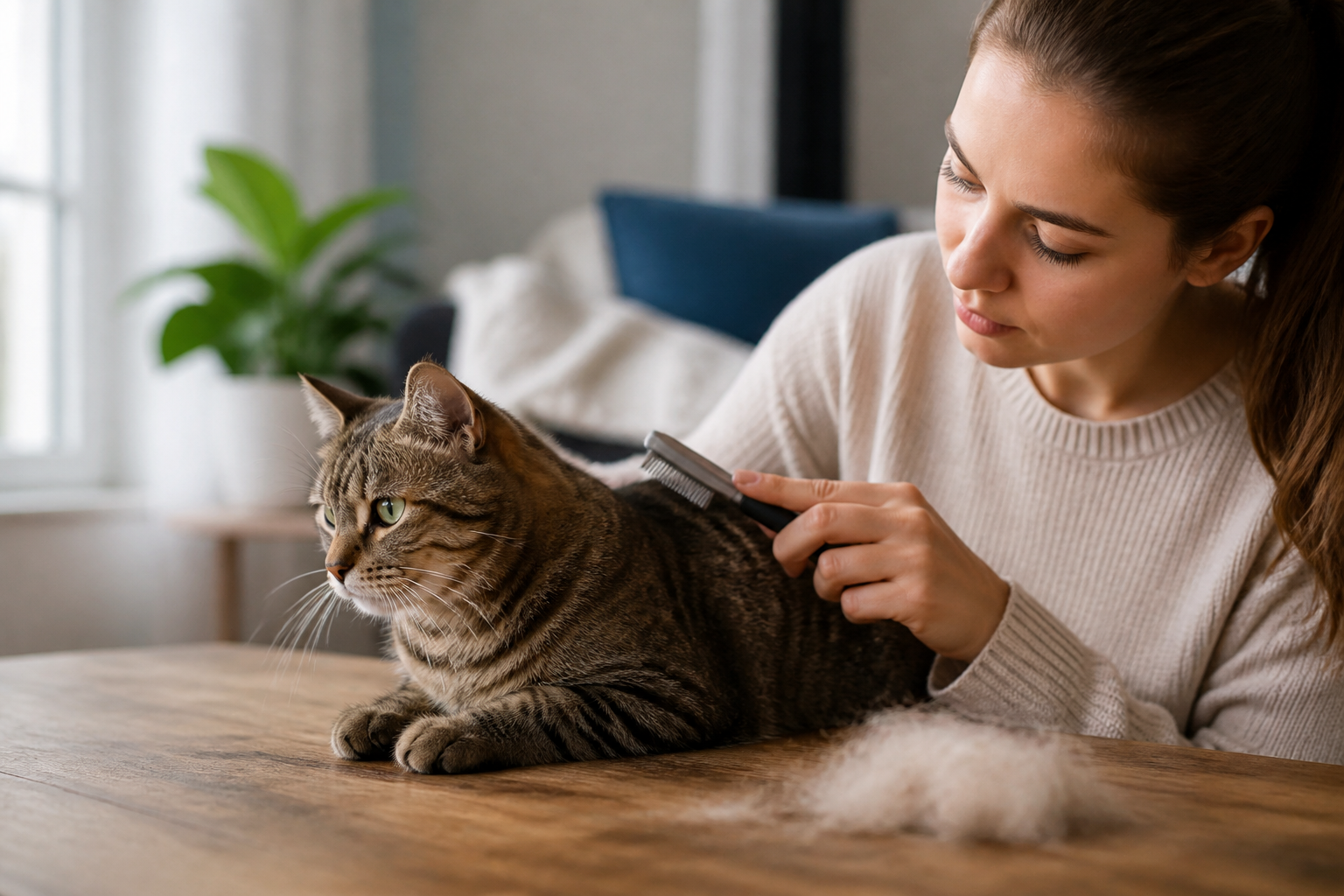
Brushing is the most effective way to manage dandruff. It helps distribute natural oils across the skin and removes dead hair before it can mat or cause irritation. For short-haired cats, a weekly brush is usually enough. Long-haired cats may need daily attention.
Use a Humidifier
If you live in a dry climate or use a lot of indoor heating, a humidifier can help. Adding moisture back into the air prevents your cat's skin from drying out. This is especially helpful during the winter months when dandruff tends to flare up.
Proper Hydration
Make sure your cat is drinking enough water. Many cats prefer running water, so a pet fountain can encourage them to drink more. Wet food is also a great way to add extra moisture to their diet.
Step-by-Step: Transitioning to a Skin-Support Diet
If you decide to change your cat's food to support their skin, do it slowly to avoid stomach upset.
Step 1: Mix 25% of the new food with 75% of the old food. / Do this for two to three days while watching for any digestive changes.
Step 2: Increase the new food to 50% and decrease the old food to 50%. / Continue this for another two to three days if your cat is eating well.
Step 3: Move to 75% new food and 25% old food. / Maintain this ratio for a few more days to ensure your cat has fully adjusted.
Step 4: Transition to 100% of the new skin and coat support food. / Monitor your cat's skin over the next eight weeks to see improvements.
For more guidance on food sensitivities and over-grooming, read about hydrolyzed protein cat food options.
Specialized Grooming Tools and Supplies
The right tools make a big difference in managing a flaky coat. Using a brush that is too harsh can scratch the skin and make dandruff worse. Look for soft-bristled brushes or silicone grooming mitts that gently massage the skin.
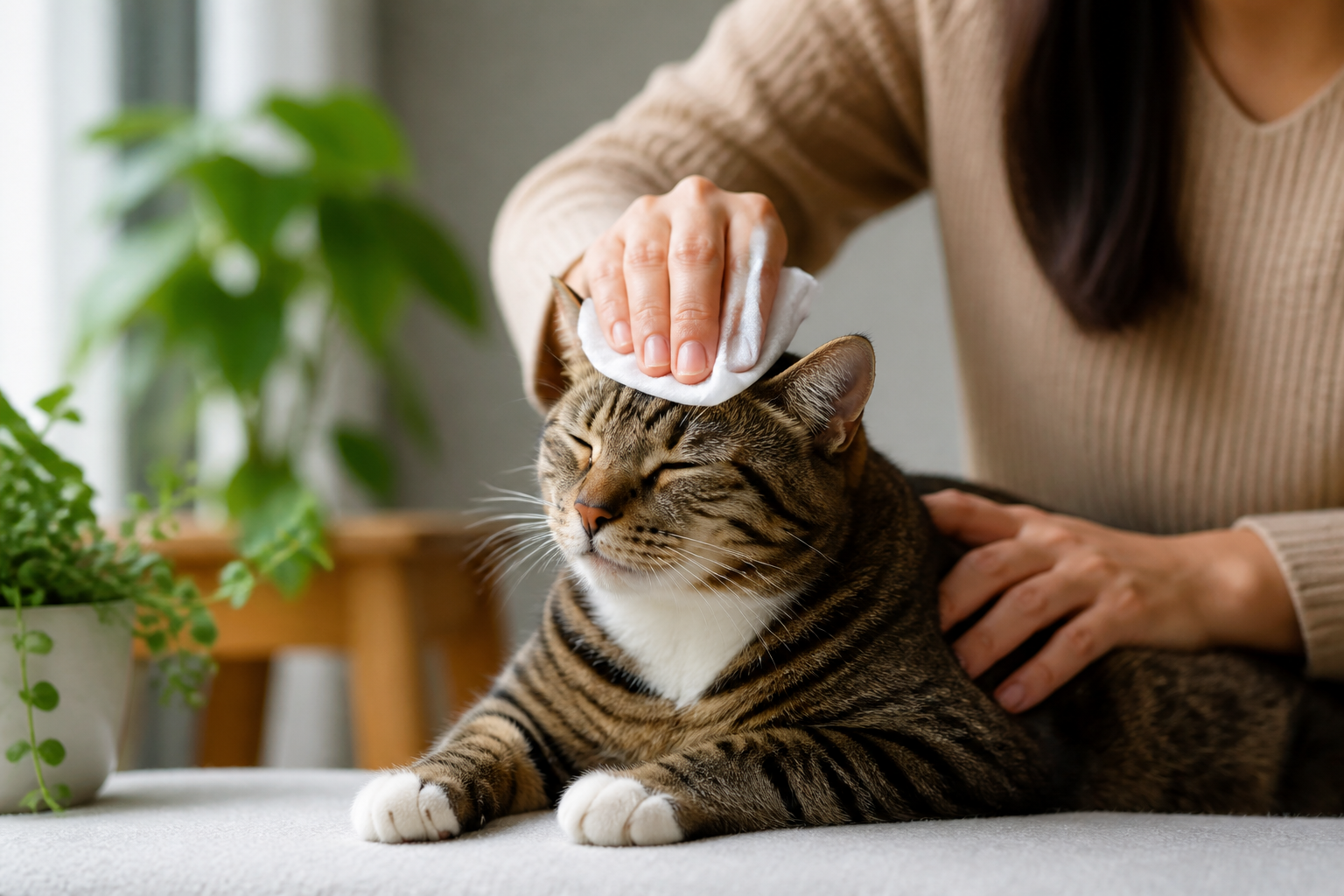
If your cat's skin is particularly greasy, you might need a waterless shampoo or grooming wipes. These allow you to clean the coat without the stress of a full bath. Always choose products specifically formulated for cats. Human shampoos have a different pH balance and can cause further irritation.
We carry a variety of cat grooming supplies that are gentle on sensitive skin. From de-shedding tools like the Furminator to soothing wipes, we have the gear you need to keep your cat's coat in top shape. Our MVP Rewards program is a great way to save on these essentials, especially if you find yourself grooming your cat daily.
Managing Allergies
Allergies are a frequent cause of skin issues in cats. They can be allergic to things in the environment, such as pollen or dust mites, or ingredients in their food. Food allergies often cause itching around the head and neck, leading to significant hair loss.
Working with your vet to identify the allergen is key. They may recommend an elimination diet or a prescription food. Our partnership with Pet's Choice allows you to easily order prescription diets and allergy medications through the BaxterBoo website once you have a vet's authorization.
For additional information, explore sensitive stomach food choices for cats.
Bottom line: Solving cat dandruff and hair loss requires a holistic approach that looks at diet, environment, and underlying health.
Conclusion
Seeing your cat deal with dandruff and hair loss can be frustrating, but most cases are manageable with the right care. Whether it is adding a supplement to their meal, increasing your brushing sessions, or treating a parasitic infection, your efforts will make a big difference in their comfort. We are here to support you with expert advice and the highest quality products for your feline companions. If the symptoms persist or your cat seems in distress, always make a veterinary appointment your first priority.
- Check for parasites like fleas and mites.
- Upgrade to a high-quality, protein-rich diet.
- Brush your cat regularly to distribute natural skin oils.
- Consult your vet for persistent hair loss or skin changes.
For those managing chronic conditions or needing specialized flea prevention, our pharmacy is ready to help with FDA-approved solutions. You can even set up our Autoship programme for your cat's favorite skin-support food to ensure they never miss a meal while saving on every order.
FAQ
Is it normal for cats to have a little bit of dandruff? A very small amount of flakes can be normal, especially as cats shed their winter coats. However, if you see large amounts of dandruff or notice your cat is losing hair, it usually indicates an underlying issue like dry skin or a health problem. It is always best to monitor your cat's grooming habits and skin condition to catch changes early.
Can stress really cause my cat to lose hair? Yes, cats often respond to stress or anxiety by over-grooming themselves as a form of self-soothing. This can lead to thin patches of fur or bald spots, particularly on their belly and legs. If you have recently moved or added a new pet to the home, stress might be the primary cause of your cat's hair loss.
Will a bath help get rid of my cat's dandruff? While a bath can wash away existing flakes, it may actually make the problem worse if the cause is dry skin. Soap can strip away natural oils, leading to more irritation. It is usually better to use a grooming wipe or a waterless shampoo and focus on improving their diet and hydration instead.
When should I see a veterinarian about my cat's skin? You should schedule a vet visit if the hair loss is sudden, if the skin looks red and inflamed, or if your cat is scratching constantly. You should also seek professional advice if the dandruff is accompanied by other symptoms like weight loss, increased thirst, or lethargy. A vet can rule out serious conditions like ringworm, diabetes, or hyperthyroidism.