
 Save 15% on your 1st Autoship learn more

 Email us
 Live Chat
 FAQs





Introduction
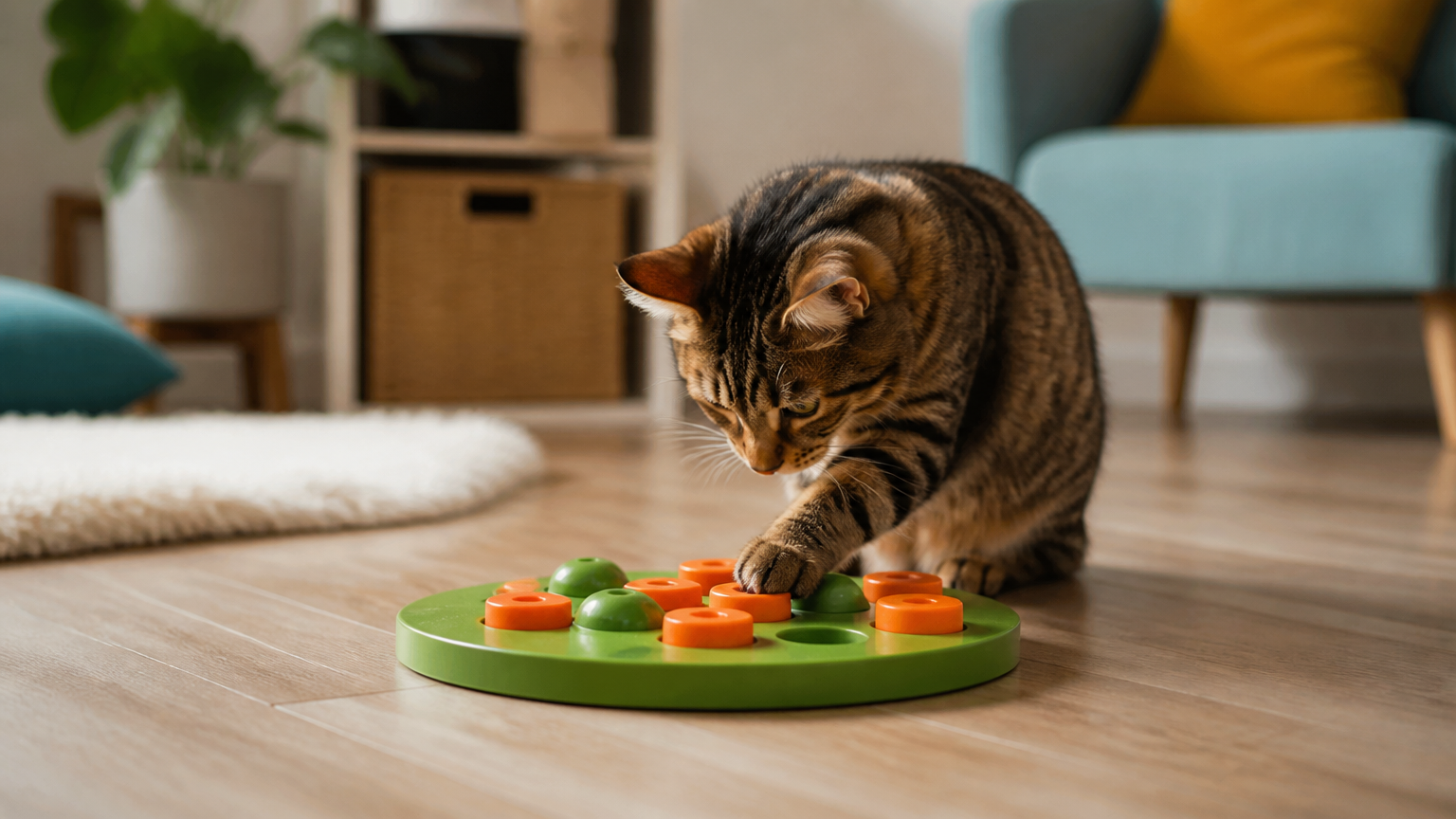
Your cat finishes a meal in minutes, then starts looking for something else to do. A cat puzzle toy can turn part of that meal, or a few treats, into a small activity. Your cat might paw food out of a cup, nudge a ball across the floor, or move a piece to find a reward.
At BaxterBoo, we know the choices can feel confusing. Some puzzles hold a full portion of dry food, while others are better suited to a few treats. We’ll help you compare the styles, choose a suitable challenge, and introduce it without making mealtime frustrating. The best puzzle is one your cat can use comfortably and wants to explore.
What Is a Cat Puzzle Toy?
A cat puzzle toy asks your cat to do something to reach a reward or an object. Food puzzles and enrichment feeders usually hold kibble or treats. Nonfood puzzles might let your cat reach into openings to bat at a toy.
These toys offer a different kind of activity from a wand or ball you move yourself. A food puzzle gives your cat an opportunity to sniff, paw, nudge, and find small pieces of food at their own pace. You can use one alongside regular play rather than expecting it to replace time with you.
The terms can overlap. A treat-dispensing toy is one kind of food puzzle, while a cat enrichment feeder may be designed to hold a larger portion. The useful distinction is how your cat gets the food and how much the toy can hold.
Interactive & Electronic Toys




Which Cat Puzzle Toy Should You Choose?
Start with your cat’s preferred way of interacting. A cat who enjoys pushing objects may like a rolling dispenser. One who prefers to sit and investigate may do better with a stationary board.
| Puzzle type | How it works | A good starting point for |
|---|---|---|
| Shallow tray or simple feeder | Food sits in open spaces for your cat to find | Cats new to food puzzles |
| Rolling treat dispenser | Food falls out as your cat nudges or bats the toy | Cats who like moving objects |
| Cup or well feeder | Your cat reaches or paws food from openings | Cats who enjoy a stationary challenge |
| Sliding-piece board | Your cat moves covers or pieces to expose food | Cats comfortable with easier puzzles |
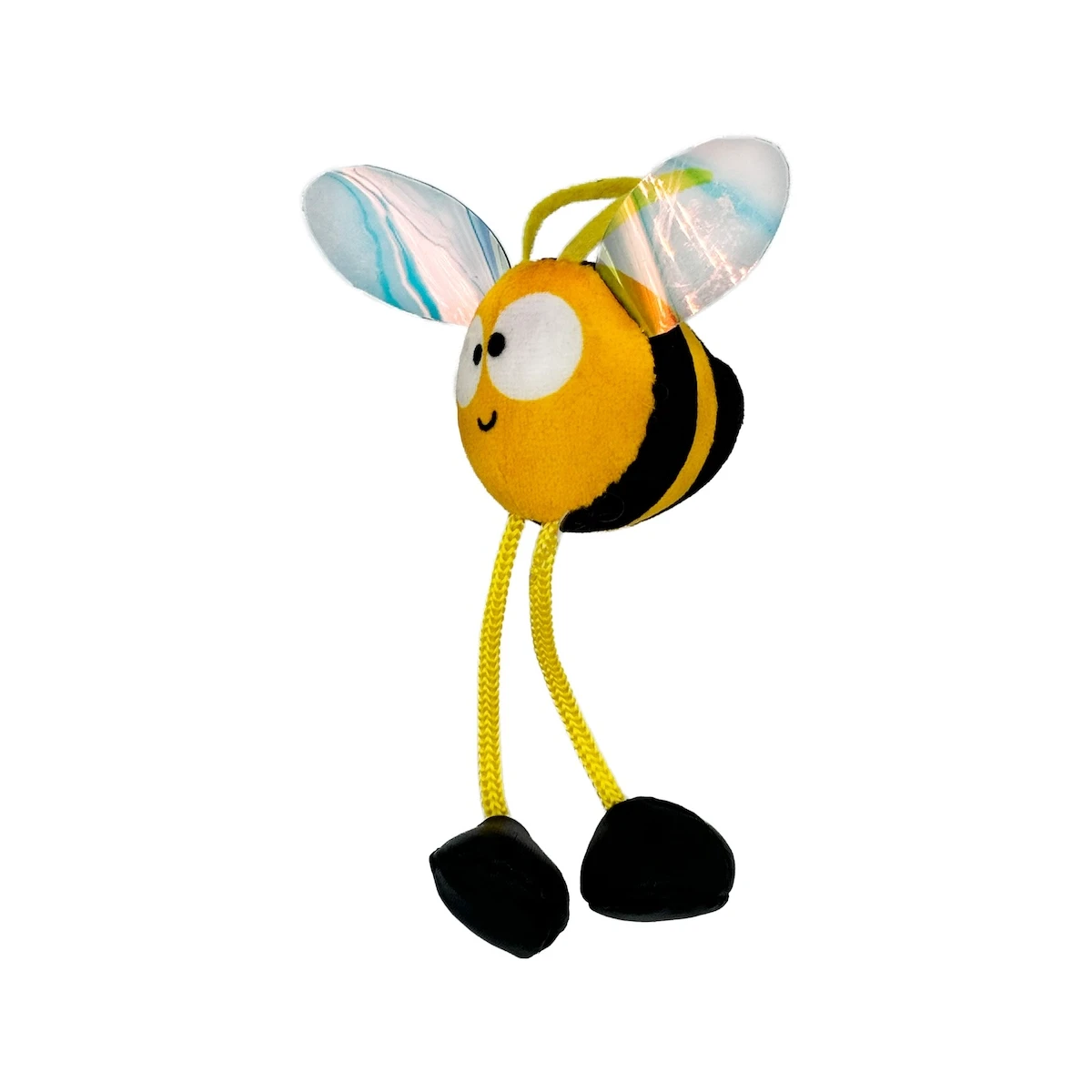
| Nonfood peekaboo toy | Your cat reaches through openings toward a toy | Play sessions without extra food |
Best for a first puzzle: An open feeder
An open tray or a feeder with wide, shallow spaces makes the food easy to see and reach. Your cat can learn that investigating the object leads to a reward without first having to solve a complicated mechanism.
Look for a stable base and spaces that fit your cat’s face or paws comfortably. An easy feeder is also useful if you want to offer some regular food rather than add treats.
Best for a cat who likes to move: A rolling dispenser
A treat ball or other rolling dispenser releases pieces as your cat pushes it. Some designs let you adjust the opening, so you can start with food coming out easily and make the toy more challenging later.
Check that the opening suits the size of the food. If pieces get stuck, your cat may keep pushing without receiving a reward. Use a clear floor area so the toy doesn’t disappear under furniture before your cat gets a chance to enjoy it.
Best for a practiced puzzler: A sliding-piece board
A board with covers or sliding pieces can give an experienced cat a new task. The challenge is learning that moving a piece reveals food underneath.
Start with the covers open or partly open if the design allows it. Before buying, check that the pieces stay attached as intended and that you can reach the food compartments for cleaning. A complicated board is not automatically better if your cat prefers an easier game.
Best for play without food: A peekaboo puzzle
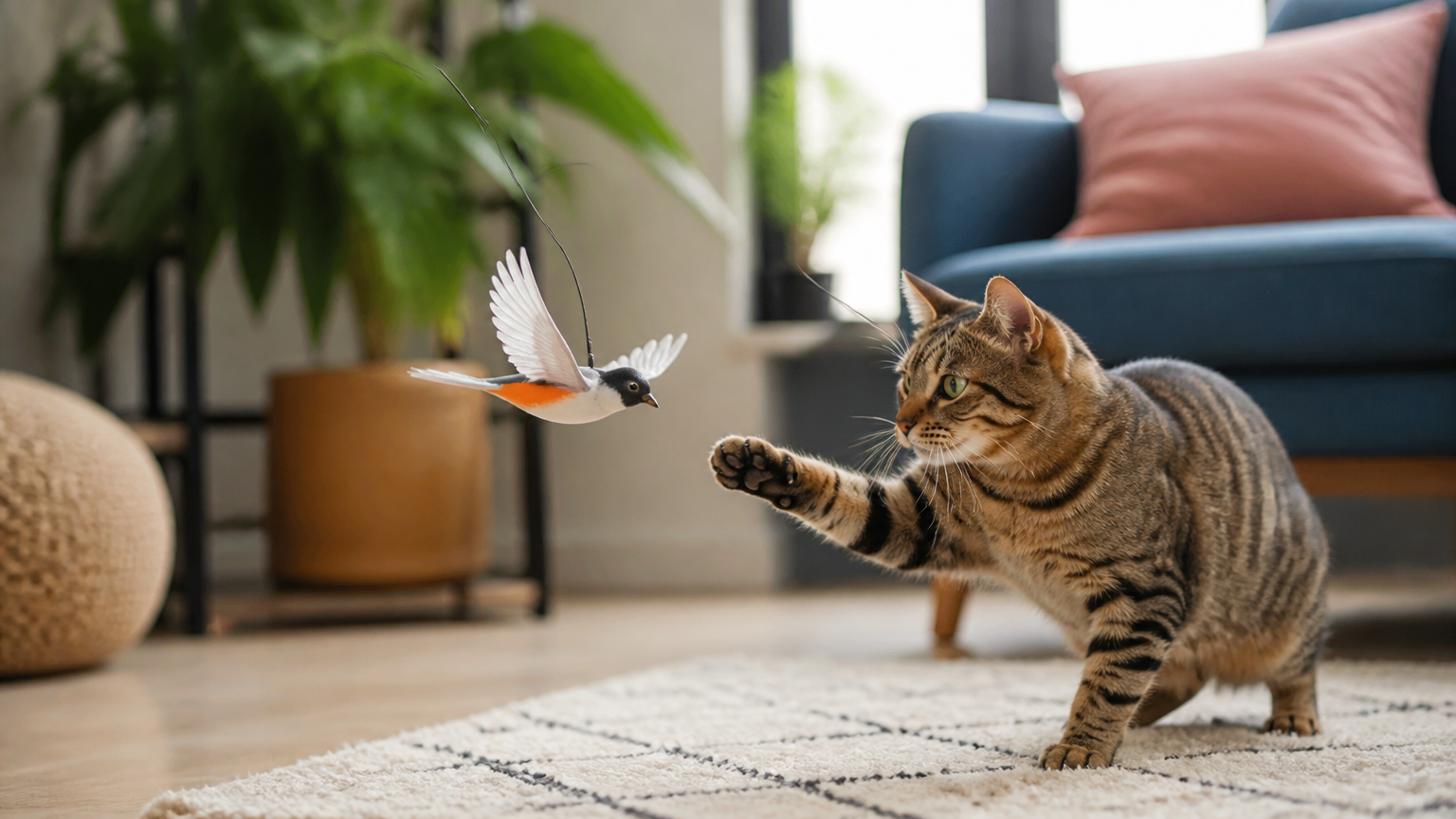
A peekaboo toy lets your cat reach into openings to bat or retrieve a toy. It can be a useful change from food-based enrichment, especially when you want an activity that doesn’t add treats to the day.
Choose openings your cat can reach into and withdraw from comfortably. Supervise play, and put the toy away if it becomes damaged or your cat starts chewing pieces off.
What to Check Before Buying
The best cat puzzle toy fits your cat’s body, food, and play style. Before choosing one, check these details:
- Opening size: Can your cat reach the food without squeezing a paw into a narrow space?
- Difficulty: Can you make the reward visible or easy to reach for a beginner?
- Stability or movement: Does your cat prefer a stationary feeder or a toy that rolls?
- Food compatibility: Will the kibble or treat pieces fit through the openings?
- Cleaning: Can you access the spaces where food collects?
- Construction: Are there loose pieces, sharp edges, or damage that could make play unsafe?
A gift buyer can use the same checklist. If you don’t know the cat’s experience with puzzles, an adjustable or easy-to-use design is a more practical starting point than a board with several hidden compartments.
There’s no need to pick a toy based on appearance alone. A quiet, open feeder may suit one cat better than a noisy rolling toy, while another cat may be eager to chase the dispenser across the room.
Using Food and Treats in a Puzzle
Cat treat puzzles and food puzzle toys work much the same way, but the portion you put inside matters. For everyday use, try taking some kibble from your cat’s measured daily food allowance. That gives your cat something to find without automatically adding another serving.
A small treat puzzle can be useful for a short activity. Count those treats as part of the day’s food, and check with your veterinarian if you’re unsure how they fit your cat’s needs. For a cat eating a prescribed diet, ask your veterinarian which foods or treats are appropriate before filling the toy.
If you want to serve a larger portion, choose a cat enrichment feeder with enough capacity and openings your cat can use comfortably. Keep track of what your cat actually eats, not just what you put in. Food left in the puzzle may mean the challenge is too difficult or your cat would rather eat from a bowl.
Some feeders are made for dry food only. For wet food, use a product whose instructions say it is suitable, and follow its cleaning and food-handling directions. Don’t leave food sitting in a puzzle indefinitely.
How to Introduce a Puzzle Toy
Your first goal is to help your cat make a connection between the toy and the food. Keep the first attempt easy, and let your cat decide when to approach.
Step 1: Choose a familiar food. Use a few pieces of your cat’s regular kibble or a treat you already know your cat enjoys. A familiar reward makes it easier to tell whether the toy itself is appealing.
Step 2: Make the food obvious. Place a few pieces beside the puzzle and some in the easiest, most visible openings. Leave covers open or adjust a dispenser so food comes out readily.
Step 3: Let your cat investigate. Set the toy in a quiet, accessible spot and give your cat room to sniff and paw. You can gently move a dispenser to show that food comes out, but don’t force your cat’s paws onto it.
Step 4: Watch what happens. If your cat gets food and continues exploring, keep the setup easy for a while. If the food stays trapped or your cat walks away, try a simpler arrangement.
Step 5: Add a small challenge. Once your cat uses the easy setup comfortably, partly cover a compartment or adjust the opening if the toy allows it. Change one thing at a time so you can see what your cat can manage.
Keep regular food available while your cat learns. A puzzle should be an option, not a barrier to getting enough to eat.
Vet Tip: If your cat is eating less than usual, seems uncomfortable, or has a sudden change in appetite, contact your veterinarian rather than trying to solve the problem with a new toy.
What If Your Cat Ignores the Puzzle?
A cat who walks away may need an easier task, a different location, or another style of toy. Start by checking the obvious: Is the food visible? Can your cat get it out? Is the feeder sliding around or making a noise your cat dislikes?
Try putting a few pieces in plain sight on a shallow feeder. If your cat uses that but ignores a covered board, return to the easier version before adding a cover. If a rolling toy gets stuck against furniture, give it a clear space or switch to a stationary feeder.
Your cat may also prefer a different kind of reward or activity. Use a food that fits your cat’s diet, or offer a nonfood peekaboo toy during playtime. You don’t need to make every cat enjoy the same puzzle.
If your cat empties a toy quickly, you can make the next session a little harder. Adjust an opening or use a board with one additional step. Avoid making the task so difficult that your cat can no longer reach the food.
Choosing for Kittens, Senior Cats, and Multiple Cats
A kitten may need a lightweight, simple toy with openings suited to their size. Supervise closely and choose a sturdy design without loose pieces the kitten could chew or swallow. Use an appropriate portion of the kitten’s regular food or ask your veterinarian about suitable treats.
For a senior cat, comfort matters more than difficulty level. An open, stable feeder can be easier to approach than a toy that rolls away. If your cat has trouble reaching, standing, or using a paw, ask your veterinarian about the change and choose an activity your cat can manage comfortably.
In a home with more than one cat, offer puzzles in separate areas so each cat has room to investigate. This also makes it easier to see who has eaten their portion. If one cat guards the food or takes another cat’s serving, use separate feeding spaces and supervise.
Cleaning and Safety
Check a new toy before each session and follow the manufacturer’s instructions for cleaning it. Food can collect in corners, openings, and moving parts, so choose a design you can take apart or reach into as directed.
Watch your cat with a new puzzle before deciding how to use it. Put the toy away if it cracks, develops sharp edges, or sheds pieces. Replace damaged toys rather than leaving them out for further play.
You can also make a simple starter activity by placing a few pieces of dry food in a clean, shallow dish with several separate spaces. Keep the food easy to reach and supervise your cat. Avoid adding string, sharp objects, or loose decorations to a homemade feeder.
A Thoughtful Puzzle Toy Gift
A good cat toy gift gives the recipient an easy way to get started. Choose a simple feeder for a cat whose puzzle experience you don’t know, or an adjustable dispenser for a cat who already enjoys batting toys.
Consider the household, too. A stable, quiet board may be easier to place in a small space than a toy that rolls across the floor. If you know the cat eats a special diet, let the owner choose the food that goes inside.
Conclusion
A good puzzle gives your cat an accessible reward and gives you a clear way to adjust the challenge. Start simply, watch how your cat responds, and build from there.
- Use an open feeder for a beginner.
- Choose a rolling dispenser for a cat who likes to move.
- Use measured food or suitable treats, and account for what your cat eats.
- Clean the toy and check it for damage.
Next step: Explore our interactive cat toy category for a puzzle that matches your cat’s play style.
FAQ
Are food puzzles good for cats?
Food puzzles give cats an opportunity to find and work for some of their food. Choose an easy design first, and make sure your cat can still eat their usual amount.
Can I put my cat’s regular food in a puzzle toy?
Yes, if the food fits the toy and the product is designed for that type of food. Take the portion from your cat’s daily allowance and check how much your cat actually eats.
What is the best puzzle toy for a beginner?
A stable, open feeder with shallow spaces is a useful first choice. Your cat can see and reach the food without learning several steps at once.
How often should I use a cat puzzle toy?
You can offer a puzzle as part of your cat’s routine if your cat enjoys it and can get the food out. Watch your cat’s interest and food intake, and switch to an easier activity if the puzzle becomes frustrating.



- Site & Contents BaxterBoo.com. BaxterBoo is located in the United States.
- Privacy & Security
- Terms of Use
- Accessibility Statement
