Save 15% on your 1st Autoship learn more

 Email us
 Live Chat
 FAQs
FAQs





Introduction
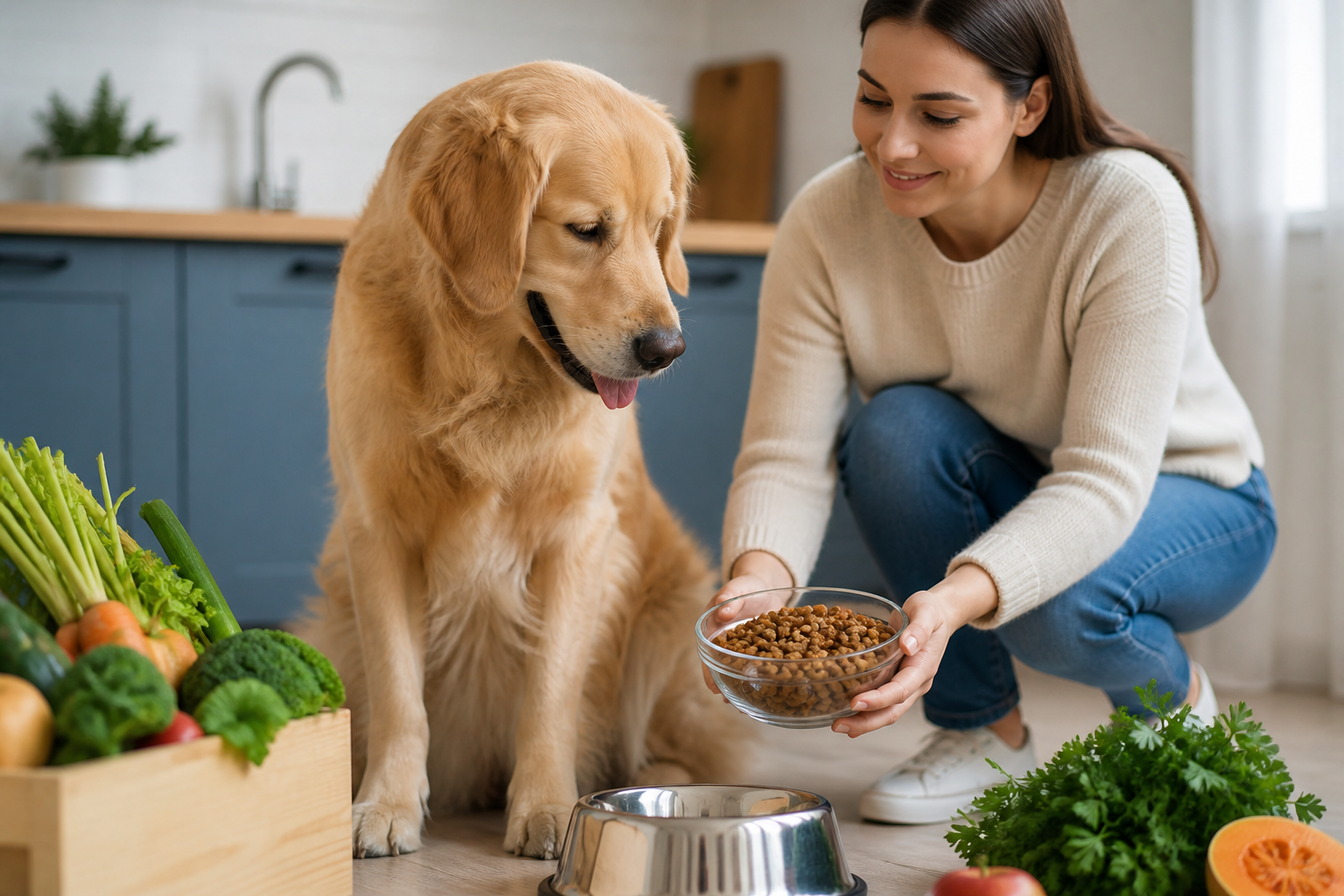
You hear that familiar rumble from your dog's stomach shortly after dinner. Then comes the gas that clears the room. Perhaps you are tired of dealing with loose stools every time you go for a walk. At BaxterBoo, we talk to pet owners every day who are looking for ways to settle their dog's digestion. Finding the right balance of fiber and probiotics is often the key to a happier, more comfortable pet. These two components work as a team to stabilize the gut microbiome and improve nutrient absorption. This guide covers how these ingredients work together and what to look for on the label. Our goal is to help you find a formula that supports your dog's long term wellness.
Quick Answer: Dog food with fiber and probiotics helps regulate digestion by balancing the gut microbiome. Fiber acts as a prebiotic to feed beneficial bacteria, while probiotics introduce live healthy microbes to the digestive tract.
How Fiber and Probiotics Work Together
Digestion is a complex process that relies on a delicate balance of bacteria. To understand how fiber and probiotics help, think of your dog's gut like a garden. Probiotics are the seeds. They are live, beneficial bacteria that help crowd out harmful microbes. Fiber acts as the fertilizer. It provides the nutrients these beneficial bacteria need to grow and thrive.
When a dog eats food with the right amount of fiber, it slows down the passage of nutrients. This gives the body more time to absorb vitamins and minerals. Meanwhile, the probiotics actively break down food and support the immune system. Without fiber, the probiotics may not have enough fuel to survive the journey through the digestive tract. Without probiotics, the fiber might just pass through the system without providing maximum benefit to the gut flora.
This relationship creates a stable environment. A balanced gut does more than just stop gas. It also helps your dog feel more energetic and stay at a healthy weight. Our team at BaxterBoo carefully selects brands that understand this synergy. We look for recipes where these ingredients are included in the right proportions for daily maintenance.
Key Takeaway: Fiber and probiotics are most effective when used together. Fiber feeds the bacteria that probiotics provide, creating a stronger digestive defense system.
Identifying High Quality Fiber Sources
Not all fiber is the same. Dog food manufacturers use a variety of sources to provide this essential nutrient. Some fiber stays solid and adds bulk to the stool. Other types turn into a gel like substance during digestion. A high quality dog food will often use a blend of both to ensure the best results.
Soluble vs. Insoluble Fiber
Soluble fiber dissolves in water. It helps slow down digestion and can help regulate blood sugar levels. This is very helpful for dogs with diabetes or those who need to lose weight. Common sources include pectin from fruits and gums from certain plants.
Insoluble fiber does not dissolve. It adds bulk to the waste and helps food move through the intestines at a healthy pace. This is the type of fiber that helps prevent constipation and ensures stools are easy to pick up. Ingredients like cellulose or wheat bran are common insoluble sources.
Common Ingredients to Look For
When you read a dog food label, you want to see recognizable whole food sources for fiber. These ingredients offer more than just digestive support. They also provide antioxidants and vitamins.
- Pumpkin: This is a favorite for many owners. It is rich in fiber and very gentle on the stomach.
- Sweet Potatoes: These provide complex carbohydrates and a steady source of energy.
- Beet Pulp: This is a highly efficient fiber source that helps promote healthy stools without being too heavy.
- Miscanthus Grass: A newer ingredient in the pet food world, this provides a clean, sustainable source of insoluble fiber.
- Apples and Carrots: These provide natural pectin and fiber while adding a touch of sweetness dogs love.
| Fiber Source | Type | Primary Benefit |
|---|---|---|
| Pumpkin | Soluble & Insoluble | Soothes upset stomachs and regulates moisture. |
| Beet Pulp | Moderately Fermentable | Promotes healthy stool consistency. |
| Ground Flaxseed | Soluble | Provides fiber and Omega fatty acids. |
| Brown Rice | Insoluble | Adds bulk and provides steady energy. |
The Importance of Probiotics in a Dog's Diet
Probiotics are live microorganisms. They are often called good bacteria because they keep the gut healthy. In the wild, dogs might get these from the environment or from the organs of their prey. In a modern diet, they usually need to be added back into the food.
Survival and Stability
One of the biggest challenges with probiotics is making sure they stay alive. High heat during the kibble cooking process can kill many beneficial bacteria. Quality brands like Stella and Chewy's or Farmina often apply probiotics after the cooking process is finished. Some companies use microencapsulation. This creates a tiny protective shell around each bacterium. This shell helps the probiotic survive the acidic environment of the stomach so it can reach the intestines where it is needed.
Common Probiotic Strains
You should look for specific strain names on the back of the bag. A generic term like "dried fermentation products" is less helpful than seeing the actual names of the bacteria.
- Enterococcus faecium: Helps with acute diarrhea and supports general gut health.
- Lactobacillus acidophilus: One of the most common strains for improving stool quality.
- Bifidobacterium animalis: Known for helping with digestive consistency and immune function.
Vet Tip: If your dog is taking antibiotics, talk to your veterinarian about increasing their probiotic intake. Antibiotics can kill both good and bad bacteria, and a supplement or specialized diet can help restore the balance.
The Role of Prebiotics and Postbiotics
While you may have heard of probiotics, prebiotics and postbiotics are just as important. Think of these as the beginning and the end of the digestive cycle.
Prebiotics are specific types of fiber that humans and dogs cannot digest. They exist solely to feed the probiotics. Ingredients like chicory root and inulin are powerful prebiotics. They ensure the good bacteria have a constant food source.
Postbiotics are the compounds produced by probiotics after they eat prebiotics. These include short chain fatty acids and enzymes. These compounds help reduce inflammation in the gut and strengthen the intestinal barrier. When a dog food contains fiber (prebiotics) and probiotics, your dog's body naturally creates these beneficial postbiotics.
Bottom line: A complete gut health strategy includes prebiotics to feed the bacteria and probiotics to populate the gut.
Benefits Beyond Digestion
A healthy gut affects the entire body. It is not just about what happens in the backyard. When the microbiome is balanced, you will likely notice changes in your dog's outward appearance and behavior.
Immune Support
About 70% of a dog's immune system is located in the gut. Beneficial bacteria act as a first line of defense against pathogens. They produce substances that inhibit the growth of harmful bacteria like Salmonella. By keeping the gut healthy, you are essentially strengthening your dog's internal security system.
Skin and Coat Health
There is a strong link between gut health and skin health. Dogs with chronic allergies or itchy skin often have an imbalance in their gut bacteria. By introducing probiotics and high quality fiber, you can help reduce systemic inflammation. This often leads to less itching and a shinier, softer coat.
Mental Health and Anxiety
The gut brain axis is a real connection. The gut and the brain are in constant communication through the nervous system. Some probiotic strains, like Bifidobacterium longum, have been shown to help dogs stay calmer in stressful situations. A steady gut can lead to a more relaxed and confident pet.
Choosing the Right Food for Your Dog's Needs
Every dog is different. A high fiber diet that works for a senior dog might not be right for an active puppy. You must consider your dog's specific life stage and any health conditions they have. You can begin comparing formulas in our dog food category.
Managing Weight
High fiber dog foods are excellent for weight management. Fiber adds volume to the food without adding calories. This helps your dog feel full and satisfied even if they are on a diet. Brands like Royal Canin and Acana offer "Light and Fit" recipes that use fiber to help dogs lose weight safely.
Addressing Allergies and Sensitivities
If your dog has a sensitive stomach, look for limited ingredient diets. These often use a single protein source and a simplified fiber blend. This makes it easier to identify what might be causing a reaction. Avoid foods with excessive fillers like corn or soy, which can sometimes aggravate digestive issues.
Senior Dog Support
As dogs age, their digestive systems can slow down. Senior dogs often benefit from higher fiber levels to prevent constipation. They also need probiotics to support their aging immune systems. Formulas from NutriSource or PureVita often include specialized digestive support for older pets. Explore our selection of NutriSource products when comparing options.
How to Read a Dog Food Label
The label can be confusing. To find the best food for your pet, you need to look at two main sections: the Guaranteed Analysis and the Ingredient List.
The Guaranteed Analysis
This section tells you the minimum or maximum percentages of certain nutrients. Look for the "Crude Fiber" percentage. For most dogs, a fiber content of 2% to 5% is standard. If your dog needs high fiber, look for percentages closer to 6% to 10%. Keep in mind that wet food has a different moisture content. To compare wet and dry food, you may need to calculate the dry matter basis.
The Ingredient List
Ingredients are listed by weight. The first few items should always be high quality animal proteins. Look for fiber sources like pumpkin, ground flaxseed, or brown rice in the middle of the list. Probiotics are usually listed at the very end. Look for the phrase "contains a source of live (viable) naturally occurring microorganisms."
Note: If the label does not list specific bacterial strains or a CFU (Colony Forming Unit) count, the probiotic content may be very low.
Transitioning to a New Diet
Never switch your dog's food overnight. This is especially true when moving to a food with higher fiber or added probiotics. A sudden change can cause the exact digestive upset you are trying to fix. For additional guidance, read how to choose the best dry dog food.
Step 1: Consult your veterinarian to ensure the new food meets your dog's health needs. Step 2: Start by mixing 25% of the new food with 75% of the old food for two or three days. Step 3: If your dog has stable stools, move to a 50/50 mix for another three days. Step 4: Increase to 75% new food for the final few days before switching completely. Step 5: Watch for any signs of gas or loose stools during this period.
When to Consult Your Veterinarian
While fiber and probiotics can solve many common issues, they are not a cure for everything. Sometimes digestive problems are a sign of an underlying medical condition.
If your dog has persistent diarrhea, starts vomiting, or loses weight suddenly, you should schedule a vet visit. They can perform tests to check for parasites, infections, or organ issues. If your dog needs a more intensive solution, our dog healthcare category offers products for ongoing wellness needs.
Our Pharmacy and Specialized Nutrition
Sometimes over the counter food is not enough. For dogs with chronic pancreatitis, severe allergies, or inflammatory bowel disease, specialized nutrition is required. Our pet pharmacy offers an easy way to get these prescription diets delivered to your door. Through our partnership with Pet's Choice, we provide access to professional grade foods that are formulated with specific fiber ratios and probiotic concentrations.
We also carry flea and tick preventives and other essential medications. Having your pet's food and medicine in one place makes it easier to manage their health routine. If your vet has recommended a specific prescription diet for gut health, you can find it available through the BaxterBoo pharmacy section.
Maintaining Long Term Gut Health
Caring for your dog's digestion is an ongoing process. Once you find a food that works, consistency is key. Avoid giving too many table scraps, as these can disrupt the balance of the gut microbiome. Stick to a regular feeding schedule and ensure your dog always has access to fresh water.
You can also use enrichment toys like those from Kong to slow down fast eaters. Dogs that gulp their food often swallow air, which leads to gas and bloating. Slowing them down helps the digestive process start correctly in the mouth.
By focusing on high quality fiber and live probiotics, you are investing in your dog's future health. Whether you are managing a senior dog's comfort or keeping a puppy on the right track, these ingredients make a real difference. Stop by our BaxterBoo warehouse in Vernon Hills or browse our online selection to see the hundreds of brands we carry. We are here to help you navigate the world of pet nutrition with practical, honest advice.
FAQ
Can I give my dog too much fiber?
Yes, excessive fiber can lead to gas, bloating, and large, frequent stools. It can also interfere with the absorption of other important nutrients if the balance is too high. It is best to stick to the levels recommended by your veterinarian or the feeding guidelines on a high quality bag of food.
How long does it take for probiotics to start working?
You may notice a difference in your dog's stool quality within a few days of starting a probiotic diet. However, it often takes two to four weeks for the gut microbiome to fully stabilize. Consistency is very important during this time to allow the beneficial bacteria to colonize the gut.
Is pumpkin better than a probiotic supplement?
Pumpkin and probiotics serve different purposes. Pumpkin provides fiber to help move food through the system and firm up stools. Probiotics provide the live bacteria needed for long term gut health. For many dogs, a combination of both is the most effective way to manage digestive issues.
Do all dog foods have probiotics?
No, many standard dog foods do not include probiotics because they are difficult to keep alive during the manufacturing process. Premium brands are more likely to include them, often spraying them on the kibble after it has cooled. Check the ingredient list for specific bacterial strains to ensure the food contains active probiotics.
Bottom line: Selecting a dog food with the right fiber and probiotics supports immunity, skin health, and consistent digestion for your pet.