
 Save 15% on your 1st Autoship learn more

 Email us
 Live Chat
 FAQs
FAQs





Introduction
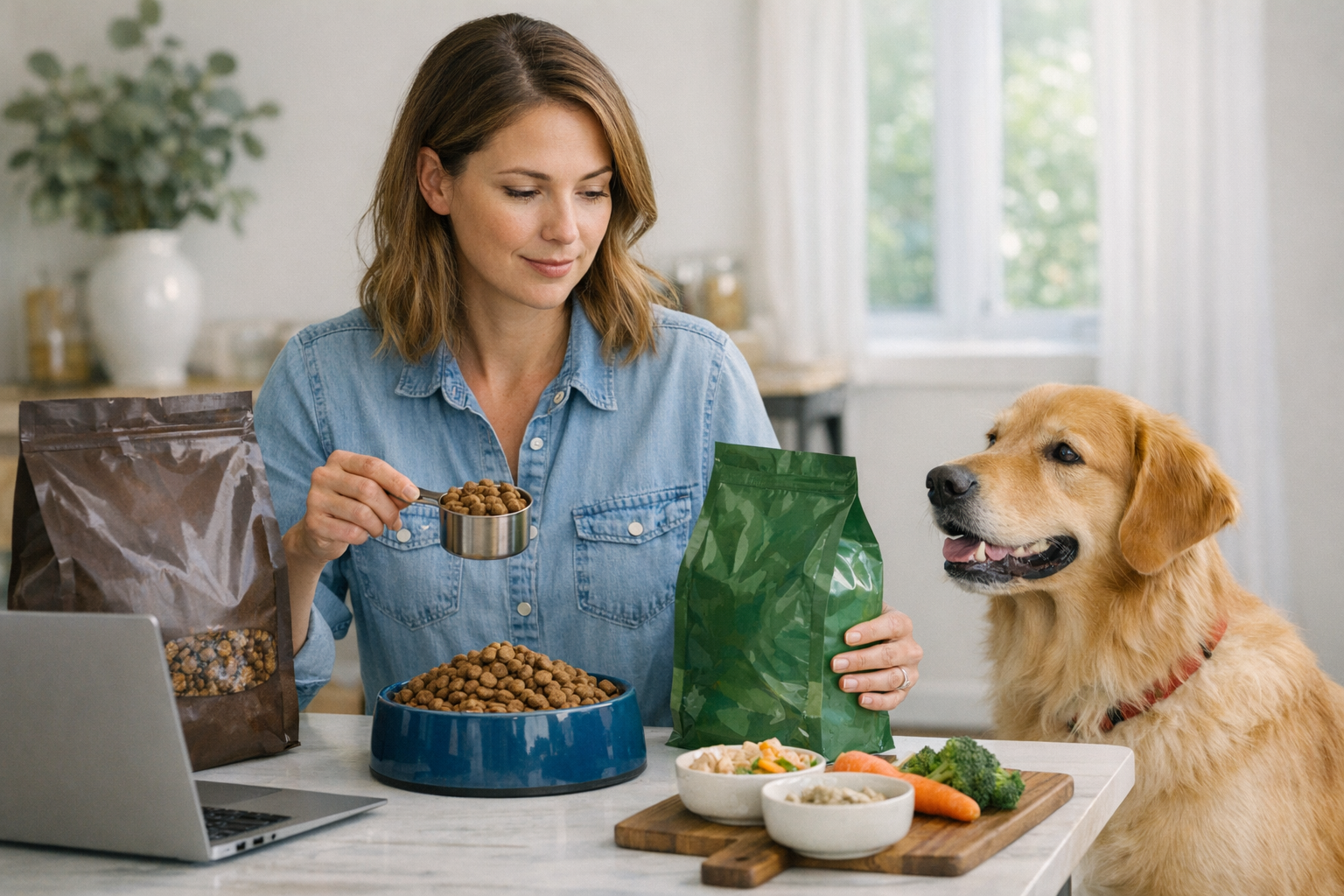
Standing in front of a massive wall of kibble bags can feel overwhelming when you just want a healthy meal for your dog. You might find yourself squinting at tiny ingredient labels or trying to decode marketing terms like human grade or ancestral diet while your dog waits at home for dinner. If you’re starting your search, our dry dog food category is a helpful place to browse. At BaxterBoo, we know that choosing a diet is one of the most important daily decisions you make for your pet. This guide covers how to evaluate ingredient lists, understand life stage requirements, and identify high quality brands that prioritize nutrition over fillers. We want to help you cut through the noise to find a formula that supports your dog's energy levels and long term wellness. The right choice depends on your dog's unique age, activity level, and health history.
Understanding AAFCO Standards
The first thing to look for on any bag of kibble is the AAFCO nutritional adequacy statement. AAFCO stands for the Association of American Feed Control Officials. This group sets the nutritional standards for pet foods in the United States. While they do not approve or certify food, they establish the requirements for a diet to be called complete and balanced.
A complete and balanced diet contains every single nutrient your dog needs in the correct ratios. If a food lacks this statement, it is intended for supplemental feeding only. This means it should only be used as a treat or a topper, not as a primary meal. You will usually find this statement in small print near the ingredient list or the guaranteed analysis.
Quick Answer: The best dry dog food is one that carries an AAFCO statement for your dog's specific life stage. It should list a high quality animal protein as the first ingredient and avoid vague by-products or artificial preservatives.
There are three main categories for these statements. Growth is for puppies. Adult Maintenance is for fully grown dogs. All Life Stages meets the requirements for both puppies and adults. If you have a large breed puppy, look for a statement specifically mentioning growth for dogs expected to reach 70 pounds or more. This ensures the calcium and phosphorus levels are safe for their fast growing bones.
The Importance of the First Five Ingredients
The ingredient list on a dog food bag is organized by weight before cooking. Since meat contains a lot of water, it often appears first. However, the first five ingredients typically make up the majority of the food's volume. This is where you should focus your attention when comparing brands.
Look for specific named meats like deboned chicken, beef, or lamb. Avoid generic terms like meat meal or poultry fat. Names like these are too vague and do not tell you the source of the protein. High quality brands we carry, such as Open Farm and Orijen, emphasize transparency by listing exactly which animals are used in their recipes.
Meat Meals Versus Fresh Meat
You will often see meat meals listed, such as salmon meal or turkey meal. Some owners worry these are low quality, but that is not always true. A meal is simply meat that has been cooked and dried to remove water. This makes it a very concentrated source of protein. A combination of fresh meat and meat meal is often a sign of a high protein diet.
Carbohydrate Sources
Dogs do not have a strict requirement for carbohydrates, but grains and vegetables provide essential fiber and energy. You might see whole grains like brown rice, oatmeal, or barley. If you prefer a grain free option, look for sweet potatoes, chickpeas, or lentils. The key is to ensure the food is not overloaded with cheap fillers like corn gluten meal or excessive amounts of wheat.
Key Takeaway: Prioritize foods where the first two or three ingredients are animal based. This ensures your dog is getting essential amino acids from high quality protein sources rather than plant based substitutes.
Tailoring Food to Life Stages
A puppy has very different nutritional needs than a senior dog. Feeding the wrong life stage can lead to health issues over time. Puppies need more calories, fat, and minerals to support their developing brains and bodies. Senior dogs often need fewer calories but higher quality protein to maintain muscle mass.
Puppy Nutrition Needs
Puppies require higher levels of DHA, an omega-3 fatty acid found in fish oil. This nutrient is critical for healthy brain and eye development. Brands like Nulo and Stella and Chewy's offer puppy specific formulas that include these essential fats. If you start a puppy on an adult maintenance food too early, they may miss out on the building blocks needed for a strong immune system.
Senior Dog Considerations
As dogs age, their metabolism slows down. They may become less active, which increases the risk of weight gain. Senior dog food usually contains more fiber to help them feel full and fewer calories to prevent obesity. Many senior formulas also include added glucosamine and chondroitin. These supplements support joint health and mobility in aging pets. For a deeper look at age-specific nutrition, our senior dog feeding guide is a useful follow-up.
Managing Sensitivities and Allergies
If your dog is constantly itching, has red skin, or experiences frequent upset stomachs, they may have a food sensitivity. Common culprits include beef, chicken, dairy, or specific grains. In these cases, a limited ingredient diet or a novel protein diet might be necessary.
A novel protein is an animal source your dog has never eaten before. This could be venison, rabbit, or even kangaroo. Since their immune system has not been exposed to it, they are less likely to have a reaction. We stock several brands like Zigne and Farmina that specialize in these unique protein sources.
The Role of Our Pharmacy
Sometimes a standard retail food is not enough for a dog with severe health issues. If your veterinarian diagnoses a specific medical condition like kidney disease, urinary crystals, or severe inflammatory bowel disease, they may prescribe a therapeutic diet. These are formulated with precise nutrient levels to manage internal health.
Our dog healthcare category provides access to wellness items for dogs with ongoing needs. We carry brands like Royal Canin and Farmina Vet Life that are specifically designed for medical management. If your vet suggests a prescription food, you can easily fulfill that need through our website. Our team coordinates with your vet to ensure your dog gets the exact nutrition required for their condition.
Vet Tip: If your dog has chronic skin issues or digestive distress, consult your veterinarian for a diagnostic plan. They can help determine if a prescription diet or a specific limited ingredient food is the best path forward for your pet's recovery.
Grain Free Versus Grain Inclusive
The debate between grain free and grain inclusive diets has been a major topic for pet owners recently. For many years, grain free was seen as the gold standard. However, most dogs can digest grains perfectly well unless they have a specific allergy. Grains like oats and millet provide energy and important B vitamins.
Ancient Grains
A middle ground that many owners love is the use of ancient grains. These include ingredients like quinoa, sorghum, and chia seeds. They are often more nutrient dense than corn or wheat. Open Farm is a great example of a brand that offers ancient grain recipes. These formulas provide the benefits of grains without using the heavily processed fillers found in budget brands.
When to Choose Grain Free
Grain free diets are still a great choice for dogs with confirmed grain sensitivities. They often use legumes or tubers to provide structure to the kibble. When choosing a grain free food, look for one that still maintains a high percentage of animal protein. You want to make sure the grains are not just being replaced by a massive amount of peas or potatoes.
The Benefits of Raw Coated and Freeze Dried Kibble
The pet food industry has evolved beyond basic baked biscuits. Many premium brands now offer raw coated kibble. This involves taking a high quality dry nugget and tumbling it in a dust of freeze dried raw meat. This process adds a burst of flavor and nutrition without the mess of a fully raw diet.
Stella and Chewy's is a leader in this category. Their raw coated kibble is very popular for picky eaters. The scent of the raw meat encourages dogs to eat, while the kibble provides the crunch that helps scrape plaque from their teeth. It is a practical way to give your dog the benefits of raw nutrition with the convenience of a dry food.
Air Dried Options
Another alternative to traditional kibble is air dried food. Brands like Ziwi Peak use a slow drying process that preserves nutrients better than high heat extruding. The result is a jerky like texture that is extremely nutrient dense. Because it is so concentrated, you often feed much less than you would with standard kibble. A good example is Ziwi Peak Beef with Pumpkin Steam-Dried Dog Food.
Key Takeaway: Advanced processing methods like freeze drying and air drying can improve palatability for picky dogs. These options often provide higher nutrient density per cup compared to standard high heat kibble.
How to Transition to a New Food
Once you decide on the best dry dog food for your pet, you must introduce it slowly. A sudden change in diet is the most common cause of digestive upset in dogs. Their gut bacteria need time to adjust to new proteins and fiber levels. We recommend a transition period of at least seven to ten days. If you want a refresher on measuring food more accurately during the switch, our feeding measurement guide can help.
Step 1: Mix 25 percent of the new food with 75 percent of the old food. / Maintain this ratio for the first three days while watching for any changes in stool consistency.
Step 2: Move to a 50/50 split of the new and old food. / Continue this for another three days if your dog is acting normally and has a good appetite.
Step 3: Increase to 75 percent new food and 25 percent old food. / After three more days at this level, you can complete the switch to 100 percent of the new formula.
If at any point your dog experiences vomiting or diarrhea, slow the transition down. You can stay at a specific percentage for several extra days until their system settles.
Quality Indicators Beyond the Label
While the label tells you a lot, the company behind the food matters just as much. Trustworthy brands invest in food safety and quality control. They often have animal nutritionists on staff to formulate their recipes. At BaxterBoo, we handpick every brand we carry to ensure they meet high standards for sourcing and manufacturing.
Transparency and Sourcing
Look for brands that talk about where their ingredients come from. For example, Open Farm allows you to track the origin of every ingredient in your specific bag of food. Knowing that the beef is grass fed or the fish is ocean caught provides peace of mind about the quality of the protein your dog is eating.
Avoiding Artificial Additives
High quality dry dog foods do not need artificial colors or flavors. Dogs do not care what color their food is, and artificial dyes are unnecessary additives. You should also look for natural preservatives like mixed tocopherols (a form of Vitamin E) or rosemary extract instead of chemical preservatives like BHA or BHT.
Bottom line: A high quality dry food should rely on whole food ingredients and natural preservatives rather than chemicals or vague animal by-products.
The Cost of Quality
It is true that premium dry dog foods often have a higher price tag than grocery store brands. However, high quality food is often more calorie dense. This means you feed your dog less per meal. A bag of premium kibble may last significantly longer than a bag of a cheaper brand filled with air and fiber.
Better nutrition can also lead to fewer vet visits over time. A healthy coat, strong joints, and a robust immune system start with what goes into the bowl every day. We offer several ways to make premium nutrition more affordable for our customers.
Our MVP Rewards programme allows you to earn up to 5 percent back on every purchase. If you find a food your dog loves, our Autoship programme is a great way to save. You get a discount on your first order and a free MVP Gold membership. This ensures you never run out of food and always get the best value on the brands you trust.
Signs Your Dog Is Doing Well on Their Food
After you have fully transitioned your dog to a new dry food, give it about four to six weeks to see the full results. You should look for several physical signs that the nutrition is working.
- Shiny Coat: A healthy coat should be soft and shiny, not brittle or greasy.
- Clear Eyes: Your dog's eyes should be bright and free of excessive discharge.
- Steady Energy: They should have consistent energy levels throughout the day without major crashes.
- Healthy Stools: Stools should be firm and easy to pick up. Large, soft, or frequent stools can be a sign that your dog is not absorbing the nutrients in their food well.
- Healthy Weight: You should be able to feel your dog's ribs easily but not see them protruding.
If your dog is thriving, you will see it in their overall demeanor. If they seem sluggish or their coat looks dull, it may be time to consult your vet or try a different formula with a different protein source.
Conclusion
Finding the best dry dog food requires a balance of checking for AAFCO standards, prioritizing animal proteins, and matching the formula to your dog's life stage. Brands like Open Farm, Stella and Chewy's, and Orijen provide excellent options for owners who want high quality, transparently sourced ingredients. Remember that every dog is an individual, and what works for one may not work for another. If your dog has specific health challenges, our pharmacy is here to provide the prescription diets they need.
- Always look for the AAFCO statement to ensure the food is complete and balanced.
- Focus on the first five ingredients and look for named animal proteins.
- Transition to new foods slowly over 7 to 10 days to avoid stomach upset.
- Consider your dog's life stage and any specific health sensitivities.
Key Takeaway: The best food is the one that your dog enjoys eating and that results in healthy skin, a shiny coat, and consistent energy levels.
The best way to ensure your dog always has their favorite nutritious meal is to set up a recurring delivery. Explore our full collection of dry dog food and consider joining our Autoship program to save on every bag. If you prefer learning more about freshness after opening a bag, our dry food freshness guide is a smart next step.
FAQ
Is grain free dry dog food better for all dogs?
Grain free is not necessarily better for every dog and is mainly intended for those with specific grain sensitivities. Many dogs thrive on grain inclusive diets that use high quality sources like oats, brown rice, or ancient grains. Unless your dog has a diagnosed allergy to grains, a grain inclusive formula from a premium brand is often a healthy and balanced choice.
How do I know if my dog needs a prescription diet?
A prescription diet is typically required for dogs with chronic health conditions like kidney disease, urinary issues, or severe food allergies. These diets are formulated with specific nutrient levels that are only safe under veterinary supervision. If your dog is struggling with a long term health issue, talk to your vet to see if a prescription food from our pharmacy is the right next step.
What should I do if my dog is a picky eater?
For picky eaters, look for dry foods with a freeze dried raw coating or those that use high quality animal fats for natural flavor. You can also try adding a small amount of warm water or a pet safe bone broth to the kibble to enhance the aroma. Brands like Stella and Chewy's are often very successful with picky dogs because of their flavor dense raw coatings.
Can I feed my puppy an adult dry dog food?
It is not recommended to feed a puppy adult food because it lacks the higher levels of calories, protein, and minerals like calcium needed for growth. Puppies require specific nutrients like DHA for brain development that are often lower in adult maintenance formulas. Always look for a food labeled for growth or all life stages to ensure your puppy gets the building blocks they need.






