
 Save 15% on your 1st Autoship learn more

 Email us
 Live Chat
 FAQs





Introduction
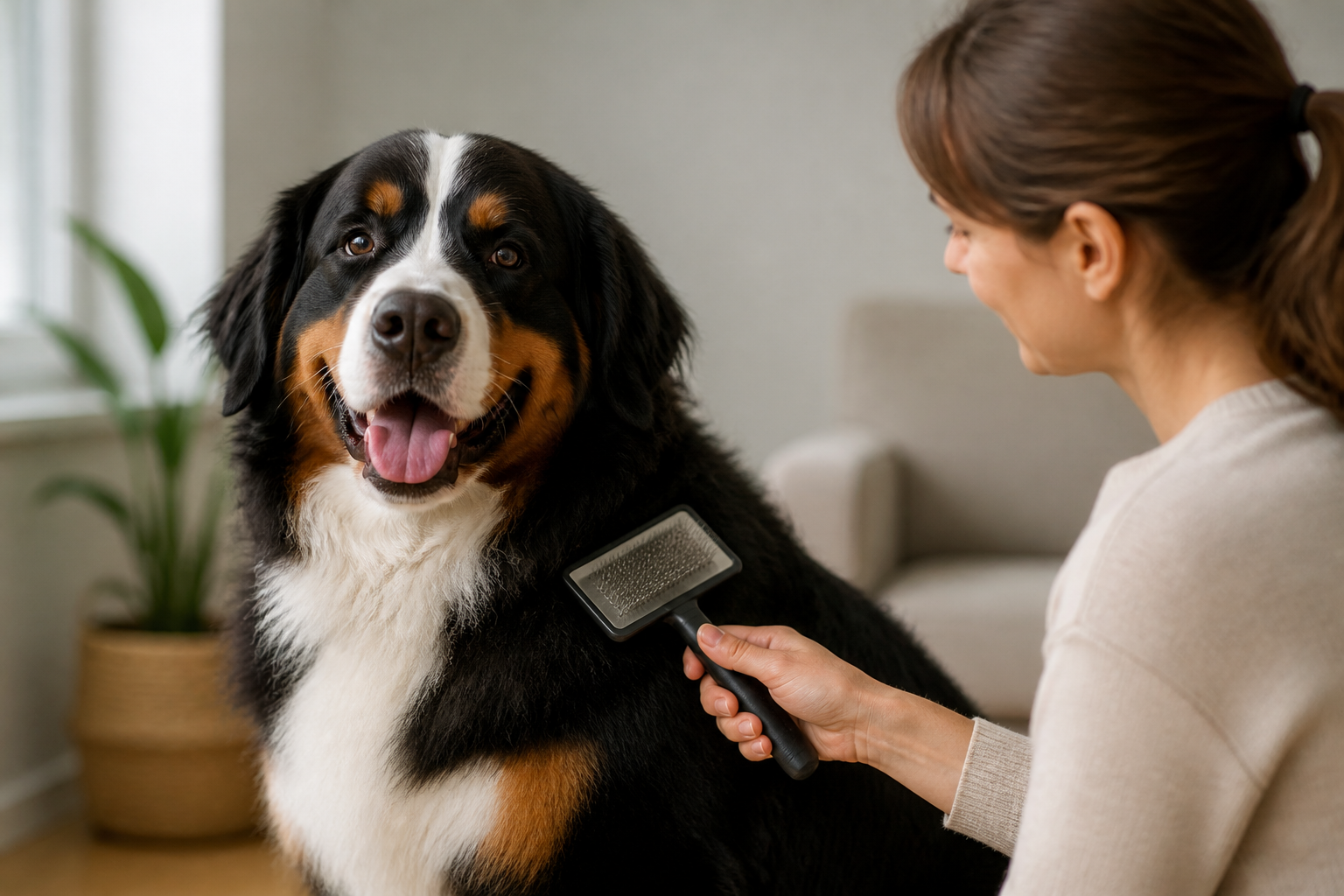
You notice the first sign of shedding season when a small tuft of black and tan fur drifts across your hardwood floor like a lonely tumbleweed. For a Bernese Mountain Dog owner, this is the start of a constant battle against the "coat blow" that happens twice a year. Your Berner has a majestic, thick double coat that requires more than just a quick surface brushing to stay healthy and mat-free. At BaxterBoo, we know that the right tools make the difference between a frustrating chore and a bonding moment with your dog. This article covers why a high-quality slicker brush is your most important grooming asset and how to use it effectively. Selecting a brush with the right pin length and flexibility ensures you reach the skin without causing discomfort.
Quick Answer: The best slicker brush for a Bernese Mountain Dog features long, bent stainless steel pins, usually around 27mm in length. This depth allows the brush to penetrate the dense undercoat and remove trapped hair that shorter brushes miss.
Understanding the Bernese Mountain Dog Double Coat
The Bernese Mountain Dog is built for the cold Swiss Alps. Their coat consists of two distinct layers that work together to regulate temperature and protect the skin. The outer layer is made of long, silky, and slightly wavy guard hairs. These hairs repel water and dirt. Beneath that lies a thick, woolly undercoat that provides insulation.
When you search for a slicker brush for Bernese Mountain Dog maintenance, you are looking for a tool that can navigate both layers. A standard brush often just slides over the top. This leaves the undercoat to become packed and tangled. If the undercoat is not thinned out regularly, it can form tight mats against the skin. These mats trap moisture and heat, which can lead to skin irritations or "hot spots."
Regular grooming does more than just keep your house cleaner. It distributes natural skin oils across the hair shafts. This keeps the coat shiny and provides a protective barrier for the skin. Because Berners have sensitive skin under all that fur, the grooming process must be gentle but thorough.
Dog Brushes & Combs









Why the Slicker Brush is Your Primary Tool
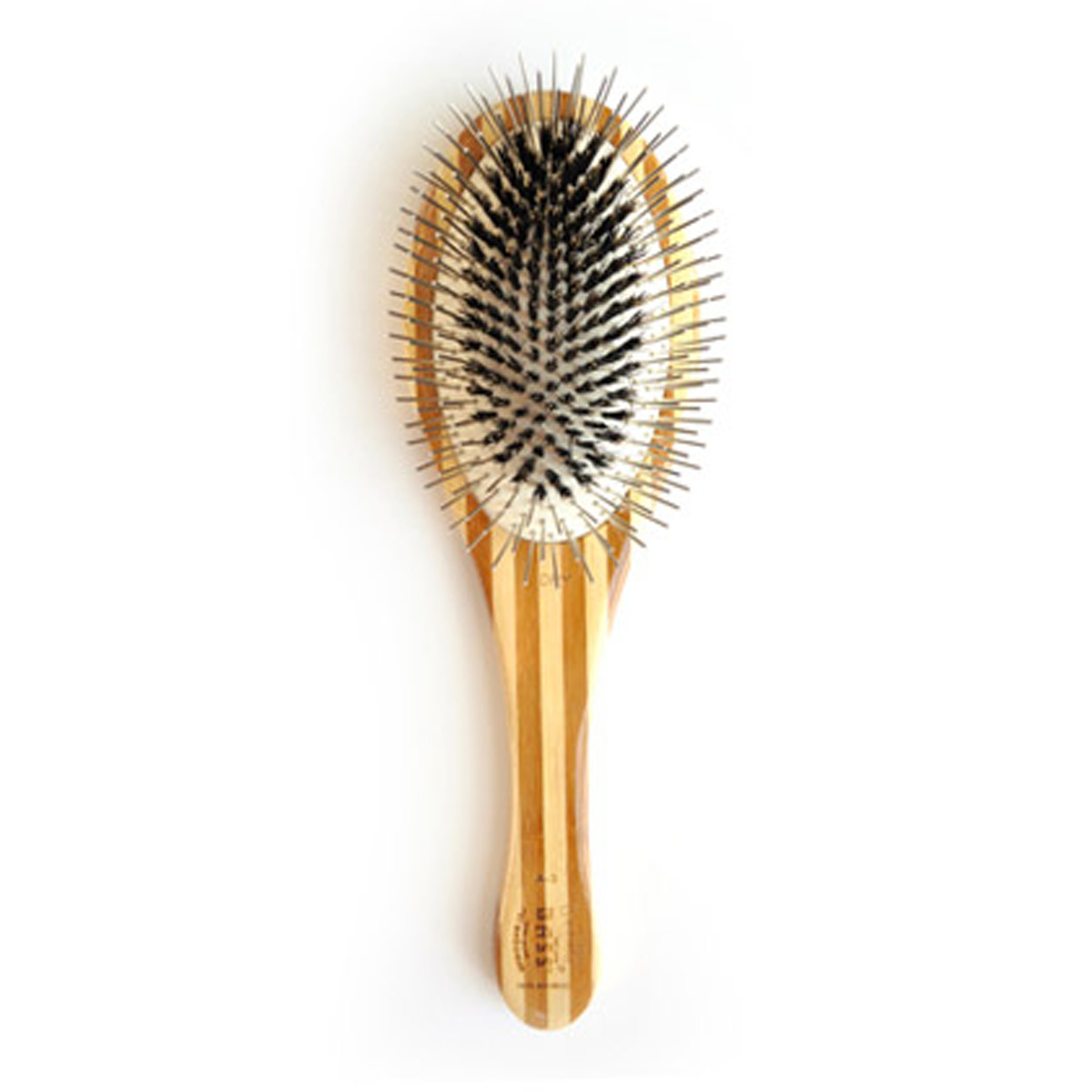
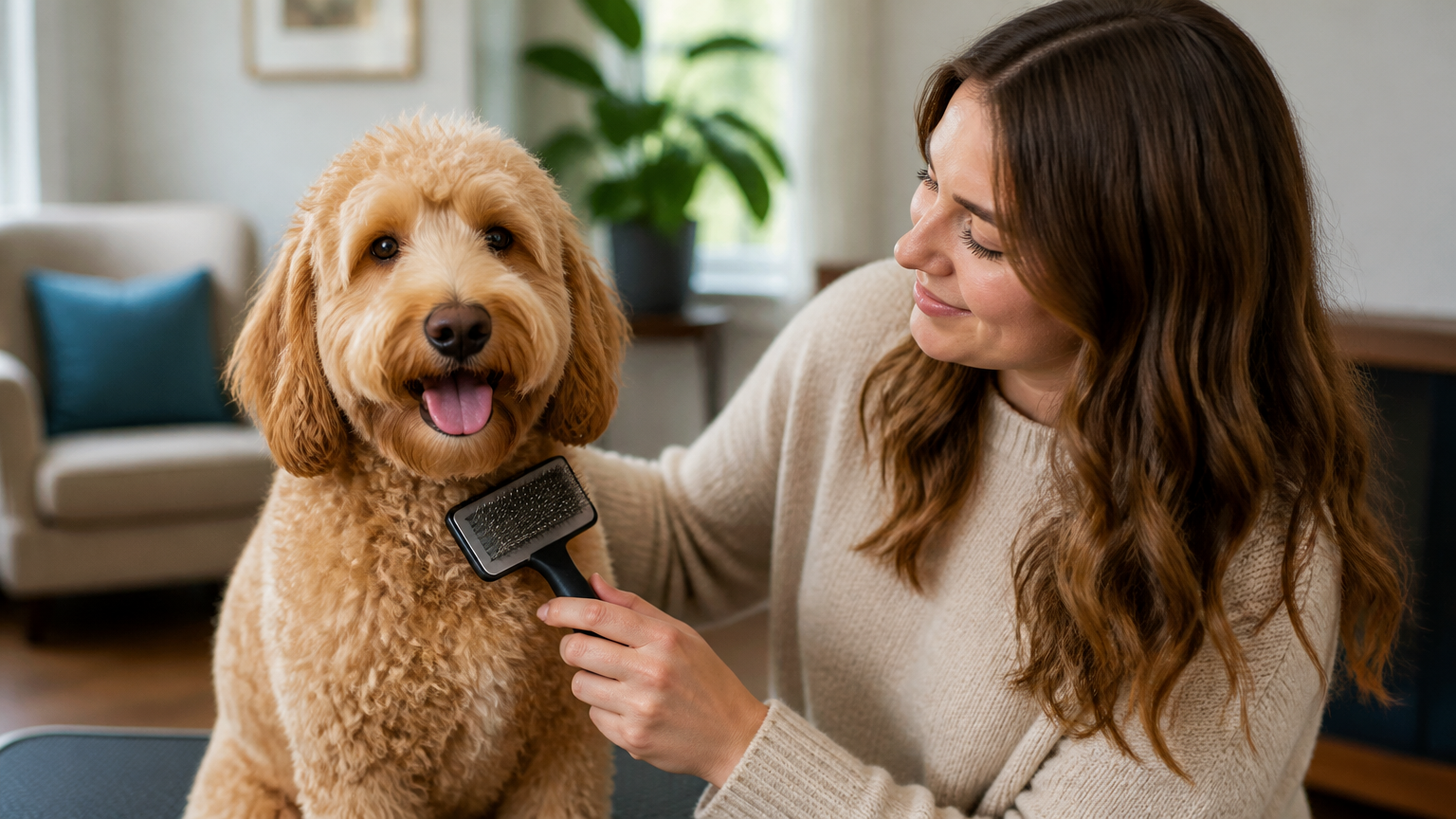
A slicker brush is defined by its rectangular head and fine wire pins. These pins are usually slightly bent at the ends. For a Berner, the slicker brush acts as the "workhorse" of your grooming kit. It is designed to grab onto loose undercoat hair and pull it to the surface before it can knot.
Penetrating the Undercoat
Most generic slicker brushes have short pins. These are fine for a Golden Retriever or a Lab, but they will not reach the base of a Berner’s coat. You need a "long pin" slicker brush. The long pins reach through the guard hairs to the very bottom of the undercoat. This ensures you are removing the dead hair right at the source.
Removing Debris and Tangles
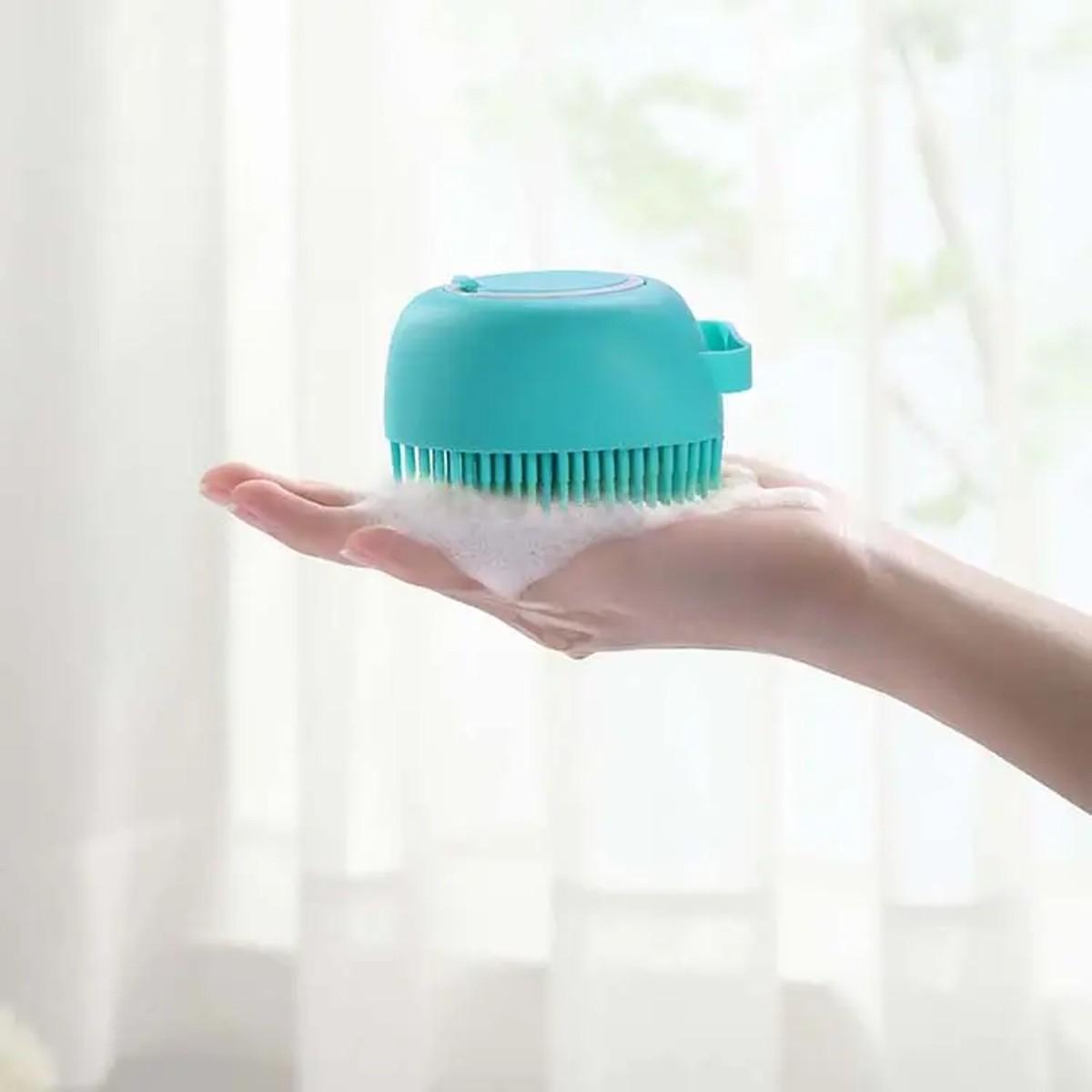
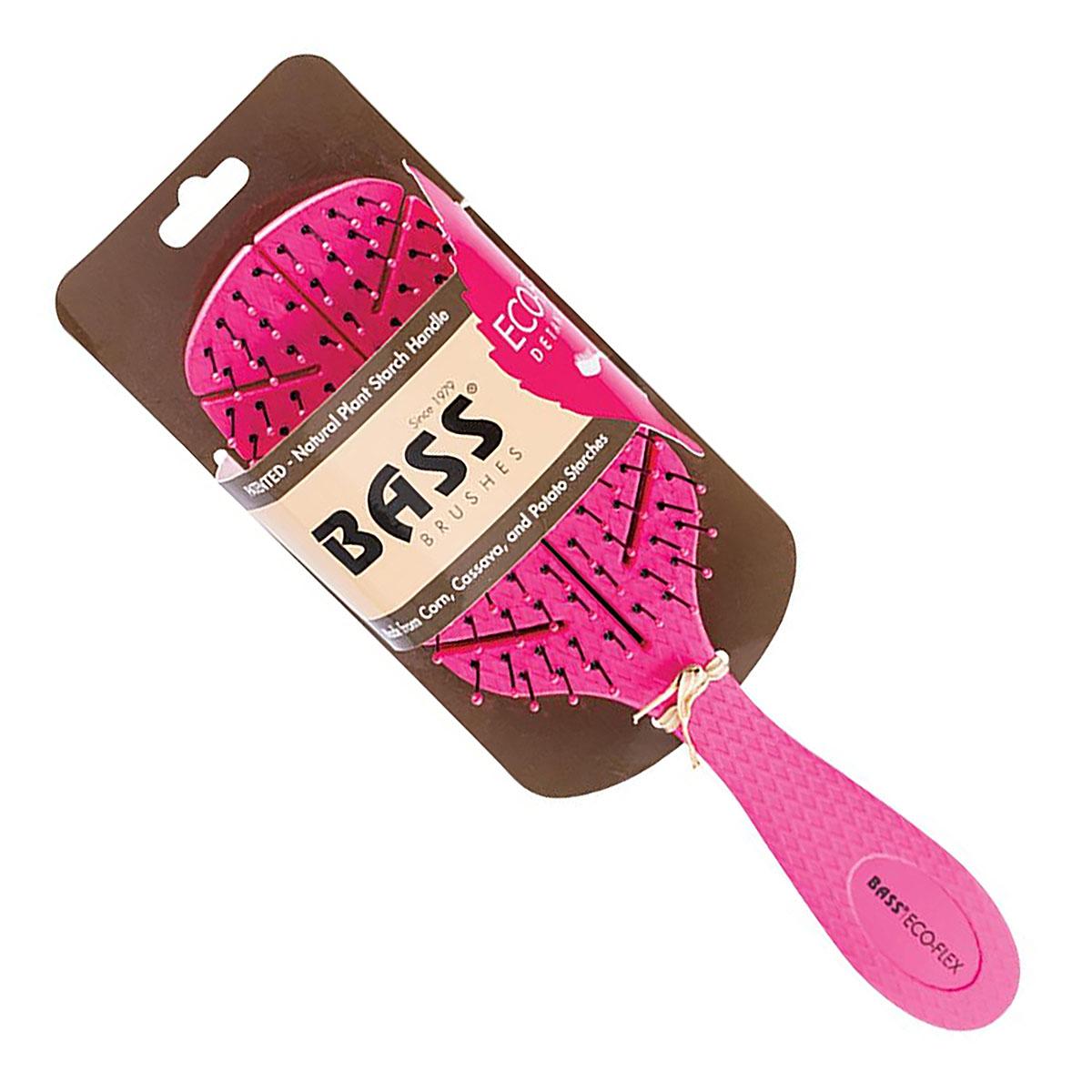
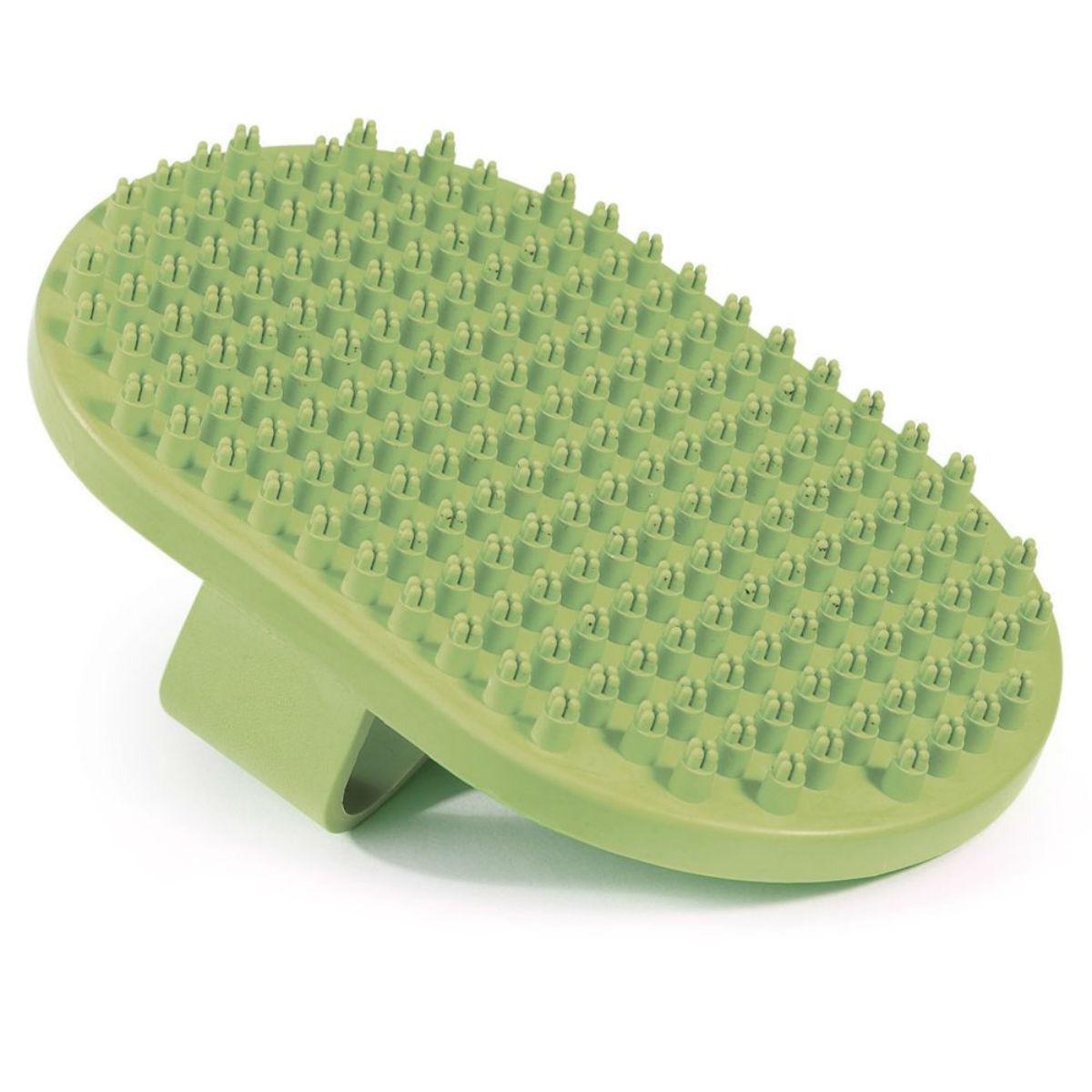
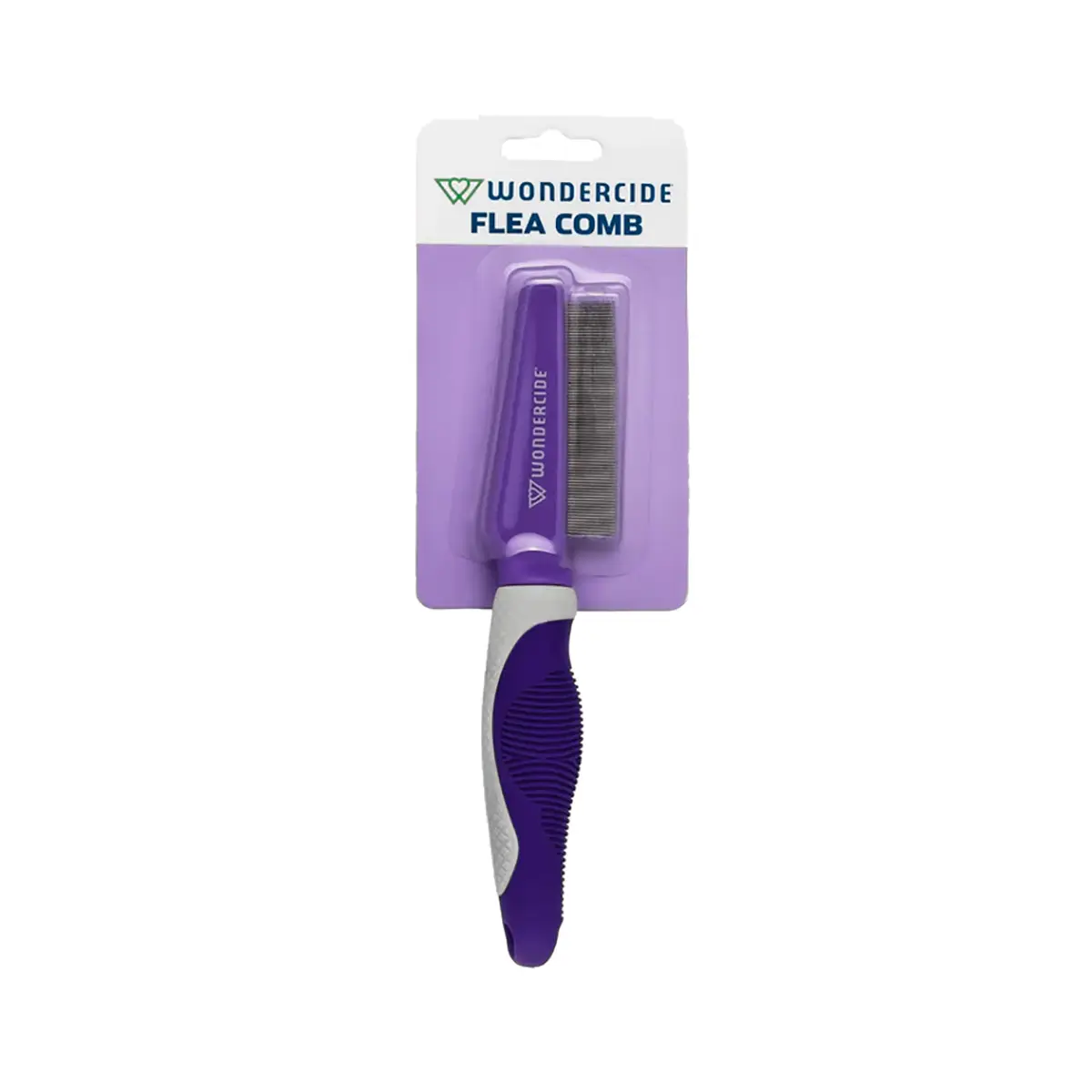
Bernese Mountain Dogs are magnets for burrs, dried leaves, and mud. The dense wire pins of a slicker brush are excellent at catching these foreign objects. Because the pins are flexible, they can often work through a small tangle without the need for cutting. This helps preserve the beautiful silhouette of the breed. For at-home grooming, consider our selection of dog brushes and combs.
Stimulating the Skin
The brushing action provides a massage-like effect. This increases blood flow to the skin's surface. Healthy blood flow supports hair follicle health and overall skin resilience. A Berner that is brushed regularly often has a more vibrant, resilient coat than one that is only groomed occasionally.
Key Takeaway: A slicker brush is the most effective tool for deep undercoat maintenance in double-coated breeds. It prevents the "packing" of dead hair that leads to painful matting.
Features to Look for in a Berner Slicker Brush
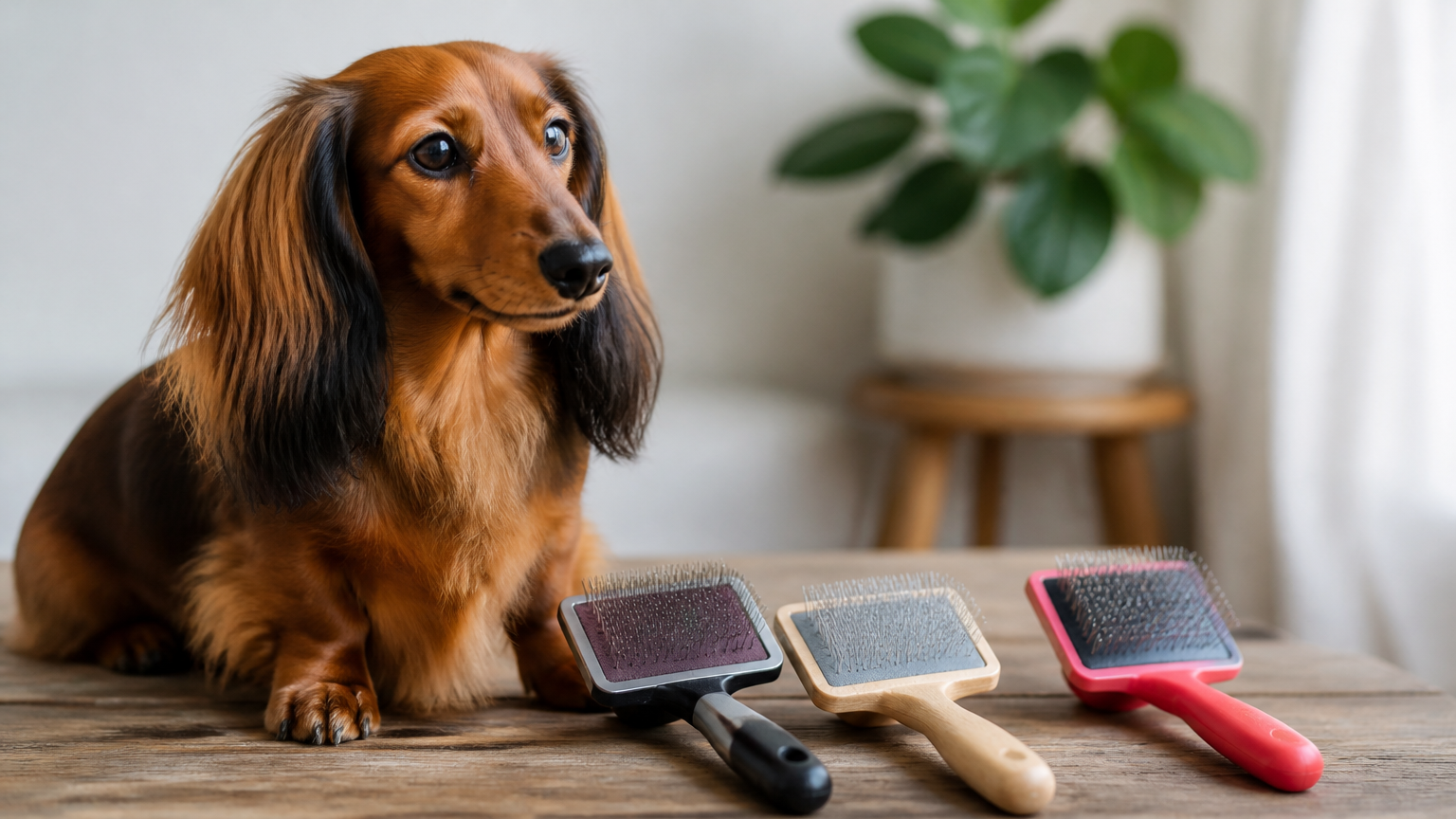
Not all slicker brushes are created equal. When you are shopping for your Berner, focus on these specific design elements. These features ensure the brush lasts for years and remains comfortable for both you and your dog.
Long Stainless Steel Pins
Look for pins that are approximately 25mm to 27mm long. Stainless steel is the preferred material because it is durable and easy to sanitize. The pins should have a slight "hook" or bend. This bend allows the brush to grab the hair effectively without scratching the skin.
Flexible Cushion Pad
The wire pins are set into a rubber or silicone pad. This pad should have some "give" to it. A flexible pad acts like a shock absorber. If you hit a small knot, the pad gives way slightly. This prevents the brush from pulling too hard on the dog's skin. It makes the experience much more pleasant for a dog that might be grooming-shy. For example, the Master Grooming Tools Ergonomic Slicker Dog and Cat Brush has cushioned stainless steel pins.
Ergonomic Handle Design
Grooming a large dog like a Bernese Mountain Dog takes time. You might spend 30 to 45 minutes on a full-body session. A handle with a comfortable grip is essential. Look for contoured handles with rubberized grips. This reduces hand fatigue and prevents the brush from slipping if your hands get sweaty or if you are using a grooming spray.
Size of the Brush Head
For the main body, a large or extra-large brush head is best. It covers more surface area and makes the job faster. However, many owners also keep a medium or small slicker brush on hand. Smaller heads are much easier to use around the "armpits," behind the ears, and on the legs.
The Correct Way to Use a Slicker Brush
If you simply pull a slicker brush across the top of your dog's back, you are not really grooming them. You are just "petting" them with a brush. To get the full benefit, you need to use a technique called line brushing. This ensures every inch of the coat is cleared.
Step-by-Step Line Brushing
Step 1: Start at the bottom.
Begin at the base of a leg or the bottom of the tail. Use your hand to push the hair upward, exposing a "line" of skin.
Step 2: Brush downward.
Take the slicker brush and gently brush the hair downward from that line. Use short, controlled strokes. Do not "flick" your wrist at the end, as this can cause the pins to scratch the skin.
Step 3: Move upward.
Once that section is clear, move your hand up about an inch. Create a new line and brush that section down into the area you just finished.
Step 4: Check with a comb.
After you finish an area with the slicker, run a metal greyhound-style comb through it. If the comb glides through without catching, you have successfully reached the skin.
Vet Tip: Always check the skin for redness or irritation as you brush. If you find a hot spot or a suspicious lump, consult your veterinarian. Our pharmacy carries medicated shampoos and topical treatments through our partnership with Pet's Choice if your vet prescribes them for skin issues.
Managing Matting Hotspots
Bernese Mountain Dogs have specific areas where mats form almost overnight. These are usually high-friction areas or places where the hair is softer. Being proactive with your slicker brush in these spots will save you from having to use scissors later.
- Behind the Ears: The hair here is very fine and woolly. It knots easily when the dog scratches or when the ears rub against the head.
- The Armpits: Friction from walking causes the hair under the front legs to felt together.
- The "Pants": The thick fur on the back of the hind legs collects debris and tangles when the dog sits.
- The Tail Base: This area is often overlooked but can harbor dense mats that are uncomfortable for the dog.
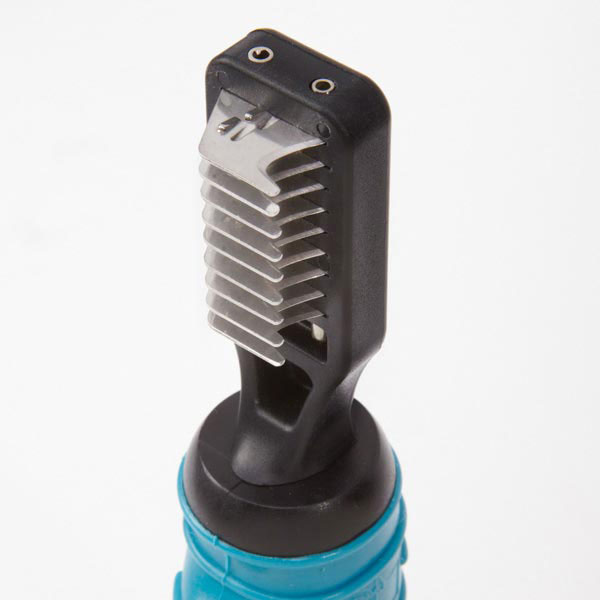
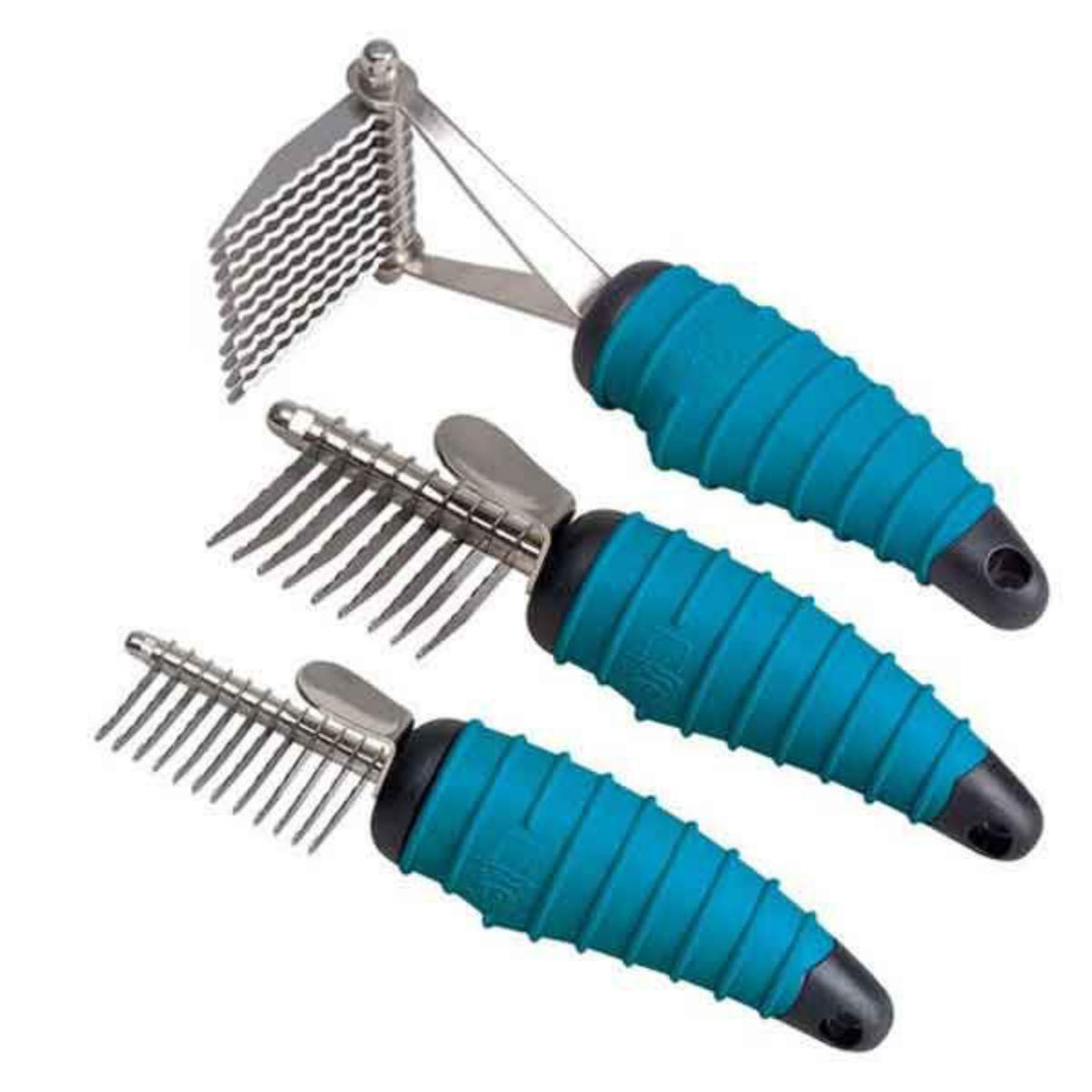
If you encounter a mat, do not pull on it with the slicker brush. Instead, use your fingers to pull the mat apart as much as possible. Then, use the corner of the slicker brush to gently "pick" at the edges of the knot. Working from the outside of the mat toward the center is the most effective way to break it up. For stubborn tangles, a coat mat and tangle splitter is another tool to consider.
Grooming for Skin and Coat Health
While the slicker brush handles the physical removal of hair, the health of the coat starts from within. A Berner's skin can be prone to dryness or allergies. If your dog is constantly itching or if the coat looks dull despite regular brushing, it may be time to look at their nutrition or environmental triggers.
Sometimes, skin issues require medical intervention. Our pharmacy at BaxterBoo offers FDA-approved medications for allergies and skin infections through our Pet's Choice partnership. If your veterinarian recommends a specific supplement or prescription diet to improve coat quality, we can help fulfill those needs. A healthy coat is much easier to brush than a brittle, dry one.
Bottom line: Consistent maintenance with a slicker brush prevents painful mats and allows you to monitor your Berner’s skin health closely.
Supporting Tools for Your Grooming Kit
While the slicker brush is the star of the show, it works best when paired with a few other items. Building a complete kit ensures you can handle any grooming challenge that comes your way.
The Undercoat Rake
During the heavy shedding seasons in spring and fall, a slicker brush might fill up with hair in just one stroke. This is when an undercoat rake is useful. The rake has long, t-shaped teeth that pull out large volumes of dead undercoat. Use the rake first to remove the bulk of the shedding hair, then follow up with the slicker brush to smooth the coat and remove smaller tangles.
Metal Finishing Comb
A stainless steel "greyhound" comb is essential for checking your work. The teeth of the comb will catch on any tiny knots that the slicker brush might have skipped over. It is also the best tool for the fine hair on the face and the feathering on the legs.
Grooming Spray or Detangler
Never brush a bone-dry Berner coat if you can avoid it. Dry hair is more prone to breakage and static. Using a light grooming spray or a diluted conditioner helps the brush glide through the fur. It also adds a layer of protection to the hair shaft, making it harder for dirt to stick.
| Tool Type | Primary Use | Why Berners Need It |
|---|---|---|
| Slicker Brush | General detangling and smoothing | Reaches deep into the double coat to prevent matting. |
| Undercoat Rake | Heavy deshedding | Removes large amounts of "blown" coat quickly. |
| Metal Comb | Finishing and checking | Ensures no small knots are left against the skin. |
| Bristle Brush | Polishing | Distributes oils and adds shine to the outer coat. |
Keeping the Experience Positive
Bernese Mountain Dogs are known as "gentle giants," but they can be sensitive. A bad experience with a pulling brush can make them fearful of grooming. Because they are large dogs, you want them to be willing participants in the process.
- Start young: Get your puppy used to the feeling of the brush before they actually have a thick coat.
- Use treats: Reward your dog for staying still. Use a high-value treat that they only get during grooming sessions.
- Keep sessions short: If your dog is getting restless, stop. You do not have to do the whole dog in one sitting.
- Be mindful of pressure: The wire pins can be sharp. Always use a light touch. If you aren't sure how hard you are pressing, try the brush on your own forearm first.
We recommend checking out our MVP Rewards program if you are building your grooming kit from scratch. It allows you to earn points on every purchase, which can be used for future treats or replacement brushes. You can also read how our MVP program works.
Maintaining Your Slicker Brush
To keep your slicker brush performing well, you must care for it properly. A brush clogged with old hair will not penetrate the coat effectively. It can also harbor bacteria or skin oils that go rancid over time.
Most slicker brushes need to be cleared of hair after every few strokes. You can use your fingers or a small comb to pull the hair out of the pins. Some modern slicker brushes have a self-cleaning feature where the pins retract, leaving the hair to be wiped away easily. For that option, see the Master Grooming Tools Self-Cleaning Slicker Brush. If your brush does not have this, simply ensure you are clearing the pad frequently.
Once a month, wash the brush with warm water and a mild soap. Use an old toothbrush to scrub around the base of the pins. Rinse it thoroughly and lay it "pins down" on a towel to dry. This prevents water from getting trapped inside the cushion pad, which could lead to mold or rust.
Conclusion
Managing the coat of a Bernese Mountain Dog is a commitment, but the right slicker brush makes the task manageable. By choosing a brush with long, flexible pins and using the line-brushing technique, you can keep your dog's coat beautiful and their skin healthy. Regular grooming sessions are the best way to catch skin issues early and reduce the amount of fur in your home.
- Invest in a long-pin slicker brush to reach the dense undercoat.
- Use the line-brushing method to ensure you reach the skin.
- Focus on high-friction areas like ears and armpits to prevent mats.
- Pair your brush with a metal comb for a professional finish.
Key Takeaway: The majesty of the Bernese Mountain Dog coat requires a dedicated grooming routine. A high-quality slicker brush is the single most important investment you can make for your Berner's comfort and hygiene.
If your Berner is currently blowing their coat or struggling with tangles, browse our dog grooming collection for slicker brushes and deshedding tools. We offer everything you need to keep that beautiful double coat in peak condition throughout the year.
FAQ
How often should I brush my Bernese Mountain Dog with a slicker brush?
For most of the year, a thorough brushing once or twice a week is sufficient to keep the coat in good shape. During the heavy shedding seasons, you may need to brush your dog daily to keep up with the amount of hair being released. Consistent weekly sessions help prevent small tangles from turning into tight mats that require professional intervention.
Can I use a slicker brush on a Bernese Mountain Dog puppy?
Yes, you can and should use a slicker brush on a puppy to get them used to the sensation. Choose a "soft" slicker brush with more flexible pins for a puppy's delicate skin and thinner coat. Starting early ensures that your dog will be calm and cooperative when they reach their full size and have a much thicker adult coat to manage.
What should I do if the slicker brush won't go through a mat?
If the slicker brush catches on a mat, stop immediately to avoid hurting your dog. Try to tease the mat apart with your fingers or use a specialized de-matting tool or a metal comb to work the knot from the outside in. For very tight mats that are close to the skin, it is often safer to have a professional groomer or a veterinarian remove them to avoid cutting the skin.
Is a self-cleaning slicker brush better for Berners?
A self-cleaning slicker brush is very convenient because it saves time during long grooming sessions. Since Berners shed heavily, you will be clearing the brush frequently, and the one-button retraction makes this much easier. However, ensure the pins on the self-cleaning model are long enough to reach the undercoat, as some consumer models have shorter pins meant for single-coated breeds.


- Site & Contents BaxterBoo.com. BaxterBoo is located in the United States.
- Privacy & Security
- Terms of Use
- Accessibility Statement
