Save 15% on your 1st Autoship learn more

 Email us
 Live Chat
 FAQs
FAQs





Introduction
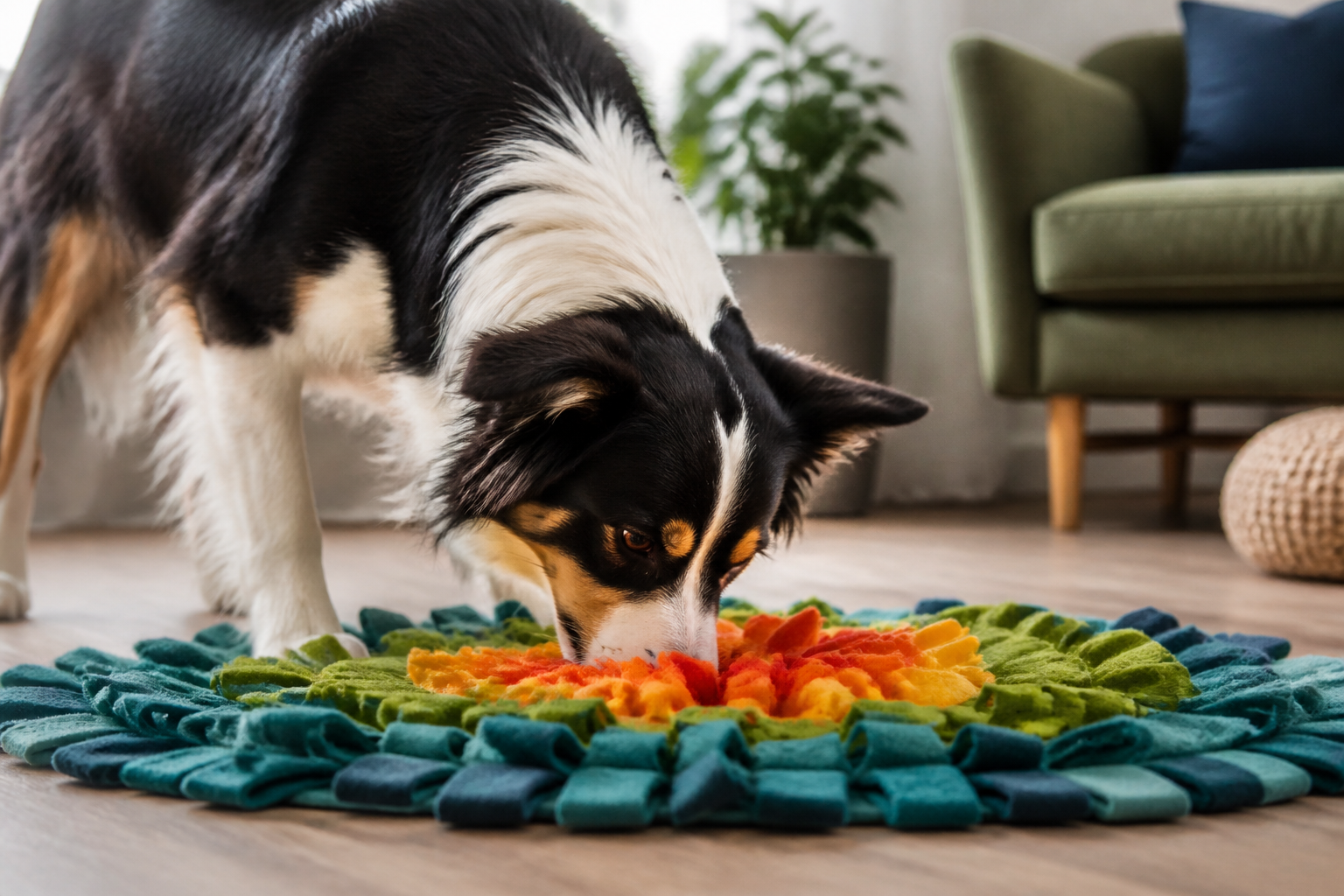
You watch your dog inhale their dinner in three seconds flat. Maybe they are pacing the living room with restless energy because it is too rainy for a long walk. A snuffle mat is one of the most effective tools for slowing down fast eaters and providing mental stimulation. At BaxterBoo, we know that the foundation of a great enrichment toy is the material you use to build it. Selecting the right snuffle mat base determines how long the toy lasts and how safe it is for your pet. This guide will walk you through the best materials for a sturdy base and how to assemble a mat that stands up to enthusiastic sniffing. We will cover safety, durability, and how to use this tool to support your pet's overall wellness.
What Is a Snuffle Mat Base?
The base is the structural foundation of the foraging toy. It is typically a flat, heavy material with holes that allow you to tie strips of fabric or felt onto it. These fabric strips create a thick "forest" of material where you can hide dry kibble or small treats. Your dog must then use their nose to find the food. This mimics the natural scavenging behavior of wild canines.
Without a proper base, the fabric strips would have no anchor. A good base provides enough weight to keep the mat on the floor while your dog roots around. It also defines the size and shape of the activity area. Most owners use rubber or plastic because these materials are easy to clean and provide the necessary grip on hardwood or tile floors.
Quick Answer: A snuffle mat base is the sturdy foundation, usually made of rubber or plastic mesh, used to anchor fabric strips. It provides the weight and structure needed for a dog to forage for treats without the mat sliding or bunching up.
Selecting the Right Material for Your Base
Not all bases are equal. The material you choose affects how the mat performs and how easy it is to maintain. Most DIY enthusiasts and professional manufacturers stick to three primary categories.
Rubber Sink Mats
Rubber sink mats are the gold standard for a snuffle mat base. They are heavy enough to stay in place on most floor surfaces. The rubber is flexible, which makes it comfortable for a dog to press their face against. Most sink mats have a pre-made lattice or hole pattern that is perfect for threading fleece strips.
When shopping for a rubber base, look for one that is labeled non-toxic. Since your dog will be sniffing and potentially licking the surface, food-grade materials are best. Avoid mats with a strong chemical odor, as this can be off-putting to a dog’s sensitive nose.
Plastic Grid Mats
Plastic mats are often lighter and more affordable than rubber. These are frequently sold as "drainage mats" or "locker room mats." They offer a very rigid structure, which can be helpful if you have a dog that likes to try to pick up and carry their toys. However, plastic can be brittle. If a heavy chewer gets a hold of an exposed edge, they might crack the plastic. This can create sharp points that could poke a dog’s nose or paws.
Anti-Skid Bathtub Mats
For large breed dogs, a standard sink mat might be too small. Anti-skid bathtub mats provide a much larger surface area. These often come with suction cups on the bottom. While the suction cups might not stick to every floor type, they provide extra grip on smooth surfaces. The material is usually a soft PVC or rubber blend, making it a safe choice for prolonged use.
Key Takeaway: Rubber is generally the best choice for a snuffle mat base because of its weight, flexibility, and safety. Ensure any plastic or rubber used is heavy enough to prevent the mat from sliding during use.
Why the Base Weight Matters
If a snuffle mat is too light, your dog will simply pick it up and shake it. This defeats the purpose of the enrichment activity. Instead of using their nose to forage, they use gravity to dump the treats out. A heavy base encourages the dog to keep their nose down and work through the fabric.
If you find that your base is too light, you can zip-tie two sink mats together to increase the weight and the surface area. This is a common strategy for owners of large breeds like Labradors or Golden Retrievers. A heavier base also prevents the mat from bunching up. When the mat stays flat, the "hiding spots" between the fabric strips remain effective.
Hole Spacing and Fabric Density
The pattern of the holes in your snuffle mat base dictates how dense the fabric will be. If the holes are too far apart, the fabric will look sparse. This makes it too easy for the dog to see the treats. If the holes are too close together, the mat becomes very difficult to assemble and may become too tight for the dog to move the strips around.
The ideal spacing is usually between half an inch and one inch between holes. This allows you to tie a strip of fleece through every hole or every other hole to create a lush, thick pile.
Checklist for a Good Base:
- Non-toxic material (rubber or silicone is preferred)
- Holes spaced roughly 1 inch apart
- Heavy enough to stay flat on the floor
- No sharp or rough edges on the plastic
- Washable or easy to rinse clean
Sizing the Base for Different Pets
The size of the base should match the size of the pet and the purpose of the activity. A cat or a toy breed dog only needs a small area to forage. A large mat might be overwhelming for a tiny kitten. For cats, a base around 10 by 10 inches is usually plenty.
For medium to large dogs, aim for a base that is at least 12 by 18 inches. If you are using the snuffle mat as a slow feeder for full meals, a larger surface area is better. This allows you to spread the kibble out more thinly, which forces the dog to spend more time searching.
Safety Considerations and Maintenance
Safety is the most important factor when choosing a snuffle mat base. You must regularly inspect the base for signs of wear. If you notice any pieces of the rubber or plastic starting to tear away, it is time to replace the mat. Dogs that are prone to chewing should always be supervised while using a snuffle mat.
Avoiding Sharp Edges
If you use plastic zip ties to connect multiple bases, ensure the sharp ends are trimmed flush. Better yet, hide the zip tie connection under a thick layer of fleece. This prevents the dog from catching their lip or nose on the plastic.
Cleaning the Base
Over time, crumbs, dog saliva, and dust will accumulate at the bottom of the strips. A washable base is essential. Most rubber and plastic sink mats can be hand-washed in a tub with warm water and a mild, pet-safe soap.
Vet Tip: If your dog uses a snuffle mat daily, wash it at least once a week to prevent bacteria buildup from saliva and food particles. Always air dry the mat thoroughly before the next use to prevent mold growth within the dense fabric strips.
Building the Mat on Your Base
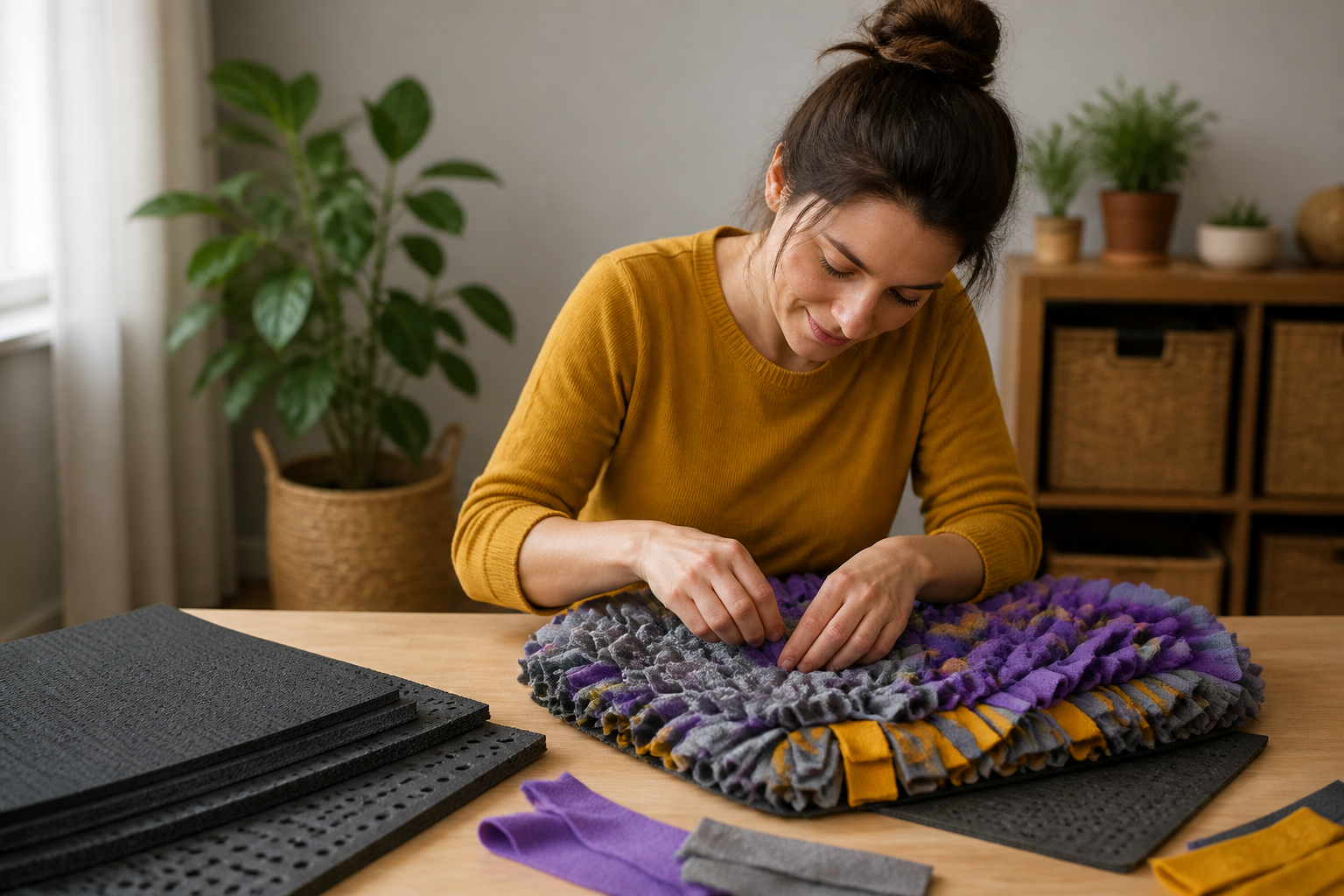
Once you have selected your base, the assembly process is straightforward. You will need about one to two yards of fleece fabric. Fleece is the preferred material because it does not fray when cut and it is soft on a pet's face.
Step 1: Cut the fabric. / Slice the fleece into strips that are roughly 1 inch wide and 7 to 8 inches long.
Step 2: Start at a corner. / Push one end of a fleece strip through a hole in the base and the other end through the adjacent hole.
Step 3: Tie a knot. / Tie the two ends into a single overhand knot. There is no need for a double knot as the friction of the fleece will hold it in place.
Step 4: Fill the grid. / Continue this pattern across the entire base. You can alternate colors to create a fun pattern.
Step 5: Check the density. / Flip the mat over. If you see large gaps in the base, add more strips to those areas.
Mental Enrichment and Health Benefits
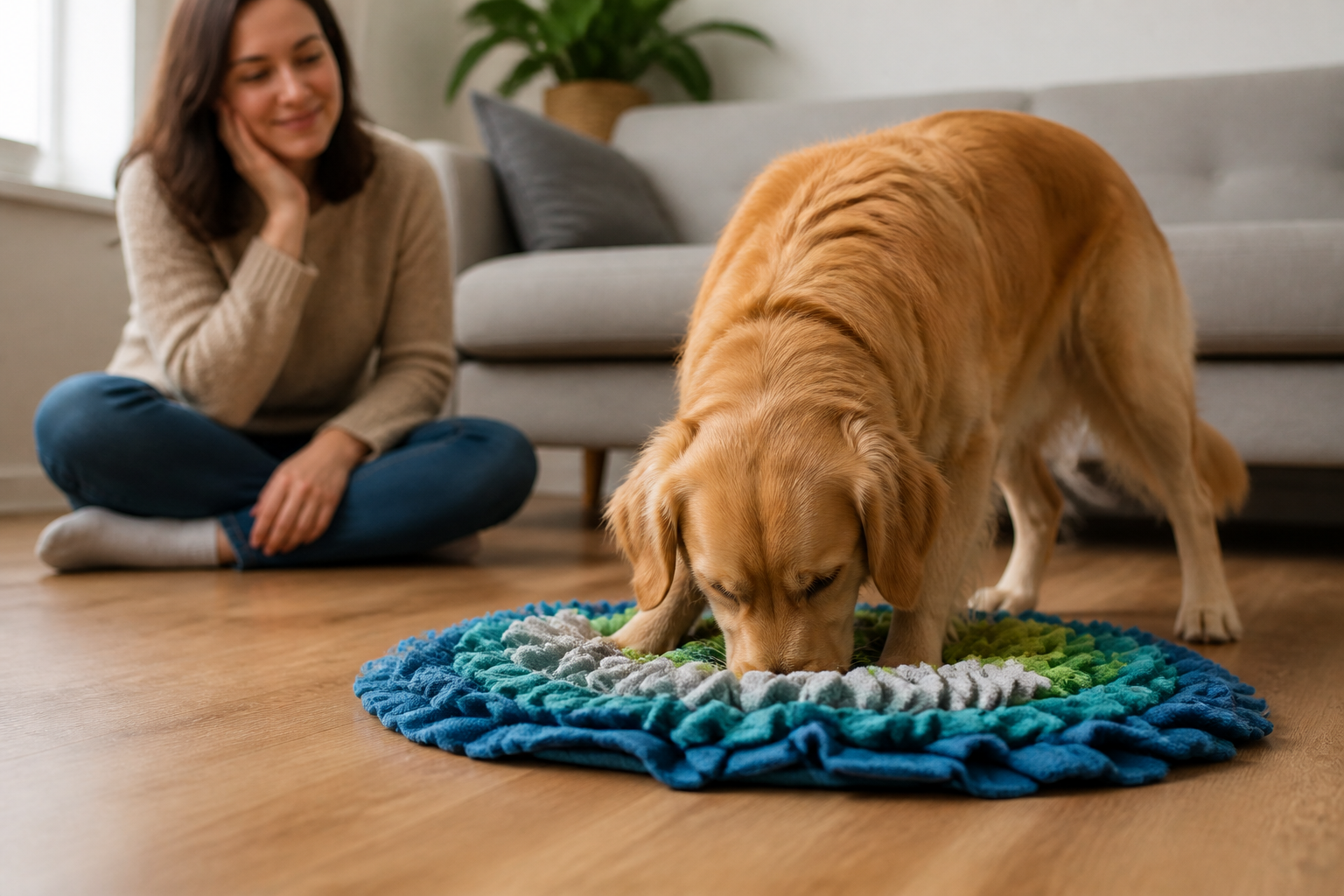
Using a snuffle mat is about more than just fun. It is a form of nose work that provides significant mental exercise. For dogs, ten minutes of sniffing is often as tiring as a long walk. This makes it an excellent tool for senior dogs who may have limited mobility but still have sharp minds.
If your dog suffers from anxiety during storms or fireworks, a snuffle mat can be a helpful distraction. The repetitive action of sniffing and foraging has a calming effect on the canine nervous system. Our dog toys collection includes interactive options for dogs who enjoy working for treats.
Key Takeaway: A well-constructed snuffle mat serves as both a mental workout and a physical tool to slow down eating, which can help prevent digestive issues like bloat.
Snuffle Mats for Cats
While most people associate snuffle mats with dogs, cats also benefit from foraging activities. Cats in the wild spend a large portion of their day hunting and searching for food. A indoor cat that simply eats from a bowl can become bored or prone to weight gain.
Using a smaller snuffle mat base for your cat encourages them to use their natural instincts. You can hide high-quality dry cat treats or even a small amount of catnip among the strips. Since cats have very sensitive whiskers, ensure the fleece strips are soft and the base is not too deep. A shallower mat is often better for feline friends.
When to Consult a Professional
If you are using a snuffle mat because your dog has severe anxiety or an eating disorder, it is a good idea to talk to your veterinarian. While enrichment tools are helpful, they are often one part of a larger wellness plan.
If your dog is showing signs of extreme food aggression or if they try to eat the fabric strips rather than the treats, seek advice from a professional trainer. Safety should always come first. For pets with chronic health conditions that require specialized nutrition, our pet pharmacy can help fulfill prescriptions for specialized diets that fit perfectly into a slow-feeding routine.
Maintenance and Longevity
The lifespan of your snuffle mat depends heavily on the quality of the base. A cheap, thin plastic base may only last a few months before it cracks. A high-quality rubber base can last for years.
To extend the life of the toy, do not leave it on the floor when it is not in use. Once your dog has finished finding all the treats, pick the mat up and put it away. This keeps the activity "high value" and prevents the dog from using the mat as a chew toy or a bed.
Bottom line: Investing in a durable, heavy-duty rubber base ensures your snuffle mat remains a safe and effective enrichment tool for years to come.
Choosing the Best Treats for Foraging
The treats you choose are just as important as the base. You want something that is small, dry, and highly fragrant. Moist treats can leave a mess on the fleece and the base, making it harder to clean.
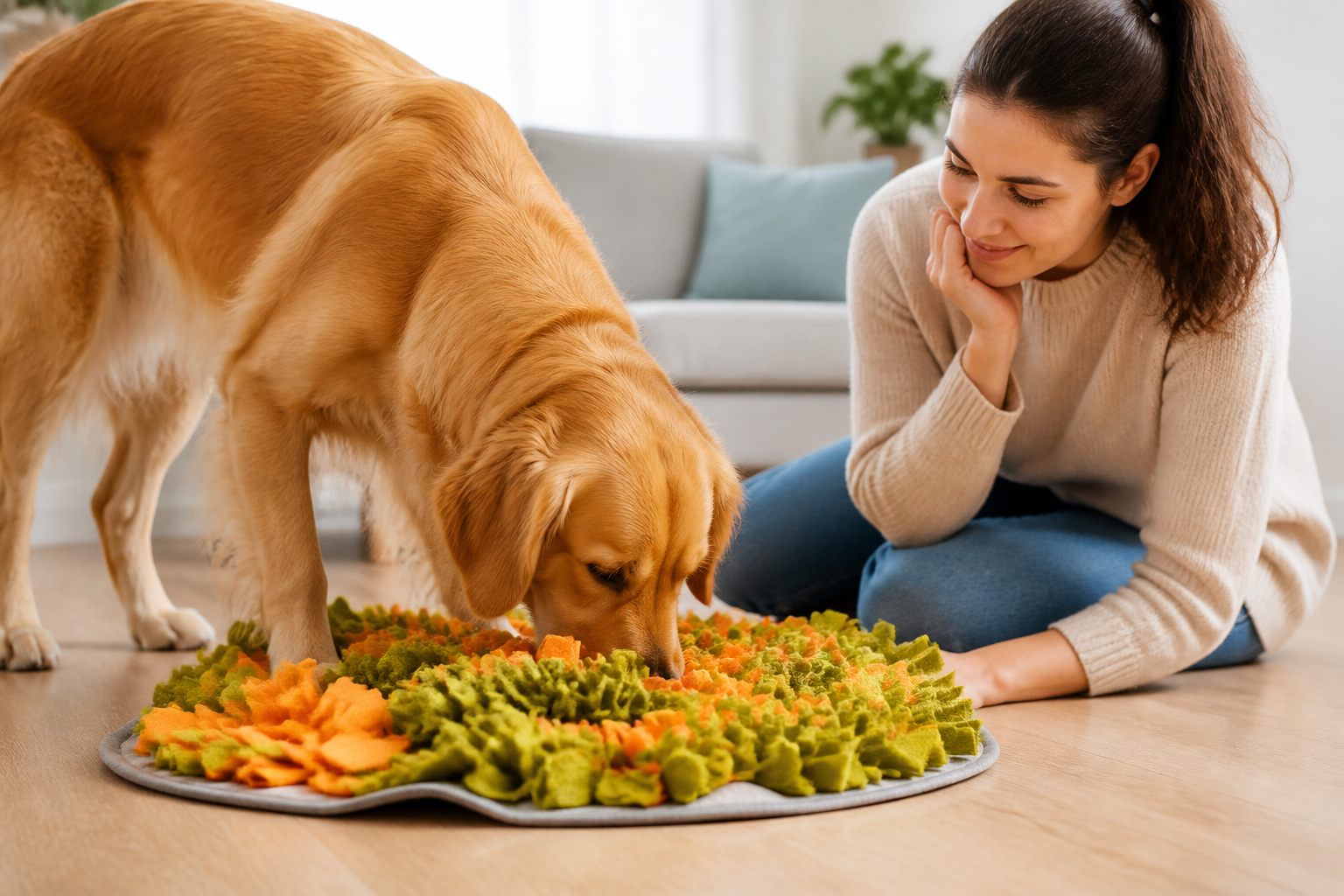
Brands like Stella & Chewy's or RedBarn offer freeze-dried options that are perfect for snuffling. These treats crumble slightly, leaving a scent trail that keeps the dog engaged. You can also use your dog's regular kibble if they are on a weight-management plan. This turns mealtime into a game and prevents them from consuming too many extra calories.
Creating a Routine
Introduce the snuffle mat slowly. For the first few sessions, leave the treats on top of the strips so the dog understands there is food involved. As they get better at the game, tuck the treats deeper toward the base.
Consistency is key. Using the mat for five to ten minutes every evening can help a high-energy dog settle down before bed. It creates a predictable routine that signals it is time to relax. For senior dogs, it provides a low-impact way to stay engaged with the world.
For more ideas that encourage problem-solving and foraging, explore interactive dog toys and puzzles.
Summary of Snuffle Mat Bases
Building a snuffle mat is a rewarding DIY project that benefits your pet’s mental and physical health. By choosing a heavy, non-toxic rubber base, you ensure the toy is safe and stays in place. Remember to size the mat appropriately for your pet and to supervise them during use.
- Select a heavy rubber sink mat for the best grip and durability.
- Ensure the hole spacing allows for a dense layer of fleece.
- Regularly inspect the base for any cracks or missing pieces.
- Wash the mat weekly to maintain hygiene.
Key Takeaway: The right base is the difference between a frustrating, sliding toy and a successful, calming enrichment activity for your dog or cat.
If you are ready to start your enrichment journey, we carry a wide selection of treats and supplements at BaxterBoo to make your pet's snuffle mat experience even better. You can also check out the MVP Rewards programme to earn points on every purchase of treats, toys, and grooming supplies. Whether you are helping a senior dog stay sharp or slowing down a hungry puppy, the right tools make all the difference.
FAQ
What can I use as a base for a snuffle mat?
The most common and effective base is a rubber or plastic sink mat. These are durable, have pre-made holes for tying fabric, and are heavy enough to stay on the floor. Other options include anti-skid bathtub mats or specialized plastic drainage grids.
How do I clean a snuffle mat with a rubber base?
You should hand-wash the mat in a sink or bathtub using warm water and a mild, pet-safe detergent. Rinse it thoroughly to ensure no soap residue remains in the fleece strips. It is best to air dry the mat, as the high heat of a dryer can damage the rubber base or melt certain types of synthetic fabric.
Can I use a cardboard base for a snuffle mat?
While cardboard is an inexpensive DIY option, it is not recommended for long-term use. Cardboard cannot be washed, meaning it will quickly become dirty and hold onto bacteria from saliva. It is also easily destroyed by dogs who like to chew or dig, which can lead to your pet ingesting the cardboard.
Is a snuffle mat safe for cats?
Yes, snuffle mats are excellent enrichment tools for cats. They encourage natural foraging behavior and can help indoor cats stay active. When choosing a base for a cat, look for a slightly smaller size and ensure the fleece strips are soft to protect their sensitive whiskers.