
 Save 15% on your 1st Autoship learn more

 Email us
 Live Chat
 FAQs





Introduction
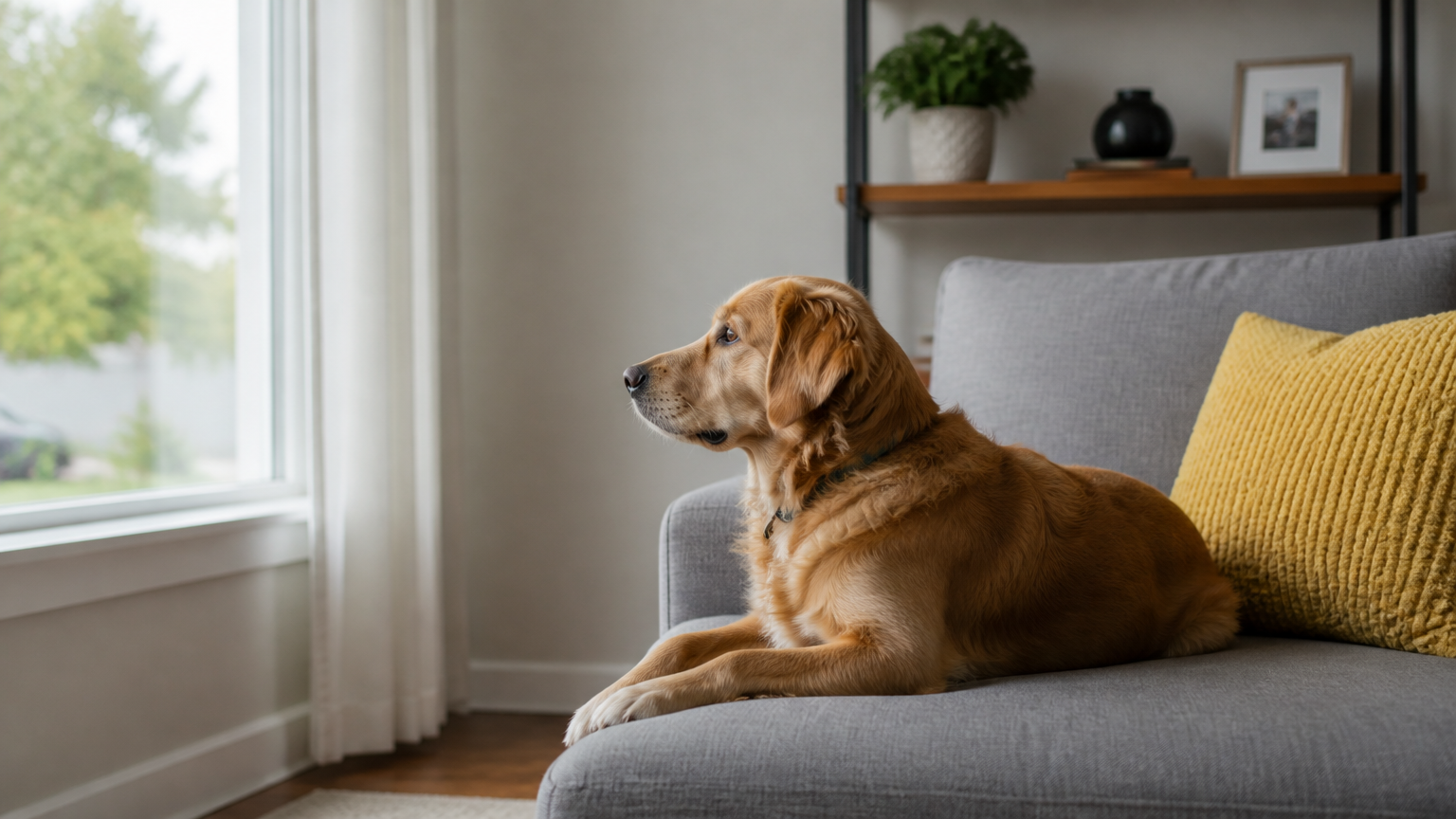
You have a workday ahead, and your dog is watching you pick up your keys. It is natural to wonder how long they can stay home comfortably and whether they need someone to check in.
For many healthy, house-trained adult dogs, four to six hours is a useful starting point, not a guarantee. Puppies, seniors, dogs with health needs, and dogs who become distressed may need much shorter stretches. At BaxterBoo, we know that a workable plan has to fit both your dog and your schedule.
A bathroom break matters, but so do companionship, safety, and how your dog behaves when you leave. Start with their individual needs, then arrange help before the time alone becomes too long.
What Determines How Long Your Dog Can Stay Alone?
There is no single number that fits every dog. Badger Veterinary Hospital describes four to six hours as a general range for adult dogs, while noting that some adapt to longer workday absences. We would still plan a visit to break up a long day rather than assume your dog can handle it.
Consider these factors together:
- Bathroom needs: A dog who can hold it for several hours is not necessarily comfortable waiting that long every day.
- Alone-time experience: A dog needs practice staying relaxed, even if they are house-trained.
- Health and mobility: Illness, medication schedules, or difficulty getting around can change the care they need.
- Age: Puppies generally need more frequent bathroom breaks and supervision. Some senior dogs do, too.
- Behavior: Pacing, prolonged barking, or attempts to escape can mean your dog needs help with shorter absences.
A small adult dog does not automatically have the same schedule as every other small dog. Pay attention to your own dog's bathroom habits and comfort instead of choosing a time limit by size alone.
Interactive and Treat Dog Toys












Can a Dog Stay Home Alone During a Workday?
Many people have dogs and work away from home. The key is to make a plan for the whole time you are gone, including your commute, rather than treating eight hours as an automatic safe limit.
For an eight- or nine-hour absence, arrange a midday visit from a trusted walker, sitter, family member, or neighbor. Ask them to offer a bathroom break, fresh water, and some suitable interaction. A puppy or a dog with health or separation difficulties may need more frequent visits or someone to stay with them.
For a ten- or twelve-hour day, plan more than a quick bathroom stop. Depending on your dog's needs, that might mean several visits, a sitter who stays for a longer period, or a suitable daycare. Keep a backup caregiver's contact information available in case your schedule changes.
A sample workday plan might look like this:
- Offer breakfast, a bathroom break, and a walk or play suited to your dog before leaving.
- Have a trusted person visit during the day for a bathroom break and company.
- Return for another bathroom break, exercise, and time together.
- Adjust the visit schedule if your dog shows discomfort or needs more frequent care.
Daycare is not the right fit for every dog. Visit first, ask about supervision and rest breaks, and consider whether your dog is comfortable in that environment.
Does a Dog Door Make a Long Day Easier?
A dog door can give some dogs access to a bathroom area, but it does not provide company or a health check. Before relying on one, consider whether the outdoor space is secure, whether the weather is safe, and whether your dog can use the door reliably.
Fresh water and a dog door are not substitutes for a person checking on a dog during an extended absence.
Puppies, Seniors, and Dogs With Health Needs
Puppies and Newly Adopted Dogs
Young puppies need frequent bathroom opportunities and supervision. Badger Veterinary Hospital advises that puppies under six months should not be left alone for more than two or three hours. Some need a break sooner, and that estimate does not mean a puppy is ready to spend that long alone on their first day.
You can begin teaching brief separation when a puppy is settled enough to practice. Start with moments while you are still nearby, then gradually work toward short departures. There is no birthday at which every puppy becomes ready for a full workday.
Give a newly adopted or rescue dog time to learn their surroundings and routine. Even an adult dog who was comfortable alone in a previous home may need to start with short practice sessions in yours.
Senior, Blind, or Sick Dogs
A senior dog may need a different schedule than they did when they were younger. Changes in bathroom habits, mobility, hearing, vision, or comfort can make an old routine less suitable.
For a blind dog, keep the layout consistent and make sure they can reach their bed and water without navigating hazards. For any sick dog, ask your veterinarian whether they need closer observation or care during the day.
A dog with epilepsy needs an individual plan. Ask your veterinarian about medication timing, what a caregiver should watch for, and what to do if a seizure occurs. Make sure the person checking on your dog knows how to reach you and your veterinary clinic.
Vet Tip: If your dog's bathroom habits, behavior, or ability to settle change, talk with your veterinarian. A new problem may need a medical assessment rather than a longer training session.
How to Teach a Dog to Stay Home Alone
Build the skill in small steps. Your goal is a dog who can settle comfortably, not one who endures the longest possible absence.
Step 1: Set up a comfortable area. Choose a dog-proof room or gated space with water and a resting place. Spend time there with your dog so the area is familiar before you practice leaving.
Step 2: Practice separation while you are home. Let your dog rest on one side of a gate while you move a short distance away. Return before they become upset, and repeat at a level they can handle.
Step 3: Make a very short departure. Pick up your keys or step outside briefly, then come back calmly. A camera can help you see what happens once you are out of sight.
Step 4: Increase time gradually. Add time only when your dog remains comfortable at the current step. Progress may be uneven, so shorten the next practice if your dog struggles.
Step 5: Practice ordinary departures. Vary small parts of your routine, such as putting on shoes or opening the door, so every cue does not always lead to a long absence. Continue to keep practice within your dog's comfort level.
Step 6: Arrange care while you build the skill. If your dog can manage only brief separations, use a sitter, trusted person, or other suitable care when you must be away longer. Training takes time, and a long absence is not a useful test of progress.
Look for a dog who can rest, move around normally, and return to their usual activities. Being quiet is helpful information, but camera footage can also show less obvious distress, such as pacing.
How to Prepare Your Home Before You Leave
Give your dog a space that fits their habits. Some dogs can safely use a dog-proof room; others may need a gated area while they learn what they can be trusted to leave alone.
Before heading out, check that:
- Fresh water is accessible and unlikely to spill.
- Food, medication, cleaning products, cords, and other hazards are out of reach.
- Doors, gates, and windows are secure, and the indoor temperature is comfortable.
- Your dog has a resting place and enough room to move.
- Any toy left out is appropriate for unsupervised use by your dog.
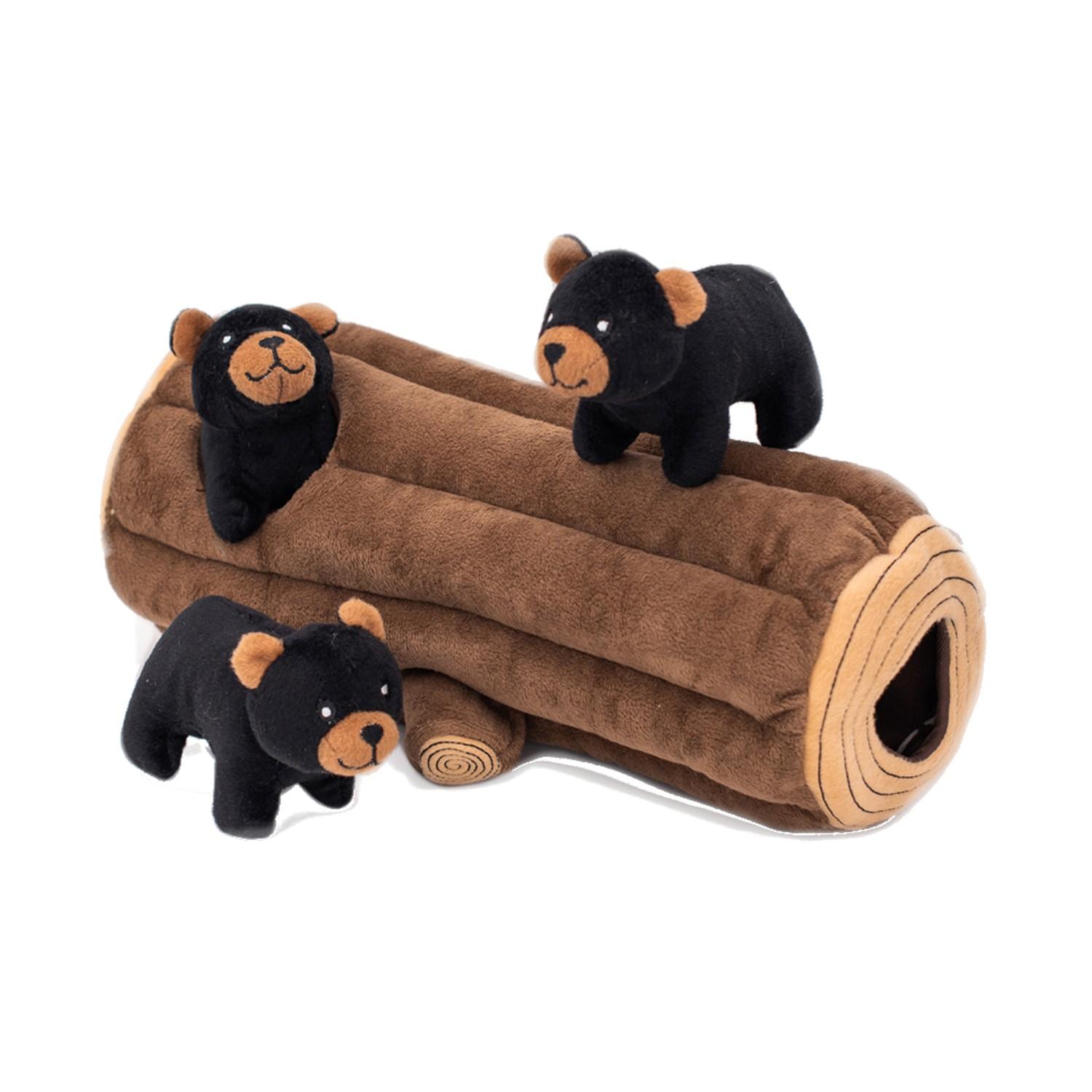
Watch how your dog uses a toy before leaving it with them. If they tear off pieces or try to swallow them, choose another option or save that toy for supervised play. A familiar food puzzle may suit some dogs, but it should not be the only plan for a dog who is distressed by your departure.
You do not need to keep every light on. Use normal daylight or a light that helps your dog move around safely after dark, particularly if they have vision difficulties.
Should You Leave a Dog in a Crate?
A crate can be a familiar resting place for a dog who has learned to feel comfortable in it. It is not a substitute for bathroom breaks, movement, or company throughout a workday. The PDSA advises against crating a dog for more than three hours at a time.
Do not assume a crate will calm every anxious dog. If your dog panics or tries to escape confinement, speak with your veterinarian and a qualified behavior professional about a safer arrangement.
What If Your Dog Barks or Seems Anxious?
Some dogs bark briefly at a sound and then settle. Others continue barking, pace, drool, scratch at exits, or have accidents when alone. A camera can help you see when the behavior starts and whether your dog settles afterward.
These signs do not establish a diagnosis on their own. If they are persistent, severe, or worsening, contact your veterinarian. Your vet can assess possible medical causes and help you find appropriate behavior support.
Avoid punishing your dog for barking, damage, or an accident you discover after returning. Instead, shorten absences where possible and arrange company while you work on a plan. A trainer who uses reward-based methods can help you practice at a pace your dog can handle.
Calming supplies or training supplies may be useful parts of a setup, but they are not a replacement for care or professional guidance when a dog is panicking.
Can Another Pet Keep Your Dog Company?
A familiar animal companion may provide company, but another pet does not guarantee that your dog will be comfortable without people. Both animals still need appropriate care, and they must be safe together without supervision.
If you have a cat and a dog, make sure the cat has access to a safe area and resources the dog cannot block. If a puppy stays home with an older dog, do not assume the older dog can supervise them. Separate them when needed, especially if play, food, or toys could cause conflict.
Introduce any shared arrangement gradually. If you are unsure how the animals behave when you are out, use a camera and start with very short absences.
Which Dogs Can Stay Home Alone?
Individual temperament and experience matter more than a breed label. When choosing a dog, ask a rescue or foster caregiver what they know about that particular dog's behavior during separations. Also consider whether you can meet the dog's exercise, training, and companionship needs outside work hours.
An Australian cattle dog or Portuguese water dog, like any other dog, may need a carefully planned routine and gradual training. Neither breed name tells you how many hours an individual dog can comfortably stay alone. A calm adult with a known history of settling may be a better match for a busy household than a puppy whose needs are still developing.
Overnight Trips and Longer Vacations
An overnight absence can be a long stretch without a bathroom break or anyone noticing a problem. For most trips, arrange a trusted person to stay with your dog, or choose a suitable boarding option. If you are considering an occasional night alone for a healthy adult dog, discuss the plan with your veterinarian and account for your dog's established routine and needs.
Do not leave a dog unattended for 24 hours, two days, three days, four days, or a week. Extra food, water, a camera, or a dog door cannot replace regular care and observation.
For a vacation, arrange an in-home sitter, a caregiver's home, or a boarding facility. Before leaving, share your dog's feeding and bathroom routine, medication instructions, veterinary contact, and an emergency contact. Check that the caregiver can meet your dog's needs for the entire trip.
Is It Legal or Cruel to Leave a Dog Alone?
Leaving a dog alone for a suitable period is not inherently cruel. The concern is whether the dog has appropriate care, access to necessities, and a safe environment, and whether the length of the absence causes them distress or leaves their needs unmet.
Legal requirements vary by state and locality, and an hour limit should not be assumed. Contact your local animal control agency or animal welfare authority for guidance about the rules where you live. For a specific legal question, consult a local attorney.
Making a Plan You Feel Good About
Feeling guilty does not mean you are doing something wrong. Instead of trying to be home every minute, focus on a routine that lets your dog rest comfortably and get the care they need.
- Start with your dog's age, health, bathroom needs, and behavior.
- Build alone time gradually rather than jumping straight to a workday.
- Arrange visits for long days and a caregiver for overnight trips.
- Ask your veterinarian for help with health changes or persistent distress.
Key Takeaway: A good alone-time plan is measured by your dog's comfort and care, not just by the number of hours they can hold their bladder.
For a practical next step, explore our dog toys and training supplies to help set up a safe space and practice short separations.
FAQ
Can I leave my dog alone for eight hours?
Some healthy adult dogs adapt to an eight-hour absence, but it is not suitable for every dog. We recommend arranging a midday visit for a bathroom break and company, especially if this is your regular work schedule.
At what age can a dog start staying home alone?
There is no universal starting age or date when a dog becomes ready for a long absence. Begin with very brief, comfortable separation practice and build gradually, while arranging frequent care for a young puppy.
Can my dog stay home alone overnight?
An overnight absence may be too long without a bathroom break or someone checking on your dog. A sitter who stays in your home or a suitable boarding arrangement is a better plan for most trips.
How can I tell if my dog is comfortable alone?
A camera can show whether your dog settles or continues to pace, bark, or scratch at exits. If you see persistent distress or a change in behavior, contact your veterinarian and shorten absences while you arrange help.


- Site & Contents BaxterBoo.com. BaxterBoo is located in the United States.
- Privacy & Security
- Terms of Use
- Accessibility Statement
