Save 15% on your 1st Autoship learn more

 Email us
 Live Chat
 FAQs
FAQs






When it comes to choosing the right food for our furry companions, the options can be overwhelming. Among the various choices available, freeze-dried food and dry kibble are two popular options for dog owners. Both have their advantages and considerations. In this article, we will delve into the details of freeze-dried food and dry kibble, comparing their nutritional value, palatability, digestibility, and other factors to help you make an informed decision about the best food for your dogs.
What is Freeze-Dried Food?
Freeze-dried dog food is a form of food preservation that involves removing moisture from the ingredients while retaining their nutritional integrity. The process consists of freezing the food and then placing it in a vacuum chamber where the frozen water content sublimates, converting it from a solid directly to a gas. This unique preservation technique helps retain the natural flavors, nutrients, and textures of the ingredients.
Benefits of Freeze-Dried Food for Dogs
Nutritional Value and Ingredient Quality: Freeze-dried dog food is often made with high-quality, human-grade ingredients. The freeze-drying process helps preserve the natural vitamins, minerals, and enzymes present in the ingredients, resulting in a nutrient-dense diet for dogs.
Enhanced Flavor and Palatability: The removal of moisture during the freeze-drying process intensifies the flavors of the ingredients, making freeze-dried food highly appealing to dogs. This can be especially beneficial for picky eaters or dogs with a decreased appetite.
Longer Shelf Life: Freeze-dried dog food has a significantly longer shelf life compared to other forms of dog food. The absence of moisture prevents the growth of bacteria, mold, and other microorganisms, ensuring the food remains fresh and safe for an extended period.
Easy Digestion and Nutrient Absorption: The freeze-drying process preserves the natural enzymes in the ingredients, which can aid in the digestion and absorption of nutrients by dogs. This can be particularly beneficial for dogs with sensitive stomachs or digestive issues.
Our Top Choices:
Dr. Marty Nature's Blend Small Breed Freeze-Dried Dog Food
Orijen Tundra Freeze-Dried Dog Food
BIXBI RAWBBLE Freeze-Dried Dog Food - Turkey Recipe
Northwest Naturals Freeze-Dried Chicken Nuggets Dog Food
The New Zealand Natural Pet Food Co. Woof Freeze Dried Dog Food - Duck
What is Dry Kibble?
Dry kibble, also known as dry dog food or kibble, is a popular and convenient form of dog food. It consists of a combination of meat, grains, vegetables, and other ingredients that are processed and extruded into small, dry pellets.
Advantages of Dry Kibble for Dogs
Convenience and Affordability: Dry kibble is widely available, and it is often more affordable compared to other types of dog food. It can be purchased in large quantities and stored for an extended period without the need for refrigeration.
Dental Health Benefits: The texture and hardness of dry kibble can help promote dental health in dogs. The chewing action required to break down the kibble helps reduce tartar and plaque buildup, supporting good oral hygiene.
Balanced Nutrition: Many reputable dry kibble brands offer complete and balanced formulations that meet the nutritional needs of dogs. They often contain a blend of protein, carbohydrates, fats, vitamins, and minerals to provide a well-rounded diet.
Our Top Choices:
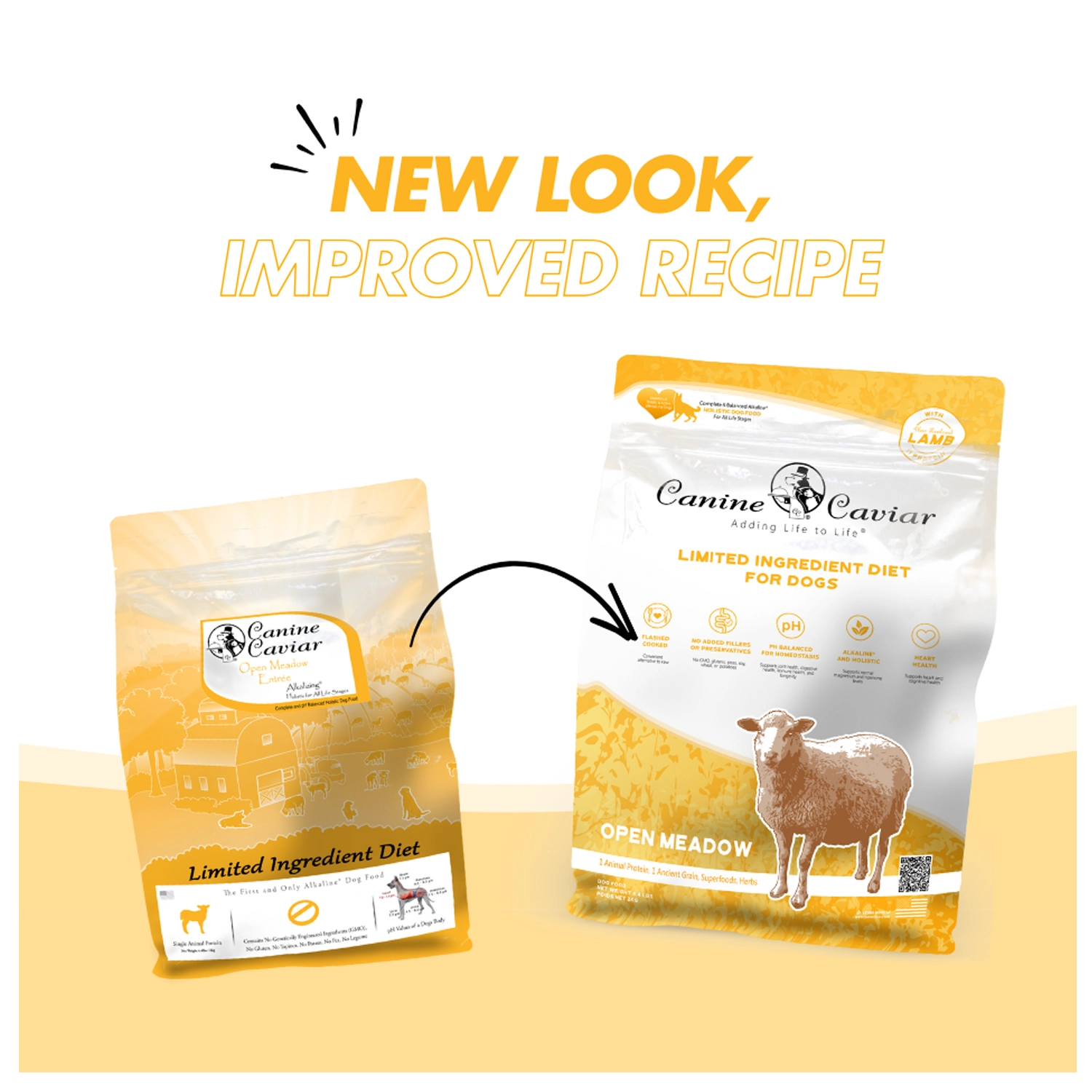
Canine Caviar Limited-Ingredient Alkaline Holistic Dry Dog Food
Carna4 Easy-Chew Grain-Free Dry Dog Food
Health Extension Little Bites Chicken & Brown Rice Recipe Dry Dog Food
PureVita Grain-Free Turkey & Sweet Potato Dry Dog Food
Diamond Naturals Chicken & Rice Formula Dry Dog Food
Comparing Freeze-Dried Food and Dry Kibble
Now let's compare freeze-dried food and dry kibble based on several factors to help you determine which option may be best for your dogs:
Nutritional Comparison: Freeze-dried food often contains a higher percentage of high-quality protein sources compared to dry kibble. It may also have a lower carbohydrate content and fewer artificial additives or fillers. However, it's essential to carefully read the labels and choose brands that offer complete and balanced nutrition.
Palatability and Taste: Freeze-dried food tends to be highly palatable due to the intense flavors preserved during the freeze-drying process. However, some dogs may prefer the taste and texture of dry kibble. Each dog has unique preferences, so it's important to observe their reaction to different foods.
Digestibility and Stool Quality: The digestibility of freeze-dried food is generally high, thanks to the preservation of natural enzymes and the absence of fillers. However, high-quality dry kibble can also provide good digestibility and result in healthy stool quality. It's important to monitor your dog's digestion and adjust their diet accordingly.
Allergies and Sensitivities: If your dog has specific allergies or sensitivities, freeze-dried food may be a suitable option. It often contains limited ingredients and avoids common allergens. Dry kibble, on the other hand, may have a wider range of ingredient options, allowing you to choose formulations that cater to your dog's specific needs.
Shelf Life and Storage: Freeze-dried food has a significantly longer shelf life compared to dry kibble. However, dry kibble can be stored for an extended period without refrigeration, making it more convenient for pet owners.
Factors to Consider when Choosing the Best Food for Your Dogs
Choosing the best food for your dogs involves considering several factors:
Dog's Specific Dietary Needs: Consider your dog's age, breed, size, activity level, and any specific health conditions they may have. Consult with your veterinarian to determine the nutritional requirements that align with your dog's needs.
Health Conditions and Sensitivities: If your dog has specific health conditions or sensitivities, such as food allergies or gastrointestinal issues, select a diet that addresses those concerns. Freeze-dried food or limited-ingredient dry kibble options can be beneficial in such cases.
Budget and Convenience: Evaluate your budget and the long-term costs associated with different types of dog food. Dry kibble is often more affordable and widely available, while freeze-dried food may be a bit more expensive.
Owner's Preferences and Priorities: Consider your personal preferences, lifestyle, and priorities. Some owners prioritize natural ingredients, while others prioritize convenience or specific dietary philosophies.
To Sum It Up
When choosing between freeze-dried food and dry kibble for your dogs, it's important to consider their individual needs, preferences, and your own priorities. Freeze-dried food offers the benefits of enhanced nutrition, palatability, and longer shelf life, while dry kibble provides convenience, affordability, and dental health benefits. By carefully evaluating the nutritional value, palatability, digestibility, and other factors, you can make an informed decision that supports the health and well-being of your beloved furry friends. Remember to consult with your veterinarian to determine the best food options for your dogs based on their specific requirements.
All things apart, if you want to find the right food for your dog from the top pet brands, do visit us at BaxterBoo!