Save 15% on your 1st Autoship learn more

 Email us
 Live Chat
 FAQs
FAQs





Introduction
Your cat might be staring at their food bowl right now with a look of utter boredom. Many indoor cats live predictable lives where their meals are served in the same dish at the same time every day. This routine can lead to "scarf and barf" habits or general lethargy. At BaxterBoo, we believe that mealtime should be an adventure rather than a chore. A DIY cat snuffle mat is a wonderful tool that turns a simple snack into a rewarding foraging game. This guide covers everything you need to create your own mat from scratch using basic household supplies. By the end of this article, you will know how to assemble a custom puzzle that keeps your cat mentally sharp and physically engaged.
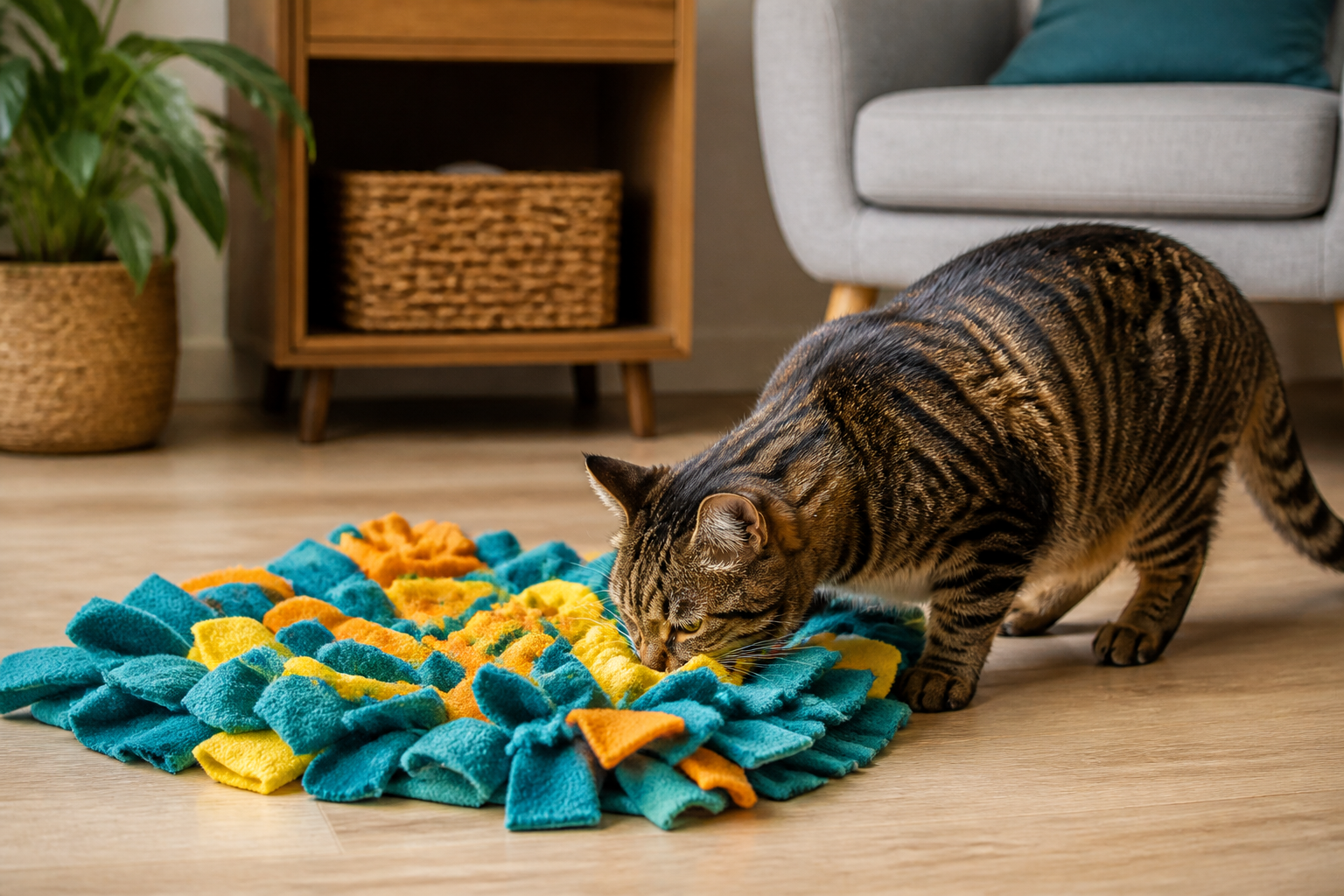
Quick Answer: A DIY cat snuffle mat is a handmade puzzle toy made of fleece strips tied to a rubber base. It mimics natural foraging behavior by hiding kibble or dry treats within the fabric folds for your cat to find using their nose.
The Science of Snuffling for Cats
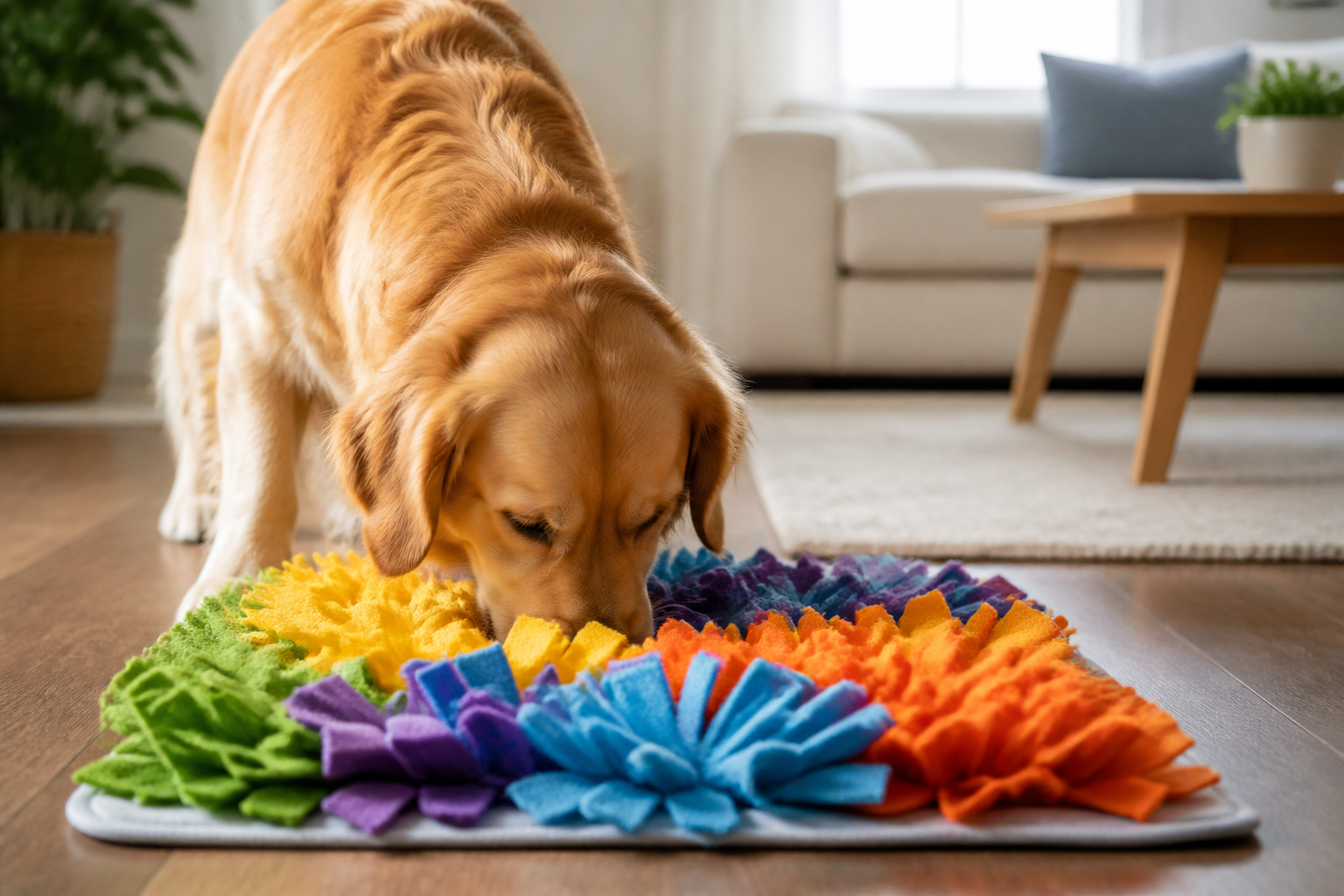
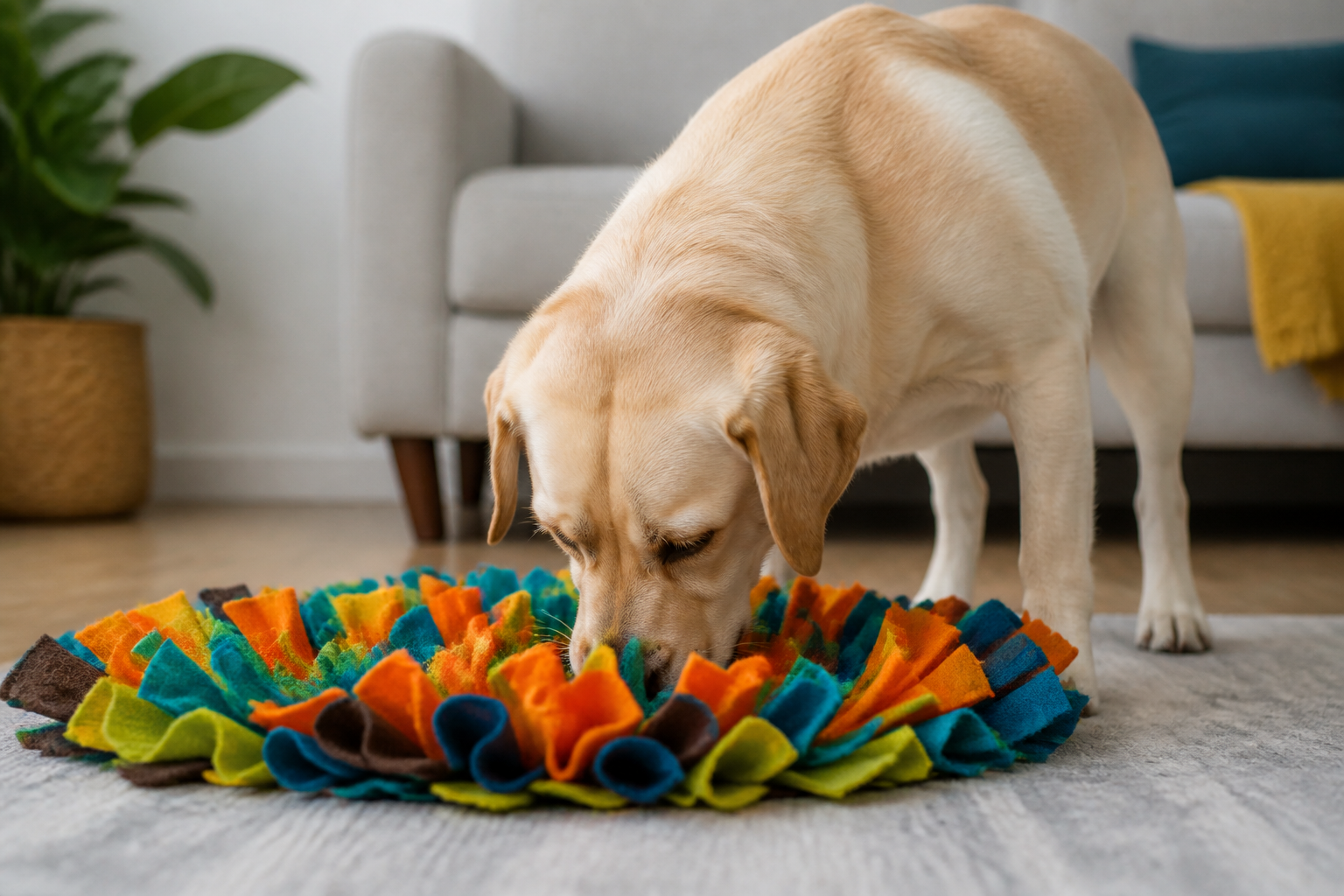
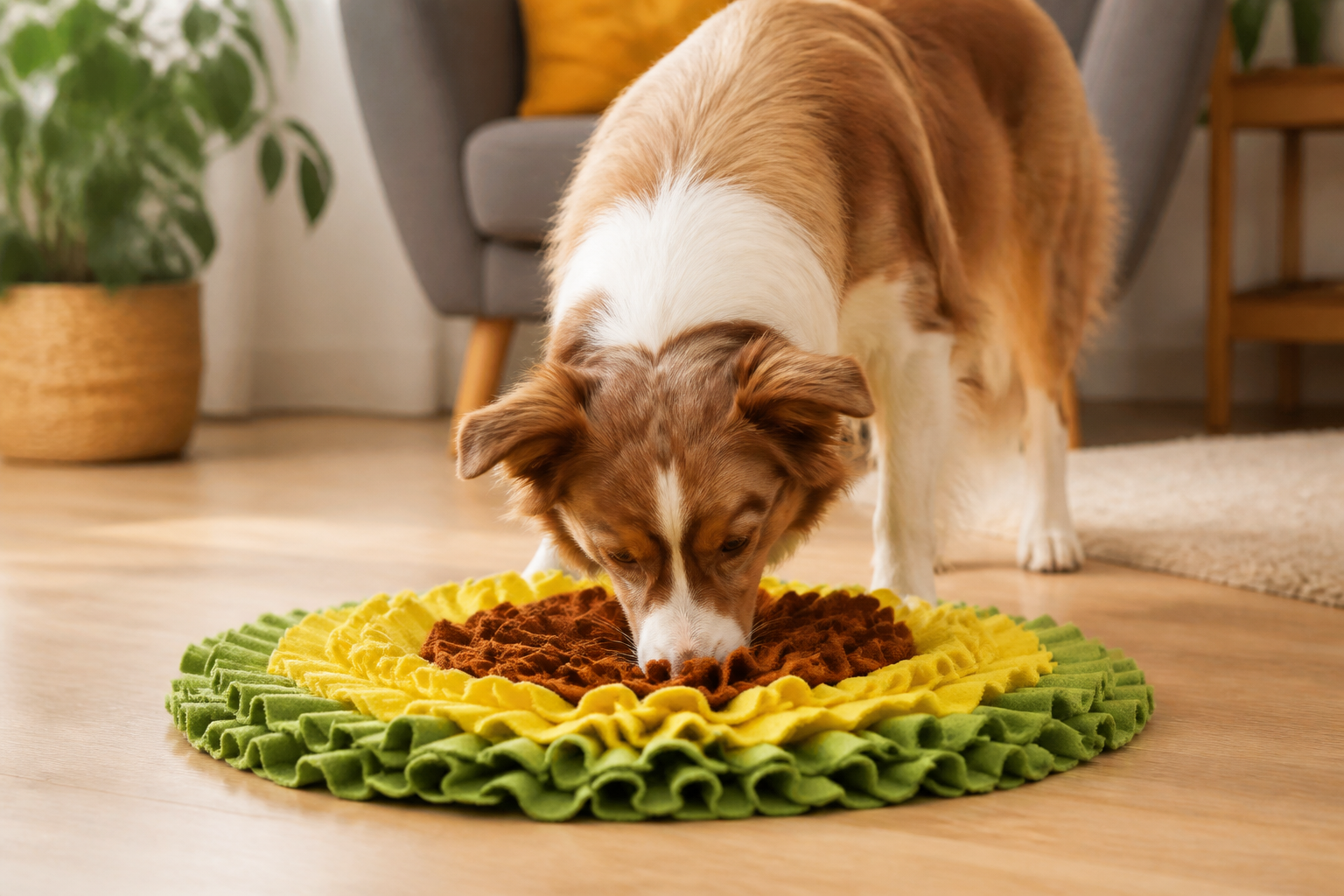
Most people associate scent work with dogs. However, a cat has an incredibly powerful sense of smell that they use to navigate their world. In the wild, cats spend a large portion of their day hunting and foraging. When we place food in a shallow bowl, we remove that natural instinctual drive. This can lead to behavioral issues or weight gain because the cat eats too quickly without any mental effort.
A snuffle mat engages the olfactory system. This is the part of the brain responsible for processing smells. When a cat uses their nose to find a hidden treat, it releases feel-good hormones. This mental workout is often more tiring for a cat than physical play with a wand toy. It provides a sense of accomplishment that a standard bowl simply cannot offer.
For more ways to keep an indoor cat engaged, explore these indoor enrichment ideas.
Why You Should Make Your Own Mat
There are many enrichment toys on the market, but a DIY project allows you to customize the experience. Commercial mats can sometimes be too large for small apartment spaces or too expensive for a trial run. When you make one yourself, you can choose the colors, the thickness of the fabric, and the overall size of the base.
Making a mat is also a sustainable choice. You can upcycle old fleece blankets or t-shirts that are no longer in use. It is a low-cost way to test if your cat enjoys food puzzles before investing in more complex electronic feeders. Our team has found that cats often prefer the soft texture of fleece over hard plastic puzzles because it feels more like natural grass or undergrowth.
If your cat enjoys the project, you can compare it with interactive cat toys for additional enrichment options.
Essential Supplies for Your DIY Project
You do not need many tools to get started. Most of these items are available at local hardware stores or in your own linen closet.
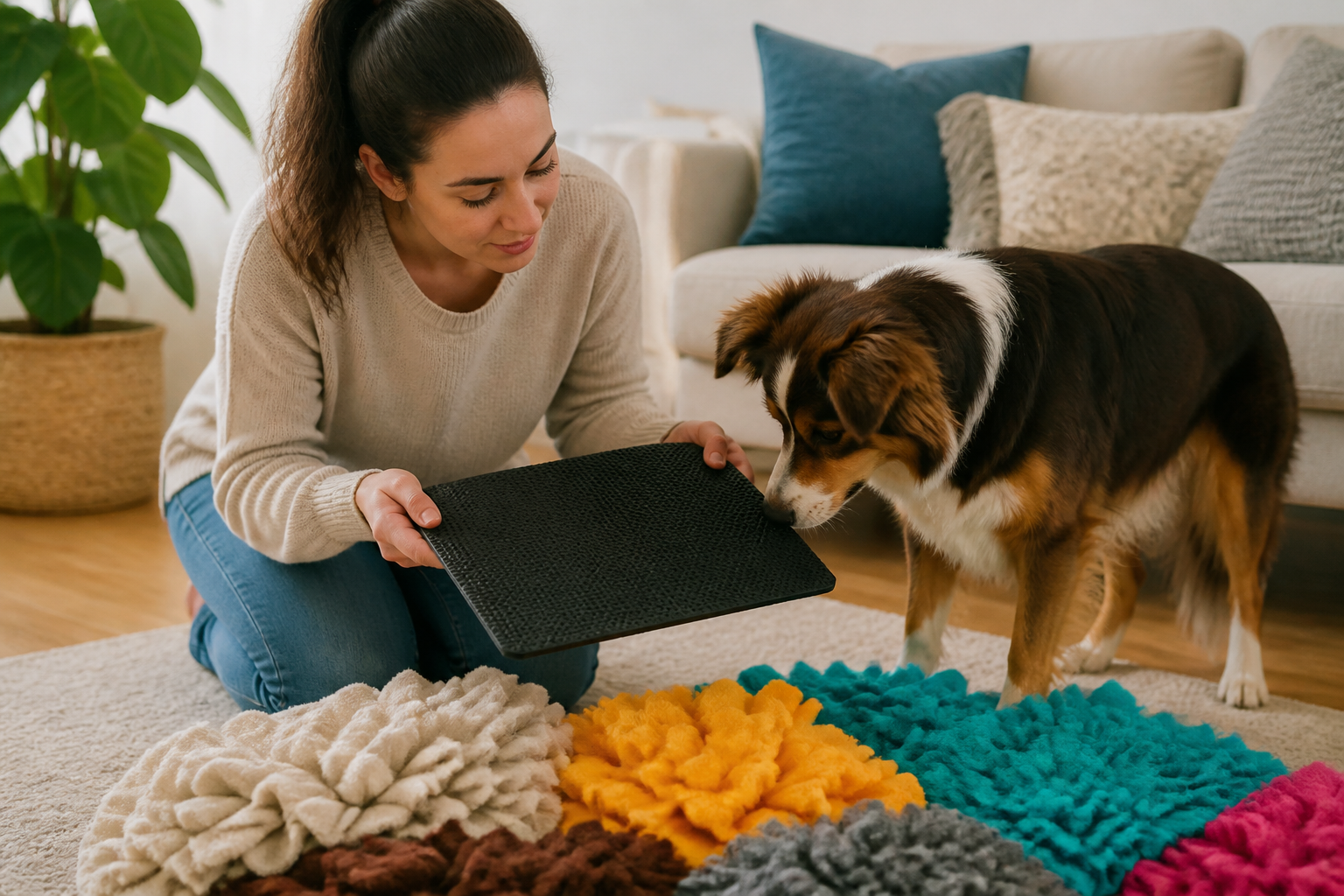
- Rubber Sink Mat: This serves as the base. Look for one with plenty of holes. A lattice or honeycomb pattern works best for tying.
- Fleece Fabric: You will need about one yard of fleece. It is the best material because it does not fray when cut and is soft on a cat’s nose.
- Sharp Scissors: Cutting through multiple layers of fleece can be tough on your hands. A good pair of fabric shears is helpful.
- Measuring Tape: This helps keep your strips uniform, though perfection is not required.
- Dry Treats or Kibble: Use high-quality options like Stella and Chewy’s or Tiki Cat to entice your pet.
For suitable rewards, browse our cat treats.
Key Takeaway: Using a rubber sink mat as a base provides a non-slip surface that stays in place while your cat forages, making the experience less frustrating for them.
Preparing the Fabric Strips
The most time-consuming part of this project is the cutting. To make the mat look full and plush, you will need a lot of strips. For a standard 12 by 15 inch sink mat, you might need between 150 and 250 strips.
Start by cutting your fleece into long sections. Then, cut those sections into smaller strips that are roughly 1 inch wide and 8 inches long. If the strips are too short, they will be difficult to tie. If they are too long, the mat will be floppy, and the treats will fall right to the bottom where the cat cannot reach them.
You can mix and match colors to create a pattern or keep it simple with a single shade. Some owners like to use bright colors like yellow and orange to make it easy for themselves to see where the treats are hidden. Others prefer earthy tones to match their home decor.
Step-by-Step Cutting Guide
Step 1: Lay your fleece flat on a large table or the floor. / Cut a 8-inch wide section across the entire width of the fabric.
Step 2: Stack two or three sections on top of each other. / This allows you to cut multiple strips at once to save time.
Step 3: Cut the sections into 1-inch wide strips. / Do not worry if the edges are slightly jagged. The cat will not mind.
Assembling the Snuffle Mat
Once your strips are ready, find a comfortable spot to sit. This part of the process is repetitive but can be quite relaxing. You will be threading the fabric through the holes in the mat and tying them in place.
Start in one corner of the rubber mat. Take a strip of fleece and push one end through a hole. Pull the other end through the hole immediately next to it. Tie the two ends together in a single, firm knot. You do not need a double knot. A single knot is usually enough to keep the fleece secure, and it creates less bulk on the bottom of the mat.
Continue this process across the entire row. Once you finish a row, move to the next one. After you have filled all the horizontal holes, you may want to go back and tie strips vertically between the rows. This adds extra density and "fluff" to the mat, which hides the treats better.
Vet Tip: If your cat has a history of eating non-food items, known as pica, consult your veterinarian before using a fleece mat. Always supervise your cat during use to ensure they do not chew on or swallow the fabric strips.
Introducing the Mat to Your Cat
Not every cat will understand the snuffle mat immediately. Some might just sit on it like a new bed. To help them learn, start with a very easy "level."
Place the mat on a flat surface. Sprinkle a few pieces of their favorite dry food right on top of the fleece strips. Do not hide them yet. Let your cat see you putting the food there. Use a verbal cue like "find it" or "snack time" to signal that the game has started.
Once your cat comfortably eats from the surface, start tucking the kibble slightly deeper into the folds. Over a few days, you can bury the treats completely. This gradual transition prevents frustration. If the cat cannot find the food, they might give up and walk away.
For additional puzzle ideas, read how to outsmart your cat with clever brain games.
Addressing the Scarf and Barf Habit
Many cat owners struggle with pets that eat so fast they immediately regurgitate their meal. This is often referred to as "scarf and barf." It usually happens because the cat swallows too much air or their stomach expands too quickly.
A snuffle mat is a practical solution for this issue. It forces the cat to eat one or two pieces of kibble at a time. This naturally slows down their consumption rate. If your cat is on a prescription diet for sensitive stomachs or weight management, you can still use the mat. Our cat pharmacy provides options for specialized diets. Using a snuffle mat for a prescription weight loss diet like Farmina Vet Life can make the smaller portions feel more satisfying for a hungry cat.
Maintenance and Cleaning
Because the mat holds food, it will eventually get dirty. Saliva and crumbs can build up over time. Most DIY snuffle mats are machine washable if you used a rubber mat and fleece.
Place the mat inside a pillowcase and tie it shut. This prevents the fleece strips from getting tangled in the washing machine’s agitator. Wash it on a cold, gentle cycle with a pet-safe detergent. Avoid using fabric softeners, as the strong scent can be overwhelming for a cat’s sensitive nose.
Air drying is the safest method. High heat in a dryer can melt or warp the rubber base. Lay the mat flat on a drying rack in a well-ventilated area. Once it is dry, give it a good shake to fluff up the strips before the next use.
Advanced Foraging Patterns
As your cat becomes a snuffle expert, you can change the way you "load" the mat to keep it challenging. Instead of just scattering food, try these methods:
- The Cluster Method: Place a group of treats in one specific corner to see how long it takes for them to find the "jackpot."
- The Trail Method: Create a line of treats that leads from the edge of the mat to the center.
- The Multi-Layer Method: Use different types of treats with varying scent strengths. Place a strong-smelling freeze-dried treat at the bottom and a standard kibble piece on top.
Using variety keeps the game fresh. We carry over 500 brands at our store, so you have plenty of options for switching up the "rewards" in the mat. Rotating between brands like Orijen, Acana, and PureVita can provide different textures and smells that pique a cat's interest.
For freeze-dried options, browse our freeze-dried cat treats.
Safety Precautions
While snuffle mats are generally safe, you should always keep an eye on your pet. The main risk is a cat deciding to chew on the rubber base or the fabric strips. If you notice any frayed edges or missing pieces of fleece, take the mat away immediately.
Key Takeaway: Store the snuffle mat in a cupboard or drawer when it is not in use. This keeps the mat "special" and prevents your cat from chewing on it out of boredom when there is no food inside.
If your cat manages to swallow a piece of fabric, watch for signs of distress like vomiting, lethargy, or changes in litter box habits. In these cases, a visit to the vet is necessary to check for a blockage. You can also look into FIGO pet insurance if you want peace of mind regarding unexpected veterinary visits for curious cats.
Troubleshooting Common Issues
What if your cat isn't interested? Some cats are more "sight-driven" than "scent-driven." If your cat ignores the mat, try using a much stronger smelling treat. Freeze-dried minnows or pieces of high-protein treats often do the trick.
If your cat tries to flip the mat over to get the treats out, you might need a heavier base. You can zip-tie two sink mats together to add weight. Alternatively, place the mat on a silicone feeding mat to give it more grip on the floor.
Sometimes, a cat might be confused by the texture. If they seem hesitant to touch the fleece, try placing a few treats on a flat towel first. Once they are comfortable foraging on the towel, move them back to the snuffle mat.
Beyond the Mat: Other DIY Ideas
A snuffle mat is just the beginning of home enrichment. If your cat enjoys this, you can expand your DIY repertoire. You can make a "snuffle box" by putting the mat inside a cardboard box and adding crumpled-up paper. This adds an extra layer of noise and texture that many cats find exciting.
You can also create a "hanging snuffle" by tying fleece strips to a plastic shower caddy and hanging it low to the ground. This encourages your cat to use their paws to bat at the strips to release the food. Enrichment is all about variety, and these small changes can make a big difference in a cat's daily happiness.
Supporting Long-Term Health
Enrichment is a pillar of feline health, right alongside nutrition and medical care. A cat that is mentally stimulated is less likely to suffer from stress-related illnesses like feline idiopathic cystitis or over-grooming.
For cats with chronic health conditions, the snuffle mat is a great way to keep them active without putting too much strain on their bodies. If your senior cat has joint stiffness, they can use the mat while lying down. For cats needing regular medication, our pet pharmacy offers FDA-approved treatments that can be managed alongside a healthy, active lifestyle. Through our pharmacy service, we make it easy to get prescription needs delivered so you can focus on the fun parts of pet ownership, like crafting new toys.
Bottom line: A DIY snuffle mat is a low-cost, high-reward project that supports your cat's natural hunting instincts and improves their overall well-being.
Summary of the DIY Process
Creating a snuffle mat is a straightforward afternoon project. It requires patience during the cutting phase, but the result is a durable, washable toy that your cat will use for years.
- Select a rubber sink mat with a lattice pattern.
- Cut fleece into 1x8 inch strips.
- Tie each strip to the mat using a single knot.
- Fill every hole to ensure the mat is plush.
- Introduce the mat slowly with high-value treats.
- Supervise every session and wash the mat regularly.
If you enjoy making things for your pet, the MVP Rewards programme is a great way to earn points on the supplies you buy. You can use those rewards toward your next batch of treats or even a new grooming tool to keep your cat looking as good as they feel after their "hunt."
FAQ
Can I use any fabric instead of fleece?
Fleece is the preferred choice because it does not fray when you cut it. Other fabrics, like cotton or flannel, may unravel and create long threads that can be dangerous if a cat swallows them. Fleece is also very soft, which prevents irritation on your cat's nose while they are rooting around for treats.
How do I know if my cat likes the snuffle mat?
A cat that likes the mat will usually begin purring, kneading the fabric, or intensely focusing on the search. If they stay at the mat until every piece of food is gone, it is a success. If they walk away after one piece, you may need to use a more enticing treat or make the food easier to find at first.
Is a snuffle mat safe for kittens?
Yes, kittens can use snuffle mats, and it is a great way to start their enrichment training early. However, kittens are more likely to chew on the fabric because they are teething. You must be extra vigilant with supervision to ensure they are only eating the treats and not the mat itself.
How often should I wash my DIY cat snuffle mat?
You should wash the mat at least once every two weeks if you use it daily. If you use "stinky" treats or freeze-dried raw food, you might want to wash it weekly to prevent bacteria buildup. Always check the mat for any loose knots or damaged strips after every wash to ensure it remains safe for your pet.