
 Save 15% on your 1st Autoship learn more

 Email us
 Live Chat
 FAQs
FAQs





Introduction
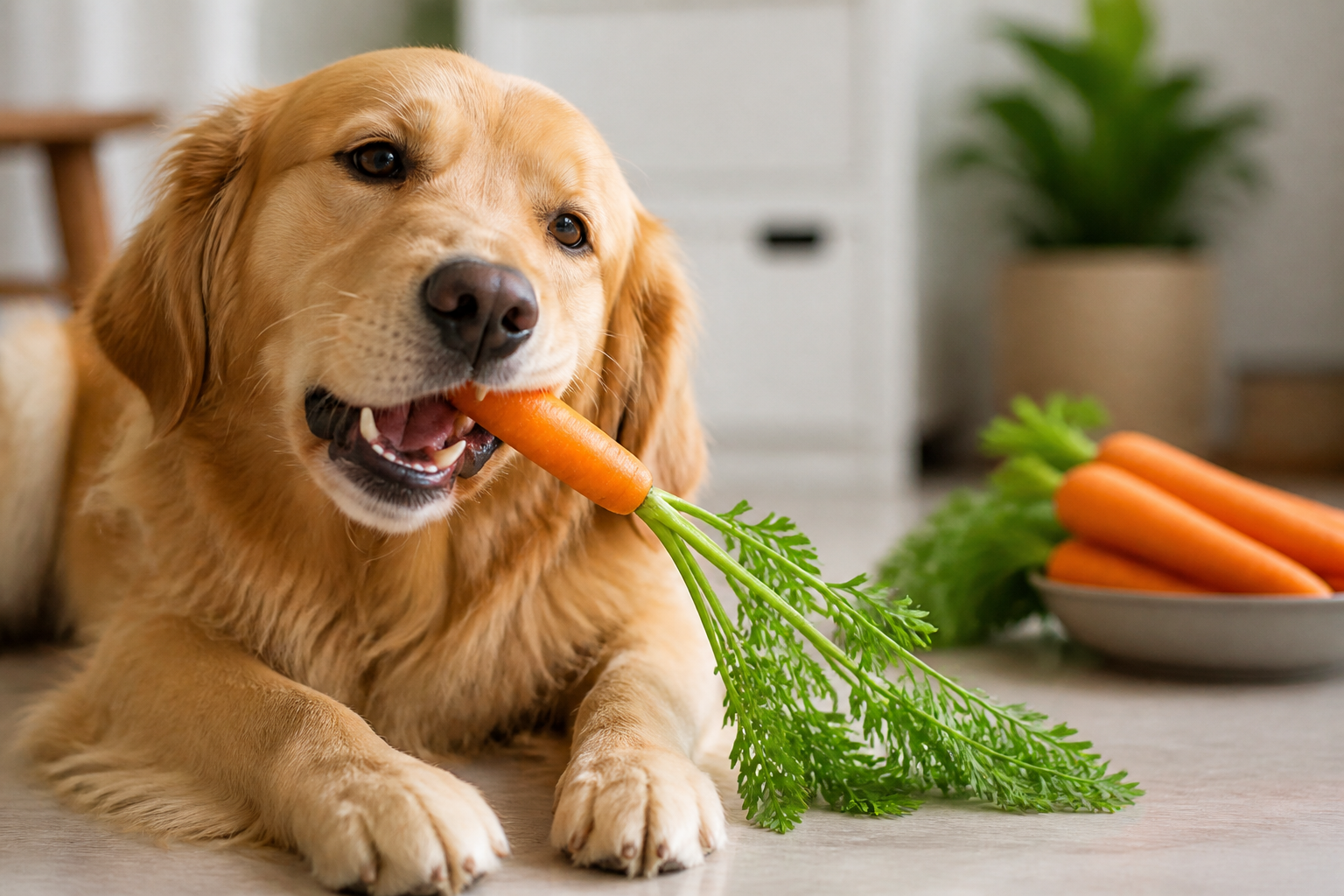
You are in the kitchen peeling vegetables for dinner when you feel a familiar pair of eyes on your feet. Your dog is waiting for the inevitable "crunch" of a dropped carrot. Many of us reach for these orange root vegetables as a healthy, low calorie snack. You might have even heard that the firm texture of a raw carrot acts as a natural toothbrush to scrub away plaque. At BaxterBoo, we get this question often from pet parents looking for natural ways to support oral hygiene.
While carrots are a nutritious addition to a canine diet, the truth about their dental benefits is a bit more nuanced than the old wives' tale suggests. They can provide some mechanical scraping, but they are not a substitute for a dedicated dental routine. This post will cover exactly how carrots interact with your dog's teeth, the nutritional perks they offer, and how to build a complete oral care strategy. We want to help you understand when a carrot is just a snack and when you need to step up your pet's dental game.
The Mechanics of the Crunch
When your dog bites into a raw, whole carrot, their teeth sink into a dense, fibrous structure. This action creates a small amount of friction against the surface of the tooth. In the world of pet health, we call this mechanical debridement. It is the same principle behind many dental chews and even some dry kibble formulations. As the dog chews, the carrot helps rub off some of the soft, sticky plaque that accumulates after a meal.
However, carrots have limitations. Plaque is a biofilm that starts soft but can harden into tartar, or calculus, in as little as 24 to 48 hours. Once plaque has mineralized into tartar, a carrot is simply not hard enough to scrape it away. Tartar bonds firmly to the tooth enamel and usually requires professional scaling by a veterinarian.
Furthermore, the shape of a carrot does not allow it to reach the most critical areas of the mouth. Most dental disease in dogs starts at or just below the gum line. A carrot primarily contacts the tips and flat surfaces of the teeth. It rarely gets deep into the crevices between teeth or under the gingival flap where bacteria thrive.
Quick Answer: Raw carrots can help rub away soft plaque through mechanical scraping, but they cannot remove hard tartar or reach beneath the gum line. They should be viewed as a healthy supplement to brushing rather than a primary dental tool.
Nutritional Benefits Beyond the Teeth
Even if carrots are not a magical dental cure, they are still one of the best treats you can give. We love them because they are packed with nutrients that support the whole body, including the structures that hold teeth in place.
Vitamin A and Beta-Carotene
Carrots are famous for being rich in beta-carotene. The canine body converts this into Vitamin A, which is essential for maintaining a healthy immune system. For oral health, Vitamin A helps maintain the mucous membranes in the mouth. Healthy gums are your dog's first line of defense against the bacteria that cause periodontal disease.
Fiber for Digestion
Carrots contain both soluble and insoluble fiber. Insoluble fiber helps move food through the digestive tract and adds bulk to the stool. Soluble fiber can act as a prebiotic, feeding the beneficial bacteria in your dog's gut. A healthy gut often leads to a better-functioning immune system, which helps the body fight off oral infections.
Low Calorie Content
Many commercial dental treats are high in calories or contains starches that can actually contribute to plaque buildup. A medium carrot typically contains only about 25 to 30 calories. This makes them an excellent choice for dogs who are watching their weight or for owners who want to reward their pets frequently without causing obesity.
Key Takeaway: Carrots provide Vitamin A for gum health and fiber for digestion while remaining a low calorie alternative to starchy commercial treats.
Potential Risks and Cautions
Before you fill your dog's bowl with carrots, there are a few safety considerations to keep in mind. We want every snack time to be safe and productive.
Choking Hazards
Dogs can be enthusiastic eaters. If a dog tries to swallow a large chunk of a hard, raw carrot without chewing it thoroughly, it can become a choking hazard. This is especially true for small breeds or "gulpers" who do not take the time to crunch their food. Always monitor your dog when they are eating raw vegetables.
Sugar Content
Carrots have a higher natural sugar content than many other vegetables like broccoli or green beans. While this sugar is natural, it can still impact dogs with specific health conditions. For a healthy dog, the sugar in a few carrot snacks is negligible. However, for a dog managing diabetes, even small amounts of sugar can cause blood glucose spikes.
Vitamin A Toxicity
It is very difficult for a dog to get Vitamin A toxicity from eating whole carrots alone. However, if you are already feeding a high quality commercial diet that is heavily fortified with synthetic Vitamin A, or if you are giving a daily multivitamin, you should be mindful of the total intake. Excessive Vitamin A can lead to joint pain and skin issues over time.
Vet Tip: If your dog has been diagnosed with diabetes or is on a strictly managed prescription diet, consult your veterinarian before adding carrots to their daily routine. Our pet pharmacy carries a variety of prescription foods specifically formulated for these conditions.
How to Serve Carrots for Maximum Benefit
How you prepare the carrot changes what your dog gets out of it. Different goals require different preparation methods.
For Dental Scraping
If you are specifically looking for that mechanical scraping effect, serve the carrot raw and whole (or in large sticks). The carrot needs to be firm enough to provide resistance. Some owners find that freezing large carrots makes them last longer and provides a soothing, cold sensation for puppies who are teething.
For Nutritional Absorption
Dogs have a difficult time breaking down the cellulose walls in raw vegetables. This is why you often see orange chunks in their stool the next day. To help your dog actually absorb the beta-carotene and other vitamins, try these methods:
- Steaming: Lightly steaming carrots softens the cell walls without destroying the nutrients.
- Pureeing: Running raw carrots through a food processor or blender makes the nutrients much more bioavailable.
- Grating: Finely grated carrots can be used as a topper for dry kibble or mixed into wet food.
A Step-by-Step Transition
If your dog is not used to eating fresh vegetables, start slowly to avoid digestive upset.
- Start Small: Give a single thin slice of raw carrot to see how they tolerate it.
- Observe Digestion: Watch for any signs of loose stool or gas over the next 24 hours.
- Increase Slowly: If they handle it well, you can gradually increase the size of the piece or the frequency of the treat.
- Introduce Variety: Once they are comfortable with carrots, you can try other crunchy, pet-safe options like celery or cucumber.
Building a Complete Dental Routine
While we enjoy the simplicity of giving a carrot, a truly clean mouth requires a multi-layered approach. At BaxterBoo, we believe in using every tool available to keep those pearly whites shining.
Brushing is the Gold Standard
Nothing replaces the manual action of a toothbrush. Using a pet-specific toothpaste and a soft brush at least three times a week is the most effective way to prevent periodontal disease. Unlike human toothpaste, pet versions are safe to swallow and come in flavors like poultry or beef to make the experience more pleasant for your dog. For more guidance, read these pet dental care tips.
VOHC-Approved Dental Chews
The Veterinary Oral Health Council (VOHC) awards a seal of approval to products that meet rigorous testing standards for plaque and tartar reduction. Brands like Greenies or specific dental diets from Royal Canin and Farmina are designed with textures that wrap around the tooth to clean all the way to the gum line. We carry a wide selection of dog dental treats to give you peace of mind.
Water Additives and Oral Sprays
For dogs who absolutely refuse to have their teeth brushed, water additives can be a helpful backup. These tasteless liquids contain enzymes that help break down the protein bonds in plaque. You simply add a capful to their water bowl each time you refill it. You can also explore dog dental health products for additional oral-care options.
Professional Cleanings and the Pharmacy
Even with the best at-home care, most dogs will eventually need a professional cleaning under anesthesia. This allows your vet to take X-rays, check for tooth decay, and clean under the gums. If your vet discovers an infection or advanced gum disease, they may prescribe antibiotics or specialized oral rinses.
Our pharmacy is a resource for these prescription needs. We offer FDA-approved medications and prescription dental diets. If your vet provides a script for your dog's oral health management, we can help you get those medications delivered right to your door.
Bottom line: A carrot is a great supplementary snack, but a healthy mouth requires brushing, approved chews, and regular veterinary checkups.
Beyond the Carrot: Other Crunchy Alternatives
If your dog isn't a fan of carrots or if you want to rotate their snacks, several other vegetables offer similar "crunch" benefits without the higher sugar content.
- Celery: This is almost entirely water and fiber. The long, stringy fibers can act a bit like dental floss between a dog's teeth.
- Broccoli Stalks: The florets are fine, but the thick, woody stalks provide a lot of resistance for chewing. Just be sure to peel the very tough outer skin if it seems too hard.
- Cucumber: These are very low in calories and have a refreshing crunch. They don't offer as much mechanical scraping as a carrot, but they are very hydrating.
- Apples: Raw apple slices are crunchy and contain Vitamin C. However, you must remove all seeds and the core, as apple seeds contain trace amounts of cyanide.
Comparing Common Dental Snacks
| Snack Type | Dental Benefit | Calorie Level | Prep Required |
|---|---|---|---|
| Raw Carrot | Moderate scraping | Low | Minimal |
| Apple Slices | Light scraping | Moderate | Remove seeds/core |
| Greenies | High (VOHC approved) | Moderate | None |
| Raw Bones | High scraping | High | Supervision required |
| Celery | Light scraping/flossing | Very Low | Wash thoroughly |
For more chew options and safety considerations, see this guide to dental chews for dogs.
Signs of Dental Trouble
It is important to know when a carrot is no longer enough. If your dog is already showing signs of dental distress, adding more crunchy food might actually cause them pain. Check your dog's mouth regularly for these warning signs:
- Persistent Bad Breath: While "dog breath" is a common phrase, a truly foul or rotting smell usually indicates an infection.
- Discolored Teeth: Look for yellow, brown, or grey buildup near the gums.
- Red or Bleeding Gums: Healthy gums should be a soft pink. Redness or bleeding when they chew a toy is a sign of gingivitis.
- Difficulty Eating: If your dog starts dropping their food, chewing on only one side of their mouth, or pawing at their face, they may have a painful or loose tooth.
- Excessive Drooling: Sudden changes in salivation can be linked to oral pain or lesions.
If you notice any of these symptoms, please schedule an appointment with your veterinarian. They can perform a thorough exam and determine if your dog needs a professional cleaning or medical intervention. For a closer look at these warning signs, read how to recognize bad teeth in dogs.
Summary of the Carrot Strategy
Using carrots as part of a dental routine is a smart, budget-friendly move, provided you have realistic expectations. They are a tool in the toolbox, not the whole workshop. By combining healthy snacks with regular brushing and professional care, you can help your dog live a longer, more comfortable life.
- Use raw, whole carrots for the best mechanical plaque removal.
- Supervise your dog to prevent choking, especially with frozen or large pieces.
- Treat carrots as a supplement to brushing, not a replacement.
- Utilize the BaxterBoo Pharmacy for any prescription needs your vet identifies during a dental checkup.
- Enroll in MVP Rewards to earn points on the dental chews and toys you already buy.
Key Takeaway: Carrots are an excellent, low calorie treat that supports overall health and provides minor dental benefits, but they cannot replace the gold standard of brushing and professional veterinary care.
FAQ
How many carrots can I give my dog each day?
For most medium-sized dogs, two or three baby carrots or one half of a large carrot is a safe daily limit. You should always follow the 10 percent rule, which states that treats should make up no more than 10 percent of your dog's total daily calorie intake. If your dog is smaller or prone to weight gain, stick to smaller portions.
Can frozen carrots help a teething puppy?
Yes, frozen carrots are a popular natural remedy for teething discomfort. The cold helps numb the sore gums, and the hard texture gives the puppy something safe to gnaw on as their adult teeth come in. Just make sure the carrot is large enough that they cannot swallow it whole as it thaws and becomes slippery. For more puppy teething guidance, explore when dogs lose their puppy teeth.
My dog poops out orange chunks; are carrots bad for them?
Seeing orange chunks in the stool usually just means the carrot was not fully digested. This is common with raw vegetables because dogs lack the specific enzymes to break down cellulose efficiently. It is not harmful, but it does mean your dog didn't absorb all the vitamins. To help with digestion, try lightly steaming or pureeing the carrots.
Do baby carrots clean teeth as well as whole carrots?
Baby carrots provide less of a dental benefit because they are smaller and require less chewing. A large, whole carrot forces the dog to use their back molars more extensively to break it down. This increased chewing time leads to more mechanical scraping of the teeth. However, baby carrots are still a healthy, low calorie snack.






