
 Save 15% on your 1st Autoship learn more

 Email us
 Live Chat
 FAQs
FAQs





Introduction
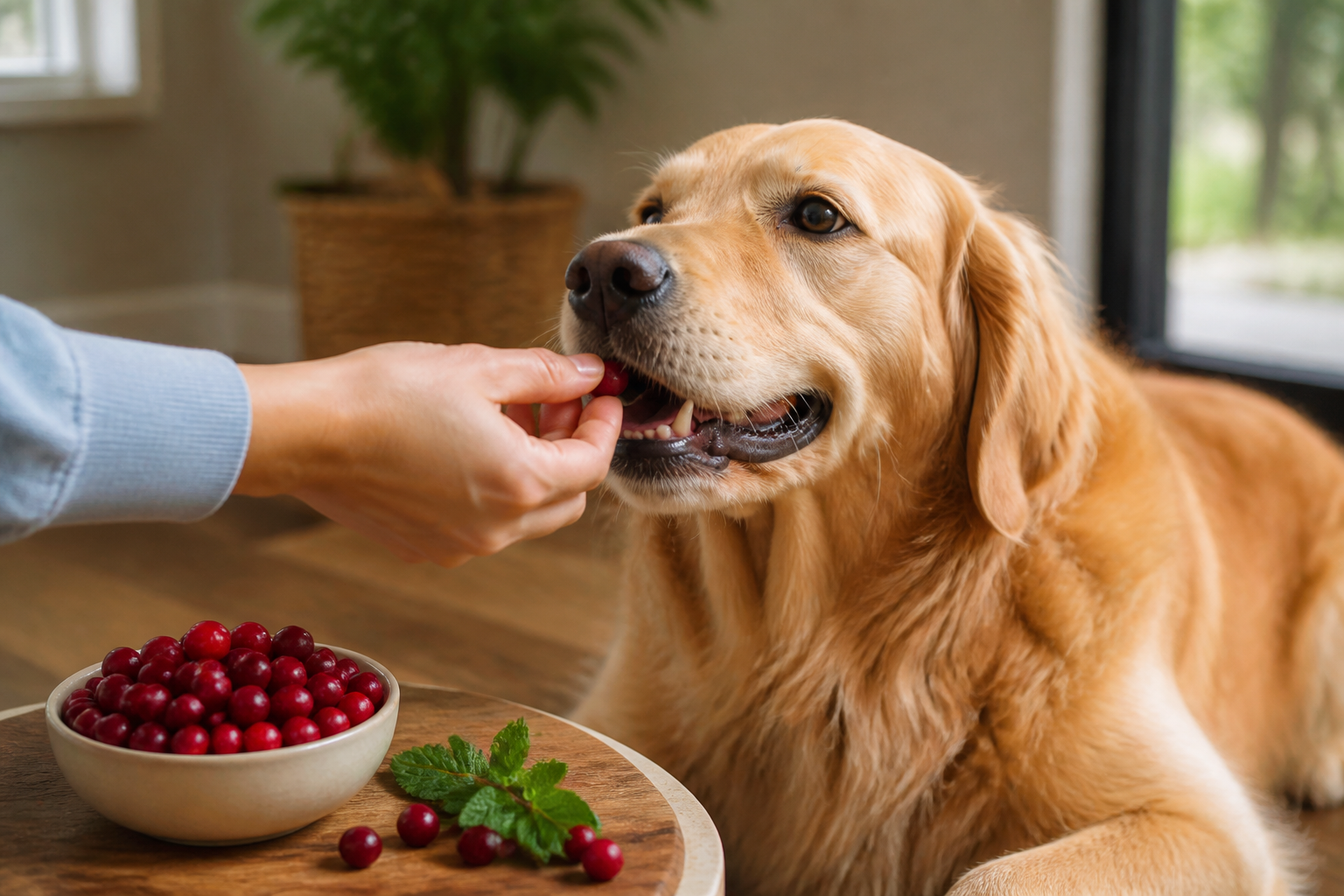
You are relaxing on the couch with your dog when they lean in for a close-up nuzzle. Suddenly, a wave of less-than-fresh breath hits you. You might notice a bit of yellowing along their gum line and start wondering if there is a natural way to help. Cranberries are often called a superfood for humans, and you may have heard they can do wonders for a dog's mouth. At BaxterBoo, we know that maintaining a healthy smile for your pup involves more than just the occasional chew toy. While these tart red berries are famous for supporting urinary health, their impact on dental hygiene is equally fascinating. This article explores the science behind how cranberries interact with oral bacteria and whether they can truly keep your dog's teeth clean. We will look at the best ways to serve them and when it is time to seek professional care.
Quick Answer: Cranberries do not "clean" teeth through abrasive scrubbing like a toothbrush. Instead, they contain unique compounds that prevent plaque-causing bacteria from sticking to the teeth and gums. This helps inhibit the formation of tartar and supports overall oral hygiene when used as a supplement to regular brushing.
The Science of Cranberries and Oral Bacteria
To understand if cranberries clean teeth, we have to look at how plaque starts. Plaque is a sticky film of bacteria that constantly forms on a dog's teeth. If it is not removed, it hardens into tartar. Most dental chews work by physically scraping this film away. Cranberries take a completely different approach. They contain a specific type of non-dialysable material, often called NDM. This substance acts like a Teflon coating for the teeth.
Research from the University of Rochester School of Medicine and Dentistry shows that these compounds inhibit the enzymes that bacteria use to create plaque. Specifically, they target a group of bacteria called Streptococci. These bacteria are the primary architects of dental decay and gum disease. Instead of killing the bacteria, the cranberry compounds simply make it impossible for them to grab hold of the tooth surface.
This biological "anti-stick" property is what makes cranberries a potent tool for oral health. When bacteria cannot colonize the teeth, they cannot produce the acids that lead to decay. They also cannot form the complex structures that eventually turn into hard tartar. This is why you will often see cranberry extract listed as a key ingredient in high-quality dental supplements and water additives.
Why Bioactive Compounds Matter
Cranberries are packed with more than just fiber. They are rich in proanthocyanidins, or PACs. These are the same polyphenols that help prevent urinary tract infections by stopping bacteria from adhering to the bladder wall. In the mouth, they perform a similar task.
- Flavonoids: These plant pigments provide anti-inflammatory benefits for the gums.
- Phenolic Acids: These help reduce the overall bacterial load in the mouth.
- Anthocyanins: These give the berries their red color and provide powerful antioxidant support.
Key Takeaway: Cranberries work on a molecular level rather than a mechanical one. They provide a chemical barrier that stops plaque-forming bacteria from sticking to your dog's enamel.
Can Cranberries Replace Brushing?
It is tempting to think that adding a few berries to a bowl can replace the chore of brushing. However, it is important to be realistic. Cranberries are a preventative measure, not a curative one. If your dog already has thick layers of brown tartar, no amount of fruit will dissolve that buildup. Hardened tartar requires a professional cleaning by a veterinarian.
Think of cranberries as a shield. They protect the clean surface of the tooth after a professional cleaning or a thorough brushing. They make your job easier because the plaque that does form is much looser and easier to swipe away. We recommend using cranberries as part of a multi-tiered approach to dental care. This includes daily brushing, dental chews for mechanical scraping, and nutritional support to manage the oral environment. Explore our dog dental care category for products that can complement your dog's routine.
Vet Tip: If you notice your dog has bleeding gums, loose teeth, or a sudden loss of appetite, skip the home remedies and call your veterinarian. These are signs of advanced periodontal disease that require medical intervention. Our pharmacy carries FDA-approved medications and prescription dental diets to help manage these conditions through our partnership with Pet's Choice.
Safe Ways to Feed Cranberries for Dental Health
Not all cranberry products are created equal. In fact, some can be quite dangerous for your dog. For the best dental results, you want the bioactive compounds without the added sugars that actually feed oral bacteria.
Fresh Cranberries
Fresh berries are the gold standard. They are low in sugar and high in moisture. Many dogs find them a bit too tart to eat plain, so you might need to get creative. You can chop them up and mix them into their regular food or blend them with a little plain, unsweetened yogurt.
Dried Cranberries
Dried cranberries can be a convenient snack, but you must read the labels carefully. Most commercial dried cranberries, including common brand-name snacks for humans, are heavily sweetened with sugar or fruit juice concentrates. This extra sugar is bad for your dog's teeth and their waistline. Even more dangerous is the potential for artificial sweeteners like xylitol, which is highly toxic to dogs.
Cranberry Supplements
If your dog turns their nose up at the fresh fruit, a supplement is often the most effective route. These products usually contain concentrated cranberry extract. This ensures your dog gets a consistent dose of the beneficial PACs and NDM without the tart taste. You can find these in the form of dental wipes, water additives, or chewable tablets in our dog dental and breath care collection.
Bottom line: Stick to fresh, plain cranberries or high-quality supplements to avoid the dental damage caused by added sugars.
Comparing Cranberry Options for Dogs
| Product Type | Dental Benefit | Risks | Serving Suggestion |
|---|---|---|---|
| Fresh Cranberries | High (Bioactive compounds) | Choking hazard for small dogs | Chopped or blended into food |
| Dried Cranberries | Moderate | Added sugars and xylitol | Only if unsweetened and plain |
| Cranberry Sauce | None | High sugar, contains grapes/raisins | Do not feed |
| Cranberry Juice | Low | High acidity and sugar | Avoid unless 100% pure and diluted |
| Dental Supplements | High (Concentrated) | Minimal | Follow label or vet dosing |
Step-by-Step: Introducing Cranberries to Your Dog
If you want to try using fresh cranberries to support your dog's oral health, follow these steps to ensure a safe transition.
Step 1: Choose organic fruit. / Wash the berries thoroughly to remove any pesticides or wax coatings that might be on the skin.
Step 2: Assess the size. / For small breeds like Chihuahuas or Yorkies, whole cranberries are a choking hazard. Slice them into halves or quarters.
Step 3: Test for sensitivity. / Give your dog one or two small pieces and wait 24 hours. Some dogs with sensitive stomachs may react to the high acidity of the fruit.
Step 4: Monitor for heartburn. / Because cranberries are acidic, some dogs may experience acid reflux. If your dog starts gulping or licking their lips excessively after eating them, they might be too acidic for their system.
Step 5: Consistency is key. / The bacterial-blocking effects of cranberries only last as long as the compounds are present in the mouth. Small, regular amounts are better than one large serving once a week.
Potential Risks and Considerations
While cranberries are generally safe, they are not a "one size fits all" solution. There are a few health conditions where cranberries might cause more harm than good.
Cranberries are high in oxalates. In most dogs, this is not an issue. However, if your dog has a history of calcium oxalate bladder stones, you should avoid feeding them cranberries. The oxalates in the fruit can contribute to the formation of these painful stones.
The acidity of the berries can also be a concern for dogs with existing kidney issues. While some research suggests they can be beneficial in certain cases, it is vital to consult your veterinarian before adding them to the diet of a dog with chronic illness.
At BaxterBoo, we emphasize that every dog is an individual. What works for a neighbor's dog might not be right for yours. We have been operating since 2006, and in that time, we have seen how important it is to tailor health choices to a pet's specific needs.
Note: Frozen cranberries are a popular treat in the summer, but they can be very hard. If your dog is a "gulp and crunch" eater, frozen berries could potentially chip a tooth. It is safer to thaw them slightly or use them in a blended frozen treat.
Beyond Cranberries: Other Natural Dental Aids
Cranberries are just one part of a dog-friendly dental pantry. Several other herbs and foods can complement the anti-adhesive properties of cranberries.
- Parsley: This is more than a garnish. It has antimicrobial properties that help kill the bacteria that cause stinky breath. It can be chopped and added to meals.
- Dill: Hippocrates used dill for mouth cleaning, and it still works today. It is potent against infections and helps freshen the breath.
- Fennel: Rich in Vitamin C and antioxidants, fennel helps fight gingivitis and provides a natural anti-inflammatory effect for the gums.
- Raw Meaty Bones: For owners who prefer a more traditional approach, raw (never cooked) bones provide the mechanical scraping needed to remove plaque. They also contain natural enzymes that support oral health.
Using these in rotation with cranberries creates a comprehensive environment for a healthy mouth. You can find many of these ingredients in the premium food brands we carry, such as The Honest Kitchen and Stella and Chewy's.
Managing Advanced Dental Needs
Sometimes, natural preventatives are not enough. If your dog has persistent bad breath or visible plaque, they may need a more structured intervention. This is where a partnership between your home care and professional veterinary guidance becomes essential.
For dogs with recurring oral infections or severe inflammation, a veterinarian might prescribe specialized medications. Through our partnership with Pet's Choice, the BaxterBoo pharmacy provides access to FDA-approved treatments that can be delivered right to your door. We carry a wide selection of prescription diets, such as Royal Canin or Farmina Vet Life, which are specifically formulated with larger kibble sizes and unique textures to scrub teeth as the dog eats.
Our hybrid model allows you to shop these professional-grade products online or visit our warehouse in Vernon Hills, Illinois, to talk with our team about which gear might help. Whether it is a specific toothbrush or a specialized dental toy from Kong, we curate our selection to ensure only the most effective products make it to our shelves.
Bottom line: Natural aids like cranberries are excellent for daily maintenance, but prescription diets and medications are often necessary for managing existing dental disease.
Conclusion
Cranberries are a powerful, natural way to support your dog's dental health by preventing bacteria from sticking to their teeth. While they do not "clean" in the sense of removing existing tartar, they are a vital preventative tool that can make daily brushing more effective. Remember to always serve them plain, chopped, and in moderation. Avoid any sugary sauces or juices that could lead to stomach upset or dental decay. If your dog has a history of bladder stones or severe dental disease, always consult your veterinarian first.
Key takeaways for your dog's dental routine:
- Use fresh or unsweetened dried cranberries to block plaque-forming bacteria.
- Chop berries to avoid choking hazards, especially for small breeds.
- Combine cranberries with other dental-friendly foods like parsley and fennel.
- Never use cranberries as a replacement for professional veterinary dental exams.
For all your dental care needs, from specialized toothbrushes to prescription diets, explore our dental care category. You can even set up our Autoship programme for your favorite dental treats to save on every order and ensure you never run out of supplies.
FAQ
Can I give my dog cranberry juice to help their teeth?
You should generally avoid giving your dog cranberry juice. Most commercial juices are loaded with sugar or high fructose corn syrup, which can cause weight gain and actually promote dental decay. If you find a 100% pure, unsweetened cranberry juice, you can dilute a very small amount in their water, but fresh berries or supplements are usually a safer and more effective choice.
How many cranberries should I give my dog daily?
The amount depends on your dog's size. A tiny dog might only need one or two chopped berries, while a large breed could have five to ten. Treats and supplements should never make up more than 10% of your dog's daily caloric intake. Start with a very small amount to ensure it does not cause an upset stomach or diarrhea.
Do cranberries help with dog breath?
Cranberries can help improve breath over time by reducing the overall amount of bacteria in the mouth. However, they do not provide an instant "minty" effect. If you want immediate breath freshening, look for dental products containing parsley or fennel, which are more effective at neutralizing odors while the cranberries work on the underlying plaque issues. For additional guidance, read our tips for improving your pet's dental care routine.
Can cranberries dissolve tartar that is already on my dog's teeth?
No, cranberries cannot dissolve or remove hardened tartar. Once plaque has mineralized into tartar, it is bonded to the tooth and requires professional scaling by a veterinarian. Cranberries are a preventative tool designed to stop new plaque from sticking and hardening, making them ideal for use after a professional cleaning. If you are concerned about hidden dental problems, review the warning signs of bad teeth in dogs.






