
 Save 15% on your 1st Autoship learn more

 Email us
 Live Chat
 FAQs
FAQs





Introduction
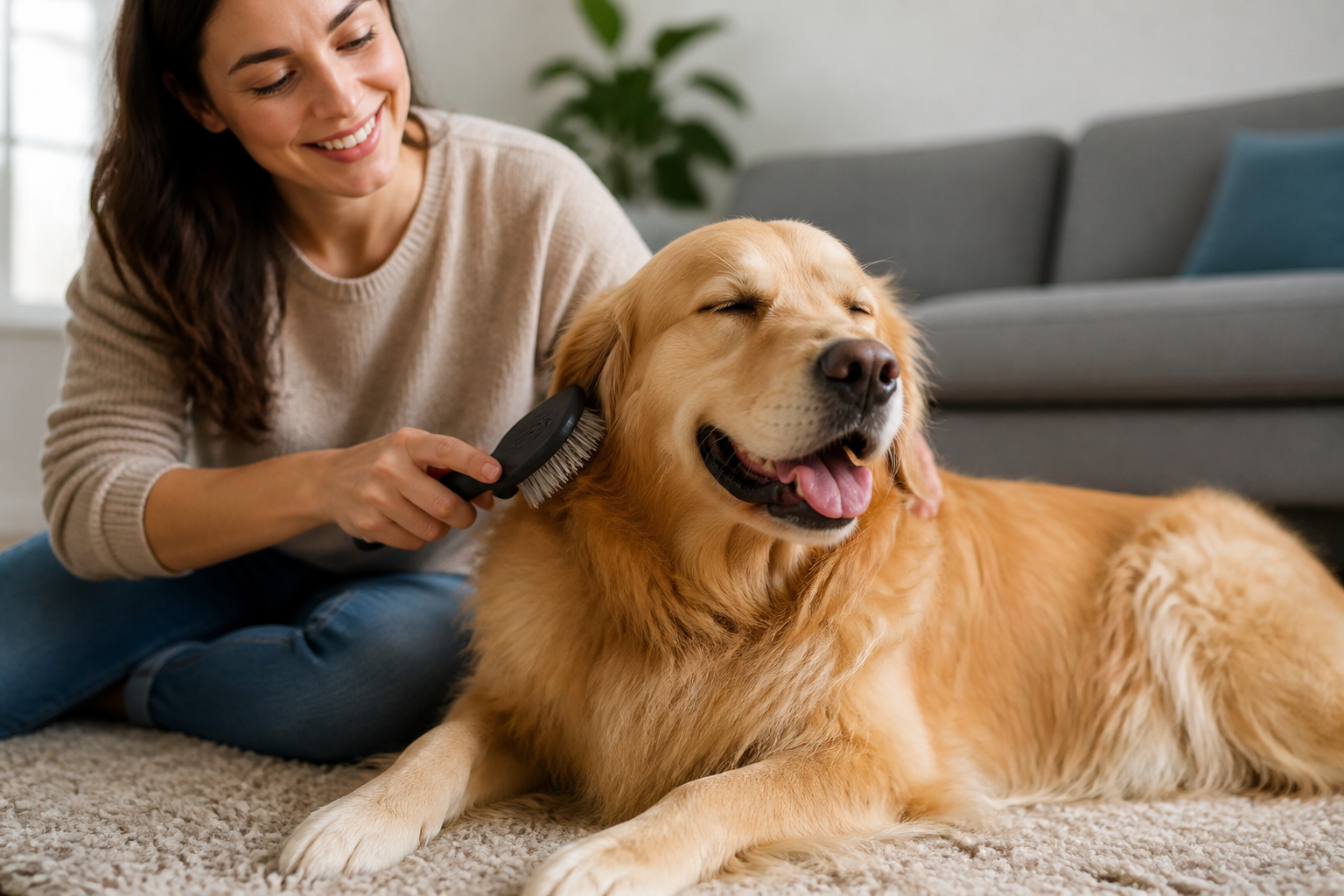
You might notice your dog let out a deep sigh of relief or lean into your hand when you pull a brush through their coat. Perhaps you have seen them zoom around the living room with renewed energy after a thorough grooming session. At BaxterBoo, we hear from pet owners every day who wonder if these sessions are actually making their pets feel better physically or if it is just about looking tidy. Brushing is one of the most impactful things you can do for your dog's comfort. It goes far beyond aesthetics by relieving itchy skin, removing heavy trapped fur, and providing a soothing massage. This post covers the physical and emotional reasons why dogs feel better after a brush, from temperature regulation to the psychological benefits of one on one time. Brushing is a fundamental health practice that directly improves your dog’s daily quality of life.
The Physical Relief of Removing Dead Hair
Imagine wearing a heavy, wool sweater in the middle of a humid summer. Now imagine that sweater is also filled with loose, itchy fibers that you cannot take off. This is what a dog feels like when their dead undercoat is not properly brushed out. Most dogs go through seasonal shedding cycles, particularly in the spring and autumn. During these times, the old hair dies and detaches from the skin but often remains trapped within the coat.
When this dead hair stays put, it creates a layer of insulation that can cause your dog to overheat. It also prevents air from reaching the skin. This lack of airflow can lead to a damp, warm environment where bacteria or yeast might thrive. By brushing your dog, you are essentially "venting" their coat. You are removing that heavy, trapped layer and allowing their skin to breathe again. Most dogs feel an immediate sense of lightness and cooling relief once that excess bulk is gone.
Loose hair is also a primary source of itching. As the dead hairs sit against the skin, they can prick and irritate the surface. Your dog might scratch or bite at themselves to find relief, which can lead to "hot spots" or broken skin. Regular brushing clears away these irritants before they cause a problem.
Quick Answer: Yes, dogs feel significantly better after brushing because it removes itchy dead hair, prevents painful mats, and regulates their body temperature. It also provides a massage that stimulates blood flow and releases natural oils for skin comfort.
For more guidance on seasonal shedding and undercoat care, read our guide to managing dog shedding.
Preventing the Pain of Matting and Tangles
For dogs with medium to long fur, matting is a serious comfort issue. Mats are not just messy tangles. They are tight clumps of fur that can eventually pull directly against the skin. If a mat is left alone, it continues to gather more loose hair and dirt, becoming tighter and tighter over time. This tension is constant. Every time your dog moves, sits, or runs, those mats pull on their sensitive skin.
In severe cases, mats can become so tight that they restrict blood flow or hide skin infections and parasites. Brushing prevents these tangles from forming in the first place. When you brush your dog regularly, you are catching small knots before they turn into painful mats. This keeps the skin flexible and free from the constant "pinching" sensation that matted fur causes.
If you find that your dog's coat is already heavily matted, please do not try to cut them out with scissors at home. A dog's skin is very thin and can easily be nicked. Instead, use a detangling spray or consult a professional. Our dog brushes and combs include tools designed for different coat types and grooming needs.
Key Takeaway: Consistent brushing prevents mats from pulling on the skin, which eliminates a common source of chronic discomfort and restricted movement for long-haired dogs.
For additional advice about avoiding painful tangles, see these tips for brushing and bathing your dog.
The Massage Effect and Skin Health
Brushing is essentially a full body massage for your dog. When the bristles or pins of a brush move across the skin, they stimulate blood circulation. Improved blood flow brings more oxygen and nutrients to the skin cells and hair follicles. This keeps the skin healthy and promotes a vibrant, shiny coat.
Beyond circulation, brushing helps distribute sebum. Sebum is the natural oil produced by your dog's skin. If a dog is not brushed, these oils can pool at the base of the hair, making the skin feel greasy or irritated. Brushing pulls those oils down the length of the hair shaft. This acts as a natural conditioner, hydrating the fur and creating a protective barrier on the skin.
This "massage" also has a calming effect on the nervous system. Many dogs find the rhythmic motion of brushing to be very relaxing. It can lower their heart rate and help them wind down after a busy day. If your dog enjoys the sensation, it becomes a positive sensory experience that leaves them feeling physically refreshed.
- Stimulates natural oil production for a softer coat
- Increases blood flow to the skin and follicles
- Helps identify skin irregularities early
- Provides a soothing, rhythmic sensation
For a gentle option suited to massage-style grooming, explore our selection of BASS Brushes.
Temperature Regulation in All Seasons
Many owners think brushing is only important in the summer to keep a dog cool, but it is just as vital in the winter. A clean, well brushed coat is a dog's best defense against the elements. When fur is clean and free of mats, it can "loft" properly. This means the hair stands up slightly, trapping a layer of warm air near the body. This is how dogs stay warm in the cold.
If a coat is dirty, oily, or matted, it loses its insulating properties. It becomes flat and heavy, and it cannot trap heat effectively. By brushing your dog in the winter, you are ensuring their natural "winter coat" can do its job.
In the summer, the benefits are even more obvious. Removing the thick undercoat allows for better air circulation. This helps the dog regulate their internal temperature more efficiently. A dog that is regularly groomed is less likely to suffer from heat exhaustion or general seasonal lethargy.
Vet Tip: If you notice your dog is suddenly sensitive to being brushed or has developed red, flaky skin, consult your veterinarian. These can be signs of underlying allergies or skin conditions that may require medicated shampoos or prescription treatments from our pharmacy.
Psychological Benefits and the Human Bond
The emotional well-being of a dog is closely tied to their relationship with their owner. Brushing is a dedicated "we time" activity. In a household full of distractions, those ten or fifteen minutes of focused attention mean the world to your dog. It reinforces the bond of trust between you.
For many dogs, being handled in this way makes them more confident. It teaches them that being touched on their paws, ears, and belly is a safe and positive experience. This is incredibly helpful for future vet visits or professional grooming appointments. A dog that is used to being brushed at home is far less likely to feel stressed when a stranger has to handle them.
If you start brushing your dog when they are a puppy, it becomes a normal part of their life. Even older dogs can learn to love it if you use plenty of praise and treats. We recommend checking out the MVP Rewards program to earn points on the treats you use during these training sessions.
Brushing as a Health Screening Tool
One reason dogs feel better after brushing is that it allows you to find problems before they become painful. When you run your hands and a brush over every inch of your dog's body, you are performing a mini physical exam. You are likely to notice things that are hidden under the fur during normal playtime.
During a brushing session, you might find:
- Ticks or fleas that have recently attached
- Small lumps or bumps that need a vet's attention
- Dried mud or burrs stuck between the paw pads
- Scabs, scratches, or hot spots
- Sensitivity in a specific joint that might indicate arthritis
Finding a tick early can prevent serious diseases. Noticing a new lump allows for early diagnosis by a professional. If you find signs of pests or skin irritation, explore our flea and tick collection for available products and prevention options. Staying on top of these small issues keeps your dog feeling their best.
For more information about identifying and handling ticks, read our guide to black ticks on dogs.
How to Make Brushing More Enjoyable
If your dog currently dislikes the brush, they probably won't feel better immediately. They might feel anxious or try to hide. To help them reach that "feel-good" state, you need to make the process pleasant.
Step 1: Choose the right tool. / A short-haired dog needs a rubber curry brush or a soft bristle brush. A double-coated dog like a Husky needs an undercoat rake. Using the wrong tool can scratch the skin or pull too hard on the hair.
Step 2: Start small. / If your dog is nervous, only brush for one minute at a time. Reward them with a high-value treat during and after the session.
Step 3: Use a detangling spray. / If your dog has long hair, a conditioning spray can help the brush glide through the fur without tugging. This makes the experience much more comfortable.
Step 4: Stay calm. / Dogs pick up on your energy. If you are rushed or frustrated, they will be too. Make it a relaxing ritual for both of you.
Bottom line: The key to a dog feeling better after brushing is using the correct tools and keeping the sessions positive and pain-free.
Common Mistakes to Avoid
While brushing is beneficial, doing it incorrectly can actually make your dog feel worse. The most common mistake is "brush burn." This happens when you brush the same spot too many times or use too much pressure, irritating the skin. Always check the skin frequently to make sure it isn't turning red.
Another mistake is brushing a wet dog. For most coat types, hair is weaker when it is wet. Brushing a wet coat can lead to breakage and can actually tighten any existing mats. It is almost always better to brush your dog thoroughly before they get in the bath. This removes the loose hair and tangles while the coat is dry and resilient.
Finally, do not forget the "hidden" areas. People often brush the back and sides but forget the armpits, the back of the legs, and behind the ears. These are the areas where friction is highest and mats are most likely to form. Making sure you get to these spots will ensure your dog feels truly comfortable all over.
Seasonal Maintenance and Autoship
Keeping your dog feeling great requires consistency. A once-a-month deep brush is good, but a five-minute brush every few days is much better for their comfort. To make this easier, many pet owners use our Autoship program. You can set up recurring deliveries for grooming sprays, wipes, and the treats you use to reward your dog during their "spa time." This saves you money on your first order and ensures you never run out of the supplies that keep your dog's coat in peak condition.
Regular maintenance also reduces the amount of fur in your home. While the dog feels better because they are cooler and less itchy, you will feel better because your furniture and floors stay cleaner. It is a win for everyone in the household.
FAQ
How often should I brush my dog to make them feel the best?
Most dogs benefit from being brushed at least two to three times a week. If you have a long-haired breed or a dog with a thick double coat, daily brushing might be necessary during shedding season. Short-haired breeds can often go a week between sessions, but they still enjoy the massage and skin stimulation that regular brushing provides.
Why does my dog get the "zoomies" after I brush them?
The post-grooming "zoomies" are usually a sign of physical relief and excitement. Your dog is likely reacting to the feeling of being lighter and cooler after removing heavy dead fur. It can also be a way for them to release any built-up nervous energy if they were trying very hard to stay still during the session.
Can brushing help my dog's dry, itchy skin?
Yes, brushing is very helpful for dry skin because it stimulates blood flow and spreads natural oils throughout the coat. However, if the itchiness is severe, it could be caused by allergies or parasites. In those cases, brushing is a great way to monitor the skin, but you should also talk to your vet about potential treatments or prescription diets from our pharmacy.
Is it normal for my dog to be tired after a long brushing session?
It is quite common for dogs to feel sleepy after being brushed. The process is very similar to a massage, which can be physically and mentally relaxing. If the session was positive and calm, your dog's parasympathetic nervous system may have kicked in, making them ready for a long, comfortable nap.
Conclusion
Brushing is one of the simplest yet most effective ways to show your dog you care about their comfort. By removing itchy dead hair, preventing painful mats, and providing a soothing massage, you are directly improving their physical and emotional state. They feel lighter, cooler, and more connected to you. At BaxterBoo, we have seen how a regular grooming routine can transform a scruffy, uncomfortable dog into a happy, vibrant companion.
- Removes trapped heat and itchy loose fur.
- Distributes natural oils for better skin hydration.
- Strengthens the bond between you and your pet.
- Allows for early detection of health issues like lumps or ticks.
Key Takeaway: A regular brushing routine is a vital part of proactive pet care that provides immediate physical relief and long-term health monitoring for your dog.
To get started with a better grooming routine, explore our dog grooming supplies or visit our flea and tick collection if you need to address any skin or parasite concerns found during your sessions.






