
 Save 15% on your 1st Autoship learn more

 Email us
 Live Chat
 FAQs
FAQs





Introduction
You grab the grooming kit from the shelf and suddenly your dog is nowhere to be found. Or perhaps the moment the bristles touch their fur, they roll over and let out a happy sigh. Every dog has a unique relationship with the brush. At BaxterBoo, we know that grooming is more than just a way to keep your house clean. It is a fundamental part of your dog's physical health and emotional well-being. This article covers why some dogs love the brush while others run from it. We will also provide practical steps to help your pet enjoy the process. Understanding the signals your dog sends can turn a stressful chore into a bonding ritual that you both look forward to every week.
The Canine Perspective on Grooming
Dogs experience the world primarily through scent and touch. When a brush moves across their skin, it provides a sensory experience that can be either soothing or overstimulating. For many dogs, a gentle brushing session feels like a long, rhythmic massage. It mimics the social grooming behaviors they might exhibit with other dogs in a pack. This type of touch releases oxytocin, which is the hormone responsible for bonding and relaxation.
However, not every dog sees it this way. If a dog has sensitive skin or a coat prone to matting, the brush can represent discomfort. A single experience where a brush snagged on a tangle can leave a lasting impression. Dogs have excellent memories for physical pain. If they associate the sight of a grooming tool with a sharp tug on their skin, they will naturally try to avoid it.
The environment also matters. If brushing always happens when you are rushed or stressed, your dog will pick up on that energy. They might feel cornered or pressured rather than relaxed. To a dog, the brush is an extension of your hand. If your hand is moving quickly and forcefully, the experience becomes a task to be endured rather than a moment of affection.
Quick Answer: Most dogs can learn to enjoy being brushed if the process is introduced slowly and involves plenty of positive reinforcement. While some dogs naturally enjoy the massage-like sensation, others may require training to overcome fears or sensitivities related to grooming tools.
Signs Your Dog Enjoys Being Brushed
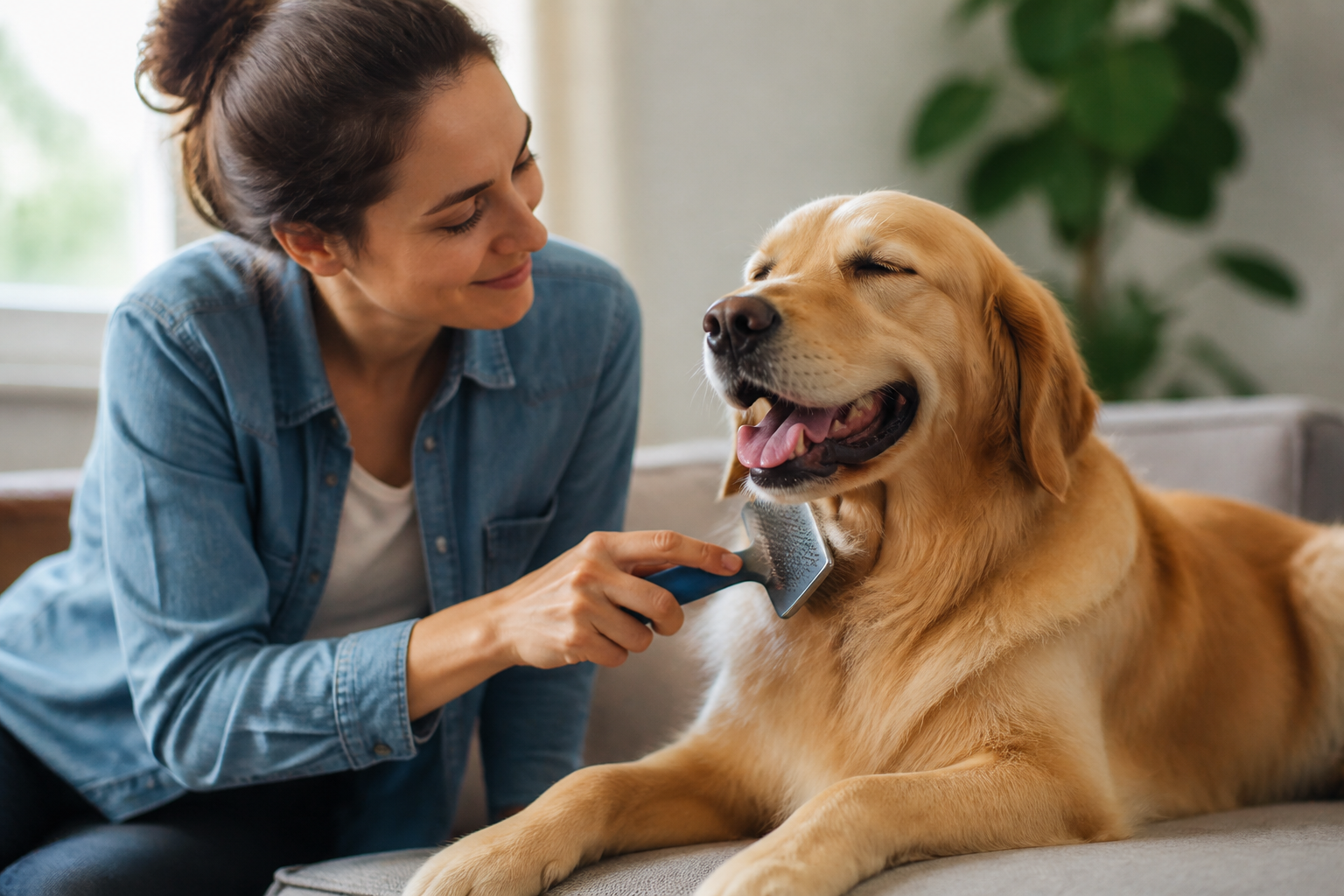
Reading your dog's body language is the best way to determine if they are truly enjoying the session. Dogs are remarkably clear communicators if you know what to look for. A dog that likes being brushed will often lean their weight into the brush. They might shift their body to help you reach a specific itchy spot, like the base of the tail or the chest.
Look at their eyes and ears. Soft, squinty eyes and relaxed, neutral ears are signs of contentment. Some dogs may even let out a long breath or a soft groan of relief. Their mouth should be relaxed, perhaps slightly open, without any tension in the jaw. A slow, rhythmic tail wag can also indicate that they are in a happy state of mind.
If your dog stays still without being commanded to do so, it is a strong indicator of trust. They are choosing to stay in your space because the interaction feels good. This voluntary participation is the goal for every pet owner. It shows that the bond between you is strong and that the grooming tool is viewed as a source of pleasure.
Common Reasons for Grooming Aversion
If your dog hides under the dining table when the brush comes out, there is usually a logical reason. Fear and discomfort are the two primary drivers of grooming aversion. Understanding these root causes is the first step toward fixing the problem.
Physical Discomfort and Pain
The most common reason a dog dislikes brushing is pain. This is especially true for long-haired breeds or those with thick double coats. Mats and tangles pull on the skin even when the dog is standing still. When a brush hits one of these knots, it causes a sharp pinch. Over time, the dog learns that the brush equals pain. Additionally, using the wrong type of brush for a dog's coat can cause "brush burn," which is a painful irritation of the skin surface.
Sensitivity to Touch
Some dogs are naturally more sensitive to touch than others. Areas like the paws, the tail, and the ears are highly sensitive for most canines. If you start a grooming session by diving straight into these "off-limits" zones, your dog may become defensive. They might pull their paws away or turn their head to watch your hand closely. This is a sign that they feel vulnerable.
Negative Past Experiences
If you adopted a dog from a shelter, they might have a history you know nothing about. A previous owner might have been too rough, or the dog may have had a traumatic experience at a professional groomer. Even a single incident involving a loud blow dryer or a painful nail trim can make a dog wary of all grooming activities.
Lack of Early Socialization
Puppies go through a critical socialization period between 3 and 16 weeks of age. If they are not introduced to the sights, sounds, and sensations of grooming during this time, they may view the brush as a scary, foreign object later in life. Everything is brand new to a puppy. Without positive exposure, the unknown can easily become a source of anxiety.
Key Takeaway: Recognition of your dog's specific triggers is essential. Whether the issue is physical pain from mats or emotional anxiety from past experiences, you must address the root cause before you can improve their reaction to the brush.
Choosing the Right Tools for Success
Using the wrong tool is a frequent mistake that leads to grooming struggles. At BaxterBoo, we carry a wide variety of brushes and combs because we know one size does not fit all. The goal is to find a tool that effectively manages the coat without irritating the skin. Explore our dog brushes and combs to compare options for different coat types.
Slicker Brushes
These are excellent for removing loose hair and breaking up small tangles. They have fine, short wires close together on a flat or curved head. They work well for poodles, golden retrievers, and many other breeds. However, you must use a light touch to avoid scraping the skin.
Bristle Brushes
If you have a short-haired dog like a Boxer or a Pug, a bristle brush is often the best choice. These brushes use natural or synthetic bristles to remove surface dust and distribute natural skin oils. They are very gentle and feel most like a hand pet.
Undercoat Rakes
For double-coated breeds like Huskies or Shepherds, an undercoat rake is a necessity. These tools have long, metal tines that reach through the topcoat to pull out the dead fluff underneath. Because the tines are often rounded, they are less likely to scratch the skin than a wire brush.
Rubber Curry Brushes
These are fantastic for dogs who are very fearful of grooming. The soft rubber nubs massage the skin and pull away loose hair without any sharp edges. Many dogs who hate wire brushes will tolerate or even enjoy a rubber curry brush.
Metal Greyhound Combs
A metal comb is a vital secondary tool. After you have used a brush, a comb helps you check for any hidden mats near the skin. It is a precision tool that should be used gently. If the comb stops, you know there is a knot that needs careful attention.
Vet Tip: If your dog has extremely sensitive skin or a history of skin allergies, consult your veterinarian about the best grooming tools. They may recommend specific soft-bristle options or topical conditioners to reduce irritation during the process.
Step-by-Step Training for a Happy Dog
You cannot expect a fearful dog to love brushing overnight. It requires a patient, incremental approach. Think of it as a series of small wins that build up to a comfortable routine.
Step 1: Introduction without touch. / Bring out the brush and place it on the floor. Let your dog sniff it at their own pace. Every time they investigate the brush, give them a high-value treat. You want them to think the brush is a "treat magnet."
Step 2: The "Touch and Treat" method. / Pick up the brush but do not actually brush the dog. Simply touch the handle or the back of the brush to their shoulder for one second. Immediately follow this with a treat. Repeat this until the dog looks at you expectantly for a snack whenever they feel the brush touch them.
Step 3: One single stroke. / Move the brush in one short, gentle stroke down their side. Avoid sensitive areas for now. Follow with praise and a treat. If the dog stays relaxed, you can do two strokes. If they move away, you have gone too fast. Go back to Step 2.
Step 4: Increasing the duration. / Gradually increase the number of strokes. Start incorporating different parts of the body, moving from the shoulders to the back and then the sides. Save the tail and paws for the very end of the training process, as these are the most difficult areas.
Step 5: Regular short sessions. / Instead of one long, forty-minute grooming marathon, try five minutes every day. This keeps the experience fresh and prevents the dog from getting bored or restless. It also prevents mats from forming, which keeps the process pain-free.
- Always use high-value treats that your dog doesn't get at any other time.
- Keep your voice calm and low.
- Stop the session while the dog is still having a good time.
- Never scold or punish a dog for moving away; just try again later.
For additional guidance on keeping grooming positive, read these dos and don'ts for bathing your dog.
Health Benefits Beyond a Clean Coat
Brushing is a vital health check. When you brush your dog, you are doing more than just removing hair. You are performing a mini-physical exam that can catch problems before they become serious.
Regular brushing stimulates blood flow to the skin surface. This helps promote a healthy, shiny coat by distributing natural oils. It also allows you to feel for lumps, bumps, or abnormalities under the fur. Finding a small growth early can make a significant difference in treatment outcomes.
Brushing is also your first line of defense against parasites. As you move the hair aside, you can look for fleas, flea dirt, or ticks that have attached themselves. If you notice signs of pests, our dog skin and coat care collection offers products for maintaining your dog's coat and skin.
Skin conditions like hot spots, dryness, or rashes are also easier to spot during a grooming session. If you notice your dog has red, inflamed skin or is losing hair in patches, it may be time for a veterinary visit. These can be signs of allergies or infections that require professional diagnosis and treatment.
Key Takeaway: Brushing is a primary preventative health tool. It allows you to monitor for skin issues, parasites, and new growths while improving the overall condition of the coat.
Managing Mats and Tangles Humanely
Mats are not just an aesthetic issue. They are a health hazard. When fur clumps together tightly, it traps moisture against the skin. This can lead to bacterial infections and painful sores. Furthermore, mats can become so tight that they actually restrict a dog's movement or pinch the skin with every step.
If you find a mat, do not try to pull it out with a brush. This is incredibly painful and will likely make your dog hate grooming even more. Instead, try to work it apart with your fingers first. You can use a dedicated detangling spray to help the hairs slide past each other.
For very stubborn mats, you may need to use a specialized de-matting tool or thinning shears. However, you must be extremely careful. A dog's skin is much thinner than a human's skin. It is very easy to accidentally cut the skin while trying to cut a mat. If a mat is tight against the skin, it is often safer to have a professional groomer or a vet technician shave it out with electric clippers.
Vet Tip: Never use regular craft or kitchen scissors to cut mats out of your dog's fur. It is far too easy to slip and cause a serious laceration. If you cannot remove a mat safely with your fingers or a grooming comb, seek professional assistance.
For more coat-care guidance, see how to groom a dog with curly hair.
When to Consult Your Veterinarian
Sometimes, a dog's dislike of brushing is rooted in an underlying medical condition. If your dog has always enjoyed grooming but suddenly starts growling or snapping when you touch a specific area, pay attention. This sudden change in behavior is a major red flag for pain.
Senior dogs often develop arthritis or joint stiffness. Standing still for a long grooming session can be physically exhausting for them. They may also feel pain if you move their limbs to brush the underside or the legs. If your older dog seems to struggle with grooming, talk to your vet about mobility support or pain management.
Chronic skin allergies can also make a dog's skin feel "on fire." In these cases, even the softest brush can feel like sandpaper. Our dog healthcare selection includes products for common care needs, but a veterinary consultation is the necessary next step before you continue a rigorous brushing routine.
Bottom line: Sudden behavioral changes during grooming usually indicate physical pain or an underlying health issue that requires a veterinary evaluation.
Creating a Positive Routine at Home
Consistency is the secret to a dog that likes getting brushed. When grooming is a predictable part of the day, it loses its "scary" edge. Try to brush your dog at the same time and in the same place. Some owners find that brushing after a long walk works best because the dog has already burned off their excess energy.
You should also consider the surface your dog is standing on. Hardwood or tile floors can be slippery and make a dog feel unstable. Placing a yoga mat or a rug under them can provide the traction they need to feel secure. For small dogs, brushing them on a table can save your back and help the dog understand that "table time" is for grooming, not for play.
Remember to keep your own emotions in check. If you are having a bad day and feel frustrated, it is better to skip the grooming session. Your dog will feel your tension, and the experience will not be positive. A successful grooming routine is built on a foundation of calm, mutual respect.
For more ideas about maintaining your dog's paws during routine care, explore this complete dog paw-pad care guide.
Conclusion
Whether your dog loves the brush or merely tolerates it, your approach makes all the difference. By choosing the right tools from our selection of dog grooming supplies and using patient training techniques, you can transform the experience. Brushing is an act of love that keeps your pet healthy, comfortable, and close to you. Keep your sessions short, keep the treats flowing, and always pay attention to the signals your dog is sending.
- Start grooming early in life whenever possible.
- Use tools appropriate for your dog's specific coat type.
- Monitor skin and coat health for changes or parasites.
- Use positive reinforcement to build a lasting bond.
If you are just starting your grooming journey or need to upgrade your kit, our dog grooming tools are a great place to start. For those managing skin sensitivities or flea concerns, our pharmacy is available to help with expert-selected solutions.
FAQ
How often should I brush my dog?
The frequency depends on your dog's coat type and lifestyle. Short-haired breeds may only need a weekly brushing to remove dust and loose hair. Long-haired or double-coated breeds often require daily attention to prevent mats from forming and to manage shedding.
What should I do if my dog tries to bite the brush?
Biting the brush is a clear sign of stress or overstimulation. Stop the session immediately and give the dog space. You may need to go back to the very beginning of the training process, using high-value rewards to change their emotional response to the tool.
Can I brush my dog when their fur is wet?
It is generally better to brush your dog before a bath or after they are completely dry. Water can actually tighten existing mats, making them much harder and more painful to remove. Always ensure the coat is detangled before getting the dog wet.
Does brushing help with seasonal shedding?
Yes, regular brushing is the most effective way to manage seasonal shedding. By manually removing the dead undercoat, you prevent it from falling out on your furniture and floors. For heavy shedders, using an undercoat rake once or twice a week during the spring and fall can significantly reduce the amount of hair in your home.
Managing seasonal shedding with regular grooming can provide additional coat-care ideas.






