
 Save 15% on your 1st Autoship learn more

 Email us
 Live Chat
 FAQs
FAQs





Introduction
You are standing in the treat aisle or scrolling through our digital shop. You see those large, crinkly, dried pig ears. Your dog likely knows the sound of that bag from a mile away. You want to give your dog something they will love. You also want to know if that treat is doing double duty for their health. Specifically, you want to know if these natural chews can help keep their smile bright.
At BaxterBoo, we have spent years helping pet parents find the best gear and treats from our warehouse in Vernon Hills, Illinois. We know that dental health is a major concern for dog owners. This post will explore the mechanical action of chewing pig ears. We will look at how they impact plaque and tartar. We will also cover the nutritional profile and safety steps you should take. Our goal is to help you decide if this classic chew belongs in your dog's treat jar.
Quick Answer: Yes, pig ears can help clean your dog's teeth through the mechanical action of chewing. The tough cartilage scrapes away plaque as your dog gnaws. However, they are high in fat and should be used alongside regular brushing and professional cleanings.
The Mechanical Action of Chewing
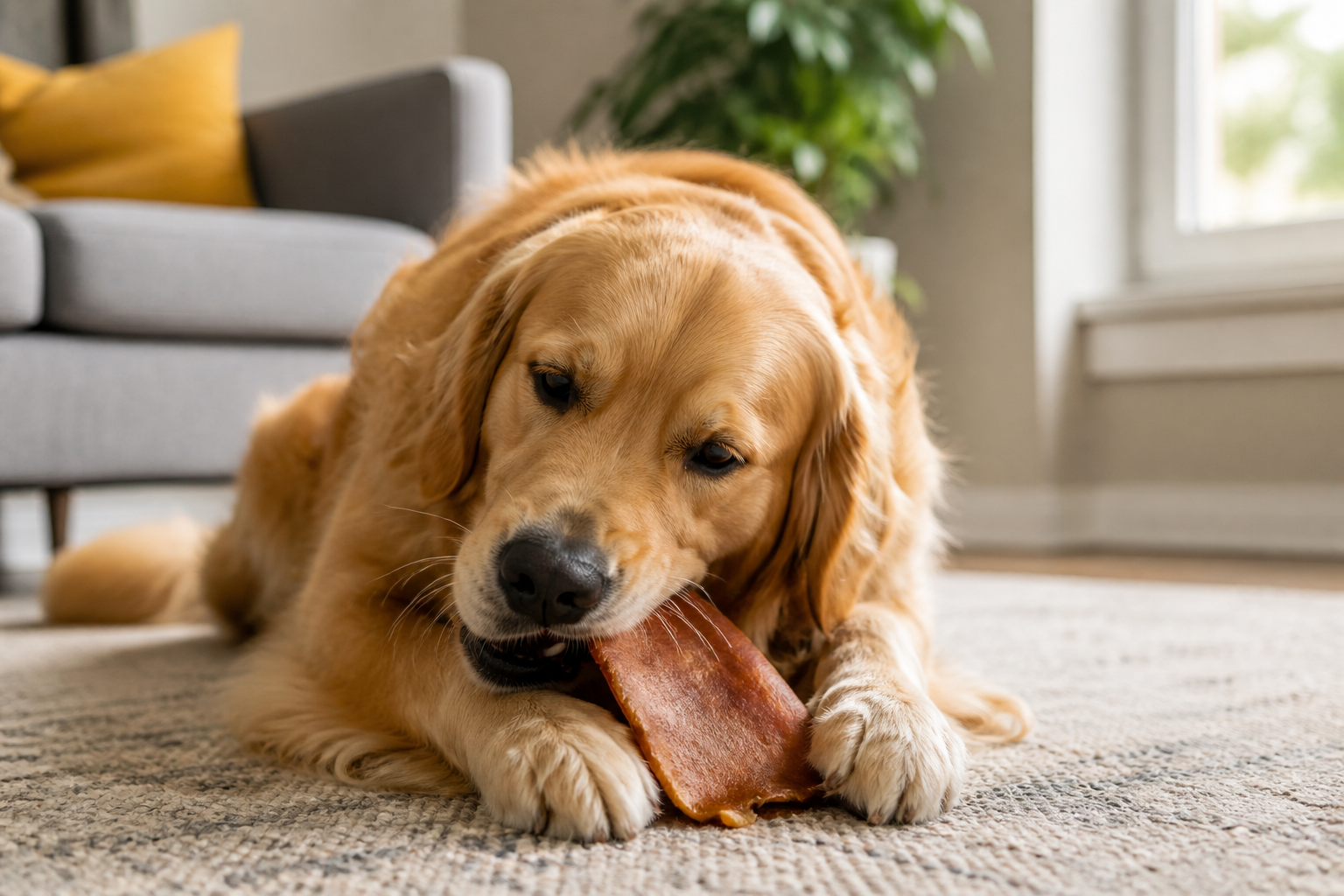
When your dog settles down with a pig ear, they are not just eating. They are engaging in a process of mechanical abrasion. Pig ears are primarily made of skin and cartilage. This material is tough and fibrous. As your dog gnaws on the ear, the edges of the treat rub against the surface of the teeth. This rubbing action acts like a very mild, natural toothbrush.
This process helps to scrape away soft plaque before it can harden into tartar. Tartar is much more difficult to remove. It usually requires a professional cleaning under anesthesia. By providing a tough chew, you are helping to keep the teeth cleaner on a daily basis. The texture of the pig ear is firm enough to provide resistance. It is also soft enough that it usually will not break or chip a healthy tooth. For another perspective on dental chews and oral care, see our guide to the best dental chews for dogs.
Why Cartilage Matters
Unlike hard bones, cartilage has a slight "give" to it. This allows the dog's teeth to sink slightly into the material. This means the cleaning action happens not just on the tips of the teeth. It also reaches closer to the gum line. Consistent chewing can help stimulate the gums. This increases blood flow to the oral tissues. Healthy gums are just as important as clean teeth for preventing periodontal disease.
Key Takeaway: The fibrous nature of pork cartilage provides a scrubbing effect. This helps reduce plaque buildup through repetitive chewing.
Nutritional Benefits Beyond Dental Health
Pig ears are more than just a natural toothbrush. They offer several nutritional benefits that support your dog's overall wellness. Because they are a single-ingredient treat, they are often a better choice than highly processed "dental chews" that contain starches or artificial binders. You can compare options in our dog treats collection.
High Protein Content
Pork cartilage is naturally high in protein. This supports muscle maintenance and repair. For active dogs, a protein-rich treat is a functional reward. Most pig ears contain around 20 to 25 percent protein. This makes them a more substantial snack than a simple biscuit.
Joint Support Nutrients
Cartilage is a natural source of glucosamine and chondroitin. These compounds are the building blocks of healthy joints. Many senior dogs or large breeds struggle with mobility as they age. While a pig ear is not a substitute for a concentrated supplement, it provides these nutrients in a whole-food form.
Digestibility
One of the biggest advantages of pig ears is their digestibility. Many owners are moving away from rawhide because it can be difficult for dogs to break down. Rawhide can sometimes sit in the stomach for long periods. It can even cause dangerous blockages. Pig ears are 100 percent digestible cartilage. Once they are chewed and swallowed, the body can break them down efficiently.
The Importance of Moderation and Weight Management
While the dental benefits are real, we must talk about the fat content. Pig ears are significantly higher in fat than many other natural chews like cow ears. They often contain about 15 percent fat. This fat makes them very tasty to dogs. It also makes them very calorie-dense.
If your dog is already overweight, adding a pig ear every day can lead to rapid weight gain. Excess weight puts stress on the joints and heart. It can also lead to more serious metabolic issues. For dogs with a history of pancreatitis, the high fat content of a pig ear can be dangerous. This condition requires a very low-fat diet to prevent painful flare-ups.
Vet Tip: If your dog has a history of digestive issues or pancreatitis, consult your veterinarian before introducing high-fat treats. They may recommend a prescription low-fat diet. Our pet pharmacy carries many prescription foods through our partnership with Pet's Choice.
Managing Calories
If you decide to give your dog a pig ear, you should adjust their meal portions. Treats should never make up more than 10 percent of a dog's daily caloric intake. You might consider giving a pig ear only once or twice a week. This allows your dog to enjoy the dental benefits without the risk of obesity.
Safety Precautions for Pet Parents
Feeding any natural chew requires a level of supervision. Even though pig ears are digestible, they still pose some risks if they are not used correctly.
Choking Hazards and "Gulpers"
Some dogs are "power chewers" or "gulpers." These dogs try to swallow large chunks of food as quickly as possible. If a dog swallows a large, unchewed piece of a pig ear, it could get stuck in the esophagus. It could also cause a physical blockage in the intestines. Always watch your dog while they enjoy a chew. If the ear gets small enough to be swallowed whole, take it away.
Bacterial Concerns
Because pig ears are animal products, there is a small risk of bacterial contamination. Salmonella and Listeria are the primary concerns. This risk is not just for your dog. It is also for the humans in the house who handle the treats. We recommend a few simple steps to keep everyone safe:
- Always wash your hands thoroughly after handling pig ears.
- Clean the floor or surface where the dog was chewing.
- Store the treats in a sealed container away from human food.
- Buy from trusted brands that use high-quality sourcing and testing.
Choosing the Right Product
Not all pig ears are created equal. When shopping at BaxterBoo, look for products that are baked or roasted. Avoid ears that have been smoked with artificial liquid smoke or treated with heavy chemicals. A specific option is the Canine Butcher Shop Dog Chew - Pig Ears.
- Baked ears: These are usually the safest. The high heat during the baking process kills bacteria.
- Irradiated ears: Some manufacturers use irradiation to kill bacteria. These often look very white or bleached. Many owners prefer to avoid these in favor of naturally roasted options.
- Sizing: Ensure the ear is appropriate for the size of your dog. A small terrier should not be given a giant jumbo ear all at once.
How to Introduce a Pig Ear to Your Dog
If your dog has never had a pig ear, you should start slowly. A sudden introduction of high-fat treats can cause an upset stomach or loose stools. For more ways to build healthy habits, review our dog dental care tips.
Step 1: Choose a quiet time. / Pick a moment when your dog is relaxed and not overly hungry. This reduces the urge to gulp the treat.
Step 2: Monitor the first session. / Give your dog the ear and stay in the room. Watch how they chew. Do they take their time, or do they try to tear off large pieces?
Step 3: Limit the time. / For the first session, let them chew for only 5 or 10 minutes. Take the treat away and see how their stomach reacts over the next 24 hours.
Step 4: Check for digestive upset. / If their stool remains firm and they seem comfortable, you can gradually increase the chew time.
Comparing Pig Ears to Other Chews
You might be wondering how pig ears stack up against other options in our warehouse. Every dog has different needs based on their age, weight, and chewing style. Explore our dog chew toy selection for additional enrichment options.
| Chew Type | Pros | Cons |
|---|---|---|
| Pig Ear | Great taste, joint support, digestible | High fat, moderate durability |
| Cow Ear | Very low fat, good for weight management | Less flavor, may not last as long |
| Bully Stick | Very durable, high protein, low fat | Can be expensive, strong odor |
| Beef Trachea | Excellent joint support, hollow for stuffing | Can be greasy, fast chewers finish quickly |
| Rawhide | Very cheap, lasts a long time | High risk of blockages, often chemically treated |
As you can see, pig ears are a middle-ground option. They are more durable than a biscuit but less intense than a bully stick. They are much safer than rawhide but more caloric than a cow ear.
Bottom line: Pig ears are an excellent high-value treat for healthy, active dogs who need a medium-duration chew to help with dental maintenance.
The Role of Professional Dental Care
It is important to remember that no treat can replace a veterinarian's care. If your dog already has heavy brown tartar or red, inflamed gums, a pig ear will not fix the problem. In fact, chewing on hard things with sore gums can be painful for your dog.
If you notice bad breath, loose teeth, or bleeding from the mouth, it is time for a vet visit. Your vet may recommend a professional cleaning. They might also suggest prescription dental diets. These specialized foods are designed with a specific kibble shape. The kibble does not shatter when bitten. Instead, the tooth sinks into it, cleaning the entire surface. For more warning signs, read what to know about bad teeth in dogs.
We are proud to offer these prescription diets through our pharmacy. Our partnership with Pet's Choice allows you to get FDA-approved medications and therapeutic foods delivered to your door. This is a great way to manage chronic dental issues alongside your regular treat routine.
Mental Stimulation and Enrichment
Beyond the physical benefits, chewing is a vital mental outlet for dogs. It is a natural behavior that releases endorphins in the dog's brain. This helps to lower stress and anxiety levels. If you have a rainy day and cannot get out for a long walk, a pig ear can provide much-needed "brain work." You can also explore interactive toys and puzzles for dogs for additional enrichment ideas.
Giving your dog a constructive place to use their jaws prevents them from chewing on your furniture or shoes. This is especially helpful for young dogs who are still learning house manners. Providing a variety of textures in their chew rotation keeps them engaged and prevents boredom.
The BaxterBoo Difference
We have been operating since 2006. We carry over 500 brands because we believe in variety and quality. Our team handpicks every item we stock. We do not just sell what is popular; we sell what we would give to our own pets.
When you shop with us, you can take advantage of the MVP Rewards program. You can earn up to 5 percent back on your purchases. This makes it easier to keep your treat jar stocked with high-quality options like our selection of Redbarn products or other trusted brands. If you find a treat your dog loves, you can set up our Autoship programme. This saves you money on your first order and ensures you never run out of your dog's favorite dental chews.
Conclusion
Pig ears are a time-tested treat that offers real benefits for a dog's dental health. The natural mechanical action of chewing cartilage helps reduce plaque and supports healthy gums. They provide essential protein and joint-supporting nutrients like glucosamine. However, they are not a "set it and forget it" solution. You must monitor the fat content and supervise your dog to ensure they chew safely.
- Use pig ears as a supplement to, not a replacement for, tooth brushing.
- Always supervise your dog to prevent choking.
- Choose baked or roasted ears from reputable sources.
- Consult your vet if your dog has weight or digestive concerns.
Key Takeaway: Pig ears are a functional, natural chew that supports oral hygiene, but they must be balanced with your dog's overall caloric needs and health status.
If you are ready to start a better dental routine for your pet, explore our wide selection of natural dog chews. You can also visit our pharmacy section for prescription dental health needs.
FAQ
How many calories are in a pig ear?
A standard pig ear typically contains between 60 and 100 calories. This can vary based on the size of the ear and how much fat was trimmed during processing. Because this is a high-calorie count for a snack, you should always adjust your dog's main meal to account for the treat.
Can puppies chew on pig ears?
We generally recommend waiting until a puppy is at least four to six months old. This ensures their adult teeth are starting to come in and their digestive systems are more mature. The high fat content can be very rich for a young puppy's stomach, so always introduce them slowly and in small pieces.
Are pig ears better than rawhide?
Yes, pig ears are widely considered safer and healthier than rawhide. Pig ears are 100 percent digestible cartilage, whereas rawhide is a byproduct of the leather industry and can be very difficult to digest. Pig ears also lack the harsh chemicals often used to bleach and preserve rawhide.
Do pig ears smell bad?
Pig ears have a natural, meaty scent that dogs find irresistible. While some humans might find the smell strong, it is usually not as pungent as other natural chews like bully sticks or tripe. Storing them in an airtight container will help keep the scent contained in your pantry.






