
 Save 15% on your 1st Autoship learn more

 Email us
 Live Chat
 FAQs
FAQs





Introduction
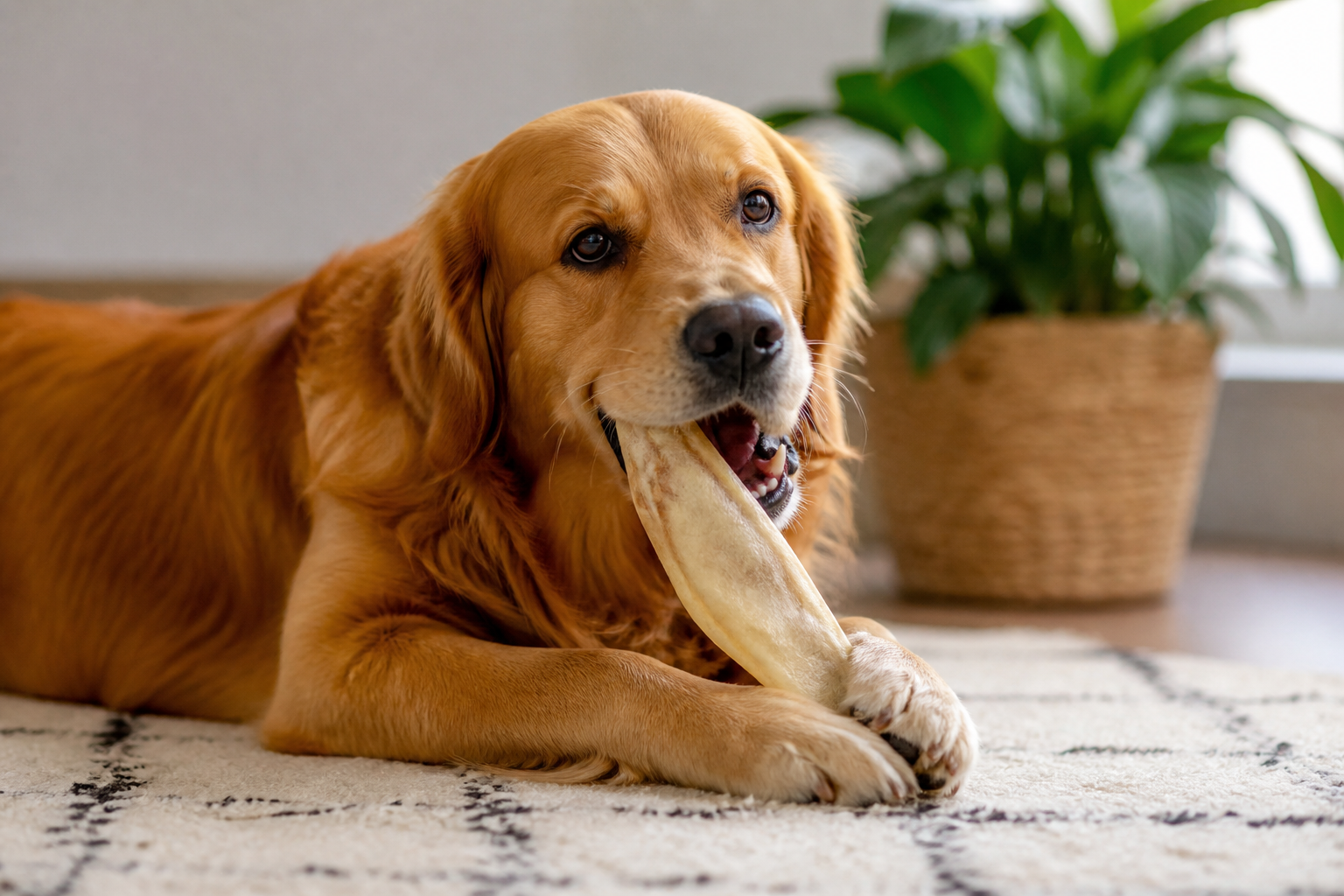
You are sitting on the rug playing with your dog when they give you a big, happy yawn. During that moment, you might notice a bit of yellow buildup near their back molars or catch a whiff of breath that is less than fresh. Many owners want to keep those pearly whites clean without the nightly struggle of a toothbrush and paste. This leads many to look for natural alternatives that satisfy a dog's urge to chew while scrubbing away plaque. At BaxterBoo, we see many pet parents moving toward single ingredient, air-dried chews to help with oral hygiene. Rabbit ears have become a popular choice for this exact reason. This post covers how rabbit ears work to clean teeth, the added benefits of furry treats, and how to safely introduce them to your dog.
Quick Answer: Yes, rabbit ears help clean a dog's teeth through mechanical abrasion. As your dog chews the tough, air-dried cartilage, it scrapes away plaque and food debris from the tooth surface and gum line.
The Mechanics of How Rabbit Ears Clean Teeth
The primary way rabbit ears help with dental health is through a process called mechanical abrasion. When a dog chews on a dried rabbit ear, they are not just eating a snack. They are engaging in a focused gnawing session. Because these ears are air-dried, they have a firm and slightly flexible texture. This resistance requires the dog to use their back teeth to grind the treat down.
Unlike soft treats that crumble quickly, rabbit ears are made of cartilage and skin. This material does not dissolve instantly. Instead, it acts like a mild abrasive. Every time your dog’s teeth sink into the ear, the fibers of the treat rub against the enamel. This rubbing action helps to physically lift away soft plaque before it has a chance to harden into tartar.
Cartilage is an ideal medium for this because it is tough enough to provide a scrub but not so hard that it risks cracking a tooth. Many dental experts recommend chews that have some "give" to them. If you can indent the treat with your thumbnail, it is usually safe for the teeth. Dried rabbit ears often fit this description perfectly.
Furry vs. Hairless Rabbit Ears
When you browse the treat aisle, you will see two main types of rabbit ears: those with the fur still on and those that have been stripped clean. While both options provide the abrasive cleaning action mentioned above, furry rabbit ears offer an additional benefit that some call nature’s floss.
The hair on a furry rabbit ear is made of keratin. This hair is not easily digested and remains intact as it moves through the mouth. As your dog chews, these tiny hairs can get into the small gaps between the teeth and along the gingival shelf. This helps to reach areas that a smooth, hairless treat might miss.
Beyond the dental benefits, the fur provides a unique texture that many dogs find highly rewarding. It taps into their natural instincts to chew on whole prey items. For owners who can get past the slightly unusual look of a furry ear, the oral health perks are often worth it.
Key Takeaway: Furry rabbit ears provide a dual cleaning action. The dried cartilage scrapes the surface of the tooth, while the fur acts as a natural floss to reach between teeth.
Digestive and Internal Health Benefits
The benefits of rabbit ears extend past the mouth and into the digestive tract. While your main goal might be cleaner teeth, these treats are famous for being a "whole body" snack. This is especially true for the furry varieties.
The undigested hair acts as a natural intestinal brush. As it travels through the stomach and intestines, it helps to sweep away undigested food residue. This process can lead to better nutrient absorption over time because the lining of the gut is kept clear.
- Improved Digestion: The fur adds bulk to the diet, acting as a source of insoluble fiber.
- Anal Gland Support: Firmer stools from the extra fiber help to naturally express anal glands during bathroom breaks.
- Hypoallergenic Protein: Rabbit is a novel protein. This means most dogs have not been overexposed to it, making it an excellent choice for pets with sensitivities to beef or chicken.
We carry several brands at BaxterBoo, such as Vital Essentials or Stella & Chewy's, that focus on these types of high quality, single protein snacks. If your dog has a history of severe digestive issues or chronic pancreatitis, it is wise to monitor their reaction to any new high protein treat.
Vet Tip: If your dog has a history of allergies or chronic stomach upset, consult your veterinarian before introducing novel proteins like rabbit. For pets on prescription diets for health conditions, our pet pharmacy provides access to prescription medications and therapeutic foods.
Nutritional Profile of Rabbit Ears
Rabbit ears are a lean, high protein treat. For owners watching their dog’s weight, they are often a better choice than pig ears, which can be very high in fat. Most air-dried rabbit ears are composed of protein, fat, and minerals.
Protein is essential for muscle maintenance and coat health. Because rabbit ears contain skin and cartilage, they are also a natural source of collagen and chondroitin. These compounds support joint health and connective tissue. This makes rabbit ears a functional treat for senior dogs who might need a bit of extra mobility support alongside their dental cleaning.
Most rabbit ears contain:
- High levels of animal protein (often over 50 percent)
- Low to moderate fat content
- Essential minerals like calcium and phosphorus
- Natural fiber from fur
Safety Considerations and Supervision
While rabbit ears are generally safe, every dog has a different chewing style. Some dogs are "gulpers" who try to swallow large pieces of treats whole. This can lead to choking or internal blockages.
Always supervise your dog when you give them a new type of chew. Watch how they handle the ear. If they are chewing thoroughly and taking their time, they are likely safe. If you see them try to swallow a large portion of the ear at once, you may need to hold one end of the treat to encourage them to gnaw properly.
Rabbit ears do not contain bones. This makes them much safer than cooked bones, which can splinter and cause internal damage. However, because the fur is not digestible, feeding too many ears at once can lead to a backup in the digestive system. Moderation is the best approach to keep your dog's gut moving smoothly.
Bottom line: Always supervise your dog while they chew and ensure they have access to fresh water to help with the digestion of high protein treats.
At What Age Can Puppies Have Rabbit Ears?
Puppies go through a significant teething phase between four and six months of age. During this time, they have an intense urge to chew to soothe their sore gums. Rabbit ears can be a fantastic tool for this life stage.
We generally recommend waiting until a puppy is at least 12 weeks old before introducing furry treats. Their digestive systems are still maturing, and you want to ensure they can handle the extra fiber from the fur. For younger puppies, you might start with a hairless rabbit ear or a smaller piece to see how they tolerate it.
Step 1: Choose a high quality, air-dried rabbit ear.
Step 2: Offer the treat during a quiet time when you can watch your puppy closely.
Step 3: Check their stool the next day to ensure they digested the treat without any upset.
For more ideas during this stage, explore our guide to puppy teething toys.
Comparing Rabbit Ears to Other Natural Chews
If you are looking for dental benefits, you might wonder how rabbit ears stack up against other popular options. Every chew has its own strengths and weaknesses.
| Chew Type | Dental Benefit | Durability | Fat Content |
|---|---|---|---|
| Rabbit Ears | High (abrasive + floss) | Low to Medium | Low |
| Pig Ears | Medium (greasier) | Medium | High |
| Antlers | High (very hard) | Very High | Very Low |
| Chicken Feet | Medium (crunchy) | Low | Moderate |
| Bully Sticks | High (long chew) | High | Moderate |
Pig ears are a classic choice, but they are often quite greasy. This can cause stomach upset in some dogs and adds a lot of calories. Antlers are great for cleaning teeth, but they are so hard that they can occasionally cause tooth fractures in power chewers. Rabbit ears sit in a "sweet spot" for many owners. They are tough enough to clean but soft enough to be safe for a wider range of dogs.
For additional options, browse our dog treats and natural chews.
How Often Should You Feed Rabbit Ears?
To see a real difference in dental health, consistency is important. However, you should not overdo it. Feeding two to three rabbit ears per week is usually enough to provide dental benefits without unbalancing your dog’s main diet.
If your dog is on a weight management plan, remember that treats should never make up more than 10 percent of their daily caloric intake. Because rabbit ears are relatively lean, they fit into most diets easily. If you are using them for the "natural worming" or digestive benefits of the fur, once or twice a week is the standard recommendation among natural health advocates.
Potential Downsides to Consider
No treat is perfect for every single dog. Some owners find the look of furry ears off-putting. If the "gross factor" is an issue for you, sticking to the hairless versions is a perfectly fine alternative. You still get the abrasive dental benefits without the aesthetic concerns.
Another consideration is sourcing. It is important to know where your treats come from. At BaxterBoo, we prioritize brands that source their proteins responsibly. Rabbit ears are a byproduct of the rabbit meat industry. Sourcing from regions with high animal welfare standards ensures a safer and more ethical product for your pet.
Finally, keep an eye on your dog's stool. While the fur helps most dogs with digestion, a small percentage of dogs might find it irritating. If you notice any loose stools or signs of discomfort, pause the treats and consult your vet.
Managing Your Dog’s Long Term Oral Health
Rabbit ears are a great tool, but they are just one part of a complete oral health strategy. They work best when combined with other healthy habits. This includes regular checkups with your veterinarian to look for signs of gum disease or cracked teeth.
If your dog already has heavy tartar buildup, a chew likely won't remove it entirely. Hard tartar usually requires a professional dental cleaning. Once the teeth are professionally cleaned, using rabbit ears two or three times a week can help prevent that tartar from coming back.
- Rotation: Mix rabbit ears with other dental chews like Greenies or Kong toys stuffed with healthy treats.
- Inspection: Lift your dog’s lips once a week to check for redness or new plaque.
- Hydration: Always have fresh water available, as saliva helps wash away bacteria in the mouth.
Key Takeaway: Use rabbit ears as a preventative tool in a larger dental care routine that includes veterinary checkups and regular mouth inspections.
For more guidance, read our dog dental care tips.
Summary of Benefits
Rabbit ears are a versatile, natural, and effective way to support your dog’s health. They provide a satisfying chewing experience that cleans teeth through mechanical action. For dogs with sensitive stomachs or allergies, the novel protein is a safe alternative to more common treats.
The addition of fur offers unique benefits for the digestive tract and anal glands. While they may look unusual to us, dogs generally find them irresistible. By choosing high quality, air-dried options and supervising your pet, you can make these treats a staple in your home.
- Natural abrasive cleaning for teeth and gums.
- Keratin fur acts as a natural floss.
- Lean protein suitable for many diets.
- Fiber from fur supports healthy digestion and firm stools.
If you are ready to try these out, we have a wide selection of dental chews for dogs and health supplies to get you started. Whether you choose furry or hairless, your dog will appreciate the chance to chew their way to a cleaner mouth.
FAQ
Can rabbit ears replace brushing my dog's teeth?
While rabbit ears are excellent for reducing plaque through abrasion, they are not a total replacement for brushing. They are a great supplemental tool for dogs who will not tolerate a toothbrush. For the best results, use a combination of chews, water additives, and manual brushing if possible.
Are furry rabbit ears safe for all dogs?
Most dogs handle furry rabbit ears very well, but they should be introduced slowly. Puppies should be at least 12 weeks old before trying them. If your dog has a very sensitive stomach or a history of blockages, consult your vet before offering treats with fur.
How many rabbit ears can I give my dog each week?
A good rule of thumb is two to three rabbit ears per week. This provides the dental and digestive benefits without adding too many calories or too much fiber to their diet. Always adjust based on your dog's size and overall activity level.
Do rabbit ears actually kill worms in dogs?
There is no scientific evidence that rabbit ears can kill or cure a worm infestation. The fur may help physically brush away some parasites or eggs as it passes through the gut, but it is not a substitute for medical deworming. For reliable protection, use FDA-approved preventives from our pet pharmacy and have your vet perform regular fecal tests.






