
 Save 15% on your 1st Autoship learn more

 Email us
 Live Chat
 FAQs
FAQs





Introduction
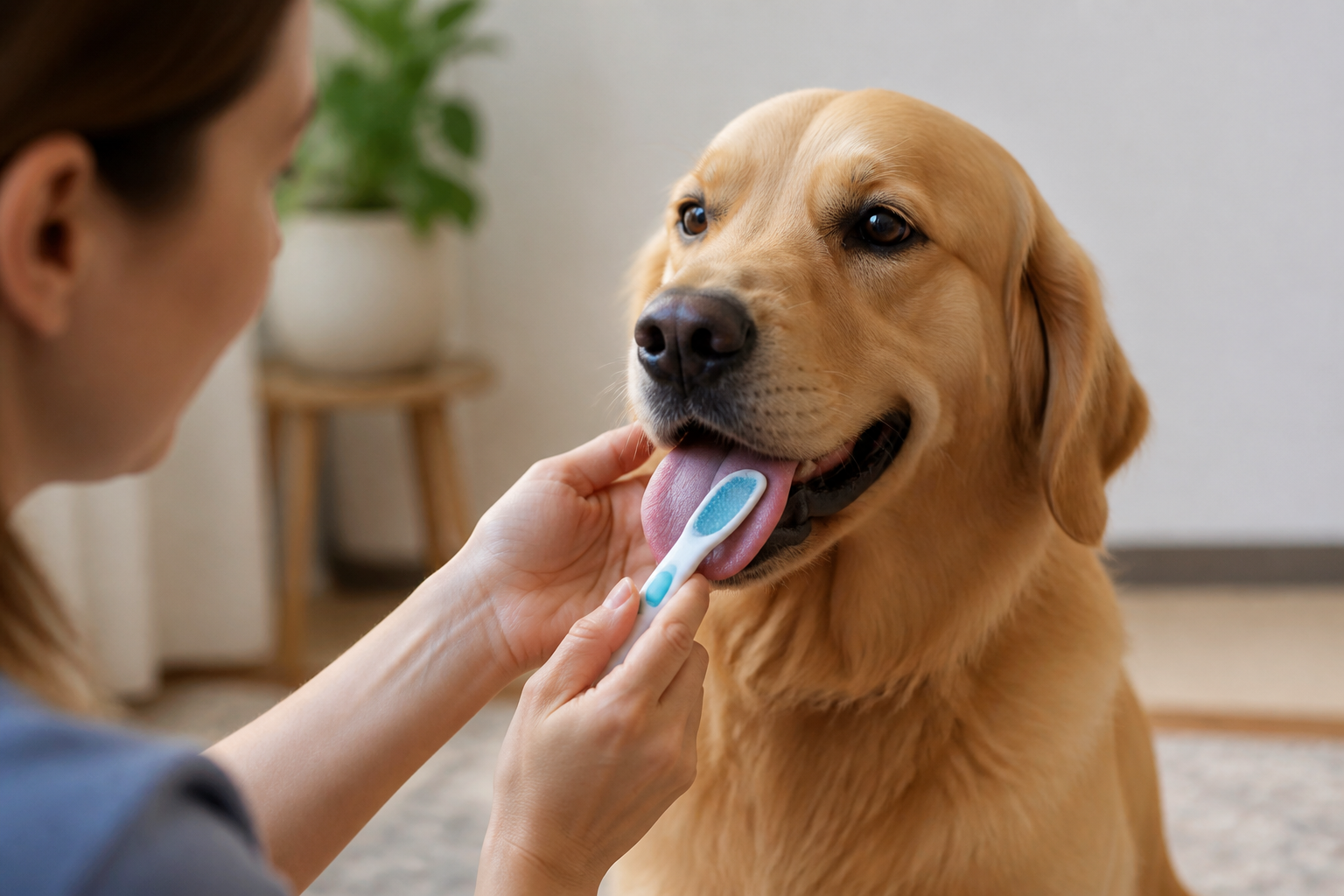
Every dog owner knows the feeling of a cold, wet nose and a big, sloppy kiss. While those gestures are full of love, they often come with a punch of "doggy breath" that can clear a room. Most of us have heard that we should brush our dog's teeth to prevent decay. However, few people stop to consider the tongue. At BaxterBoo, we see thousands of pet owners looking for ways to keep their pups healthy and their breath fresh. Brushing the tongue is an often overlooked but highly effective way to manage oral bacteria. This article explains why cleaning your dog's tongue is beneficial and how to do it safely. You will learn the best tools for the job and how to make the process stress-free for your pet.
Quick Answer: Yes, you can and should brush a dog's tongue. The tongue's surface traps bacteria and food particles that cause bad breath and contribute to dental disease. Brushing it gently with a dog-specific toothbrush and toothpaste helps maintain overall oral health.
Why the Tongue Matters in Dog Oral Health
A dog's tongue is a busy muscle. It helps them eat, drink, groom, and cool down through panting. Because it is constantly in motion and has a textured surface, it becomes a prime environment for bacteria. These microbes live in the tiny bumps on the tongue called papillae. When bacteria thrive here, they create a film of biofilm or plaque.
This film is often the primary source of foul odors. If you only brush the teeth, you leave behind a significant reservoir of bacteria that quickly migrates back to the gums. This can lead to periodontal disease. Studies suggest that a large percentage of adult dogs have some form of dental issues by age three. By addressing the tongue, you are tackling the problem at one of its main sources. For additional warning signs, read about common signs of dental disease in dogs.
Key Takeaway: Oral hygiene is about more than just white teeth. Cleaning the tongue removes the bacterial load that causes bad breath and protects the rest of the mouth from infection.
The Connection to Systemic Health
Poor oral health does not just stay in the mouth. When bacteria build up on the tongue and gums, they can enter the bloodstream. This happens through small sores or inflamed gum tissue. Once in the blood, these bacteria can travel to vital organs.
Veterinarians often link chronic oral infections to issues with the heart, liver, and kidneys. Maintaining a clean tongue is a simple step that supports your dog's longevity. It is part of a proactive approach to wellness that keeps their whole body functioning better.
Essential Supplies for Tongue Cleaning
You should never use human products on your dog. Many human toothpastes contain xylitol, which is a sweetener that is highly toxic to dogs. Others contain fluoride or foaming agents that can cause severe stomach upset.
Here is what you need for a successful session:
- Dog-Specific Toothpaste: Look for enzymatic formulas in flavors like poultry, beef, or peanut butter. These work even after you stop brushing.
- A Soft-Bristled Brush: You can use a standard dog toothbrush with an angled head or a silicone finger brush.
- Tongue Scrapers: Some specialized dog brushes have rubber ridges on the back designed specifically for the tongue.
- Treats: Always have high-value rewards ready to reinforce a positive experience.
Browse our dog dental care selection for toothpaste, toothbrushes, wipes, and other oral-care supplies.
Step-by-Step: The Licking Method
This is the easiest way to start if your dog is not used to having their mouth handled. It lets the dog do most of the work.
Step 1: Apply a small amount of dog toothpaste to the bristles of a soft brush.
Step 2: Let your dog sniff and lick the paste.
Step 3: As they lick, gently move the brush in small circles or side-to-side across the surface of the tongue.
Step 4: Gradually move the brush further back as they get comfortable with the sensation.
Step 5: Reward them with praise and a small treat once you are finished.
Step-by-Step: The Direct Brushing Method
For dogs that are comfortable with handling, you can be more intentional with your cleaning.
Step 1: Gently lift your dog’s lip to access the mouth.
Step 2: Use your thumb to stabilize the jaw if necessary, but never force the mouth open.
Step 3: Apply toothpaste to a finger brush or standard brush.
Step 4: Reach toward the back of the tongue and sweep forward toward the tip.
Step 5: Repeat this motion three or four times.
Step 6: Finish with a reward to ensure they associate the cleaning with something good.
Bottom line: The goal is consistency over perfection, so aim for a quick session that leaves your dog feeling happy.
Overcoming Resistance
Not every dog will enjoy having their tongue brushed right away. If your dog pulls away or seems anxious, stop immediately. You want to avoid creating a negative association with grooming.
Try these tips for stubborn pups:
- Start Slow: Spend a few days just letting them lick toothpaste off your finger.
- Timing is Key: Choose a time when your dog is relaxed, such as after a long walk or a play session.
- Use Flavor to Your Advantage: If they do not like poultry flavor, try peanut butter. The more they like the taste, the more they will want to lick the brush.
- Be Patient: It may take several weeks before your dog allows a full tongue cleaning.
For more ideas on building trust around oral care, explore these pet dental care tips.
Identifying Problems on the Tongue
While you are cleaning, take a moment to look at the health of the tongue. A healthy dog tongue is usually pink and moist. Some breeds, like Chow Chows or Shar-Peis, have naturally blue or spotted tongues. Know what is normal for your specific dog.
Watch for these warning signs:
- Lumps or Bumps: Any new growths should be checked by a professional.
- Discoloration: Very pale, deep red, or purple tongues can indicate underlying health issues.
- Sores or Bleeding: These can be signs of infection or injury.
- Coating: A thick white or yellow coating may indicate a significant bacterial or fungal overgrowth.
Vet Tip: If you notice any unusual growths, persistent bad breath, or changes in your dog's tongue color, consult your veterinarian. Our pharmacy at BaxterBoo offers a variety of prescription oral health supports through our partnership with Pet's Choice if your vet recommends specific medical intervention.
The Role of Diet and Supplements
What your dog eats affects their oral microbiome. High-quality kibble can provide some mechanical scraping of the teeth, but it does little for the tongue. This is where supplements and specific diets come into play.
We carry several trusted brands like Royal Canin and Farmina that offer dental-specific formulas. These foods often have a specific texture and nutrient profile to reduce plaque. You can also find water additives and dental wipes in our inventory. These products use enzymes to break down bacteria on all oral surfaces, including the tongue, without requiring a brush. An OxyFresh dental water additive can be another option for adding oral-care support to your dog's routine.
When Home Care is Not Enough
Even with the best at-home routine, most dogs eventually need a professional cleaning. A veterinarian can reach areas under the gumline that a toothbrush cannot. They also perform a full exam under anesthesia to check for cracked teeth or deep infections.
Think of your at-home tongue and tooth brushing as daily maintenance. It extends the time between professional cleanings and keeps your dog more comfortable. If you notice your dog dropping food, drooling excessively, or pawing at their mouth, it is time for a vet visit. These are signs of pain that brushing alone cannot fix.
Using the BaxterBoo Pharmacy for Oral Health
Sometimes, bad breath is a symptom of a deeper medical issue like gingivitis or stomatitis. In these cases, your vet might prescribe medicated rinses or specific antibiotics. We make it easy to manage these needs. Our pet pharmacy provides FDA-approved medications and prescription diets through our partnership with Pet's Choice. This allows you to get everything your dog needs in one place, from their favorite toys to their essential health treatments.
A Complete Oral Care Routine
Brushing the tongue is just one piece of the puzzle. To give your dog the best chance at a healthy mouth, combine these strategies:
- Daily Tooth Brushing: Aim for at least three times a week, though daily is best.
- Tongue Cleaning: Incorporate this every time you brush the teeth.
- Dental Chews: Use VOHC-approved chews to help scrub surfaces during play.
- Annual Exams: Ensure your vet looks at the mouth during every wellness check.
You can also browse our dog grooming supplies for tools that support regular handling and care.
Benefits of MVP Rewards and Autoship
Maintaining a dental routine requires a steady supply of toothpaste, brushes, and treats. We want to make this as affordable as possible. By joining the MVP Rewards programme, you can earn up to 5% back on every purchase. This includes your dental supplies and any pharmacy needs.
If you want to ensure you never run out of supplies, consider our Autoship programme. You can set your favorite dental treats and toothpaste to arrive on a schedule that works for you. This saves you money on your first order and grants you a free MVP Gold membership for even more perks.
Summary of Best Practices
Brushing a dog's tongue is a simple habit with significant rewards. It keeps breath fresher and reduces the bacterial load in the mouth.
- Use only dog-safe enzymatic toothpaste.
- Start with the licking method to build trust.
- Be gentle and use soft-bristled tools.
- Check the tongue regularly for lumps or odd colors.
- Combine brushing with dental diets and professional vet care.
Conclusion
Taking care of your dog’s oral health is one of the kindest things you can do for them. While it might seem strange at first, brushing their tongue is a practical way to prevent disease and keep those kisses pleasant. At BaxterBoo, we are committed to providing the expert tools and guidance you need to succeed. Whether you are looking for a new finger brush or fulfilling a prescription through our pet pharmacy, we are here to help. Start slowly, stay consistent, and enjoy the benefits of a healthier, happier dog with much better breath.
FAQ
Can I use a human tongue scraper on my dog?
It is better to use a tool designed specifically for pets. Human scrapers are often made of metal or hard plastic that might be too sharp for a dog's sensitive tongue. Many dog toothbrushes have soft rubber ridges on the back that serve as a gentle tongue cleaner.
How often should I brush my dog's tongue?
Ideally, you should clean the tongue every time you brush your dog's teeth. Brushing daily is the gold standard for preventing plaque and bad breath. If daily is not possible, aiming for three times a week still provides significant health benefits.
What if my dog's tongue is blue or has black spots?
Some breeds, like Chow Chows or Labradors, naturally have blue tongues or dark pigment spots. This is usually normal. However, if you notice new spots that are raised, bleeding, or changing shape, you should have your veterinarian examine them.
Why does my dog's breath still smell after brushing?
Persistent bad breath can be a sign of a deeper issue. It might indicate tooth decay under the gumline, a digestive problem, or a medical condition like kidney disease. If regular tongue and tooth brushing do not help, schedule a veterinary exam to rule out serious health concerns.






