
 Save 15% on your 1st Autoship learn more

 Email us
 Live Chat
 FAQs
FAQs





Introduction
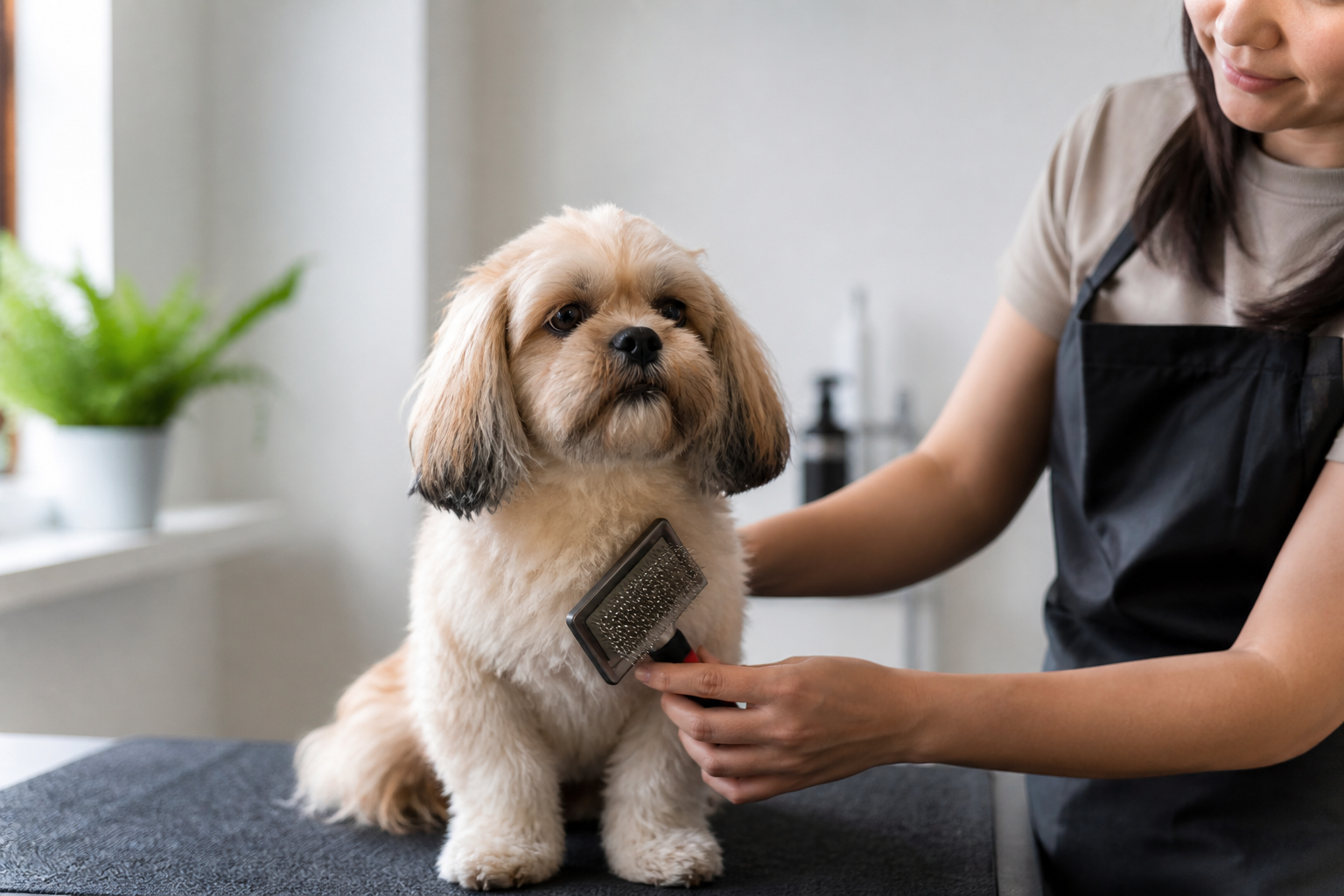
You have just finished giving your dog a bath and they are currently a soggy, shivering mess on the bathroom floor. As you reach for the towel, you might wonder if you should start brushing through those damp curls now or wait until the coat is completely dry. It is a common dilemma for many of us who handle grooming at home. At BaxterBoo, we have helped thousands of pet owners navigate the specifics of coat care since 2006. Whether you are dealing with a thick-coated Alaskan Malamute or a silky Yorkie, the timing of your brushing session significantly impacts the health of their fur. This article covers the science behind hair elasticity, the dangers of brushing "naked" hair, and exactly when to use each method. The right choice depends on your dog’s specific coat type and the grooming goals you want to achieve.
The Short Answer: It Depends on the Goal
Most grooming experts agree that the best time to brush is when the hair is slightly damp and saturated with a conditioning product. However, for everyday maintenance, dry brushing is the standard approach. The golden rule of grooming is to never brush a completely dry, "naked" coat because it leads to friction, static, and breakage.
If you are performing a quick daily tidy, you should use a light mist of a grooming spray on a dry coat. If you are trying to remove a massive amount of shedding undercoat, doing so during the bath while the hair is soaked in conditioner is often more effective.
Quick Answer: For daily maintenance, brush your dog’s hair when it is dry but lightly misted with a detangling spray. For deep deshedding or managing long, silky coats, brushing while damp and conditioned is best. Never brush a soaking wet coat that has no product on it, as this causes significant hair damage.
The Science of Wet vs. Dry Hair
To understand why timing matters, we have to look at the structure of a dog's hair. Hair is made of keratin and is held together by different types of bonds. Hydrogen bonds are the ones most affected by water. When your dog's hair gets wet, these bonds break. This makes the hair more elastic and stretchable.
While elasticity sounds like a good thing, it actually makes the hair much more fragile. When you pull a brush through wet hair, the strands stretch further than they should. Eventually, they reach a snapping point. If the hair is soaking wet and lacks the lubrication of a high quality conditioner, the brush will cause tiny fractures in the hair shaft. This results in a frizzy, dull appearance over time.
Dry hair is structurally stronger because those hydrogen bonds are intact. However, dry hair is also more prone to static electricity. Static causes individual hairs to stand up and wrap around each other, which creates new mats. This is why we always recommend a middle ground approach.
When Dry Brushing Is the Better Choice
Daily maintenance is best handled when the coat is dry. This is especially true for dogs with short hair or those who do not require intensive deshedding. Brushing a dry coat allows you to see the natural "lay" of the fur. It helps you identify where mats are starting to form before they become a serious problem.
However, dry brushing should never mean "bone dry" brushing. Even a small amount of moisture from a spray can protect the hair. We see many owners in our Vernon Hills warehouse who are frustrated by frizzy coats. Usually, the culprit is dry brushing without a protective barrier.
Why Dry Brushing Works for Maintenance
- It allows you to find small tangles before they tighten during a bath.
- It helps distribute natural skin oils across the hair shaft.
- It is faster for quick sessions before a walk or after a trip to the park.
- It reduces the risk of the "stretching" damage that occurs on wet hair.
Key Takeaway: Always use a light detangling spray or leave in conditioner before brushing a dry coat. This provides the lubrication needed to let your tools glide through the fur without snapping the hair.
The Dangers of Brushing a Soaking Wet Dog
The biggest mistake you can make is brushing a dog that is dripping wet and freshly rinsed. Once the shampoo has been washed away and the conditioner has not yet been applied, the hair is at its weakest. The cuticles on the hair shaft are open and rough. If you take a slicker brush to a dog in this state, you are essentially "scraping" the hair.
Furthermore, water causes existing mats to tighten. If your dog has a thick knot behind their ear and you get it wet, the hair fibers swell and lock together. Trying to brush out a wet mat is painful for the dog and often impossible without cutting the hair.
Step 1: Check for mats. / Always feel through your dog's coat while it is still dry before the bath.
Step 2: Remove large tangles. / Use a comb or a dematting tool to gently break up knots before water touches them.
Step 3: Apply product. / If you must brush a wet dog, ensure they are saturated in conditioner first.
For more bath preparation and detangling guidance, read our guide to the dos and don'ts of bathing your dog.
When Wet Brushing Becomes Necessary
Professional groomers often use a technique called "wet brushing" or "bath brushing." This is not the same as brushing a dog that just ran through the rain. This process happens in the tub. After the dog is clean, you apply a heavy amount of conditioner. While the conditioner is still on the coat, you use a wide-spaced pin brush or a specialized rubber brush to work through the fur.
This is incredibly effective for double-coated breeds like Golden Retrievers or Great Pyrenees. The conditioner provides so much "slip" that the dead undercoat slides right out. It also helps the conditioning ingredients penetrate deeper into the hair and skin.
Benefits of Brushing During the Bath
- It speeds up the deshedding process by capturing loose hair in the tub.
- It improves blood flow to the skin through gentle stimulation.
- It ensures the conditioner is distributed evenly from root to tip.
- It supports the lymphatic system by providing a light massage.
Vet Tip: If your dog has sensitive or allergic skin, brushing during the bath with a medicated or soothing shampoo can help remove allergens like pollen or dust more effectively. However, always consult your veterinarian if you notice red patches, sores, or persistent itching before starting a new grooming routine.
Choosing the Right Tools for the Job
Your choice of tool is just as important as the timing. A brush that works well on a dry coat might be too aggressive for a wet one. At BaxterBoo, we carry a wide selection of over 500 trusted brands to ensure you have the right match for your dog’s specific needs.
For dry brushing, a slicker brush is the standard for most breeds. It has fine, wire bristles that grab loose hair and break up small tangles. If you have a curly-coated breed like a Poodle or a Doodle, you will also need a metal "greyhound" comb to check your work.
For wet brushing, look for a pin brush with rounded ends. The rounded tips protect the skin, which is more sensitive when it is warm and wet. Rubber curry brushes, like those made by Kong, are also excellent for short-haired dogs in the bath. They help lather the soap and pull out dead hair without any risk of scratching the skin.
Grooming Tool Checklist
- Slicker brush for daily dry maintenance.
- Wide-toothed metal comb for checking for hidden mats.
- Pin brush with rounded tips for damp or conditioned hair.
- Rubber curry brush for short coats and bath time massage.
- Grooming spray or detangler to provide essential lubrication.
You can compare brushes, combs, and dematting tools in our dog brushes and combs collection.
Managing Specific Coat Types
Not all dogs are created equal when it comes to hair care. A method that works for a Boxer will not work for a Shih Tzu.
Double-Coated Dogs
Breeds like Huskies and Shepherds have a soft undercoat and a coarse topcoat. You should brush them dry several times a week to keep the undercoat from packing down. However, the heavy deshedding is often best done when they are damp. After the bath, while the coat is about eighty percent dry, a high velocity dryer can blow out the loose hair while you lightly brush.
Silky and Drop Coats
Yorkies and Maltese have hair that is very similar to human hair. This hair is prone to breakage. You should almost never brush these dogs bone dry. Always use a leave in conditioner. Brushing them while damp and conditioned is the best way to maintain that long, flowing look.
Curly and Wire Coats
Poodles and Doodles are prone to severe matting. You must be diligent about dry brushing these dogs daily. If you wait until they are wet, the mats will become solid clumps. For wire-haired breeds like Terriers, dry brushing helps maintain the texture of the coat, which can become too soft if conditioned too frequently.
For more guidance on curly coats, see how to groom a dog with curly hair.
The Role of Nutrition and Internal Health
A healthy coat starts from the inside. No amount of brushing, wet or dry, can fix a coat that is dull due to poor nutrition. We often recommend looking at high quality foods like Farmina or Open Farm, which are rich in omega fatty acids. These nutrients strengthen the hair bonds we discussed earlier.
If your dog is struggling with a brittle coat or excessive shedding, it might be time to look into supplements or even prescription diets. Through our partnership with Pet's Choice, our pharmacy offers access to FDA-approved medications and prescription foods that can address underlying skin conditions. A healthy skin barrier means less shedding and fewer mats to deal with during your grooming sessions.
Bottom line: While the technique of brushing is vital, supporting your dog's skin health through premium food and supplements makes the entire grooming process easier and more effective.
Common Myths About Brushing
One of the most persistent myths is that you should shave a dog in the summer to keep them cool. In reality, the coat provides a layer of insulation against the heat. Brushing out the dead undercoat, whether wet or dry, is much more effective at cooling your dog than shaving them. Shaving can actually damage the hair follicles and lead to a patchy, dull coat when it grows back.
Another myth is that you should wash your dog every time they look a little dirty. Frequent bathing without proper conditioning can strip the skin of natural oils. For many dogs, a good dry brushing session with a grooming spray can remove surface dirt and dust without the need for a full bath.
How to Transition to a New Routine
If you have always brushed your dog bone dry and noticed breakage, try adding a spray to your routine. Start by lightly misting a small section of the coat and using a soft brush. Observe how the brush moves through the hair compared to the dry sections. You will likely notice much less resistance.
If you want to try wet brushing in the bath, ensure you have a non-slip mat in the tub. Some dogs get nervous with the extra stimulation of a brush while they are already dealing with water. Take it slow and use plenty of praise. Our MVP Rewards programme is a great way to earn points on the treats you use to reward your dog for being such a good sport during their spa day.
Key Takeaway: The best grooming routine is one that is consistent. Whether you prefer the efficiency of wet brushing during a bath or the ritual of a daily dry brush, adding lubrication is the most important step for coat longevity.
Final Steps for a Healthy Coat
Taking care of your dog's coat does not have to be a chore. By understanding when to brush wet and when to brush dry, you are protecting your dog from pain and keeping their fur looking its best. Remember to always check for mats before the bath and use a high quality conditioner if you plan to brush while they are wet.
If you are just starting out with a new puppy or looking to upgrade your senior dog's grooming kit, we have everything you need to succeed. Our team at BaxterBoo is always here to help you find the right tools for your specific breed. For those managing chronic skin issues or allergies, remember that our pharmacy is a great resource for prescription diets and medications that support coat health from the inside out.
Bottom line: Use dry brushing for daily maintenance and wet brushing with conditioner for deep deshedding, but never brush a completely dry coat without a protective grooming spray.
FAQ
Should I brush my dog before or after a bath?
You should always perform a thorough dry brush before a bath to remove any existing mats or tangles. Water causes mats to shrink and tighten, making them much harder and more painful to remove once the dog is wet. Brushing after the bath should only happen once you have applied conditioner or a detangling spray to protect the hair from stretching.
Can I brush my dog while the shampoo is still on them?
It is generally better to wait until the conditioning stage to brush. Shampoo is designed to open the hair cuticle and remove dirt, which can leave the hair feeling slightly "grippy" or rough. Conditioner closes the cuticle and provides the necessary slip to allow a brush to move through the hair without causing damage or pain.
Why does my dog get so much static when I brush them dry?
Static occurs when the friction of the brush moves electrons between the hair strands, especially in dry indoor environments. This causes the hairs to repel each other and tangle more easily. To stop static, lightly mist the coat with a grooming spray or a mixture of water and a little bit of leave in conditioner before you start brushing.
What happens if I brush my dog's hair when it is soaking wet?
Brushing soaking wet hair without any product can lead to significant breakage because the hair is at its most elastic and weakest state. Without the lubrication of a conditioner, the brush bristles will snag on the hair cuticles, stretching the strands until they snap. This leads to split ends and a coat that looks frizzy and damaged once it finally dries.






