
 Save 15% on your 1st Autoship learn more

 Email us
 Live Chat
 FAQs
FAQs





Introduction
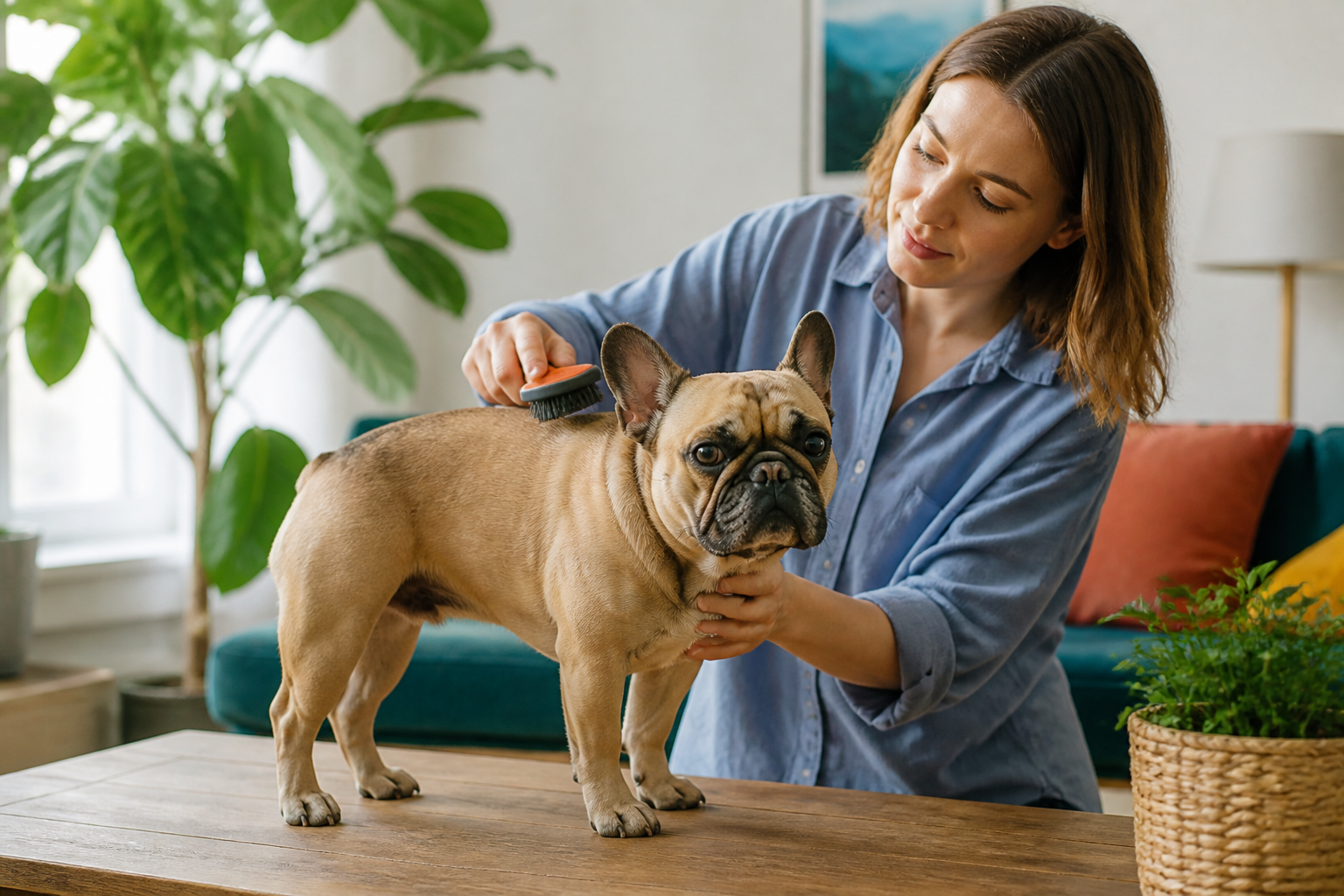
Many pet owners choose short-haired breeds like Boxers, Beagles, or Labradors because they expect less maintenance. You might find yourself surprised when your "low-maintenance" dog leaves a layer of fine, needle-like hair across your favorite black sweater or the living room rug. Even though their fur is short, these dogs still shed and require regular attention to keep their skin healthy. At BaxterBoo, we have spent years helping pet parents understand that grooming is about much more than just managing the length of a coat. This guide covers why brushing short-haired dogs is a necessity, the specific tools that work best for their skin, and how a consistent routine prevents common health issues. Brushing your short-haired dog is a vital part of their overall wellness plan.
Quick Answer: Yes, you should brush short-haired dogs at least once or twice a week. This process removes loose fur and dead skin cells while spreading natural oils that keep the coat shiny and healthy.
Why Brushing Is Necessary for Short Coats
It is a common misconception that only fluffy dogs need a brush. While you do not have to worry about painful mats or tangles, short-haired dogs have their own unique needs. Their fur grows and dies in cycles just like any other breed. When those short hairs die, they often get trapped against the skin or fall out onto your furniture. Regular brushing acts as a manual deshedding process. It catches the hair before it becomes a nuisance in your home.
Beyond hair management, brushing serves as a primary way to distribute skin oils. Dogs produce natural sebum to protect their skin and keep their fur waterproof. On a short-haired dog, these oils can sometimes pool near the skin or not reach the ends of the hair. Brushing moves these oils along the hair shaft. This gives your dog that healthy, glossy sheen that characterizes a well-cared-for pup.
Brushing is also your best opportunity for a DIY health check. When you run a brush over your dog, you feel the contours of their body. You are much more likely to notice a new lump, a hidden tick, or a patch of dry skin when you are grooming them. This early detection can be life-saving. It allows you to catch potential issues before they become serious medical problems.
Key Takeaway: Brushing short-haired dogs is primarily about skin health and oil distribution rather than preventing tangles. It keeps the coat shiny and serves as a weekly physical check-up.
The Best Tools for the Job
You cannot use the same brush on a Doberman that you would use on a Poodle. Short-haired dogs have very little padding between their fur and their skin. Using a stiff pin brush or a sharp slicker brush can actually cause "brush burn" or irritation. You need tools designed to grip short hair without scratching the sensitive skin underneath. Explore our dog grooming collection for brushes, combs, wipes, and other at-home care supplies.
Rubber Curry Brushes
The rubber curry brush is arguably the most important tool for any short-haired dog owner. Tools like the Kong ZoomGroom are made of soft, flexible rubber. The thick rubber nubs act like a magnet for loose hair. When you move the brush in a circular motion, it pulls dead fur to the surface and provides a deep tissue massage. This massage increases blood flow to the skin, which encourages healthy hair growth.
Soft Bristle Brushes
A bristle brush is perfect for the "finishing" stage of grooming. These brushes usually feature tightly packed synthetic or natural bristles. They are excellent for removing fine dust, dander, and loose hair that the curry brush might have missed. Because the bristles are soft, you can use them on sensitive areas like the legs and belly without causing discomfort. This is the tool that really brings out the shine in a smooth coat. Browse our dog brushes and combs to compare options for different coat types.
Grooming Gloves
If your dog is nervous about traditional brushes, grooming gloves are a fantastic alternative. These are wearable mitts with rubber nodules on the palms. You simply pet your dog as you normally would, and the glove traps the loose hair. This makes the grooming session feel like a bonding moment rather than a chore. It is especially effective for dogs with very thin coats, such as Greyhounds or Whippets.
Fine-Toothed Flea Combs
Even if you do not suspect a pest problem, a fine-toothed comb is useful for short-haired dogs. The teeth are close enough together to catch tiny debris and eggs that larger brushes might miss. It is also the best tool for grooming the fine hair on the face and around the ears.
Vet Tip: If you notice your dog has persistent flaky skin or "doggy odor" even after brushing, consult your veterinarian. They can determine if your pet needs a specialized medicated shampoo or a change in diet to support skin barrier health.
Step-by-Step Brushing Technique
How you brush is just as important as what you use. For short-haired dogs, the goal is to be thorough but gentle. Follow these steps to ensure a productive grooming session:
Step 1: Start with a rubber curry brush. / Move the brush in circular motions over the large muscle groups like the shoulders and thighs to loosen dead hair.
Step 2: Brush in the direction of hair growth. / After the circular massage, use long, sweeping strokes from the neck down to the tail to pull the loosened hair away.
Step 3: Switch to a bristle brush. / Use shorter strokes to sweep away the surface dander and distribute the skin oils across the entire coat.
Step 4: Wipe them down. / Finish by using a damp cloth or a grooming wipe to pick up any remaining stray hairs and give the coat a final polish.
Step 5: Check the "hidden" spots. / Gently look between the toes and under the armpits for any redness or parasites that might be hiding.
Bottom line: Start with circular motions to loosen hair and finish with long strokes to smooth the coat and add shine.
Managing Shedding and Skin Health
Brushing is your first line of defense, but sometimes short-haired dogs need extra support. Some breeds, like the Dalmatian or the Pug, are notorious "year-round" shedders. If you find that the amount of hair on your floor is still overwhelming, you may need to look at internal health.
Skin health starts from the inside. We often see pet owners find success by adding Omega-3 fatty acid supplements to their dog's diet. These fatty acids strengthen the hair follicle and reduce the inflammation that leads to excessive shedding. Our warehouse stocks a variety of supplements that support skin and coat health for every life stage. You can also read more about managing dog shedding and maintaining a healthy coat.
If your dog's shedding is accompanied by itching, redness, or hair loss, it could be a sign of allergies or a skin infection. In these cases, a regular brush is not enough. You should talk to your vet about prescription options. Our pet pharmacy offers a range of FDA-approved medications through our partnership with Pet's Choice. This includes prescription diets specifically formulated for skin sensitivities and medications to stop the itch. Having a pharmacy integrated into our service means you can get your grooming gear and your medical supplies in one place.
Brushing and Parasite Prevention
For short-haired dogs, brushing is an essential part of your flea and tick prevention strategy. Because the hair is short, it is much easier to see these pests, but they still find ways to hide. Ticks love to burrow into the neck area or near the base of the tail. During your weekly brushing session, you should be looking for "flea dirt," which looks like small specks of black pepper. See our flea and tick collection for combs, sprays, shampoos, and other prevention products.
Even with regular brushing, every dog needs a reliable preventative. We carry top brands like Frontline and NexGard to keep your pup protected. Explore our selection of Frontline products for available flea and tick control options. Our pharmacy can help you manage these preventatives through our Autoship programme. This ensures you never miss a dose. When you combine a consistent brushing routine with high-quality flea and tick protection, you create a strong shield for your pet's health. For additional guidance, read our guide to flea and tick prevention products.
- Brush at least twice a week during spring and fall.
- Check the ears and tail base for ticks after every walk.
- Use a flea comb once a week to monitor for pests.
- Keep a record of any new bumps or skin changes.
Key Takeaway: Use your grooming time as a dedicated window for parasite inspection and skin monitoring.
Making Grooming a Positive Experience
The best way to ensure you keep up with brushing is to make it something your dog enjoys. Many short-haired dogs have thin skin, so they are sensitive to pressure. If you are too rough, they will learn to hide when they see the brush.
Start by letting your dog sniff the brush. Give them a small treat just for being near it. When you begin brushing, start with the areas they love being scratched, like the chest or the base of the neck. Use light pressure and keep the first few sessions short. Over time, your dog will associate the brush with a relaxing massage and tasty rewards. For more grooming guidance, review these dog bathing and brushing tips.
For puppies, this socialization is critical. The earlier you start, the more "normal" the process becomes. Even if a puppy does not have much hair to lose, the act of being handled and brushed prepares them for a lifetime of easy grooming. We recommend incorporating grooming into your "calm time" in the evening. This helps the dog settle down and makes the process a peaceful bonding ritual for both of you.
The Role of Professional Grooming
Even if you are diligent with your home brushing, a professional grooming session every few months can be beneficial. Professional groomers have high-velocity dryers that can "blast" out the deep-seated dead hair that a manual brush might miss. They also handle tasks that many owners find difficult, such as nail trimming and ear cleaning.
However, the bulk of the work happens at home. A professional visit once every three months cannot make up for a lack of weekly brushing. By maintaining a routine, you keep your dog comfortable between professional visits. You also save money by preventing skin issues that might require expensive veterinary treatments.
If you are an MVP Rewards member at BaxterBoo, you can earn points on every grooming tool and supplement you purchase. This makes it easier to keep your home grooming kit fully stocked with the best supplies. Learn more about the MVP Rewards programme and its available benefits. Whether you need a new rubber curry brush or a specialized skin-support kibble, we are here to help you find the right fit for your dog's specific needs.
Bottom line: Home brushing is the foundation of coat health, while professional grooming provides a deep clean and handles the "tough" jobs.
FAQ
Do short-haired dogs really need to be brushed?
Yes, they do. While they don't get tangles, they still shed dead fur and skin cells that can cause irritation if left on the body. Brushing also spreads natural oils that are essential for a healthy, shiny coat and allows you to check for skin issues.
What is the best type of brush for a dog with very short hair?
A rubber curry brush or a soft bristle brush is best for short-haired breeds. The rubber teeth attract loose hair and massage the skin without causing scratches. Bristle brushes are perfect for removing surface dander and adding a finishing shine to the fur.
How often should I brush my short-haired dog?
A general rule is to brush them once or twice a week. If your dog is a heavy shedder or if it is peak shedding season in the spring or fall, you may want to increase this to three or four times a week to keep the hair in your home under control.
Can brushing help my dog's dry skin?
Brushing can help by stimulating the skin and spreading natural protective oils. However, if your dog has very flaky or red skin, brushing alone may not be the cure. You should consult your vet to see if there is an underlying allergy or if a supplement is needed.






