
 Save 15% on your 1st Autoship learn more

 Email us
 Live Chat
 FAQs
FAQs





Introduction
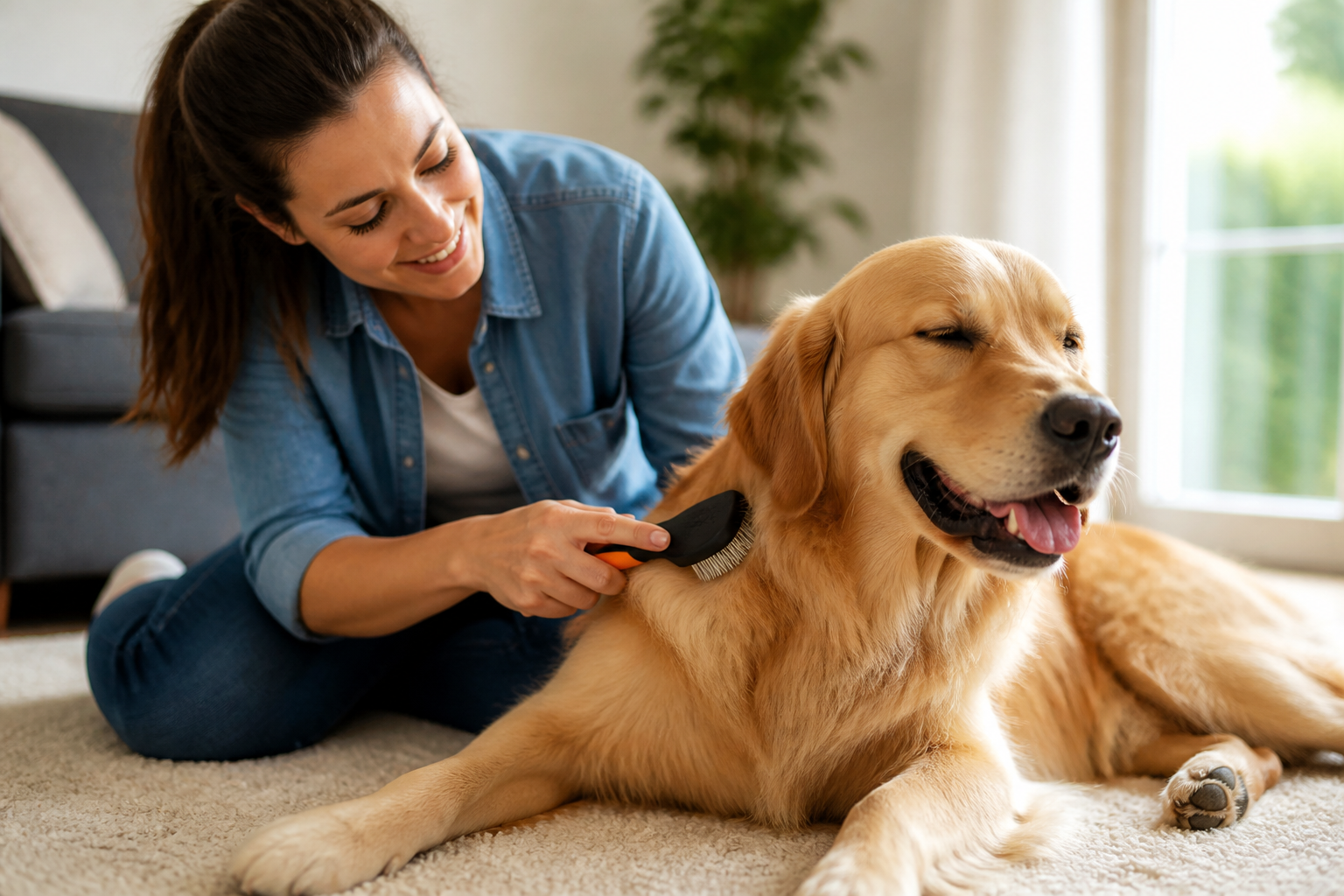
You are trying to relax on the sofa when you hear the familiar sound of a leg thumping against the floor. Your dog is scratching again. Maybe they are nibbling at their paws or rubbing their face against the rug. Watching your pet deal with constant irritation is stressful for both of you. At BaxterBoo, we know that skin health is one of the top concerns for pet owners. We have spent years helping people find the right tools to keep their dogs comfortable. Brushing is often the first line of defense against common skin irritants. It is a simple task that can provide immediate relief for mild cases. This guide covers how brushing impacts skin health and when you should seek professional medical help. Brushing is a powerful tool for maintaining a healthy, itch-free coat.
Quick Answer: Brushing helps relieve itching by removing external allergens like pollen and dust while distributing natural oils that moisturize the skin. It serves as a physical way to clear away debris that causes irritation before it leads to a secondary infection.
How Brushing Provides Itch Relief
Brushing does more than just make your dog look tidy. It serves several mechanical purposes that directly impact how itchy a dog feels. When your dog goes outside, their fur acts like a magnet for environmental triggers. Pollen, dust, mold spores, and grass particles get trapped deep in the coat. If these stay against the skin, they cause a reaction that leads to scratching.
Brushing physically lifts these particles away from the skin. It acts as a dry cleaning method for the fur. This is especially helpful during high pollen seasons in the spring and fall. By removing the trigger, you often stop the itch before it starts.
The process also stimulates the skin. This movement encourages blood flow to the surface. It helps the skin heal from minor irritations. Brushing also helps distribute sebum. Sebum is the natural oil produced by your dog's skin. It acts as a protective barrier. When a dog is not brushed regularly, these oils can build up at the base of the hair. This leaves the tips of the fur dry and the skin prone to flaking.
Key Takeaway: Regular brushing removes environmental allergens and spreads natural oils that protect the skin from drying out.
Managing Environmental Allergies
Many dogs suffer from atopic dermatitis. This is a chronic skin disease associated with allergies. Unlike humans who might get watery eyes or a runny nose, dogs usually show allergy symptoms through their skin. Their bodies release histamine into the skin, which creates an intense urge to scratch.
If your dog is allergic to grass or pollen, a quick brush after a walk can make a huge difference. You are removing the source of the problem. For dogs with heavy undercoats, allergens can get trapped for days or even weeks. This creates a constant cycle of irritation.
Wiping Down Paws and Belly
In addition to brushing, you can use grooming wipes or a damp cloth. Focus on the paws and the belly. These areas have the most contact with the ground. By combining a quick wipe with a thorough brushing, you significantly reduce the allergen load on your pet. This simple routine can often reduce the need for medicated shampoos or oral antihistamines for mild seasonal issues. For additional paw-care guidance, read our guide to healthy dog paw pads.
Identifying the Cause of the Itch
Brushing helps with many types of itching, but it is not a cure-all. You need to know what you are fighting. If the itch is caused by a dirty coat or dry skin, brushing is excellent. However, other issues require more intensive care.
- Parasites: Fleas and ticks are a leading cause of pruritus, the medical term for itchy skin. Even one flea bite can cause an allergic reaction in some dogs.
- Food Allergies: If your dog is itching their "ears and rears," they might have a nutritional allergy. This usually requires a change in diet rather than a new brush.
- Infections: Yeast and bacteria love warm, moist skin. If your dog has a foul odor or greasy skin, they may have an infection.
- Mange: Mites that burrow into the skin cause intense discomfort and hair loss.
Vet Tip: If you notice red bumps, open sores, or a strong odor coming from your dog's skin, consult your veterinarian immediately. These are signs of a medical issue that brushing cannot fix and may actually irritate further.
The Importance of Using the Right Tools
Not all brushes are created equal. Using the wrong tool can actually cause more itching. This is often called "brush burn." It happens when a brush is too abrasive or used with too much pressure. At BaxterBoo, we carry a wide range of brushes designed for specific coat types. Explore our dog brushes and combs to compare options for different coats.
Slicker Brushes
These have fine wire bristles. They are excellent for removing loose hair and tangles in medium to long-haired dogs. They are great for lifting dander and dust away from the skin. Use a gentle touch to avoid scratching the skin surface.
Bristle Brushes
These are best for short-haired or smooth-coated dogs. They are very effective at distributing natural oils. A soft bristle brush feels like a massage to most dogs. This can help calm a dog who is feeling anxious from their itchy skin.
Silicone or Rubber Brushes
Tools like the Kong ZoomGroom are perfect for dogs with sensitive skin. The rubber fingers grab loose hair while gently massaging the skin. This stimulates oil production without the risk of scratching the skin.
De-shedding Tools
These tools go deep into the undercoat. They are essential for breeds like Huskies or Golden Retrievers. By removing the dead undercoat, you allow the skin to "breathe." Trapped heat and moisture under a thick coat often lead to hot spots and yeast growth.
Bottom line: Matching the brush to your dog's coat type prevents skin trauma while maximizing the removal of irritants.
When Brushing Reveals a Need for the Pharmacy
While you brush your dog, you are also performing a health check. This is the best time to look for signs of trouble. You might see small black specks that look like pepper. This is "flea dirt" and a clear sign of an infestation. For parasite-prevention products, browse our flea and tick collection.
Our pharmacy at BaxterBoo offers FDA-approved medications and preventatives through our partnership with Pet's Choice. If your brushing routine reveals fleas, you will need a reliable treatment. We carry brands like Frontline and NexGard that require a prescription from your vet.
If the itching is severe, your vet might prescribe an anti-itch medication or a medicated shampoo. These products are designed to stop the cycle of scratching. This allows the skin to heal. Having access to a full pharmacy means you can get your pet's prescription food and medications delivered right to your door. This is especially helpful for managing chronic conditions like flea allergy dermatitis or environmental sensitivities.
Step-by-Step Brushing Routine for Relief
If your dog is currently itchy, follow these steps to provide the most comfort.
Step 1: Inspect the skin. Gently part the hair and look for redness, sores, or parasites. If the skin is raw, do not brush that specific area.
Step 2: Choose a calm environment. Itching makes dogs restless. Find a quiet spot and use a calming treat to keep them still. This prevents accidental scratches from the grooming tools.
Step 3: Brush in the direction of hair growth. Start at the head and move toward the tail. Use short, gentle strokes. Avoid staying in one spot for too long to prevent irritation.
Step 4: Check the brush frequently. Remove the hair and debris from the brush often. This ensures you are not just moving allergens around but actually removing them.
Step 5: Finish with a skin-soothing spray. If the skin is dry, follow up with a conditioning spray containing oatmeal or aloe. This locks in the natural oils you just distributed.
Brushing and Bathing: Finding the Balance
Brushing and bathing work together to manage skin health. However, many owners make the mistake of over-bathing. If you wash your dog too often, you strip away the protective oils. This leads to dry, flaky skin that itches even more. For more bath-time guidance, see our tips for bathing your dog.
Brushing is a safer way to keep your dog clean between baths. It removes the dirt without the drying effects of soap and water. When you do bathe your dog, use a gentle formula. Brands like Earthbath or Douxo S3 offer options for sensitive skin.
- Always brush your dog before a bath to remove mats.
- Mats hold onto water and soap residue, which causes skin rot and irritation.
- Ensure you rinse your dog thoroughly. Soap residue is a major cause of post-grooming itching.
Dietary Support for Itchy Skin
What goes into your dog's body is just as important as what you do to their coat. Healthy skin starts from the inside. If the skin is not getting the right nutrients, it becomes weak and prone to inflammation. Brushing will be more effective if the skin is already healthy.
Omega-3 and Omega-6 fatty acids are vital for skin health. They help reduce inflammation and keep the skin barrier strong. Many owners find success adding a supplement like Zesty Paws or Honest Paws to their dog's routine. We also carry premium foods like Farmina and Royal Canin that are formulated for skin sensitivities. You can explore our skin and coat health products for additional grooming and care options.
If your dog has a confirmed food allergy, your vet may recommend a prescription diet. Our pharmacy handles these orders through Pet's Choice. These diets use hydrolyzed proteins that the immune system does not recognize as a threat. This stops the allergic reaction at the source.
Key Takeaway: Combining internal support through nutrition with external care through brushing provides a comprehensive approach to itch management.
Preventing Future Itch Cycles
Consistency is the most important factor in preventing itchy skin. A dog that is brushed once a week is much less likely to develop severe skin issues than one that is groomed only once a month.
- Set a schedule: Brush short-haired dogs twice a week and long-haired dogs daily.
- Maintain parasite control: Use preventatives year-round to avoid flea-related itching.
- Monitor the environment: Be aware of high pollen counts or freshly treated lawns.
- Keep bedding clean: Wash your dog's bed in fragrance-free detergent to remove trapped allergens.
Regular maintenance helps you catch problems early. It is much easier to treat a small patch of dry skin than a full-body staph infection. Your brushing sessions are an investment in your dog's long-term comfort.
The BaxterBoo Difference in Pet Care
We have been operating since 2006, and our team has seen every type of skin issue imaginable. We do not just sell products; we curate a selection of over 500 brands that we trust for our own pets. Whether you need a specific slicker brush or a prescription diet, we aim to provide value without compromise.
Our MVP Rewards program allows you to earn back on every purchase. This makes it easier to stay stocked on the grooming supplies and supplements your dog needs. For items you use every month, like flea preventatives or food, our Autoship programme offers extra savings. This ensures you never run out of the essentials that keep your dog's skin healthy.
We pride ourselves on being more than just an online store. We are a real warehouse superstore located in Vernon Hills, Illinois. Our goal is to provide trustworthy guidance to help you navigate the often-confusing world of pet health. When your dog is itching, you want answers that work. Brushing is a practical, low-cost way to make a significant impact on their quality of life.
Conclusion
Brushing your dog is a simple but vital part of managing itchy skin. It removes environmental triggers, distributes natural oils, and allows you to monitor for more serious health issues. While it cannot cure infections or food allergies, it is a primary tool for comfort and cleanliness.
- Brush regularly to remove pollen and dust.
- Use the correct tool for your dog's coat type to avoid irritation.
- Check for parasites during every grooming session.
- Consult a vet if you see signs of infection or severe hair loss.
The next step is to evaluate your grooming kit. Make sure you have a high-quality brush and a soothing conditioning spray. If the itching persists, visit our pharmacy section to learn more about how we can help with prescription medications and diets through our partnership with Pet's Choice.
FAQ
Can I brush my dog too much if they are already itchy?
Yes, over-brushing can lead to skin irritation known as brush burn. If you use a brush with stiff bristles or apply too much pressure, you can create micro-scratches on the skin. Always use a gentle hand and stop if the skin looks redder after your grooming session.
Does brushing help with seasonal allergies in dogs?
Brushing is very effective for seasonal allergies because it physically removes pollen and mold spores from the fur. These allergens often sit on the coat and migrate down to the skin, causing a reaction. Brushing your dog after they spend time outdoors can significantly reduce their allergen load.
What is the best type of brush for a dog with very sensitive, itchy skin?
A rubber or silicone brush is usually the best choice for sensitive skin. These tools do not have sharp metal edges that can scratch the skin. They provide a massaging sensation that stimulates oil production without causing the pain that a wire slicker brush might cause on inflamed skin.
When should I stop brushing and go to the veterinarian?
You should see a vet if your dog has open sores, crusting skin, a foul odor, or patches of total hair loss. Brushing will not fix a bacterial or fungal infection and could make an active infection more painful. If your dog's itching is so intense that they cannot sleep or play, they need a medical diagnosis and potentially prescription medication from a pharmacy.






