
 Save 15% on your 1st Autoship learn more

 Email us
 Live Chat
 FAQs
FAQs





Introduction
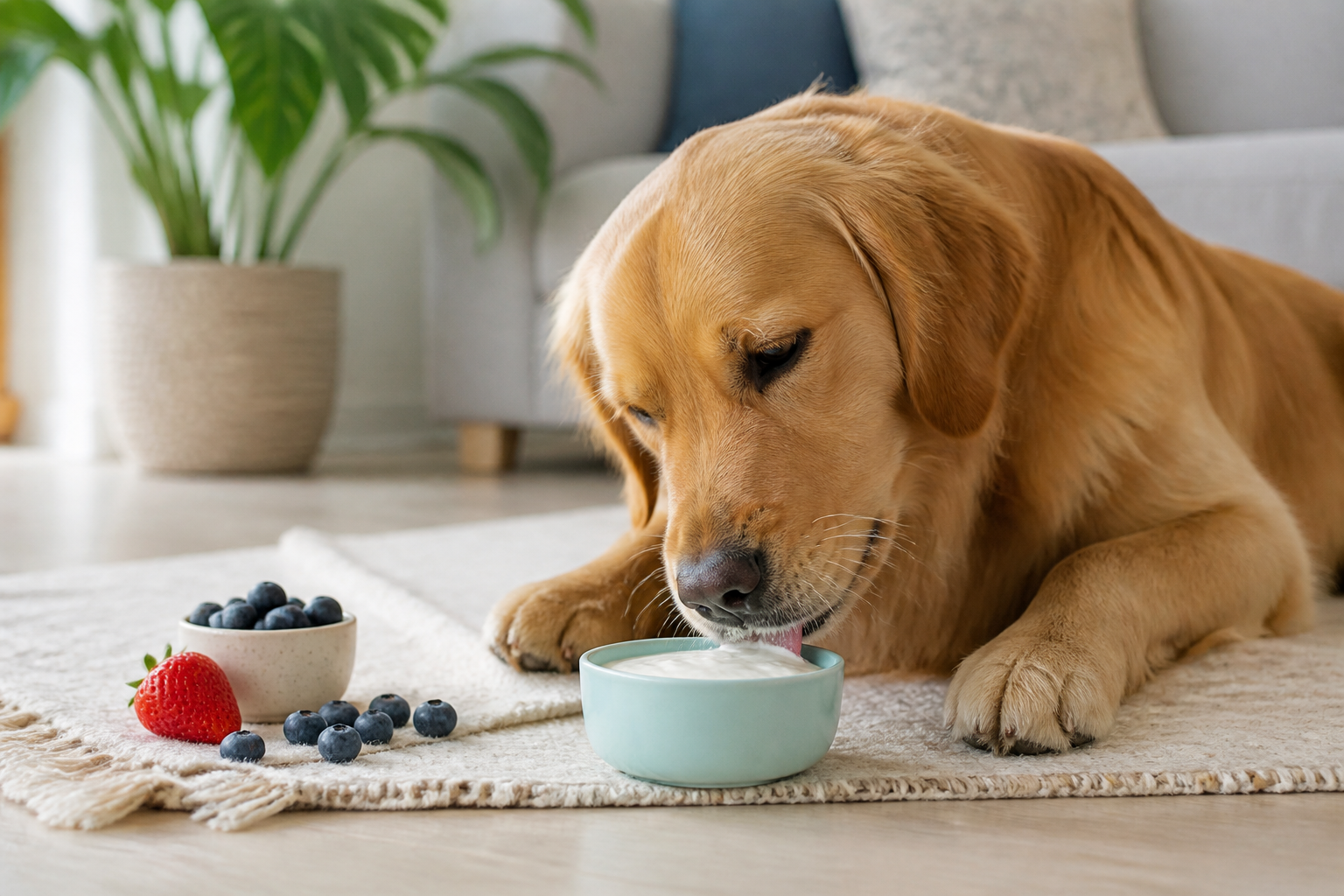
You are standing at the kitchen counter enjoying a bowl of Greek yogurt when your dog sits at your feet, giving you those unmistakable puppy dog eyes. You might wonder if sharing a spoonful could do more than just provide a tasty treat. Many pet owners have heard that the probiotics and enzymes in dairy products can help with bad breath or even keep teeth sparkly. At BaxterBoo, we know that maintaining a healthy mouth is a huge part of your dog's overall wellness. This post explores whether yogurt actually cleans a dog's teeth, how the probiotics work in their mouth, and the best ways to serve it safely. While yogurt offers some unique biological benefits for oral health, it works very differently than a toothbrush or a dental chew.
Quick Answer: Yogurt does not mechanically "scrub" teeth like a toothbrush or a crunchy carrot. However, the probiotics in plain yogurt can help crowd out harmful bacteria that cause plaque, while the calcium supports strong tooth enamel.
How Yogurt Impacts Canine Dental Health
When we think about cleaning teeth, we usually think about friction. Brushing moves a physical object across the enamel to scrape away plaque. Yogurt cannot do this because it is soft and liquid. Instead, yogurt works on a biological level. It changes the environment inside the mouth.
The primary benefit comes from live and active cultures. These beneficial bacteria, often called probiotics, compete with the harmful bacteria that naturally live in a dog's mouth. When the "good" bacteria take up space, there is less room for the "bad" bacteria that create film and plaque. This can lead to a reduction in the rate at which tartar builds up on the teeth.
Calcium is another major factor. High-quality yogurt is a significant source of calcium and phosphorus. These minerals are essential for maintaining bone density and strong enamel. While adding yogurt to the diet won't fix a cavity that already exists, it can help reinforce the strength of the teeth from the inside out.
Finally, some researchers suggest that enzymes in fermented dairy products may help break down the sticky biofilm that plaque uses to adhere to the teeth. By weakening this bond, it becomes easier for other methods, like chewing or brushing, to remove the debris.
Key Takeaway: Yogurt is a biological tool for dental health rather than a mechanical one. It improves the oral microbiome and provides essential minerals for tooth strength.
Choosing the Right Type of Yogurt
Not all yogurt is created equal when it comes to your dog. In fact, some varieties found in the grocery store can be incredibly dangerous. You must always read the ingredient label before letting your pup have a taste.
Plain, unsweetened Greek yogurt is almost always the superior choice for dogs. Greek yogurt undergoes a straining process that removes much of the whey and lactose. Since many dogs are lactose intolerant, this makes it much easier on their digestive systems. It also contains higher levels of protein and lower levels of sugar compared to regular yogurt.
You must strictly avoid any yogurt that contains sweeteners. This includes honey, maple syrup, or cane sugar. High sugar intake leads to weight gain and can actually feed the harmful bacteria in the mouth, which defeats the purpose of using it for dental health.
The most critical ingredient to watch for is xylitol. This is an artificial sweetener often found in low-fat or sugar-free products. Xylitol is highly toxic to dogs. Even a small amount can cause a life-threatening drop in blood sugar or liver failure. If you see "birch sugar" or "xylitol" on the label, keep it far away from your pet.
Yogurt Selection Checklist
- Look for "live and active cultures" on the label.
- Ensure it is plain and unsweetened.
- Confirm there is no xylitol or birch sugar.
- Opt for low-fat or fat-free versions to prevent pancreatitis.
- Choose Greek yogurt for lower lactose content.
The Role of Probiotics in the Mouth
The mouth is the beginning of the digestive tract. It has its own complex ecosystem of microbes. When a dog develops bad breath, it is often because of an overgrowth of specific bacteria that produce sulfur compounds. These bacteria hide in the crevices of the gums and between the teeth.
By introducing the probiotics found in yogurt, you are performing a sort of "crowd control." Strains like Lactobacillus acidophilus can help neutralize the pH levels in the mouth. A more balanced pH makes it harder for plaque-forming bacteria to survive. This is why many owners notice that their dog's breath smells significantly better after they start adding a small amount of yogurt to their meals.
However, probiotics are not a permanent fix. They need to be introduced regularly to maintain their presence in the oral microbiome. This is why a small, consistent serving is more effective than a large, occasional treat.
Vet Tip: If your dog has persistent, foul-smelling breath despite good oral care, it may indicate underlying gum disease or a systemic health issue. Consult your veterinarian for a professional dental exam to rule out infections or decaying teeth.
Limitations of Yogurt for Cleaning Teeth
It is important to manage expectations. If you stop brushing your dog's teeth and rely solely on yogurt, you will likely see a decline in their oral health. Yogurt is a supplement, not a replacement.
Because yogurt is a soft food, it does not provide any mechanical scraping. Plaque begins to harden into tartar within 24 to 48 hours. Once it becomes tartar, or calculus, it is like concrete on the teeth. No amount of yogurt or probiotics can remove hardened tartar. Only a professional veterinary cleaning under anesthesia can safely remove those deposits.
Wet foods, including yogurt, can also occasionally get stuck in the small gaps between a dog's teeth. If a dog has crowded teeth, as many small breeds like Yorkies or Chihuahuas do, the natural sugars in the dairy could potentially contribute to buildup if not rinsed away by water or cleared by a chew toy.
For additional warning signs, read about common signs of bad teeth in dogs.
Comparing Yogurt to Other Natural Dental Aids
Yogurt is just one piece of the puzzle. To get the best results, many owners combine it with other natural foods that provide the mechanical cleaning that yogurt lacks.
| Food Item | Primary Benefit | Cleaning Method |
|---|---|---|
| Yogurt | Probiotics & Calcium | Biological (Bacteria Control) |
| Raw Carrots | Vitamins & Fiber | Mechanical (Scrubbing) |
| Apple Slices | Malic Acid & Fiber | Chemical & Mechanical |
| Raw Bones | Minerals & High Friction | Intense Mechanical Scraping |
| Coconut Oil | Antimicrobial Properties | Chemical (Bacteria Control) |
Raw carrots act like a natural toothbrush. The crunching action helps move plaque off the surface of the enamel. Apples contain malic acid, which can help brighten teeth and stimulate saliva production. Saliva is the mouth's natural cleaning agent. Using yogurt alongside these crunchy options provides a well-rounded approach to home dental care.
How to Safely Introduce Yogurt to Your Dog
If your dog has never had yogurt before, you should start slowly. Even though Greek yogurt is lower in lactose, some dogs are still very sensitive to dairy. Sudden changes in diet can lead to an upset stomach.
Step 1: Buy plain, fat-free Greek yogurt with no additives. Ensure it is at room temperature or slightly chilled, not frozen, for the first taste.
Step 2: Offer a very small amount. For a medium-sized dog, a single teaspoon is enough for a trial run.
Step 3: Monitor your dog for the next 24 hours. Look for signs of gas, bloating, or loose stools. If they show any discomfort, they may be lactose intolerant and should not have dairy.
Step 4: Gradually increase the amount. Once you know they handle it well, you can move toward a daily serving based on their size.
Step 5: Mix it into their food or use it as a topper. This ensures the yogurt spends time in the mouth where the probiotics can work.
Serving Sizes by Dog Weight
Moderation is the golden rule for any treat. Even healthy additions should not make up more than 10 percent of your dog's total daily calorie intake.
- Extra-small dogs (under 10 lbs): 1/2 teaspoon daily.
- Small dogs (11 to 20 lbs): 1 teaspoon daily.
- Medium dogs (21 to 50 lbs): 1 tablespoon daily.
- Large dogs (51 to 90 lbs): 2 tablespoons daily.
- Extra-large dogs (over 90 lbs): 3 tablespoons daily.
Excessive yogurt can lead to weight gain because of the calorie density. It can also cause an imbalance in the nutrients your dog gets from their primary kibble. We always recommend sticking to these smaller amounts to keep your pet lean and healthy.
Bottom line: Start with a tiny amount of plain Greek yogurt and never exceed a few tablespoons daily to avoid digestive upset and weight gain.
Other Natural Remedies for Fresh Breath
If your dog cannot handle dairy, there are other kitchen staples that can help freshen breath and support oral health. Some herbs are naturally antibacterial. Parsley and dill are two popular options. You can finely chop fresh parsley and sprinkle it over your dog's food. It is rich in chlorophyll, which helps neutralize odors.
Dill is known for its ability to help combat the bacteria that lead to gingivitis. Similarly, a small amount of peppermint oil (specifically formulated for pets) or ginger tea can settle the stomach and improve the smell of the mouth.
Some owners also use coconut oil. It contains lauric acid, which has anti-inflammatory and antimicrobial properties. You can rub a small amount of coconut oil directly onto your dog's gums or let them lick it off a spoon. This can help reduce redness and inflammation in the gum line.
Professional Care and Prescription Diets
While home remedies are excellent for maintenance, they cannot cure dental disease. Periodontal disease is one of the most common health issues in adult dogs. It can lead to tooth loss, pain, and even infections that spread to the heart and kidneys.
Our dog pharmacy provides access to specialized dental health products through our partnership with Pet's Choice. If your veterinarian notices significant plaque or gum recession, they might prescribe a specific dental diet. These diets are formulated with larger, fibrous kibble pieces that do not crumble immediately. Instead, the tooth sinks into the kibble, allowing the edges to scrub the entire surface of the tooth.
Vet Tip: Always schedule a professional dental cleaning if you notice your dog has bleeding gums, difficulty chewing, or a loose tooth. These are signs of advanced dental issues that food alone cannot fix.
Building a Total Dental Routine
The best way to keep your dog's mouth healthy is to use a combination of methods. Think of it as a multi-layered defense system.
- Daily Brushing: This remains the gold standard. Use a dog-specific toothpaste with flavors like chicken or peanut butter. Never use human toothpaste.
- Dental Chews: Products like Greenies or molded dental toys provide daily mechanical cleaning. These are great for reaching the back molars.
- Probiotic Support: A daily spoonful of plain Greek yogurt or a specialized pet probiotic powder supports the oral microbiome.
- Healthy Diet: Avoid starchy foods that stick to the teeth. Look for high-quality proteins and healthy fats.
- Regular Exams: Visit the vet at least once a year for a wellness check that includes a thorough look at the teeth and gums.
By combining these steps, you provide your dog with the best chance of keeping their teeth into their senior years. We carry a wide variety of these tools, from toothbrushes to dental treats, to help make this routine easier for you.
Read more pet dental care tips to help build a consistent brushing and cleaning routine.
The Greenies collection includes dental chews and other pet products that can complement a regular oral-care routine.
Understanding the Risks of High-Fat Dairy
One concern with adding dairy to a dog's diet is the risk of pancreatitis. This is a painful inflammation of the pancreas that can be triggered by high-fat foods. Some breeds, like Schnauzers, are more prone to this condition than others.
When choosing a yogurt, always look for low-fat or non-fat options. Full-fat European style yogurts may be delicious, but the high fat content can be dangerous if fed regularly. If your dog has a history of digestive issues or has been diagnosed with pancreatitis in the past, you should avoid yogurt entirely and look for non-dairy probiotic supplements instead.
Key Takeaway: Always prioritize low-fat or fat-free yogurt to protect your dog's pancreas, especially if they are a breed prone to digestive sensitivity.
Signs of Dental Trouble to Watch For
Even with the best yogurt and brushing routine, problems can arise. It is important to know when the situation has moved beyond home care. Keep an eye out for these red flags during your dog's daily interactions.
- Dropping food: If a dog suddenly starts dropping kibble or won't eat hard treats, their mouth may be painful.
- Excessive drooling: New or increased drooling can signal an oral infection or a broken tooth.
- Facial swelling: Swelling under the eye or along the jawline often indicates a tooth root abscess.
- Discolored gums: Healthy gums should be bubblegum pink. Red, purple, or bleeding gums are a sign of gingivitis.
- One-sided chewing: If your dog only chews on one side of their mouth, they are likely avoiding a painful area on the other side.
If you notice any of these signs, it is time to make an appointment with your vet. Catching dental problems early can save your dog from significant pain and save you from much more expensive surgery later.
Conclusion
Yogurt is a wonderful, budget-friendly addition to your dog's wellness routine. While it does not physically clean the teeth, its biological benefits are undeniable. By providing probiotics that balance the oral microbiome and calcium that strengthens enamel, plain Greek yogurt helps maintain a healthier mouth. We believe that a proactive approach to dental care leads to a longer, happier life for your pet. At BaxterBoo, we offer a range of dental health supplies and a fully stocked pharmacy for your more advanced needs. Whether you are looking for a new toothbrush, a bag of dental chews, or a prescription diet, we are here to support your journey as a pet parent.
- Share only plain, unsweetened Greek yogurt.
- Verify the ingredients are free of xylitol and birch sugar.
- Use yogurt as a probiotic supplement, not a replacement for brushing.
- Monitor your dog for signs of lactose intolerance or weight gain.
Explore our dog dental and breath-care products for toothbrushes, dental treats, and other oral-care supplies.
Bottom line: Yogurt is a supportive tool for dental health, but it must be paired with mechanical cleaning and regular veterinary check-ups for the best results.
FAQ
Does yogurt really help with dog breath?
Yes, the probiotics in yogurt help neutralize the bacteria in the mouth that produce foul-smelling sulfur compounds. By balancing the oral microbiome, yogurt can make a noticeable difference in the freshness of your dog's breath within a few weeks of consistent use. However, it will not mask the smell of an infected tooth or deep gum disease.
Is Greek yogurt or regular yogurt better for dogs?
Greek yogurt is generally the better choice because it contains less lactose and more protein. The straining process used to make Greek yogurt removes much of the sugar that can cause digestive upset or feed oral bacteria. Always ensure the Greek yogurt is plain and does not contain added thickeners or sweeteners.
Can I use yogurt instead of brushing my dog's teeth?
No, yogurt cannot replace the physical action of brushing. It lacks the abrasive texture needed to remove plaque and debris from the surface of the teeth. Think of yogurt as a "probiotic mouthwash" for dogs; it helps with the environment of the mouth, but brushing is still required to remove the actual buildup.
What should I do if my dog gets diarrhea from yogurt?
If your dog experiences loose stools or gas after eating yogurt, they likely have a lactose sensitivity. You should stop feeding all dairy products immediately. Most cases of mild digestive upset will resolve on their own within 24 hours. If the symptoms persist or your dog becomes lethargic, contact your veterinarian for advice on a bland diet or supportive care.






