Save 15% on your 1st Autoship learn more

 Email us
 Live Chat
 FAQs
FAQs





Introduction
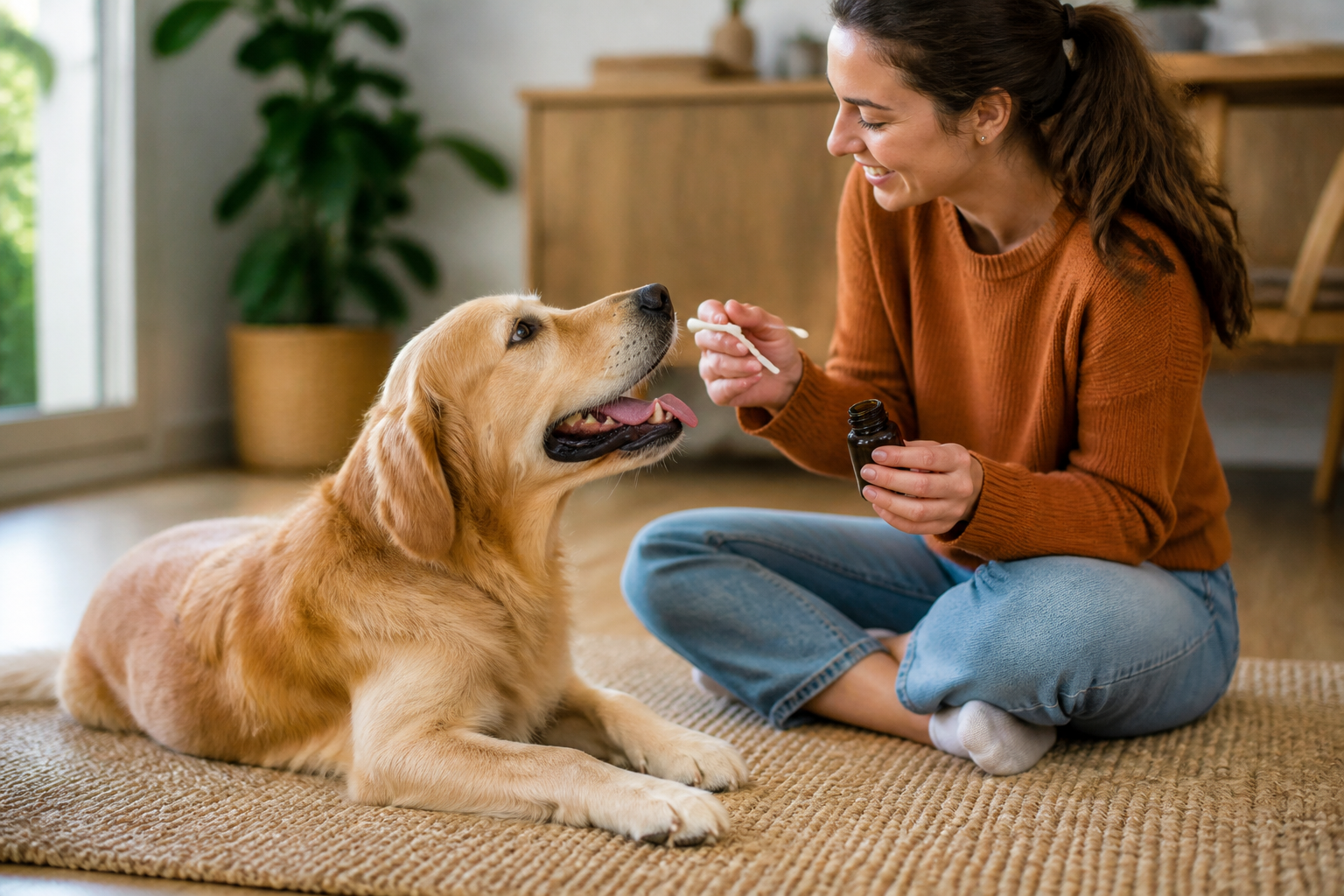
Your dog is licking their paws again. You notice a faint smell like corn chips or old socks. Their skin looks red and irritated in the folds of their neck or under their arms. This constant scratching and licking is frustrating for both you and your pet. At BaxterBoo, we hear from owners every day who are searching for a way to break this cycle of discomfort. While medicated shampoos help the surface, the real solution often starts deep inside the digestive system. This post covers how probiotics support the gut-skin axis to help manage itching and fungal flare-ups. We will look at specific strains and lifestyle changes that help your dog find relief. By balancing the microbiome, you can provide your pet with the internal tools they need for healthier, less reactive skin.
Understanding Yeast Overgrowth in Dogs
Yeast is not a foreign invader that your dog catches from the park. It is a natural part of the microscopic world living on your dog’s skin and inside their ears. Specifically, a fungus called Malassezia pachydermatis is a normal resident. In a healthy dog, the immune system and beneficial bacteria keep this yeast in check. It stays at low levels and causes no trouble.
Problems begin when the environment on the skin changes. When the immune system is busy fighting allergies or the skin barrier is weak, yeast sees an opportunity. It begins to multiply rapidly. This shift from a quiet resident to an overactive colony is what causes the itching, redness, and distinct odor pet owners recognize.
Quick Answer: Probiotics do not directly kill yeast on the skin. They work by supporting the immune system and balancing the gut microbiome to reduce the inflammation that allows yeast to thrive.
The Signs of a Yeasty Dog
You might see your dog shaking their head frequently. You might notice them chewing at their paws until the fur turns a rusty brown color. Yeast loves warm, moist places. This is why you often find the worst irritation in the ears, between the toes, and in skin folds.
Common symptoms include:
- A musty, pungent odor.
- Greasy or oily fur.
- Thickened skin that looks like elephant hide.
- Redness and intense itching.
- Waxy, dark discharge in the ears.
If your dog has these symptoms, it is important to find the root cause. Yeast overgrowth is usually a secondary issue. This means something else is making the skin vulnerable. The most common culprit is allergies. Whether it is a reaction to food or something in the air like pollen, allergies create the perfect environment for yeast to bloom. For additional paw-care guidance, read our guide to healthy dog paw pads.
How the Gut Affects the Skin
It might seem strange to give your dog a supplement for their stomach to fix an itch on their paw. However, science shows a powerful link called the gut-skin axis. About 70 percent of your dog’s immune system is located in the digestive tract. The bacteria living there help train the immune system to react correctly to triggers.
When the gut microbiome is out of balance, a condition called dysbiosis occurs. This can lead to systemic inflammation. When the body is inflamed, the skin barrier becomes weaker and more reactive. This allows yeast to take hold more easily. By introducing "good" bacteria through probiotics, you help restore balance to the gut. This, in turn, helps calm the immune system and supports a healthier skin barrier. You can explore our dog digestive health supplements when comparing probiotic options.
Key Takeaway: A healthy gut microbiome acts as the training ground for the immune system, helping it manage the inflammation that leads to skin issues.
The Role of Antibiotics in Yeast Cycles
Many dogs end up with yeast issues after a round of antibiotics. Antibiotics are life-saving tools for bacterial infections, but they are not selective. They kill off the harmful bacteria and the beneficial bacteria at the same time.
When the beneficial bacteria in the gut and on the skin are reduced, yeast has no competition. It is common to see a "yeast bloom" immediately following a course of medication. This is a primary reason why we suggest adding a probiotic to your dog’s routine during and after antibiotic use.
Step 1: Consult your vet. / Always check with your veterinarian before adding supplements if your dog is on other medications. Step 2: Space the doses. / Give the probiotic a few hours before or after the antibiotic to ensure the live cultures survive. Step 3: Continue after the prescription. / Keep giving the probiotic for several weeks after the antibiotics are finished to help the microbiome recover.
Choosing the Right Probiotic Strains
Not all probiotics are created equal. Some are designed for humans, while others are specifically formulated for the canine digestive system. Since dogs have different pH levels and internal environments than people, dog-specific products are the most effective.
Look for these specific strains that show promise for skin and immune support:
- Lactobacillus acidophilus: Helps support the intestinal lining and may reduce allergy symptoms.
- Bifidobacterium animalis: Known for supporting digestive health and immune function.
- Lactobacillus rhamnosus: This strain has been studied for its ability to reduce signs of atopic dermatitis in dogs.
- Saccharomyces boulardii: This is actually a beneficial yeast that helps fight off harmful pathogens and supports the gut during antibiotic use.
We carry a wide variety of these supplements at our warehouse in Vernon Hills. Our team handpicks brands like Zesty Paws, Honest Paws, and NutriSource because they provide transparent ingredient lists and guaranteed live cultures. You can browse our probiotic collection for dog-specific formulas.
The Importance of Prebiotics
Probiotics are live bacteria, but they need food to thrive. These food sources are called prebiotics. They are usually specific types of fiber that the dog cannot digest, but the "good" bacteria love to eat. When you see ingredients like chicory root, inulin, or pumpkin, these are often serving as prebiotics.
Using a supplement that combines both is often the most effective route. This combination is sometimes called a synbiotic. It ensures that the beneficial bacteria you are introducing have the fuel they need to colonize the gut and do their job.
Vet Tip: If your dog has severe itching, broken skin, or ears that are painful to the touch, please see a veterinarian for a diagnosis. Probiotics are a support tool, but active infections often require medicated treatment to clear the initial flare-up.
Dietary Triggers and Yeast
What you put in the bowl matters as much as the supplements you add. Yeast loves sugar. While you might not be feeding your dog candy, many low-quality dog foods are high in simple starches and carbohydrates. These starches break down into sugars that can fuel yeast overgrowth.
If your dog is prone to yeast, look for foods that focus on high-quality proteins and low-glycemic carbohydrates. Some owners find success with limited-ingredient diets or grain-free options that avoid potatoes and peas.
For dogs with severe food allergies, a prescription diet might be necessary. Through our partnership with Pet's Choice, we offer our dog pharmacy where you can order prescription pet foods and medications. These specialized diets are designed to remove common allergens, giving your dog's skin a chance to heal while the probiotics work on the internal balance.
Managing the External Environment
While probiotics work from the inside out, you still need to manage the yeast on the surface. If you only treat the gut, the yeast already on the skin will continue to cause itching. A two-pronged approach is usually best.
- Keep skin dry: Yeast thrives in moisture. Dry your dog thoroughly after baths or rainy walks.
- Wipe the paws: If your dog licks their paws, they are adding moisture and sugar-rich saliva to the area. Use a gentle wipe after they come inside from the grass.
- Medicated baths: Use a shampoo containing antifungal ingredients like ketoconazole or chlorhexidine. This helps reduce the yeast population on the skin surface.
- Clean the ears: Regular ear cleanings with a vet-approved solution can prevent yeast from building up in the ear canal.
For topical products and grooming support, visit our dog skin and coat care collection.
Bottom line: Probiotics are most effective when used as part of a total care plan that includes topical cleaning and a proper diet.
What to Expect When Starting Probiotics
You will not see a change overnight. It takes time for the "good" bacteria to settle in and for the immune system to calm down. Most owners start to notice a difference in their dog’s stool quality within a few days. However, skin changes take longer.
The skin takes about 21 to 28 days to go through a full cycle of shedding and regrowth. You should commit to using a probiotic for at least four to six weeks before deciding if it is helping your dog's itching. During this time, keep a log of their itching levels and the smell of their coat. This helps you track progress that might be too slow to notice day-to-day.
The BaxterBoo Pharmacy and Prescription Care
Sometimes, a probiotic and a diet change are not enough to stop a severe infection. If your dog has "elephant skin" or ears that are swollen shut, they likely need prescription medication. This might include antifungal pills or medicated drops.
Our pharmacy at BaxterBoo provides a convenient way to get these FDA-approved medications. Because we partner with Pet's Choice, you can have your vet send a prescription directly to us. We can then ship your dog’s medication along with their favorite treats or toys. This hybrid model allows you to get professional-grade health products alongside your everyday pet supplies.
Avoiding Common Mistakes
One of the biggest mistakes owners make is using human probiotics for their dogs. While they are usually safe, they are often not effective. Human digestive tracts have a different acidity than dog digestive tracts. Many human probiotics will be destroyed by a dog’s strong stomach acid before they ever reach the intestines.
Another mistake is giving a probiotic with a hot meal. High heat can kill the live bacteria. If you are using a powder or liquid, add it to the food just before serving, and make sure the food is at room temperature. Finally, do not forget to check the expiration date. Probiotics are living organisms. If the product is past its prime, the bacteria may no longer be alive, making the supplement useless.
The Connection to Seasonal Allergies
If your dog only gets yeasty in the spring or fall, they likely have environmental allergies. When the skin reacts to pollen or mold, it becomes inflamed. This inflammation causes the skin to produce more oil. Yeast feeds on these oils.
In these cases, probiotics can be started a few weeks before the "itchy season" begins. This helps prime the immune system before the allergens hit. Supporting the gut-skin axis early can sometimes prevent the massive flare-ups that lead to vet visits and expensive treatments. For allergy-focused products, see our dog allergy care selection.
Key Takeaway: Using probiotics as a preventative measure before allergy season can help reduce the severity of seasonal yeast flare-ups.
Supporting Your Senior Dog
Senior dogs often have more trouble with yeast than younger dogs. As dogs age, their immune systems naturally become less efficient. They may also be on medications for joints or other health issues that can affect their gut health.
Probiotics are especially helpful for older pets. They not only help with skin issues but also aid in nutrient absorption. This ensures your senior dog is getting the most out of their food. We often recommend multi-strain probiotics for seniors to provide the broadest range of support for their changing needs.
Why Quality Matters
We take pride in our selection because we know that quality varies wildly in the supplement world. Since probiotics are not regulated the same way as drugs, some brands may not actually contain the amount of live bacteria they claim on the label.
Look for brands that use the NASC (National Animal Supplement Council) seal. This seal indicates that the manufacturer has passed a comprehensive third-party audit and maintains strict quality control standards. When you shop with us, you can feel confident that the products have been vetted by people who care about pet health as much as you do.
Final Thoughts on Managing Yeast
Helping a dog with yeast and itching requires patience and a consistent routine. By focusing on the gut-skin axis, you are addressing the internal environment that allows yeast to grow in the first place. Probiotics offer a safe, natural way to support the immune system and reduce the inflammation that fuels the itch.
- Start with a high-quality, dog-specific probiotic.
- Ensure your dog’s diet is low in starches and sugars.
- Maintain a regular grooming routine to keep skin dry and clean.
- Consult your vet for severe or persistent infections.
At BaxterBoo, we are committed to helping you find the right balance for your pet. Whether you need a daily supplement, a specialized diet through our pharmacy, or just some advice on grooming tools, we are here to support your journey toward a happier, less itchy dog. Consider signing up for our Autoship programme to ensure you never run out of your dog's daily probiotics and enjoy the savings that come with it.
FAQ
Can I give my dog human yogurt for yeast infections?
While plain, unsweetened yogurt contains some probiotics, it often does not have enough live cultures to fix a significant gut imbalance. Many dogs also have trouble digesting the lactose in dairy, which can lead to stomach upset and more inflammation. It is usually more effective to use a concentrated, dairy-free probiotic supplement designed specifically for dogs.
How long does it take for probiotics to stop my dog's itching?
Microbiome shifts are a slow process that typically takes several weeks to reflect on the skin. You may see improvements in digestion and stool quality within a week, but skin and coat changes usually take four to six weeks of daily use. It is important to stay consistent with the supplement to see lasting results.
Can probiotics replace antifungal medication?
No, probiotics are a supportive tool rather than a direct treatment for an active infection. If your dog has a severe yeast bloom with broken skin or ear pain, they likely need antifungal medication from a vet to clear the current overgrowth. Probiotics are best used alongside these treatments to help prevent the yeast from returning once the medication is finished.
Does my dog need a prescription for probiotics?
Most probiotics are considered dietary supplements and do not require a prescription. However, if your vet recommends a high-potency "prescription-strength" probiotic or a specific therapeutic diet to manage yeast, you can find those through our pharmacy partnership. Always discuss new supplements with your veterinarian if your dog has an underlying health condition.
Bottom line: Probiotics are a powerful internal support tool for managing the gut-skin axis and reducing the frequency of itchy yeast flare-ups.