
 Save 15% on your 1st Autoship learn more

 Email us
 Live Chat
 FAQs





Introduction
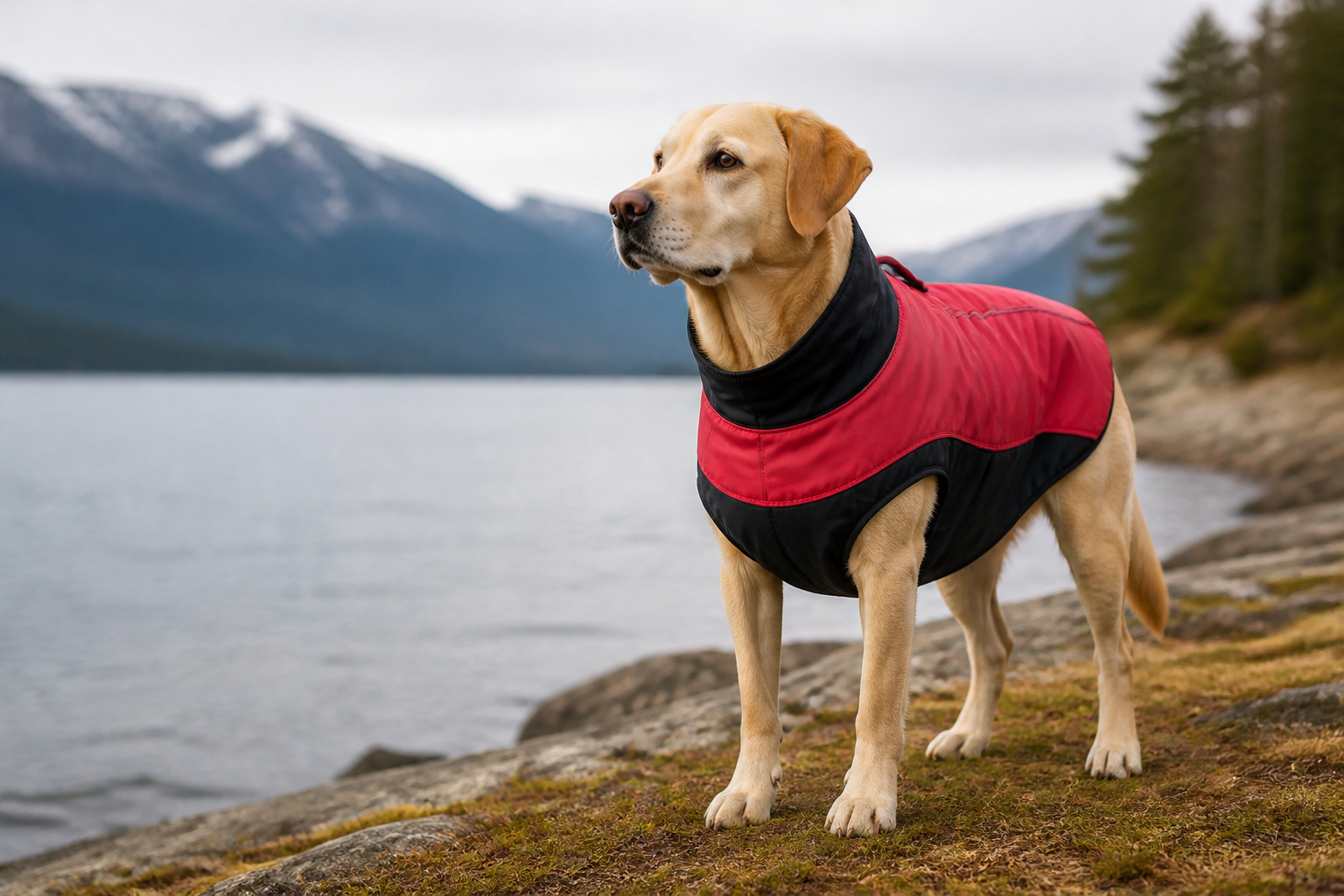
You finally find a jacket with a rugged design and a great color, but the largest size barely fits over your Golden Retriever's head. Finding dog clothes for large dogs is often a lesson in frustration. Many standard brands stop their sizing at breeds like Beagles or small Labs, leaving owners of Great Danes, Mastiffs, and broad-chested Pit Bulls with very few options. At BaxterBoo, we know that your big dog needs the same protection from the elements and the same stylish flair as any smaller pup. This post covers how to measure your large dog accurately, which materials withstand the strength of a big breed, and how to choose the best gear for every season. We want to ensure your gentle giant stays warm, dry, and comfortable no matter the weather.
Quick Answer: Large dogs require clothing specifically tailored for deep chests and broader shoulders to prevent chafing and restricted movement. Always prioritize the chest measurement over weight or breed labels to ensure a proper fit.
The Importance of Precise Measurements
When you shop for a Chihuahua, you might get lucky by guessing a small size. For large breeds, guessing leads to wasted time and returned items. Large dogs come in a variety of shapes. A Greyhound is tall and thin with a very deep chest, while a Rottweiler is broad and muscular. These differences mean that "Extra Large" can mean something completely different from one brand to another.
The chest measurement is the most critical factor for any large dog apparel. This is the widest part of the ribcage, usually located just behind the front legs. If a coat is too tight here, it can restrict breathing or cause painful sores under the armpits. Neck circumference is also vital, especially for breeds with thick necks like Bulldogs or Mastiffs. Finally, the back length ensures the garment covers the vital organs and provides adequate warmth without interfering with the tail.
How to Measure Your Large Dog
Step 1: Wrap a soft measuring tape around the widest part of the chest. Keep the tape snug but not tight enough to indent the fur or skin.
Step 2: Measure around the base of the neck where a collar naturally sits. Ensure you can still fit two fingers between the tape and your dog.
Step 3: Measure the length of the back from the base of the neck to the base of the tail. This tells you how much coverage the garment will provide along the spine.
For more practical fitting advice, read our tips for sizing dog clothes and costumes.
Key Takeaway: A proper fit for a large dog focuses on the "heart girth" or chest width. If your dog falls between two sizes on a chart, always choose the larger size to allow for muscle movement and coat thickness.
Dog Clothes








Choosing Durable Materials for Large Breeds
Large dogs are powerful. They brush against trees, roll in the grass, and put significant tension on fabric when they run. Flimsy materials that work for a lap dog will often tear or shred on a more active large breed. Look for high-denier nylon or reinforced polyester for outer shells. These materials offer the durability needed for hiking or vigorous play.
Reinforced stitching is another non-negotiable feature. Check the seams around the neck and the belly straps. Large dogs exert more force on these areas when they move. Brands like RC Pets often use rugged fabrics that mimic human-grade outdoor gear. If your dog has a high energy level, "ripstop" fabric is a great choice. It features a cross-hatch pattern that prevents small snags from turning into large holes.
Essential Features Checklist
- Adjustable belly straps with heavy-duty Velcro or buckles.
- Leash portals or integrated harnesses for convenience.
- Reflective piping or strips for visibility during night walks.
- Elastic leg loops to keep the back of the coat from flipping up in the wind.
- Machine-washable fabrics for easy cleanup after muddy adventures.
Winter Gear and Insulation
Large dogs are not immune to the cold. While a thick-coated Husky might thrive in the snow, a short-haired Boxer or Doberman will start shivering quickly. Insulation for large dogs should provide warmth without adding excessive bulk. A bulky coat can make a large dog feel trapped or clumsy, which might make them refuse to walk.
Fleece-lined jackets are excellent for dry, chilly days. For sub-zero temperatures, look for coats with synthetic down or Thinsulate padding. These materials trap body heat effectively. Make sure the belly coverage is adequate. The chest and stomach are close to the cold ground and lose heat faster than the back. At BaxterBoo, we suggest looking for coats that offer a "vest" style fit for maximum chest coverage without restricting the shoulders.
Vet Tip: Monitor your dog for signs of shivering or lifting their paws off the cold ground. Even if your dog is large, their breed and coat type dictate their cold tolerance. Consult your veterinarian if you notice your senior large dog struggling more with joint stiffness during winter, as a warm coat can help keep joints limber.
Rain Gear for Deep-Chested Dogs
One of the biggest challenges for owners of large dogs is the "wet dog smell" and the massive amount of water they can track into the house. A high-quality raincoat is a functional necessity. For large breeds, a raincoat must be 100% waterproof, not just water-resistant. Look for coats with a hood or a high "storm collar" to keep water from dripping down their neck and under the coat.
Because large dogs generate a lot of body heat, a raincoat should also be breathable. Mesh linings help circulate air so your dog does not overheat while staying dry. Adjustable toggles at the neck and tail can help you create a custom seal against the rain. If your dog has a deep chest, look for rain capes that use a broad belly band rather than individual leg holes. This design is much easier to put on and take off a large, wiggly dog.
Bottom line: A breathable, fully waterproof raincoat with a belly protector will save you hours of towel-drying and keep your large dog comfortable in heavy downpours.
Summer Protection and Cooling Vests
It is easy to forget about clothes when the sun is out, but large dogs are highly susceptible to overheating. Their large body mass retains heat longer than smaller animals. Cooling vests are a specific type of dog clothing designed to use evaporation to lower the dog's core temperature. You soak the vest in water, wring it out, and put it on your dog before a walk.
Sun protection is another factor for short-haired or light-colored large breeds. Light cotton shirts or UV-rated sun skins can prevent sunburn on their backs. This is especially important if your dog spends long hours in the backyard or joins you for beach trips. The fabric should be light and airy to prevent heat from getting trapped against the skin.
Vet Tip: Heatstroke is a medical emergency for large dogs. If your dog is panting excessively, has dark red gums, or seems disoriented, remove any clothing immediately and seek veterinary care. Cooling vests are a preventative tool, not a cure for active heatstroke.
Special Occasion Wear and Pajamas
Who says a 90-pound Lab can't wear a tuxedo? Large dog clothes also include fun items like formal wear, holiday sweaters, and pajamas. For formal events, look for "dickie" style collars or bandana-style tuxedos. These provide the look of a suit without the restriction of a full-body garment.
Pajamas are surprisingly useful for large breeds that suffer from skin allergies or those that shed excessively. A lightweight, stretchy "surgical suit" or cotton pajama set can keep them from scratching at irritated skin. It also helps contain fur if they sleep on your furniture. Ensure the pajamas have a high percentage of spandex or elastic so they can stretch as the dog changes positions during sleep.
Managing Your Large Dog's Wardrobe
Once you have invested in quality gear, proper maintenance will make it last for years. Large dog clothes take a beating. Always check for loose threads or cracked buckles after a walk. If your dog's weight fluctuates, re-measure them every season. If you find that clothes are getting a bit too snug, it might be time to discuss a weight management plan with your vet. Our pharmacy offers prescription weight management diets through our partnership with Pet's Choice if your veterinarian recommends a specific nutritional path.
Washing instructions are vital. Most heavy-duty coats should be washed on a cold, gentle cycle and hung to dry. High heat in a dryer can damage waterproof coatings and shrink natural fibers like wool or cotton. Keeping the gear clean prevents skin irritation and keeps the "doggy" odor at bay.
Key Takeaway: Regularly inspecting and properly washing your dog's gear ensures that the protective features, like waterproofing and reflective strips, remain effective for the life of the garment.
Conclusion
Finding the right clothes for large dogs is about more than just fashion. It is about providing your pet with the protection they need to enjoy the outdoors comfortably. By focusing on accurate chest measurements and choosing durable, weather-appropriate materials, you can find gear that fits a Great Dane just as well as a Poodle. Whether you are preparing for a blizzard, a rainstorm, or a sunny hike, the right apparel makes every adventure better.
- Measure the chest girth first and foremost.
- Prioritize breathable, waterproof, and ripstop fabrics.
- Use cooling vests to prevent overheating in the summer.
- Choose adjustable designs to accommodate deep chests and broad shoulders.
Bottom line: Investing in high-quality, properly fitted clothing for your large dog ensures they stay active and protected in every season.
At BaxterBoo, we carry a wide range of sizes to fit even the largest breeds. If you are looking for reliable protection and a great fit, visit our Medical and Mobility section or explore our collection of dog coats and jackets.
FAQ
How do I know if a coat is too tight on my large dog?
You should be able to slide two fingers comfortably between the fabric and your dog's skin at the neck and chest. If the fabric pulls tight across the shoulders or if your dog's movement looks stiff and unnatural, the garment is likely too small. Watch for any redness or hair loss in the armpit area, which is a clear sign of friction from a tight fit.
My dog is between sizes on the chart. Which one should I pick?
Always size up when your large dog falls between two sizes. A slightly loose coat can be adjusted with straps, but a coat that is too small cannot be safely modified. Extra room also allows for the natural thickness of their winter coat and ensures they can breathe deeply during exercise.
Are there specific brands that cater to giant breeds like Great Danes?
Brands like RC Pets and Ruffwear are well-known for offering extended sizing that accommodates the unique proportions of giant breeds. These manufacturers often include specific measurements for back length and chest girth that go beyond the standard "Extra Large" found in big-box stores. Always check the specific size guide for each brand, as a "Size 30" in one might be a "Size 28" in another.
Can large dogs wear pajamas or shirts year-round?
Yes, but you must choose the material based on the indoor temperature and the dog's needs. Lightweight cotton or mesh shirts are fine for summer to manage shedding or protect against the sun. For winter, heavier fleece pajamas can help senior large dogs stay warm overnight when indoor temperatures drop, which may help with morning joint stiffness.



- Site & Contents BaxterBoo.com. BaxterBoo is located in the United States.
- Privacy & Security
- Terms of Use
- Accessibility Statement
