
 Save 15% on your 1st Autoship learn more

 Email us
 Live Chat
 FAQs





Introduction
You are petting your cat and notice a dusting of white flakes along their lower back. It looks like a sprinkle of powdered sugar against their dark fur. While a few flakes might seem like a minor cosmetic issue, persistent skin flaking often signals that your feline friend needs a little extra care. At BaxterBoo, we know that healthy skin is the foundation of a happy pet. This guide covers how to identify the causes of feline skin flaking and the best ways to manage it from the comfort of your living room. We will explore grooming techniques, nutritional adjustments, and environmental changes that can restore your cat's coat to its natural shine. Understanding the difference between normal shedding and a health concern is the first step toward effective care.
Quick Answer: Cat dandruff is usually treated at home through regular brushing, increasing humidity, and adding Omega-3 fatty acids to the diet. If flakes are accompanied by redness, hair loss, or lethargy, a veterinarian should rule out underlying conditions like parasites or metabolic disease.
Understanding Cat Dandruff Versus Dander
Many pet owners use the terms dander and dandruff interchangeably, but they are not the same thing. Every cat produces dander. These are microscopic bits of skin that shed naturally as cells regenerate. Dander is so small you cannot see it with the naked eye. It is the primary carrier of the protein that causes human allergies.
Dandruff consists of larger, visible flakes. These flakes are clumps of dead skin cells that have shed prematurely or in excess. While dander is a sign of a healthy body renewing itself, dandruff usually points to an imbalance. This might be as simple as dry air or as complex as a nutritional deficiency.
Sometimes, owners mistake other things for dandruff. Flea eggs can look like white grains of salt. Mites can sometimes look like moving dust, a condition colloquially known as walking dandruff. If the flakes seem to move or if you see black specks like pepper, you are likely dealing with parasites rather than simple dry skin.
Key Takeaway: Normal skin shedding is invisible to the human eye. If you can see white flakes on your cat's coat, it is officially dandruff and requires a change in their care routine.
Cat Skin & Coat Care





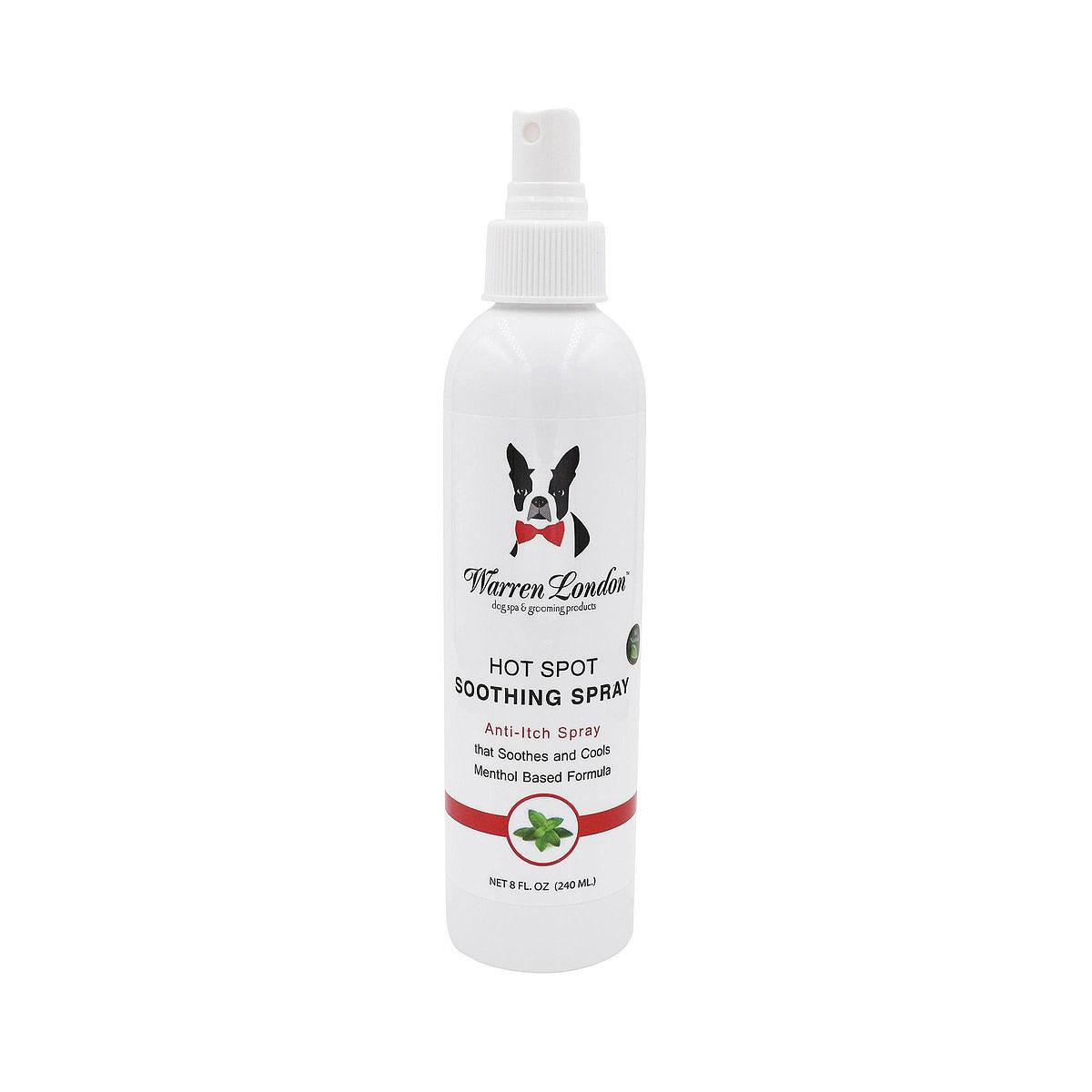

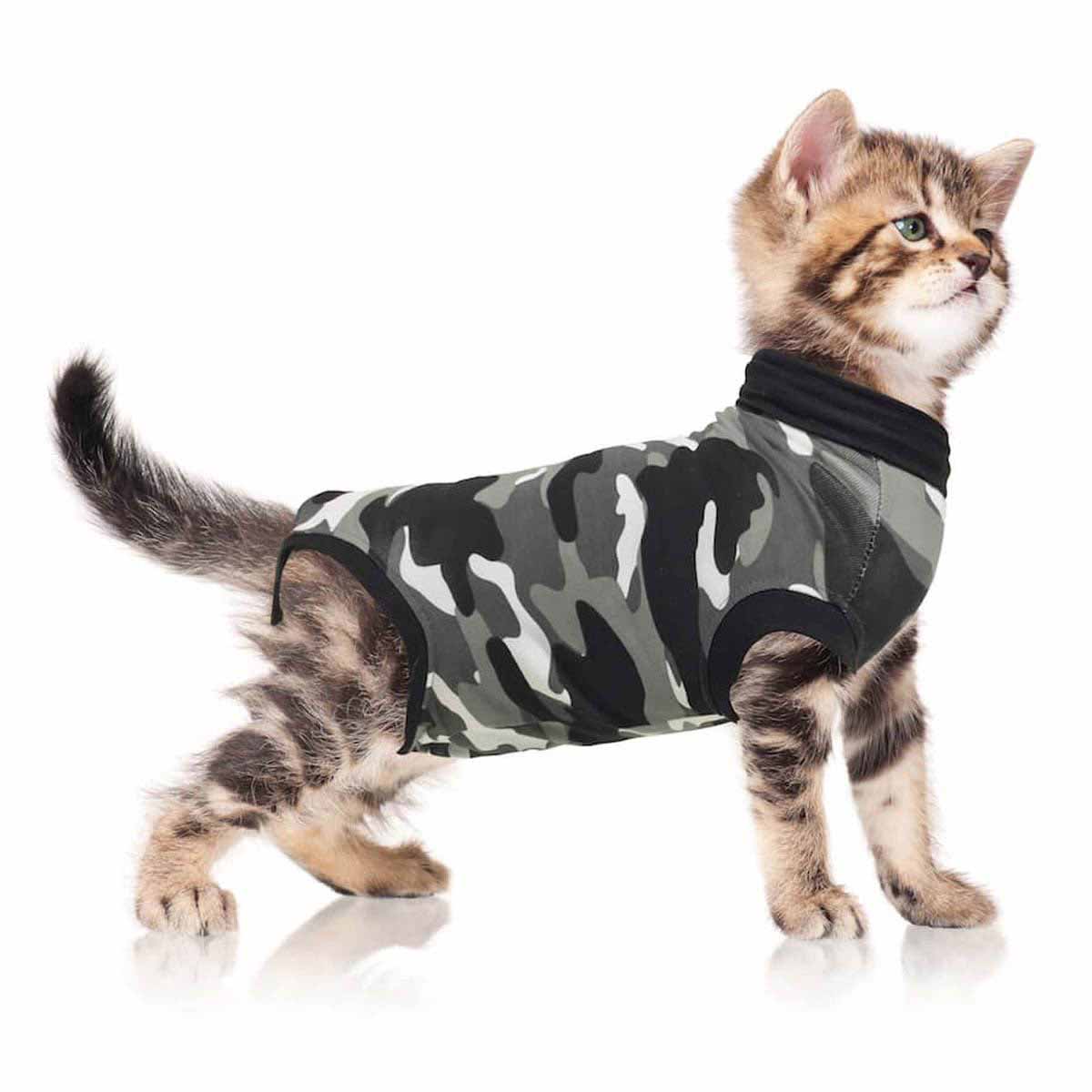


Common Causes of Feline Skin Flaking
Identifying the root cause is essential for choosing the right home treatment. Several factors can lead to a dry, flaky coat. Some are related to the environment, while others are tied to the cat's physical ability to care for themselves.
Environmental Humidity and Seasonal Changes
During the winter months, indoor heating systems strip moisture from the air. This dry environment affects your cat's skin just as much as it affects yours. Without enough ambient moisture, the skin loses its elasticity and begins to crack and flake. This is especially common in cats that enjoy sleeping near radiators or heat vents.
Difficulty with Self-Grooming
Cats are fastidious groomers, but some face physical barriers. Obesity is a major factor in dandruff because overweight cats often cannot reach their lower back or the base of their tail. Senior cats with arthritis may find the twisting motions of grooming too painful. When a cat stops grooming an area, dead skin cells and natural oils build up, leading to visible flaking and a greasy feel.
Nutritional Deficiencies
A dull, flaky coat is often a reflection of what is inside the bowl. Cats require specific levels of polyunsaturated fatty acids to maintain their skin's moisture barrier. If their food is low quality or lacks essential oils, the skin becomes brittle. Dehydration also plays a role. Since cats have a low thirst drive, they may not drink enough water to keep their skin hydrated from the inside out.
Stress and Anxiety
Cats are sensitive to changes in their routine. Moving to a new house, adding a new pet, or even changing your work schedule can cause stress. Stress can trigger a physiological response that affects skin health. Some cats may over-groom when stressed, causing irritation, while others may stop grooming entirely.
Vet Tip: If your cat's dandruff is paired with a sudden change in thirst, appetite, or litter box habits, consult your veterinarian. These can be signs of internal issues like hyperthyroidism or kidney disease that require professional diagnosis.
Effective Home Grooming Strategies
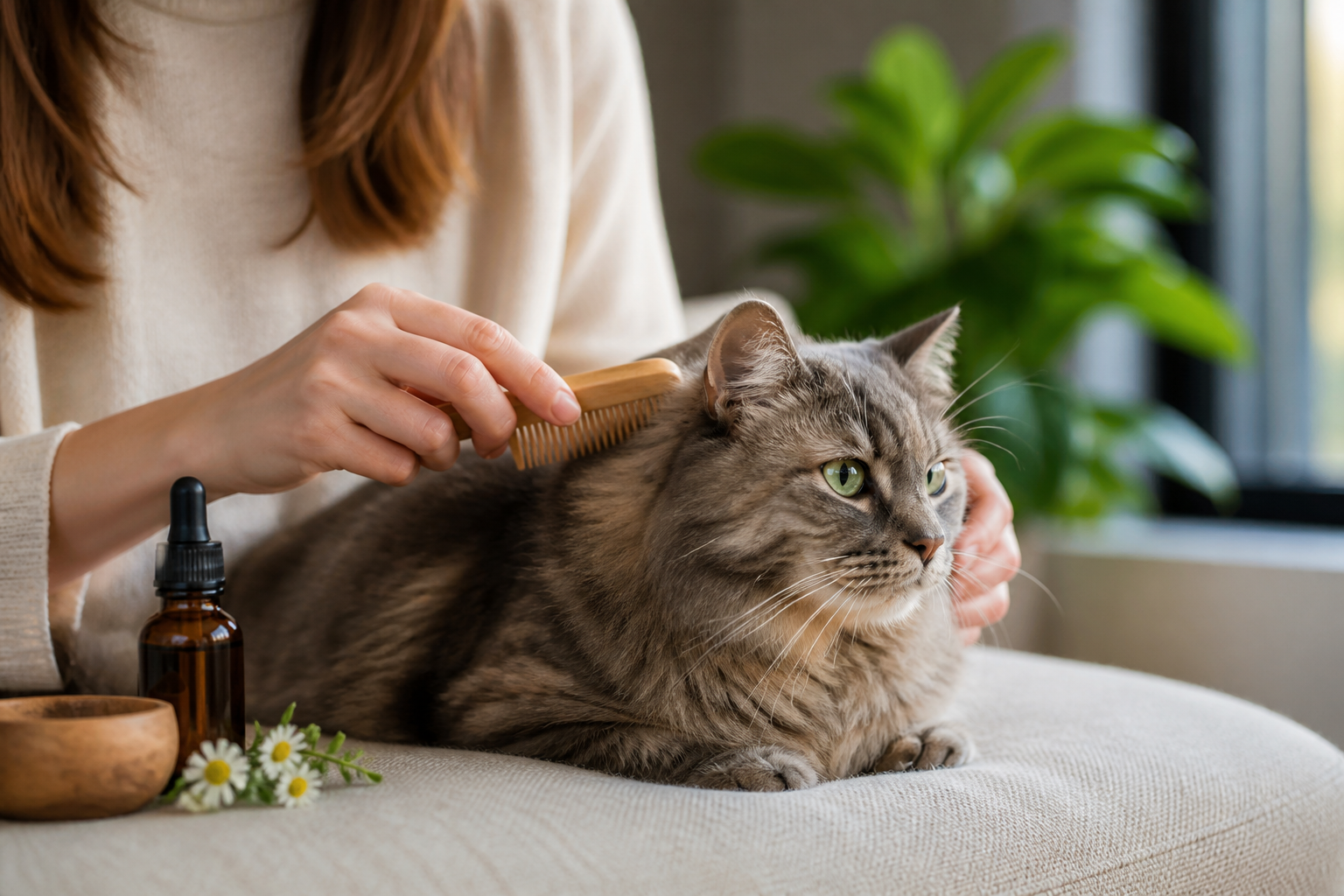
The most immediate way to help your cat is by stepping in where their own grooming falls short. A consistent routine can remove existing flakes and stimulate the production of natural oils. Explore our cat grooming supplies for brushes, combs, shampoos, and other coat-care essentials.
Step 1: Choose the right tools for the job. / Use a soft-bristled brush or a fine-toothed comb. Brands like Kong offer rubber grooming tools that mimic the sensation of a cat's tongue, making the process more enjoyable for them.
Step 2: Start with short, gentle sessions. / If your cat is not used to being brushed, keep the first few sessions to under two minutes. Focus on the areas where flakes are most visible, usually the lower back.
Step 3: Distribute the skin's natural oils. / Use long, sweeping strokes from the neck down to the tail. This movement moves the sebum, which is the skin's natural moisturizer, across the hair shaft to protect the skin.
Step 4: Use a damp cloth for a finishing touch. / After brushing, wipe your cat down with a warm, damp washcloth. This helps pick up any loose flakes the brush missed and adds a tiny bit of topical moisture.
Grooming Checklist for Success
- Brush at least three times a week for short-haired cats.
- Brush daily for long-haired breeds like Persians or Maine Coons.
- Monitor for mats or tangles, which can trap bacteria against the skin.
- Check for skin redness or sores during every session.
Nutritional Support for Healthy Skin
Dietary changes can have a profound impact on skin health. It takes time to see these results, usually between four to six weeks, as the body needs time to grow new skin cells and fur. Browse our cat food selection when reviewing hydration, protein, and dietary options with your veterinarian.
Increasing Moisture Intake
Most cats do not drink enough water. If your cat eats only dry kibble, their skin may be chronically dehydrated. Try incorporating wet food into their daily routine. You can also add a splash of water or unsalted tuna juice to their meals. Fountains are another great way to encourage drinking, as many cats prefer running water over a still bowl.
Essential Fatty Acids
Omega-3 and Omega-6 fatty acids are the building blocks of healthy skin. Supplements like fish oil or salmon oil can be mixed directly into their food. We carry several high-quality supplements from brands like Zesty Paws and Honest Paws that are formulated specifically for feline skin and coat health. These oils help reduce inflammation and strengthen the skin's moisture barrier.
High-Quality Proteins
Skin and hair are made mostly of protein. If a cat's diet is low in digestible animal protein, their body will prioritize internal organs over skin health. Look for foods that list a specific meat, like chicken or salmon, as the first ingredient. Brands like Farmina and Open Farm offer excellent nutrient-dense options that support overall wellness.
Bottom line: Hydration and high-quality fats are the most effective dietary tools for eliminating dry skin flakes from the inside out.
Managing the Home Environment
Controlling the air quality in your home can prevent dandruff from returning. Since many cats spend the majority of their time indoors, the environment plays a massive role in their dermatological health.
Using a Humidifier
If you notice your own skin feeling tight or itchy in the winter, your cat is likely feeling the same. Running a humidifier in the rooms where your cat sleeps can make a world of difference. Aim for a humidity level between 40% and 50%. This keeps the skin from drying out and can also help with feline respiratory health.
Reducing Stressors
Keep your cat's environment predictable. Ensure they have a safe, quiet place to retreat to if the house becomes noisy. Using pheromone diffusers can also help calm an anxious cat, which may indirectly improve their skin condition by regulating their grooming habits and stress hormones.
Regular Cleaning
Wash your cat's bedding frequently using unscented, hypoallergenic detergents. Dust, pollen, and old skin cells can accumulate in their favorite nap spots, leading to irritation. Keeping their environment clean reduces the external triggers that might cause them to scratch and create more flakes.
When to Use Shampoos and Topicals
Bathing a cat is often a stressful experience for both the pet and the owner. In most cases of mild dandruff, a full bath is not necessary. However, if the skin is very greasy or if your vet recommends it, a targeted wash can help.
Never use human shampoo on a cat. A cat's skin has a different pH balance than ours. Human products can strip away necessary oils and make the dandruff much worse. Instead, look for moisturizing shampoos containing oatmeal or aloe vera designed specifically for felines.
Waterless shampoos or grooming wipes are often a better choice. These allow you to clean the coat and moisturize the skin without the trauma of a bathtub. Simply wipe the cat down or massage the foam into their fur and towel it off. This is a great way to manage flakes on cats that are terrified of water.
Vet Tip: If you decide to bathe your cat, ensure you rinse every trace of soap out of their fur. Leftover residue can cause severe itching and lead to more flaking once the coat dries.
The Role of the BaxterBoo Pharmacy
Sometimes, home remedies are not enough. If your cat has a persistent skin condition, it may be due to an underlying medical issue that requires prescription intervention. Through our partnership with Pet's Choice, our cat pharmacy provides a vital resource for pet owners managing chronic health conditions.
If your veterinarian diagnoses a condition like hyperthyroidism or a specific skin infection, they may prescribe medication or a prescription diet. We carry FDA-approved medications and therapeutic foods, such as the Farmina Vet Life range, which can be delivered right to your door. Our pharmacy services make it easy to stay consistent with the treatments your vet recommends for long-term health.
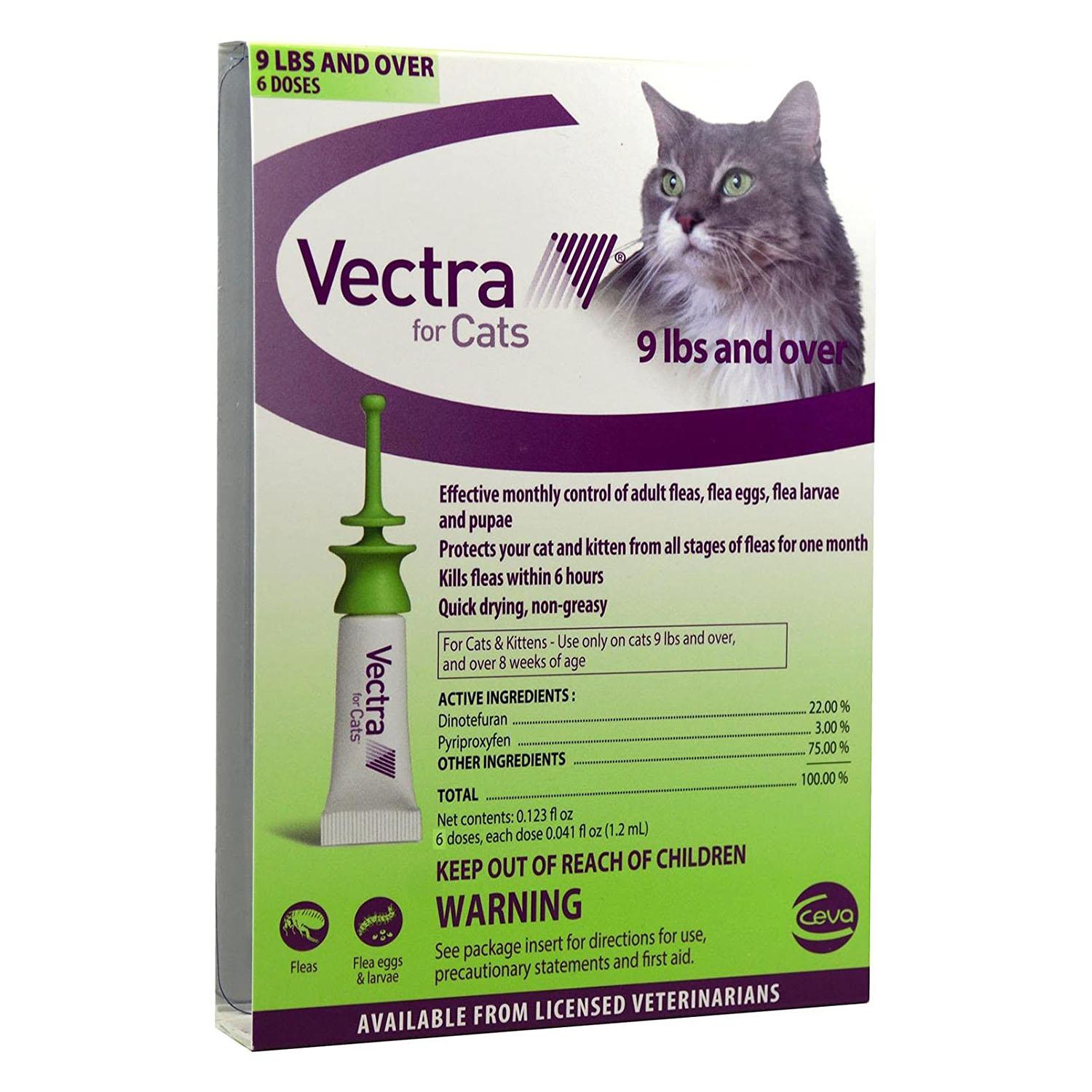
Whether it is a prescription flea and tick preventive like NexGard or a specialized diet for weight management, having access to a trusted pharmacy ensures your cat gets exactly what they need. Consistent flea prevention is especially important, as even a single flea bite can cause an allergic reaction known as flea allergy dermatitis, which leads to intense itching and heavy flaking.
Managing Weight for Better Grooming
As mentioned earlier, obesity is a leading cause of dandruff because it physically prevents a cat from reaching their entire body. If your cat has a thick patch of dandruff only on their lower back, it is time to look at their waistline. For more guidance, read how to help an indoor cat lose weight safely.
Weight loss for cats must be handled carefully. Cats that stop eating or lose weight too quickly can develop a dangerous liver condition called hepatic lipidosis. Work with your veterinarian to determine a safe caloric intake.
Tips for Weight Management
- Use puzzle feeders to slow down eating and provide mental stimulation.
- Engage in daily play sessions with feather wands or laser pointers.
- Measure food with a standard measuring cup rather than guessing.
- Switch to high-protein, low-carb foods that help cats feel full longer.
Once your cat reaches a healthier weight, you will likely see their dandruff disappear as they regain the flexibility needed to groom their entire body.
Identifying Serious Symptoms
While most dandruff is a simple fix, you should be able to recognize when the situation has become a medical concern. Skin is the largest organ of the body, and it often acts as a window into a cat's internal health.
Consult your veterinarian if you notice any of the following:
- Red, inflamed, or bleeding skin.
- Large patches of hair loss (alopecia).
- Thick, yellow crusts or oozing sores.
- Constant scratching that interrupts sleep or play.
- White flakes that appear to be moving.
- A foul odor coming from the skin or ears.
These symptoms suggest an infection, an infestation, or a severe allergy that requires more than just home grooming. A quick trip to the vet can prevent a minor skin issue from turning into a painful systemic infection. You can also review common arthritis-support strategies for cats when grooming difficulties may be connected to mobility concerns.
Bottom line: Home treatment is for mild flaking and dry skin. Any sign of pain, infection, or behavioral changes requires professional veterinary guidance.
Supporting Your Cat Through Every Life Stage
At BaxterBoo, we have been helping pet owners navigate these challenges since 2006. From the energetic kitten years to the quiet senior stages, your cat's skin and coat needs will change. We carry over 500 brands to ensure you have access to the right brushes, supplements, and foods for every stage of life.
Our warehouse in Vernon Hills is filled with products handpicked by people who truly care about animals. We do not just stock items because they sell. We choose them because we know they work. Whether you visit us in person or order online for home delivery, our goal is to provide the expert guidance you need to keep your cat feeling their best.
By combining regular home grooming with high-quality nutrition and environmental management, you can keep your cat's coat glossy and flake-free. Remember that consistency is key. A few minutes of brushing a day and a high-quality diet are the best gifts you can give your feline companion.
Summary of Home Care for Cat Dandruff
Managing cat dandruff at home is about balance. You are balancing moisture in the air, nutrients in the food, and the cleanliness of the coat.
- Brush Regularly: Use the right tools to remove dead skin and spread natural oils.
- Boost Nutrition: Add Omega-3 fatty acids and ensure your cat stays hydrated.
- Fix the Air: Use a humidifier during dry months to protect the skin barrier.
- Check the Pharmacy: Use the BaxterBoo pharmacy for prescription diets or parasite preventives recommended by your vet.
- Monitor Weight: Ensure your cat is lean enough to handle their own grooming needs.
Key Takeaway: Most cases of cat dandruff respond well to increased grooming and better nutrition. If you do not see improvement within a month, it is time to speak with a professional about potential underlying causes.
FAQ
Why does my cat only have dandruff on their lower back?
This is usually a sign that your cat cannot reach that area to groom themselves. It is common in overweight cats or senior cats with arthritis. Because they cannot lick that specific spot, dead skin cells and oils build up until they become visible flakes.
Can I use coconut oil on my cat's dandruff?
While coconut oil is generally safe, it is very greasy and can lead to messy fur or even digestive upset if the cat licks too much off. It is usually more effective to provide oils through their diet, such as fish oil supplements, which work from the inside out to improve skin health.
Is cat dandruff contagious to humans or other pets?
Simple dandruff caused by dry skin or poor grooming is not contagious. However, if the dandruff is actually caused by "walking dandruff" mites or ringworm, those can spread to other animals and humans. If you suspect your cat has parasites or a fungal infection, keep them separated from other pets and see a vet.
How long does it take for home treatments to work?
You should see a slight improvement in the coat's texture immediately after brushing. However, dietary changes and supplements usually take four to six weeks to show significant results. This is because it takes time for the cat's body to generate new, healthy skin layers and for the old, dry layers to shed away.
Conclusion
Cat dandruff is a common issue that often points to simple environmental or nutritional needs. By establishing a gentle grooming routine and ensuring your cat receives high-quality fats and moisture in their diet, you can significantly reduce or eliminate those pesky white flakes. Always keep an eye out for signs of irritation or discomfort, and do not hesitate to reach out to your veterinarian for a checkup. Our pharmacy is always available to help with any prescription needs your vet identifies, from medicated shampoos to specialized diets. To get started on your cat's skin health journey, explore our cat grooming supplies and Omega-3 supplements, and consider signing up for our Autoship programme to ensure you never run out of the essentials.






- Site & Contents BaxterBoo.com. BaxterBoo is located in the United States.
- Privacy & Security
- Terms of Use
- Accessibility Statement
