
 Save 15% on your 1st Autoship learn more

 Email us
 Live Chat
 FAQs
FAQs





Introduction
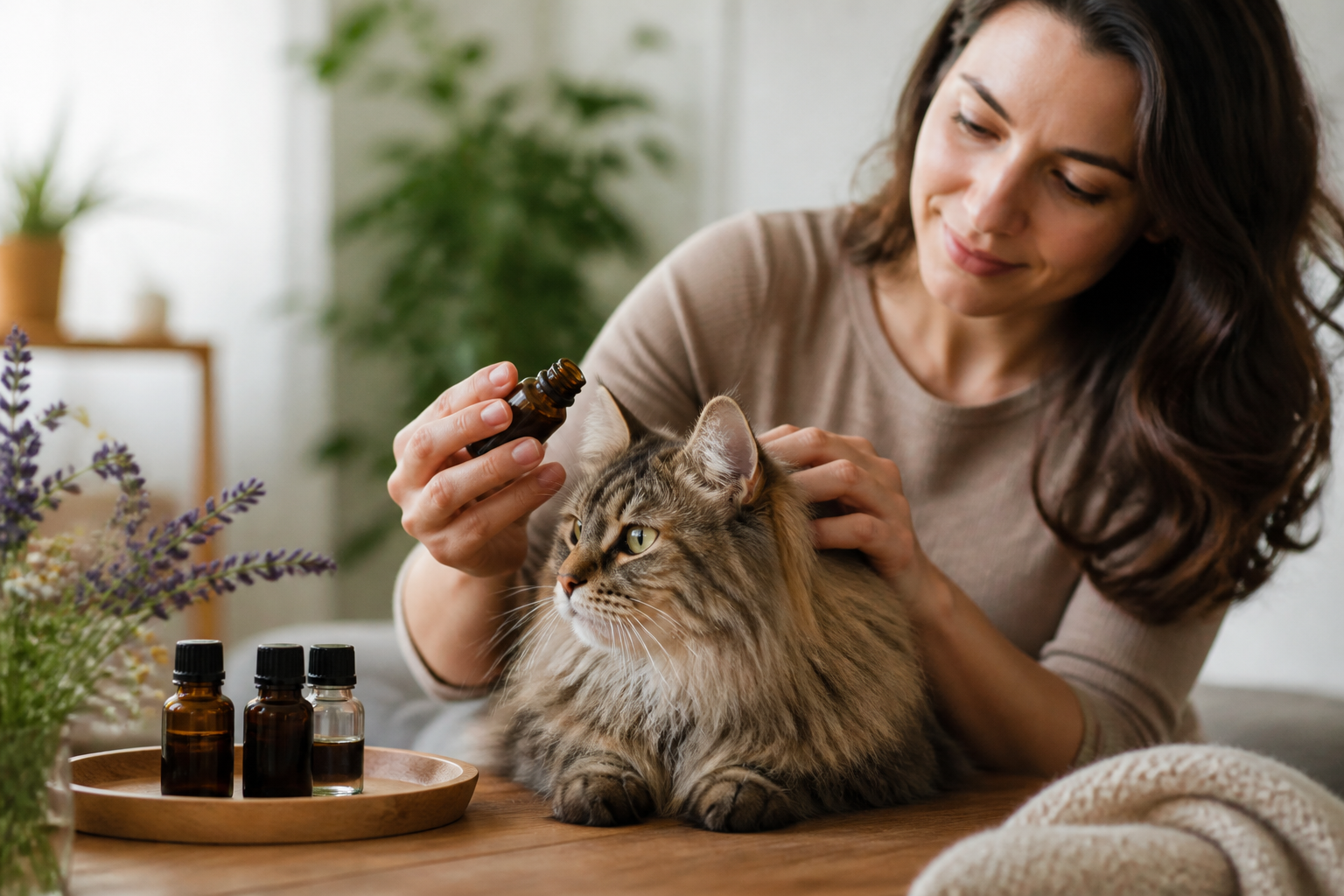
You are enjoying a quiet moment petting your cat when you notice a dusting of white flakes across their fur. It looks like a light snowfall on their back, especially visible if they have a dark coat. While your first instinct might be to reach for a natural remedy like essential oils, caring for feline skin requires a specialized approach. At BaxterBoo, we know that cats have a unique physiology that makes them sensitive to many common household products. This post covers the safety risks of essential oils, the best topical alternatives for dry skin, and how to manage the underlying causes of flakiness. Our goal is to help you restore your cat's coat to its natural shine through safe, vet-approved methods. Understanding the difference between a simple dry environment and a medical issue is the first step toward a comfortable pet.
The Unique Sensitivity of Feline Skin
Cats are not just small dogs when it comes to skin care and aromatics. Their livers lack a specific enzyme called glucuronosyltransferase. This enzyme is responsible for breaking down many chemicals found in essential oils, specifically phenols and salicylates. Because they cannot process these compounds, essential oils can quickly become toxic to cats through skin absorption or ingestion during grooming.
When a cat grooms themselves, they swallow anything you have applied to their fur. This makes topical safety even more critical for cats than for other pets. If you apply a concentrated oil to their skin, they will likely lick it off within minutes. This leads to internal exposure that their body is not equipped to handle.
Vet Tip: Before applying any oil, extract, or lotion to your cat, consult your veterinarian to ensure the ingredients are safe for feline metabolism. Even products labeled as natural can be dangerous for cats.
Cat Skin & Coat Care










Understanding Essential Oils and Feline Toxicity
Many people use essential oils for their own health and assume they are safe for pets. However, the list of toxic oils for cats is long. You should avoid using the following oils anywhere your cat might come into direct contact with them:
- Tea Tree oil (Melaleuca)
- Peppermint and Spearmint
- Citrus oils (Lemon, Orange, Grapefruit)
- Cinnamon and Clove
- Eucalyptus
- Wintergreen
- Ylang Ylang
These oils can cause symptoms ranging from skin irritation and drooling to tremors and liver failure. If you are looking for a way to treat cat dandruff, concentrated essential oils are generally not the answer. Instead, we look toward fatty carrier oils and soothing extracts that provide moisture without the risk of toxicity.
Quick Answer: Most essential oils are toxic to cats and should not be used to treat dandruff. Safe alternatives include food-grade coconut oil or Vitamin E oil, used sparingly and under veterinary supervision.
Safe Topical Alternatives for Cat Dandruff
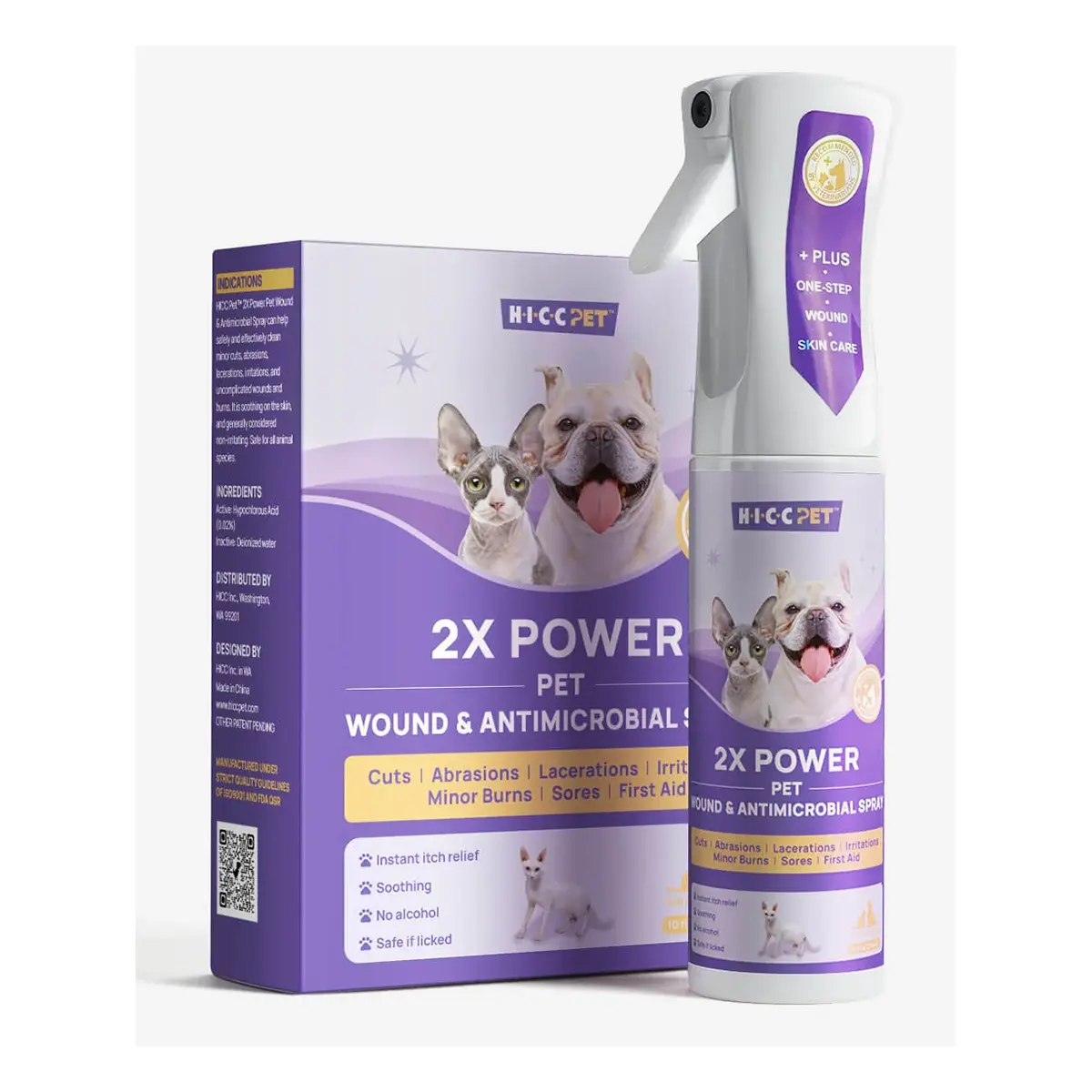
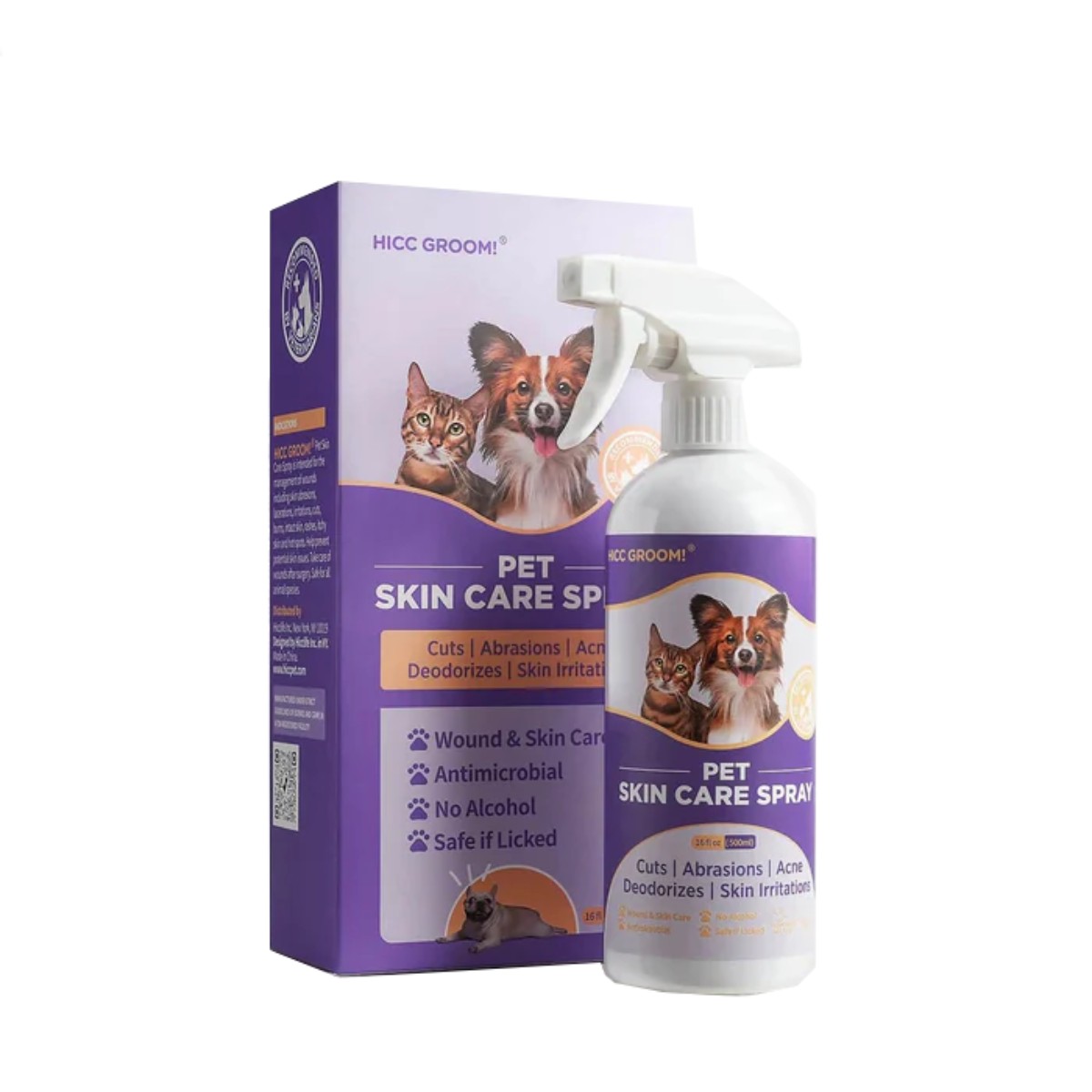
While concentrated essential oils are often off-limits, there are other topical solutions that can help soothe dry, flaky skin. These options focus on restoring the skin barrier and providing moisture. For additional options, explore our cat skin and coat care collection.
Coconut Oil
Coconut oil is a fatty oil, not an essential oil. It is rich in lauric acid and medium-chain triglycerides. It has mild antimicrobial properties and is generally safe for cats in small amounts. You can apply a tiny amount to your hands and massage it into the dry areas of your cat's coat. Because it is edible, it is less of a concern if your cat licks it off, though too much can cause an upset stomach.
Vitamin E Oil
Vitamin E is an antioxidant that helps protect skin cells and promotes healing. It is a common ingredient in many high-quality cat skin supplements and topical sprays. You can find Vitamin E in liquid form or inside capsules. When applied to specific dry patches, it can help rehydrate the skin.
Oatmeal Extracts
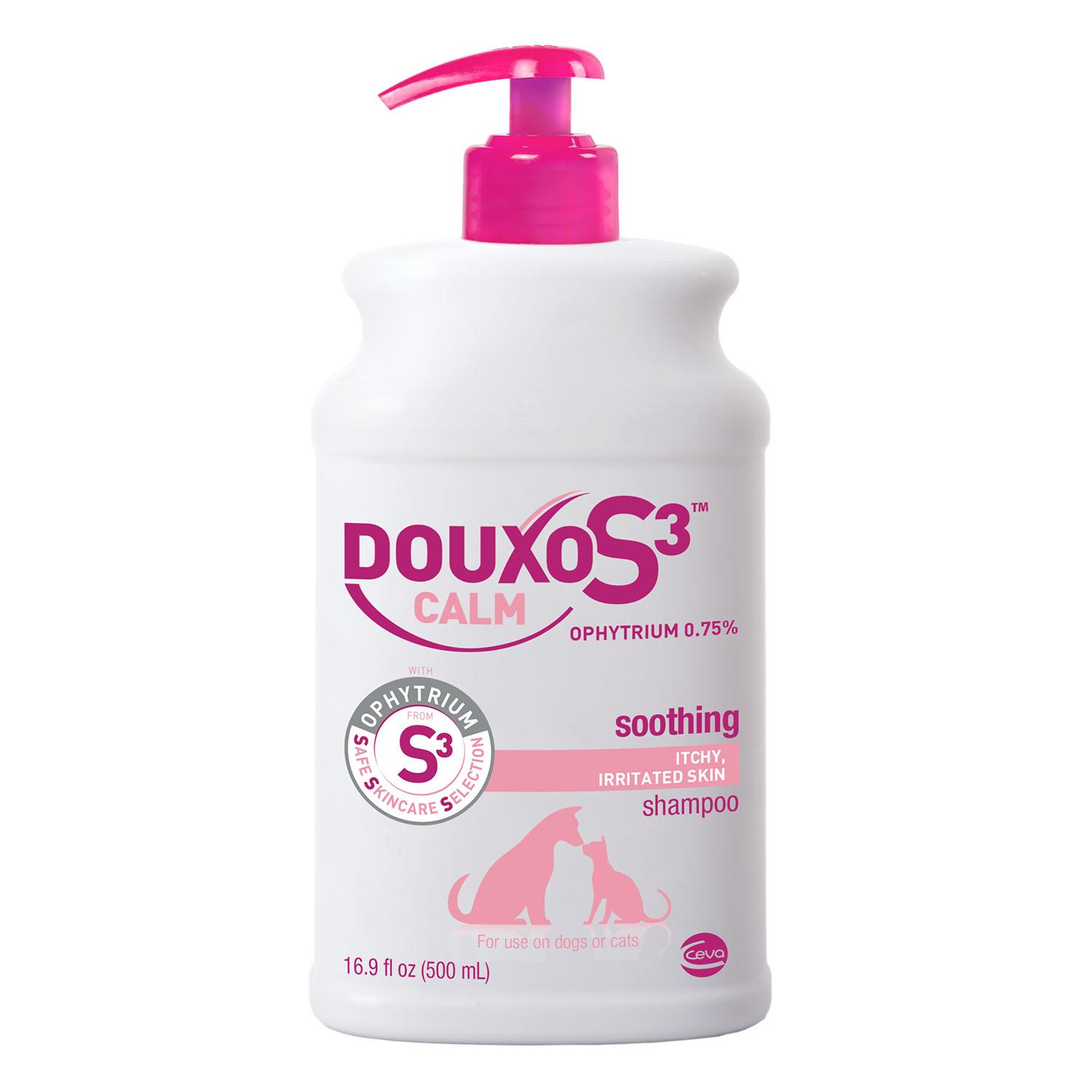
Oatmeal is widely recognized for its ability to soothe inflammation. Many moisturizing cat shampoos and leave-on conditioners use oatmeal extract to lock in moisture. Unlike essential oils, oatmeal is non-toxic and works by creating a protective layer on the skin surface. Cat owners can also browse our cat grooming supplies for shampoos, conditioners, and grooming tools.
Key Takeaway: Focus on fatty carrier oils like coconut oil or soothing ingredients like oatmeal rather than concentrated essential oils for topical skin relief.
Identifying the Cause of Cat Dandruff
Treating the flakes is only helpful if you know why they are appearing. Dandruff is a symptom, not a primary disease. To clear it up for good, we have to look at the root cause.
Environmental Factors and Dry Air
The most common cause of simple dandruff is low humidity. This is especially prevalent during the winter months when heaters are running. Dry air strips the moisture from your cat's skin, leading to tiny white flakes. A humidifier in the rooms where your cat spends the most time can make a significant difference.
Nutritional Deficiencies
A cat's skin and coat require a lot of protein and specific fats to stay healthy. If their diet is lacking in Omega-3 fatty acids, their skin may become dry and brittle. High-quality foods from brands like Farmina, Open Farm, or Orijen are formulated to provide these essential nutrients. For more ideas about hydration and nutrition, read our guide to sensitive-stomach cat food choices.
Mobility and Grooming Issues
If you notice dandruff primarily on your cat's lower back or near the base of the tail, it might be a grooming issue. Cats who are overweight or suffering from arthritis may struggle to reach these areas. When a cat cannot groom properly, dead skin cells and natural oils build up, leading to visible flakes. Weight-related grooming challenges may also make healthy weight management for indoor cats worth discussing with your veterinarian.
Medical Conditions and Parasites
Sometimes dandruff is actually "walking dandruff," which is a nickname for Cheyletiella mites. These tiny parasites move under the skin scales, making the dandruff look like it is moving. Other medical causes include:
- Fungal infections like ringworm
- Bacterial skin infections
- Allergies to food or environmental triggers
- Systemic illnesses like diabetes or kidney disease
Bottom line: Dandruff is often a sign of an underlying issue like poor nutrition, mobility struggles, or environmental dryness.
The Role of the BaxterBoo Pharmacy
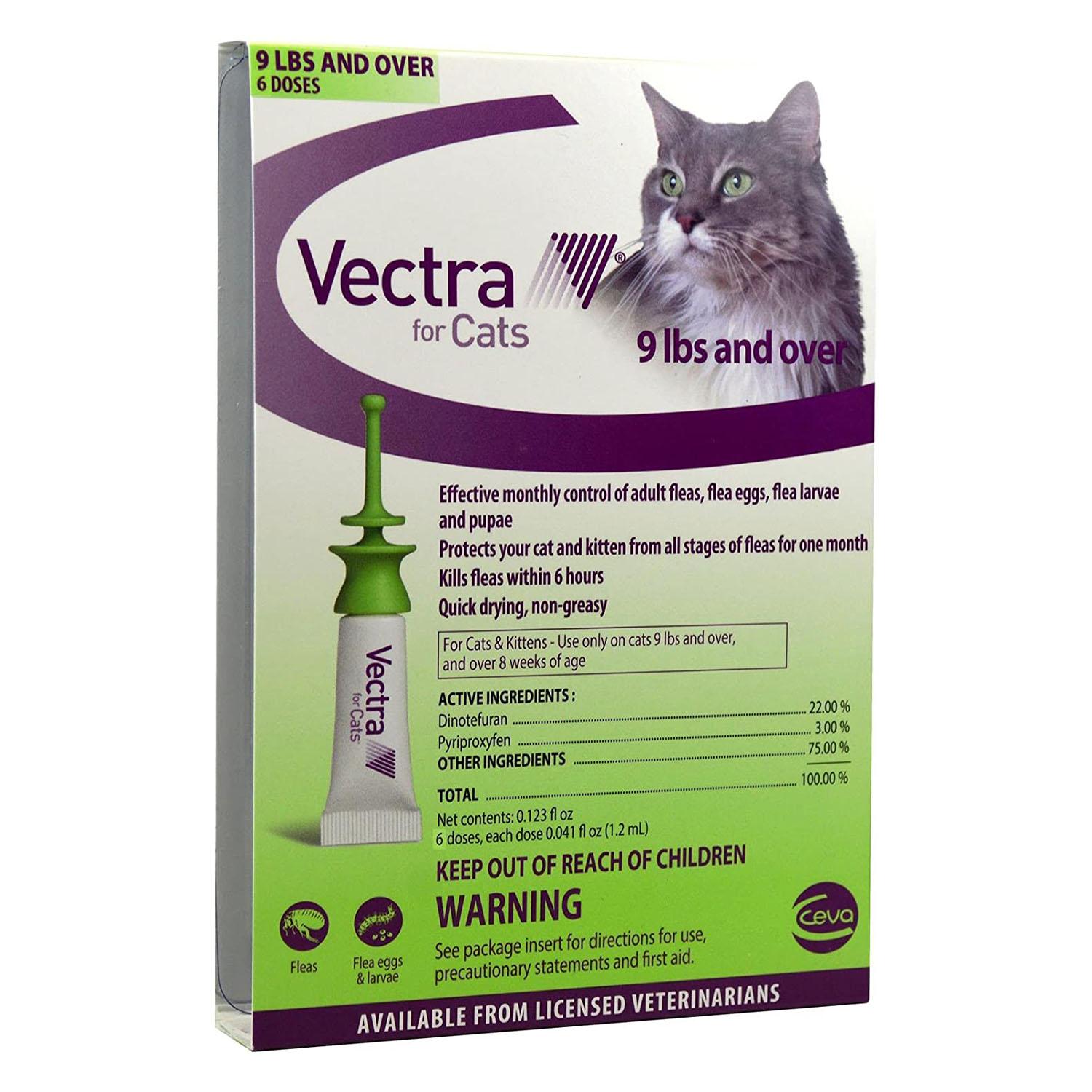
When dandruff is caused by a medical condition, topical oils are not enough. This is where professional medical care becomes essential. Our cat pharmacy offers FDA-approved medications through our partnership with Pet's Choice. If your veterinarian determines that your cat has mites, a fungal infection, or a skin condition requiring prescription intervention, we can help.
The pharmacy provides a reliable way to get the exact treatments your vet recommends. This includes prescription flea and tick preventatives that eliminate parasites like Cheyletiella mites. It also includes prescription diets designed for cats with severe skin sensitivities or allergies. Using these professional products ensures your cat gets the correct dosage and a safe formulation.
Nutritional Support for Healthy Skin
What goes into your cat's body is just as important as what you put on their fur. Diet is the foundation of skin health. If your cat has chronic dandruff, a change in their nutritional routine might be necessary.
Omega-3 Fatty Acid Supplements
Fish oil is one of the most effective ways to combat dry skin from the inside out. Supplements containing EPA and DHA help reduce inflammation and improve the skin's moisture barrier. Brands like Zesty Paws or PureVita offer options that are easy to add to your cat's daily meals. You can compare options in our skin and coat health collection.
Transitioning to Wet Food
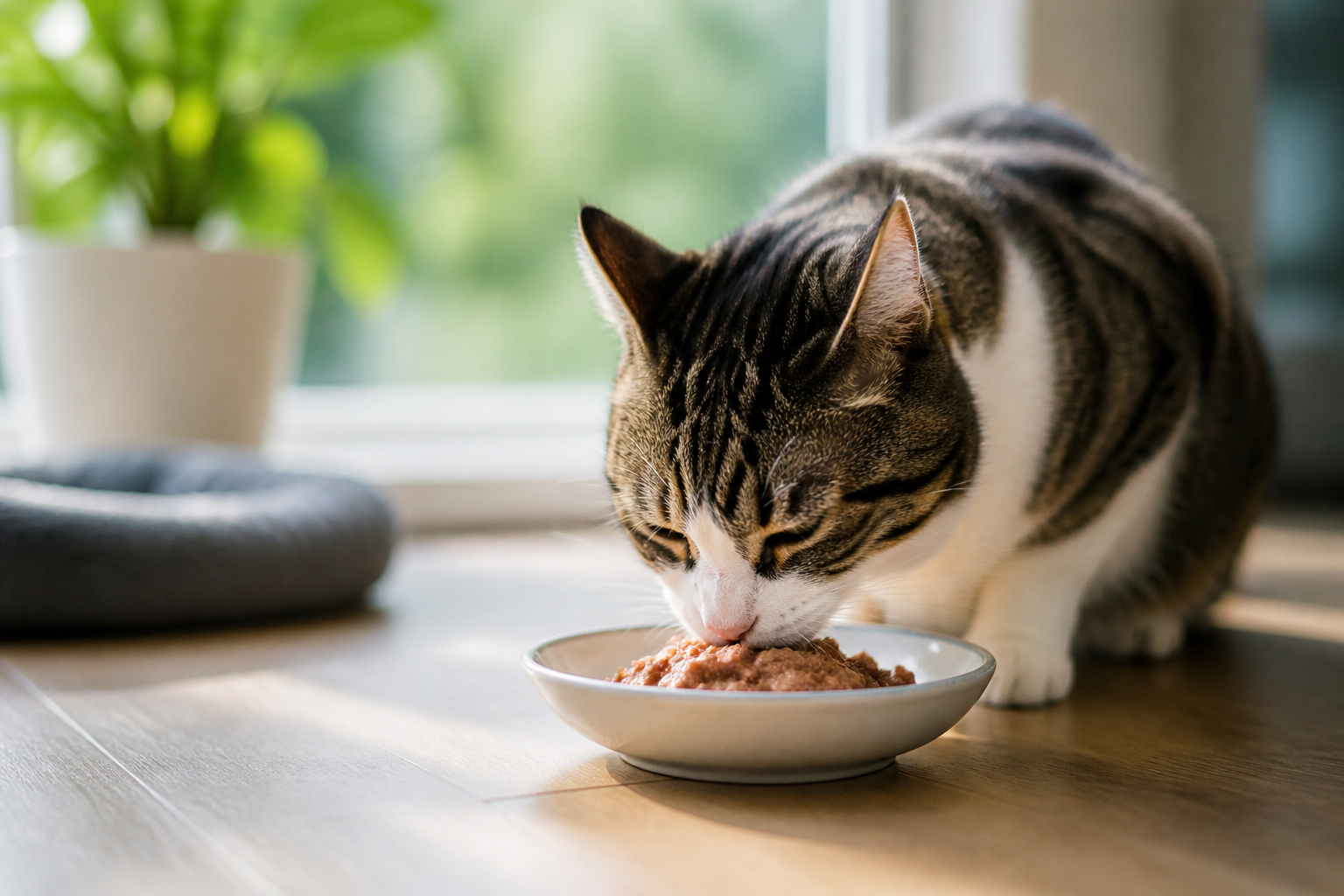
Hydration plays a massive role in skin health. Cats are notorious for having a low thirst drive. Switching some or all of their diet to wet food can increase their overall water intake. Brands like Tiki Cat, Fussie Cat, and Fancy Feast provide high-moisture options that support hydration. Browse our cat food selection for wet and dry formulas.
Step-by-Step: Adding Fish Oil to Your Cat's Diet
- Consult your vet. Confirm the correct dosage based on your cat's weight and health history.
- Start slow. Add a tiny drop to their food to ensure they like the taste and it does not upset their stomach.
- Monitor the skin. It can take 4 to 6 weeks to see a visible change in the coat.
- Stay consistent. Supplements work best when given daily.
Proper Grooming Habits
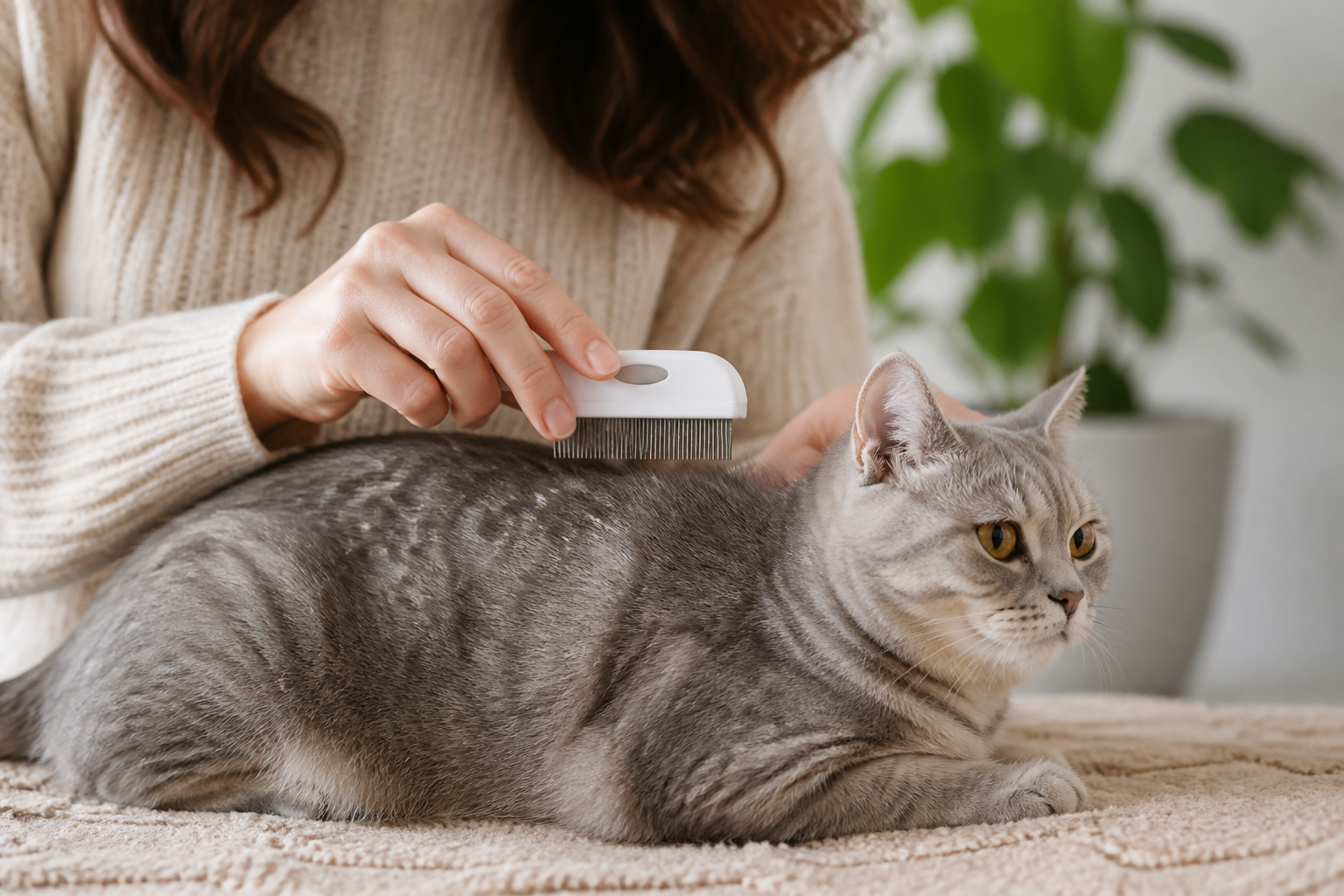
Regular grooming is one of the easiest ways to manage dandruff. It distributes natural oils and removes dead skin cells before they can flake off. For more ideas about gentle feline grooming, read our guide to caring for a cat's whiskers.
For short-haired cats, a weekly brushing session is usually enough. Long-haired cats require more frequent attention, often daily, to prevent mats. Brushing also serves as a bonding activity and allows you to check for any new lumps, bumps, or skin irritations.
When it comes to bathing, less is usually more. Most cats do not need regular baths. In fact, bathing too often can strip away the natural oils that keep the skin healthy. If you must bathe your cat, use a moisturizing oatmeal shampoo specifically formulated for felines. Avoid human shampoos, which have a different pH balance and can cause further irritation.
Managing Stress and Environmental Triggers
Believe it or not, stress can manifest as skin issues in cats. When a cat is stressed, their body produces higher levels of cortisol. This can affect the skin's ability to retain moisture. If your cat's dandruff appeared after a big change, like a move or a new pet, stress might be the culprit.
You can help by creating a stable environment. Use calming pheromone diffusers or sprays to help them feel secure. Providing vertical spaces like cat trees and quiet hiding spots can also lower their anxiety levels. For additional feline wellness ideas, explore our guide to supporting a cat's immune system.
At BaxterBoo, we also offer the MVP Rewards program to help you save on the supplies you need for a happy, healthy home. Earning points on your purchases of calming products, high-quality food, and grooming tools makes it easier to provide the best care for your cat throughout their life.
When to See the Veterinarian
While a few flakes during a dry winter might not be an emergency, some signs indicate a more serious problem. You should schedule a veterinary visit if you notice:
- Excessive itching or over-grooming
- Hair loss or bald patches
- Red, inflamed, or crusty skin
- Sores or open wounds
- A change in appetite or behavior
A veterinarian can perform a skin scraping to look for parasites or infections under a microscope. This is the only way to get an accurate diagnosis and ensure you are using the right treatment.
Vet Tip: Never attempt to treat a suspected skin infection or parasite infestation with home remedies alone. Prompt veterinary diagnosis prevents the condition from worsening and causing your cat unnecessary discomfort.
Summary of Safe Care for Cat Dandruff
Managing your cat's dandruff involves a combination of safe topical care, proper nutrition, and environmental management. While the temptation to use essential oils is high, the risks to your cat's liver and overall health are too great. Focus instead on proven methods that support the skin barrier.
- Avoid toxic essential oils like tea tree and peppermint.
- Use safe alternatives like coconut oil or oatmeal-based conditioners.
- Boost hydration with wet food and Omega-3 supplements.
- Increase humidity in your home during dry seasons.
- Consult your vet for a diagnosis if flakes are accompanied by itching or redness.
By taking a holistic approach to your cat's skin health, you can keep them comfortable and flake-free. Whether it is through a new grooming routine or a specialized diet found in our cat pharmacy, your cat deserves a coat that feels as good as it looks.
FAQ
Is lavender essential oil safe for cat dandruff?
Lavender is a controversial oil in the pet world. While some sources say it is safe if highly diluted, cats are extremely sensitive to its compounds. It is generally safer to avoid using it topically to treat dandruff and instead use a vet-approved moisturizing spray. If you choose to use lavender, it should only be done under the direct guidance of a veterinarian who can advise on safe dilution ratios.
Can I use human dandruff shampoo on my cat?
No, you should never use human dandruff shampoo on a cat. These products are formulated for the pH of human skin and often contain medications like zinc pyrithione or selenium sulfide. These ingredients can be toxic to cats if absorbed through the skin or ingested during grooming. Always use a shampoo specifically labeled for feline use, preferably one with soothing ingredients like oatmeal.
How long does it take for a cat's dandruff to go away?
The timeline for improvement depends on the underlying cause. If the dandruff is due to dry air, you might see improvements within a week of using a humidifier. If it is related to nutrition, it typically takes 4 to 6 weeks for new, healthier skin cells to reach the surface. For medical issues like mites or infections, the flakes should subside as the treatment prescribed by your vet takes effect.
Will brushing my cat more often help with dandruff?
Yes, regular brushing is very effective for managing mild dandruff. It helps distribute the natural oils produced by the skin across the entire coat, which provides natural moisture. Brushing also removes dead skin cells and loose fur that would otherwise clump together and form visible flakes. For cats with mobility issues, daily brushing is essential to keep the skin healthy in areas they cannot reach.



- Site & Contents BaxterBoo.com. BaxterBoo is located in the United States.
- Privacy & Security
- Terms of Use
- Accessibility Statement
