
 Save 15% on your 1st Autoship learn more

 Email us
 Live Chat
 FAQs





Introduction
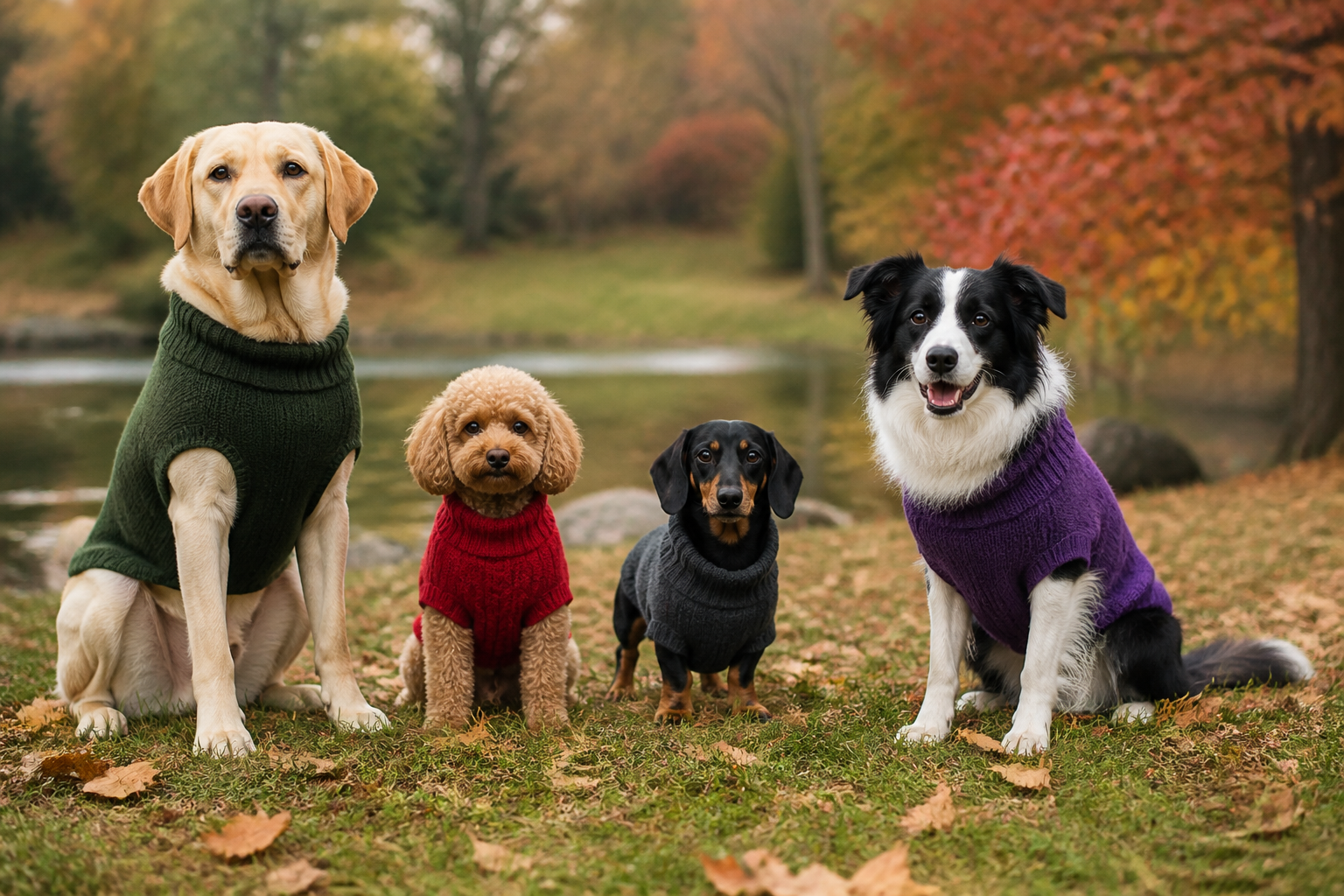
The first frost of the season often brings a familiar sight for pet owners. You reach for your heavy coat and scarf, but your dog is already at the door, shivering before the walk even begins. Some dogs hesitate at the threshold, while others start lifting their paws off the frozen pavement to find relief from the cold. At BaxterBoo, we understand that a sweater is more than just a cute accessory for a holiday photo. It is a functional tool that helps your dog maintain their core body temperature and stay active throughout the winter. This post covers how to identify if your dog needs extra warmth, how to measure for a perfect fit, and which materials work best for different climates. Choosing the right apparel ensures your companion stays comfortable and safe during every outdoor adventure.
Quick Answer: A dog needs a sweater if they have short fur, a lean body type, or are very young or senior. Focus on the chest girth and back length measurements rather than the weight on the size label to ensure a snug yet comfortable fit.
Does Your Dog Actually Need a Sweater?
Not every dog requires an extra layer when the temperature drops. Larger breeds with thick, double coats like Huskies or Newfoundlands are naturally insulated. Their fur traps a layer of air near the skin that acts as a thermal barrier. For these dogs, a sweater might actually lead to overheating, even in freezing weather. However, many popular breeds lack this natural protection.
Small and toy breeds are the most frequent candidates for winter gear. Because they have a high surface-area-to-volume ratio, they lose body heat much faster than larger animals. A Chihuahua or a Yorkie can become chilled even indoors if there is a draft. Lean breeds with very little body fat, such as Greyhounds or Whippets, also struggle to stay warm. Without a layer of fat or thick fur, their bodies cannot produce enough heat to counteract cold winds.
Age is another significant factor in heat regulation. Puppies do not have the same ability to regulate their internal temperature as adult dogs. Similarly, senior dogs often move less and may have thinner coats or circulating issues. If your older dog manages joint stiffness or mobility challenges, the cold can make their discomfort worse. Keeping their muscles and joints warm with a soft knit can help them stay limber during their morning outings.
Vet Tip: If your dog is shivering, tail tucking, or constantly seeking heat sources like floor vents, they are likely feeling the cold. Consult your veterinarian if your senior dog seems excessively stiff in winter, as they may need a combination of warmth and joint support from our pharmacy.
Dog Sweaters


Decoding the Sizing Puzzle
The most common mistake pet owners make is buying gear based solely on the breed name or weight. A "Medium" in one brand might be a "Small" in another. Every manufacturer uses different patterns. To get a fit that stays in place without pinching, you need three specific measurements. Use a soft tailor tape for the most accurate results. For more advice, see our guide to measuring your dog for clothes.
Step 1: Measure the chest girth.
Find the widest part of your dog's rib cage, usually right behind the front legs. This is the most critical measurement because if the sweater is too tight here, your dog will not be able to breathe deeply or move their shoulders freely.
Step 2: Measure the back length.
Start from the base of the neck where the collar sits and measure to the base of the tail. The sweater should ideally cover the entire back but stop before it interferes with tail movement.
Step 3: Measure the neck circumference.
Loop the tape around the neck where a collar naturally rests. You should be able to fit two fingers comfortably between the tape and your dog's skin.
Troubleshooting the Hard-to-Fit Build
Some dogs have unique body shapes that make standard sweaters difficult to wear. Bully breeds, Pugs, and French Bulldogs often have very wide chests but short bodies. For these dogs, look for sweaters with high stretch or "vest" styles that do not have restrictive sleeves. Vests are often easier to pull over a broad head and provide more room for heavy shoulders.
Long-bodied dogs like Dachshunds or Corgis often find that standard sweaters are too short, leaving their lower back exposed. We carry several brands that offer "long" versions of their classic knits. If you cannot find a long version, a sweater with a slightly looser knit can sometimes be stretched gently to provide that extra inch of coverage. Always prioritize the chest measurement first. If the chest fits, the rest of the sweater is much more likely to stay in place. Read more dog sweater fit and durability tips before choosing a style.
Checklist for a Perfect Fit
- The sweater stays clear of the "bathroom area" to prevent soiling.
- The armholes do not rub or chafe the sensitive skin in the armpits.
- Your dog can sit, lay down, and walk without the fabric bunching up.
- The neck is snug enough to stay up but does not restrict swallowing.
- There are no loose threads or dangling decorations that could be chewed off.
Selecting the Right Materials
The fabric you choose should depend on where your dog will spend their time. A sweater for a quick potty break in the snow needs different properties than a sweater worn for napping on a chilly hardwood floor. Understanding the pros and cons of common pet textiles will help you spend your budget wisely.
Natural Wool and Alpaca
Wool is a powerhouse material for winter. It is naturally breathable, which helps prevent moisture buildup against the skin. It also has incredible insulating properties even when it gets slightly damp. Brands like Chilly Dog offer hand-knit wool sweaters that are heavy and durable. However, wool can be itchy for dogs with sensitive skin or thin coats. It also usually requires hand washing or very careful machine cycles to prevent shrinking. Explore our selection of Chilly Dog products to see wool sweater options.
Synthetic Acrylic and Polyester
Acrylic is the most common material for pet sweaters because it is soft, affordable, and easy to clean. It mimics the look of wool but is much lighter and less likely to cause skin irritation. Most acrylic sweaters are machine washable, making them ideal for dogs that like to roll in the grass or mud. Polyester fleece is another synthetic favorite. It is exceptionally warm for its weight and dries very quickly. Browse our dog fleece collection for fleece options.
Cotton and Cotton Blends
Cotton is best for indoor wear or mild autumn days. It does not provide much insulation when wet, so it is a poor choice for snowy climates. However, for dogs with allergies or very sensitive skin, 100% cotton is often the most comfortable option. It is breathable and prevents the "static shock" that sometimes happens with synthetic materials in dry winter air.
Material Comparison Table
| Material | Best For | Durability | Ease of Care |
|---|---|---|---|
| Wool | Extreme cold, light rain | High | Low (Hand wash) |
| Acrylic | Everyday wear, indoor/outdoor | Medium | High (Machine wash) |
| Fleece | Active dogs, high warmth | High | High (Quick dry) |
| Cotton | Sensitive skin, light chill | Medium | Medium (May shrink) |
Key Takeaway: Choose wool for maximum heat retention in dry, cold climates, but stick to acrylic or fleece blends for easy maintenance and everyday comfort.
Functional Features for Safety and Convenience
A dog sweater should be practical for the human as well as the dog. One of the most important features to look for is a leash hole or harness slit. If your dog wears a harness, the sweater must accommodate the D-ring. Many modern sweaters include a reinforced slit on the back. If the sweater is thin enough, you can sometimes wear the harness over the top, but this may compress the insulation and make the gear less effective. See our dog sweater collection for styles to compare.
Consider the closure style based on your dog's personality. Pullover styles are very common but require you to manipulate your dog's head and paws through holes. For dogs with arthritis or those who are "head shy," this can be stressful. Step-in sweaters or those with Velcro or zipper closures along the back are much easier to put on. Velcro is fast and adjustable, but it can trap fur and lose its grip over time. Zippers are secure but require a steady hand to avoid catching long hair in the teeth.
Visibility is another safety concern during the short days of winter. Since many walks happen in the dark, sweaters with reflective piping or bright colors are helpful. Some high-tech fabrics even include reflective threads woven directly into the knit. This ensures your dog is visible to cars and neighbors without the need for extra bulky lights or vests.
Beyond the Chill: Anxiety and Skin Protection
We often see pet owners using sweaters for reasons that have nothing to do with the weather. For many dogs, the gentle pressure of a snug-fitting sweater can have a calming effect. This is similar to the way a weighted blanket works for people. If your dog suffers from anxiety during thunderstorms or fireworks, a soft, fitted sweater might help them feel more secure. Learn more about how dogs respond to wearing clothes.
Sweaters also serve as a protective barrier for dogs with skin conditions. If your pet has a surgical site, a hot spot, or an allergy that causes them to scratch incessantly, a light cotton sweater can prevent further damage. It keeps the area clean and prevents the dog from reaching the skin with their teeth or claws.
If your dog is dealing with persistent skin issues, it is important to address the root cause. Our pharmacy at BaxterBoo offers a variety of FDA-approved allergy medications and medicated shampoos through our partnership with Pet's Choice. While a sweater protects the skin surface, working with your vet to find a medical solution is the best way to ensure long-term comfort.
Bottom line: A well-fitted sweater can provide emotional comfort for anxious dogs and physical protection for those with skin sensitivities.
Maintaining Your Dog's Wardrobe
Pet clothing can quickly become a magnet for hair, dander, and outdoor debris. To keep the gear smelling fresh and prevent skin irritation, regular cleaning is necessary. Always check the care label before throwing a sweater in the wash. High heat in a dryer is the primary cause of ruined pet apparel. For other practical clothing guidance, see our dog apparel fit and safety tips.
For acrylic and cotton blends, use a gentle cycle with a pet-safe, fragrance-free detergent. Fragrances can be overwhelming for a dog’s sensitive nose and may trigger allergic reactions. If the sweater is covered in hair, run it through the dryer on a "cool air" or "fluff" cycle for ten minutes before washing. This helps loosen the fur so it can be washed away.
Wool sweaters require more attention. Soak them in cool water with a tiny bit of mild soap, then gently squeeze the water out without wringing. Lay the sweater flat on a towel to dry. This prevents the weight of the water from stretching the fibers out of shape. If a sweater develops "pills" or small fuzz balls, a fabric shaver can make it look brand new again.
Safe Usage and Overheating Risks
While we want our pets to be warm, it is possible to have too much of a good thing. Overheating is a real risk, especially for brachycephalic (flat-faced) breeds like Bulldogs. These dogs already struggle to regulate their temperature through panting. If they are wearing a heavy sweater in a heated house or during vigorous exercise, they can quickly become distressed.
Never leave a sweater on a dog for 24 hours a day. The constant friction can cause matting in long-haired breeds, especially around the armpits and neck. It can also trap moisture against the skin, leading to fungal or bacterial infections. Use the sweater for outdoor walks or in specific chilly situations, then remove it once you are back in a warm environment. This gives the skin a chance to breathe and allows you to check for any signs of chafing or irritation.
Step 1: Check the temperature.
If it is above 45 degrees Fahrenheit, most medium and large dogs do not need a sweater unless they are very thin or senior.
Step 2: Monitor behavior.
If your dog starts panting excessively, slowing down, or trying to hide in the shade while wearing their gear, take it off immediately.
Step 3: Inspect the skin.
Every time you remove the sweater, look for redness or hair loss. If you notice these signs, the fit may be too tight or the material may be irritating.
Vet Tip: Always remove pet apparel when your dog is unattended. Sweaters can get caught on furniture, crates, or branches, creating a choking or entanglement hazard.
Conclusion
Finding the perfect dog sweaters involves balancing the unique needs of your breed with the reality of your local climate. Whether you are looking for a rugged wool knit for a winter hike or a soft jersey for a senior dog at home, the right fit makes all the difference. We have spent years at BaxterBoo curating a selection of over 500 brands to ensure every dog—from the smallest teacup pup to the largest Great Dane—can find something that fits. By focusing on accurate measurements and high-quality materials, you can turn a shivering walk into an enjoyable adventure.
- Measure chest girth first to ensure comfort and mobility.
- Choose wool for insulation and acrylic for easy washing.
- Remove sweaters indoors to prevent overheating and skin irritation.
- Use reflective features for safer nighttime walks.
Key Takeaway: A dog sweater is a functional health tool that supports temperature regulation and joint comfort in cold weather.
If you are ready to gear up for the season, explore our full collection of dog clothing or sign up for the MVP Rewards programme to earn back on your purchase.
FAQ
How do I know if my dog is too hot in their sweater?
If your dog starts panting heavily, looking lethargic, or has bright red ears or gums, they are likely overheating. You should also feel under the sweater; if the skin feels hot to the touch or is damp with sweat (which dogs primarily release through their paws, but body heat still builds up), it is time to remove the layer. Most dogs do not need to wear sweaters inside a climate-controlled home.
Can my dog wear a sweater with a harness?
Yes, many sweaters are designed specifically to work with harnesses by including a small opening on the back for the leash attachment. If the sweater does not have this feature, you can place a slightly larger harness over the top of a thin sweater. Avoid putting a heavy harness under a thick cable-knit sweater, as it can cause the fabric to bunch and create uncomfortable pressure points.
What is the best way to prevent matting while my dog wears a sweater?
To prevent mats, always brush your dog thoroughly before putting the sweater on and immediately after taking it off. Focus on the high-friction areas like the armpits, chest, and neck. Using a light detangling spray can also help the fabric glide over the fur rather than catching and twisting it into knots.
Should my puppy wear a sweater during potty training?
Puppies often benefit from sweaters because they cannot regulate their body temperature as effectively as adults. If a puppy is shivering or uncomfortable, they may start to associate going outside with being cold and miserable, which can slow down the housebreaking process. A warm, easy-to-remove sweater can make those frequent outdoor trips much more positive for a young dog.



- Site & Contents BaxterBoo.com. BaxterBoo is located in the United States.
- Privacy & Security
- Terms of Use
- Accessibility Statement
