
 Save 15% on your 1st Autoship learn more

 Email us
 Live Chat
 FAQs
FAQs





Introduction
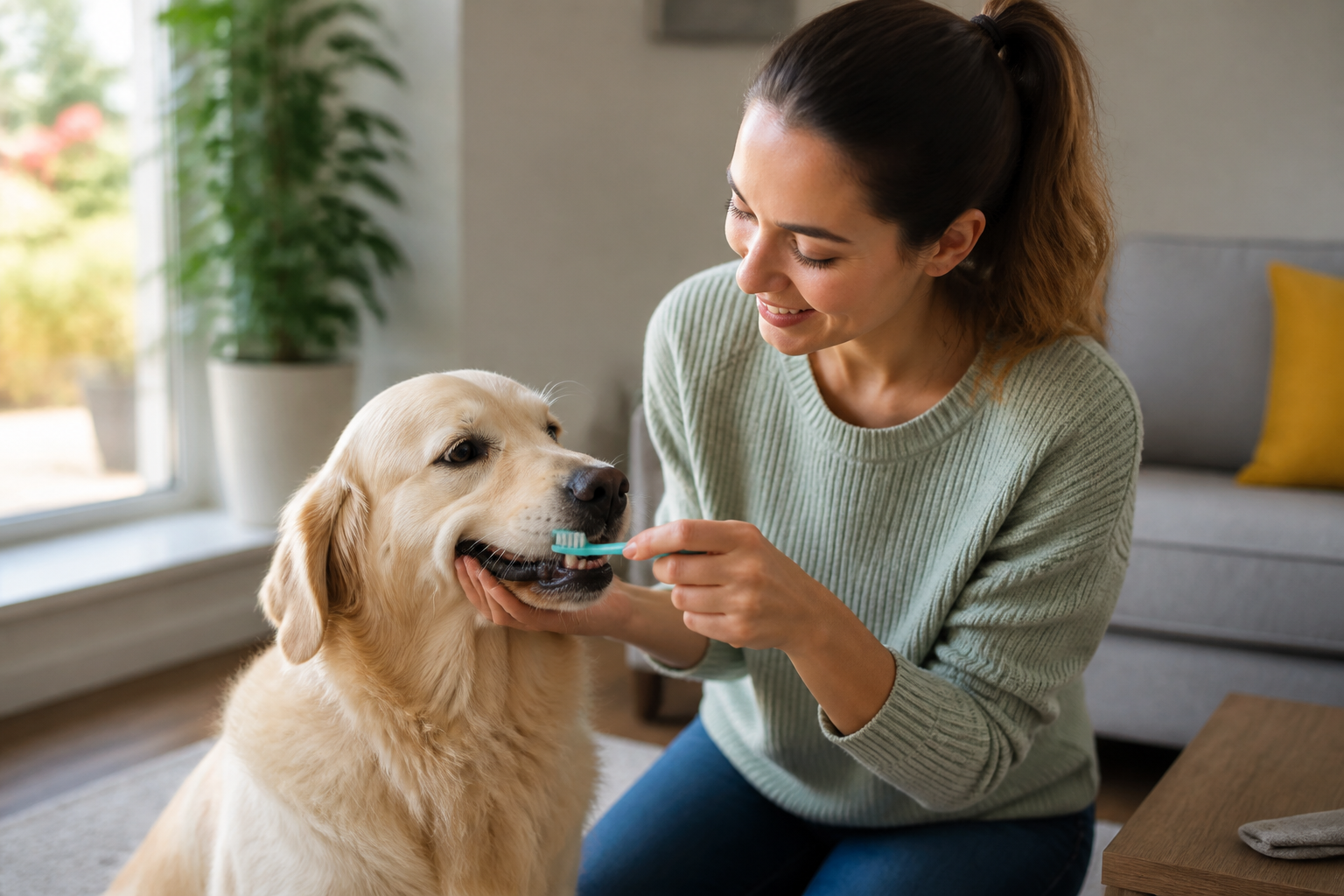
You lean in for a happy morning lick from your dog and suddenly realize their breath is much stronger than usual. It is a common moment for many pet owners. We often focus on nutrition and exercise but forget that oral health is just as critical for a long life. At BaxterBoo, we talk to pet parents every day who are looking for ways to avoid expensive vet cleanings while keeping their dogs comfortable. This post covers the most effective dental products available today. We will look at everything from enzymatic toothpastes to water additives and specialized diets. The right choice depends on your dog's age, breed, and how much they tolerate you touching their mouth.
Quick Answer: The most effective product for cleaning a dog's teeth is enzymatic toothpaste used with a soft-bristled brush. For dogs that resist brushing, Veterinary Oral Health Council (VOHC) approved dental chews or water additives are the next best alternatives.
Why Quality Dental Products Matter
Most dogs show signs of periodontal disease by the time they are three years old. This happens because bacteria form a film called plaque on the teeth. If it is not removed, it hardens into tartar or calculus. Once tartar forms, you cannot simply brush it away at home. It requires a professional cleaning under anesthesia.
Poor oral hygiene does more than cause bad breath. Bacteria from the mouth can enter the bloodstream. This can eventually lead to issues with the heart, liver, and kidneys. Using the right products at home is the best way to prevent these systemic health problems. We recommend looking for the VOHC Seal of Acceptance on any product you buy. This seal means the product has been through rigorous testing to prove it actually reduces plaque or tartar. For additional guidance, read our article on warning signs of dental disease in dogs.
The Gold Standard: Enzymatic Toothpaste
If you ask any veterinarian what the best product is, they will almost always say toothpaste. However, you must never use human toothpaste. Our toothpaste contains ingredients like xylitol which is toxic to dogs. It also contains foaming agents that are meant to be spit out, not swallowed.
Dog-specific enzymatic toothpaste is different. It contains enzymes like glucose oxidase and lactoperoxidase. These enzymes produce a natural antibacterial action that continues to work even after you stop brushing. Most brands come in flavors dogs actually enjoy. You can browse our dental and breath care collection for pet-safe toothpaste and other oral-care options.
Choosing the Right Brush
The tool you use is just as important as the paste. For large dogs, a standard soft-bristled toothbrush works well. For smaller breeds, a finger brush or a tiny baby toothbrush is usually better.
- Standard Brushes: Best for reaching the back molars in large mouths.
- Finger Brushes: Great for puppies or dogs that are nervous about long objects in their mouth.
- 360-Degree Brushes: These clean the top and sides of the teeth at the same time.
Key Takeaway: Enzymatic toothpaste is the most effective home care tool because it chemically breaks down plaque while the brush provides mechanical scrubbing.
Dental Chews and Treats
Not every dog will sit still for a brushing session. This is where dental chews become very useful. These products work through mechanical action. As your dog chews, the texture of the treat scrapes against the surface of the tooth. Our selection of Greenies products includes dental chews for dogs who prefer a treat-based routine.
Brands like Greenies or Ark Naturals are popular for a reason. They are designed with specific ridges and textures that reach the gumline. However, you must choose the right size. If a chew is too small, your dog might swallow it whole. This eliminates the cleaning benefit and creates a choking hazard.
Ingredients to Look For
When shopping for chews, look for ingredients that support oral health. Some chews include sodium tripolyphosphate to prevent tartar from hardening. Others might use cinnamon or parsley to naturally freshen breath. Always check the calorie count on these treats. They can be high in calories, so you may need to reduce your dog's meal size slightly to compensate.
Vet Tip: Always supervise your dog while they are enjoying a dental chew. If they are aggressive chewers, they might break off large chunks that could cause an intestinal blockage.
Water Additives and Oral Sprays
For the busiest pet parents or the most stubborn dogs, water additives are a lifesaver. These are tasteless and odorless liquids you pour into your dog's water bowl. They contain ingredients that change the chemistry of the saliva to prevent plaque from sticking.
Oral sprays work similarly but are applied directly to the teeth and gums. These are excellent for senior dogs who might have sensitive gums and cannot handle the pressure of a brush. Our dog dental care products include water additives, sprays, wipes, and other alternatives to brushing.
Why Use Additives?
- They require zero effort from the dog.
- They work 24/7 as the dog drinks throughout the day.
- They are often the most affordable long-term option.
- They reach the tiny crevices between teeth that a brush might miss.
Understanding the VOHC Seal
You will see the VOHC seal on many products we carry. The Veterinary Oral Health Council is an independent group of veterinary dentists. They do not do the testing themselves. Instead, they review the data from trials conducted by the manufacturers.
To get the seal, a product must show at least a 20 percent reduction in plaque or tartar. Some products perform even better. When you see this seal, you know you are not just buying a flavored treat. You are buying a functional tool for your dog's health. For more practical ideas, see our pet dental care tips.
| Product Type | Ease of Use | Effectiveness | Best For |
|---|---|---|---|
| Toothpaste | Low | Very High | Cooperative dogs, maximum cleaning |
| Dental Chews | High | Moderate | Dogs who love to chew, daily treats |
| Water Additives | Very High | Moderate | Picky dogs, busy owners |
| Dental Wipes | Moderate | Moderate | Puppies, surface cleaning |
Prescription Dental Diets
Sometimes standard kibble is not enough. For dogs prone to heavy tartar buildup, a prescription dental diet might be necessary. These diets use a very specific kibble structure. Standard kibble usually shatters as soon as a dog bites it. Dental kibble is designed to stay together longer.
The tooth actually sinks into the kibble before it breaks. This provides a scrubbing effect all the way down to the gumline. We carry several of these professional options, including Royal Canin and Hill's Prescription Diet.
Vet Tip: Prescription dental diets are considered a medical tool. Consult your veterinarian to see if your dog is a candidate. Our pet pharmacy can fulfill these orders through our partnership with Pet's Choice once you have a valid prescription.
Step-by-Step: Introducing a Dental Routine
You cannot expect a dog to accept a toothbrush immediately. It takes patience and positive reinforcement. If you rush the process, your dog might become fearful of the brush.
Step 1: Let them taste the paste. / Put a small dab of enzymatic toothpaste on your finger and let your dog lick it off. Do this for several days until they get excited when they see the tube.
Step 2: Touch the teeth. / While they lick the paste, gently rub your finger against their front teeth and gums. Keep the sessions very short.
Step 3: Introduce the tool. / Apply toothpaste to a brush or finger wipe. Let them lick it off the brush first. Then, gently brush just the large canine teeth in the front.
Step 4: Move to the back. / Gradually work your way toward the molars in the back. Focus on the outside surfaces of the teeth. This is where the most plaque accumulates.
Step 5: Reward and repeat. / Always follow a session with praise or a small healthy treat. Aim for at least three times a week, though daily is best.
Natural and Alternative Options
Some owners prefer to avoid synthetic chemicals. There are several natural options that can help. Rawhide can be effective, but only if it is the compressed kind that does not splinter. Rubber chew toys with ridges can also help. You can even smear a little dog-safe toothpaste inside the grooves of a toy to encourage them to "brush" themselves while they play.
Powdered additives are another great choice. These are often made from a specific type of kelp. When digested, the compounds in the kelp enter the saliva and help soften existing tartar. This makes it easier to brush away later.
When Home Products are Not Enough
Even the best products cannot fix advanced dental disease. If your dog already has heavy brown tartar or red, swollen gums, a product alone will not solve the problem. You should look for signs of pain, such as:
- Dropping food while eating.
- Pawing at the mouth.
- Excessive drooling.
- One-sided chewing.
- Persistent bad breath that does not improve with brushing.
If you notice these signs, a vet visit is the only safe option. They may need to perform an X-ray to check for abscesses under the gumline. Once the vet cleans the teeth professionally, you can start using home products to maintain those results.
Bottom line: Home dental products are preventive tools, not a substitute for professional veterinary care when infection is present.
Managing Dental Care for Small Breeds
Small breeds like Yorkies, Chihuahuas, and Greyhounds are notorious for dental issues. Their teeth are often crowded together in a small mouth. This creates perfect hiding spots for bacteria. For these dogs, we recommend a "multi-modal" approach. This means using more than one product.
For example, you might use a water additive every day and brush their teeth twice a week. Combining a chemical approach (the additive) with a mechanical approach (brushing) provides the best protection for high-risk breeds. Our team at the Vernon Hills warehouse often suggests starting this routine as early as possible. Puppies are much more adaptable to having their mouths handled than older dogs.
Dental Safety and Precautions
While most dental products are safe, there are risks to keep in mind. Hard plastic bones or real animal bones can actually fracture a dog's teeth. A good rule of thumb is the "fingernail test." If you cannot indent the chew with your fingernail, it might be too hard for your dog's teeth.
Also, be mindful of allergies. Some toothpastes use beef or poultry proteins for flavoring. If your dog is on a limited-ingredient diet, look for vegan or peanut butter flavored options. If your dog has a history of pancreatitis, check the fat content of dental chews, as some can be surprisingly greasy.
Key Takeaway: The best dental product is the one you will actually use consistently and that your dog safely enjoys.
The Role of the BaxterBoo Pharmacy
Maintaining your dog's oral health sometimes requires more than just over-the-counter treats. For chronic gum infections or specialized needs, your vet might prescribe medicated rinses or specific dental diets. Through our partnership with Pet's Choice, the BaxterBoo pharmacy provides easy access to these FDA-approved medications and prescription foods.
Whether you need a specialized Farmina Vet Life formula or a prescription-strength oral gel, we can help you manage your pet's health from home. Having your prescription products delivered alongside your favorite toys and treats makes staying consistent with a health plan much easier.
Conclusion
Finding the best product to clean your dog's teeth involves a bit of trial and error. While a toothbrush and enzymatic paste remain the most effective combination, dental chews and water additives are excellent supplements for busy households. Consistency is the most important factor. Even the most expensive product will not work if it sits in the cupboard.
- Start with an enzymatic toothpaste for the best results.
- Use VOHC-approved chews for days when you cannot brush.
- Add a water additive to the bowl for effortless daily maintenance.
- Monitor your dog's gums for redness or signs of pain.
For all your dental care needs, from finger brushes to prescription diets, visit our Dental Care collection. You can also save on every order by joining the MVP Rewards programme or signing up for our Autoship programme to ensure you never run out of your dog's favorite chews.
FAQ
Can I use human toothpaste on my dog?
No, you should never use human toothpaste on a dog because it often contains xylitol, which is highly toxic to pets. Human toothpaste also contains foaming agents that can cause stomach upset if swallowed, whereas dog toothpaste is designed to be safely ingested.
How often should I clean my dog's teeth?
Ideally, you should brush your dog's teeth every day to prevent plaque from hardening into tartar. If daily brushing is not possible, aiming for at least three times a week will still provide significant health benefits compared to no brushing at all.
Do dental chews actually work to clean teeth?
Yes, dental chews work by using mechanical scraping to remove plaque as the dog bites down. To ensure they are effective, look for products with the VOHC seal and choose the correct size to make sure your dog has to chew them thoroughly rather than swallowing them quickly.
What are the signs that my dog needs a professional dental cleaning?
Common signs include persistent bad breath, visible brown or yellow tartar buildup, red or bleeding gums, and difficulty eating. If your dog is pawing at their mouth or dropping food, they may be in pain and should see a veterinarian for a professional assessment and cleaning.






