
 Save 15% on your 1st Autoship learn more

 Email us
 Live Chat
 FAQs





Introduction
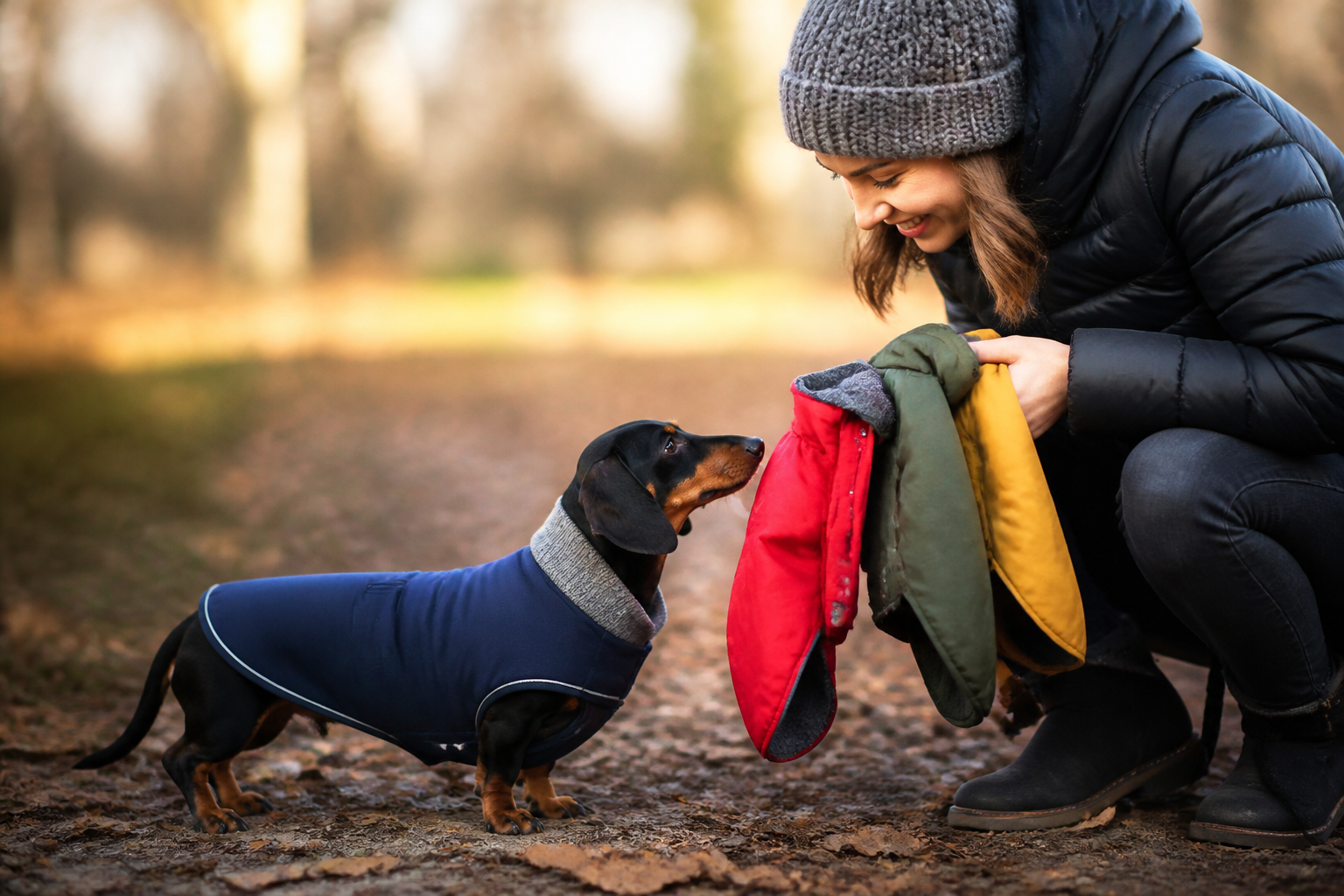
You are standing on a snow-covered sidewalk while your Dachshund refuses to take another step. The coat you bought fits their chest perfectly, but it leaves three inches of their lower back exposed to the freezing wind. This is the common struggle for owners of this unique breed. Finding a standard jacket that accommodates their long silhouette is difficult in most retail environments. At BaxterBoo, we understand that these low-riding hunters require specialized gear to stay warm and dry. This post covers how to measure your dog, why standard sizing often fails, and which materials work best for their deep chests and long spines. Our goal is to help you find a fit that protects your dog without restricting their movement. Choosing the right gear ensures your dog stays comfortable during every winter walk.
Why Standard Dog Coats Fail Dachshunds
Most dog clothing is designed for breeds with a square or rectangular proportion. A typical dog has a back length that is roughly equal to its height or chest girth. Dachshunds break all these rules. They have an elongated spine combined with a deep, protruding chest bone and very short legs. When you buy a generic coat, you usually face two problems. Either the coat is long enough but far too loose around the chest, or it fits the chest but ends halfway down the dog's back.
This is not just an aesthetic issue. A coat that is too short leaves the lower back and kidneys exposed to the cold. For a breed prone to spinal issues, keeping those muscles warm is a priority. Conversely, a coat that is too large in the chest can be dangerous. Your dog might trip over the excess fabric, or the coat could shift and rub against their front legs, causing painful chafing.
Dachshunds also sit very low to the ground. This means their underbelly is constantly exposed to wet grass, snow, and road salt. A standard coat often lacks the belly coverage needed to keep a "wiener dog" dry. Without a protective layer on the chest and stomach, your dog will soak up moisture like a sponge, leading to a rapid drop in body temperature. Browse our dog coats and clothing for styles to compare.
Quick Answer: Dachshunds need specialized coats because their long spines and deep chests do not fit standard dog sizing. Look for brands that offer "long" or "dachshund-specific" cuts to ensure the coat covers the entire back without being too loose in the chest.
Dog Coats


How to Measure Your Dachshund for a Coat
Getting an accurate measurement is the most important step in finding a coat that works. You cannot rely on weight alone. Two dogs that both weigh 12 pounds can have completely different body lengths. You will need a soft measuring tape and a few treats to keep your dog standing still. For more pointers, read our dog-clothing sizing tips.
Step 1: Measure the back length
Place the tape at the base of the neck, right where a collar would sit. Run the tape along the spine to the base of the tail. Do not measure up the neck or onto the tail itself. This number is the primary measurement for most dachshund-friendly brands like RC Pets.
Step 2: Measure the chest girth
Find the widest part of your dog's ribcage, which is usually right behind the front legs. Wrap the tape all the way around the chest. Ensure the tape is snug but not tight. You should be able to fit two fingers under the tape.
Step 3: Measure the neck circumference
Wrap the tape around the thickest part of the neck. This measurement is important for coats that have a high collar or a "snood" attachment. If the neck opening is too tight, it will be uncomfortable. If it is too loose, cold air and rain will slide right down inside the coat.
Key Takeaway: Always prioritize the back length and chest girth when shopping for this breed. If your dog falls between sizes, look for a coat with adjustable straps or Velcro closures to customize the fit.
Choosing the Best Materials for Your Dog
The climate you live in and your dog's specific coat type will determine which material is best. Smooth-haired Dachshunds have almost no undercoat and feel the cold immediately. Longhaired and wirehaired varieties have a bit more natural insulation, but they still struggle when their fur gets wet.
Raincoats and Wet Belly Syndrome
Wet belly syndrome is a real concern for short-legged dogs. Because they are so close to the pavement, their underside gets soaked even if it isn't currently raining. A high-quality raincoat should be completely waterproof, not just water-resistant. Look for a style that includes a chest and belly protector. This panel wraps under the dog and shields them from splashes and mud.
Puffer Jackets for Maximum Warmth
For freezing temperatures, a puffer jacket is the best choice. These coats use synthetic insulation to trap heat. They are especially helpful for senior dogs who can no longer regulate their body temperature well. Ensure the puffer jacket has a leash portal on the back. This allows you to attach a lead to a harness worn underneath the coat without breaking the thermal seal. You can compare coat styles in our dog clothing category.
Fleece Layers for Indoor and Outdoor Use
Fleece is a versatile material. It is lightweight, breathable, and dries quickly. Many owners use a thin fleece as a base layer on extremely cold days or as a standalone sweater for chilly indoor mornings. Fleece is also great because it usually has some stretch, which helps it contour to the unique curve of a Dachshund's ribs.
- Look for "ripstop" nylon for dogs who like to run through brush.
- Choose reflective piping for safety during dark winter evenings.
- Ensure the coat is machine washable to handle winter mud.
- Check for a harness hole if you do not use a collar.
Breed-Specific Health and Mobility Concerns
When we talk about Dachshund gear, we must mention spinal health. This breed is famously prone to Intervertebral Disc Disease (IVDD). While a coat cannot prevent a genetic condition, it can help keep the surrounding muscles warm and flexible. Cold muscles are more prone to strain, which can exacerbate existing back issues. Explore our dog healthcare and mobility products for other everyday care options.
Supporting Spinal Health
A coat that fits properly supports mobility. If a coat is too tight across the shoulders, your dog may change their gait to compensate. This altered movement puts uneven pressure on the spine. You want a coat that allows for a full range of motion in the front legs. Avoid coats with restrictive "sleeves" that might cause your dog to stumble.
Weight Management and Back Care
Keeping your dog at a lean weight is the single best thing you can do for their back. An overweight Dachshund puts immense stress on their long vertebral column. If your veterinarian has recommended a weight loss plan, nutrition is the primary tool. We carry several weight management options, such as Farmina Vet Life, to help your dog reach a healthy size.
Vet Tip: If your Dachshund shows signs of back pain, such as a hunched posture, shivering, or a refusal to jump, consult your veterinarian immediately. Prescription medications require veterinary guidance. Pet's Choice fulfils prescriptions through our pet pharmacy.
Managing Different Coat Types
Not all Dachshunds have the same grooming needs, and their gear should reflect that. A coat that works for a sleek smooth-hair might cause issues for a longhaired dog.
Smooth-Haired Dachshunds
These dogs are the most likely to need a coat as soon as the temperature drops below 50 degrees. Their skin is thin, and they have very little body fat. They benefit from soft linings like faux fur or fleece that won't irritate their skin.
Longhaired Dachshunds
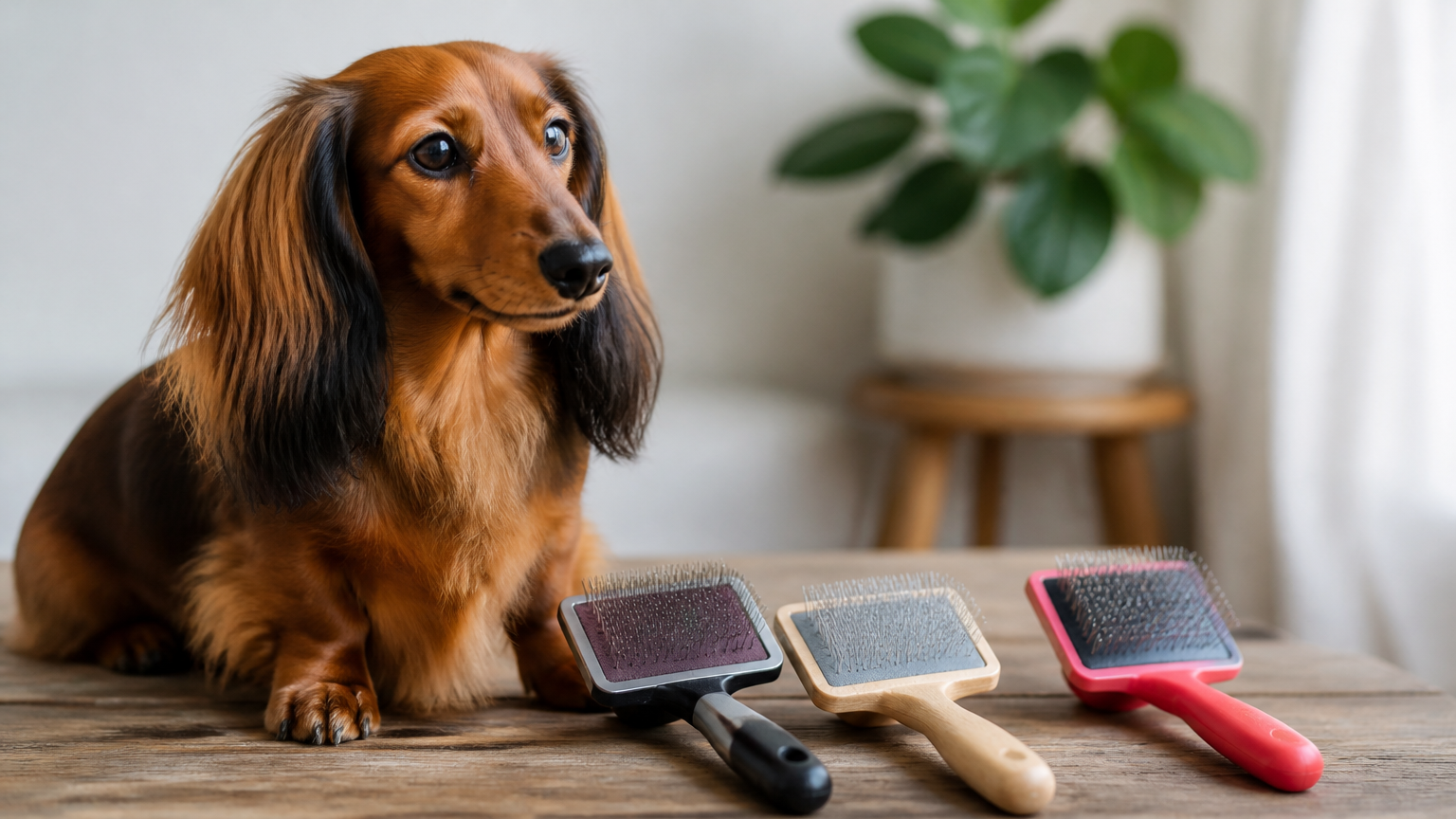
The challenge with longhaired dogs is matting. The friction of a coat rubbing against long, silky fur can create knots quickly. To prevent this, look for coats with a smooth nylon lining rather than a rough fleece interior. You should also brush your dog thoroughly after removing their coat to work out any tangles caused by the straps.
Wirehaired Dachshunds
Wirehairs have a coarse, weather-resistant outer coat and a dense undercoat. They tend to be the hardiest of the three varieties. However, their facial hair can get soaked and cold. A coat with a tall collar can help protect the neck and lower jaw area from the snow.
Bottom line: Match the coat material to your dog's hair type to prevent skin irritation or fur matting during long walks.
Tips for a Successful Fit
Once you have the coat, you need to check the fit in person. Put the coat on your dog and encourage them to walk around the house. Some dogs will "freeze" when they first feel the weight of a jacket. Use high-value treats from brands like Stella and Chewy's to motivate them.
Watch their front legs as they move. The fabric should not bunch up in the armpits. Check the length at the back. It should cover the base of the tail but not hang so low that it interferes with their ability to go to the bathroom. For male dogs, this is especially important. A belly panel that is too long will get soiled during walks. Many dachshund-specific coats have a deeper "cut-out" in the back of the belly panel to prevent this issue.
If the coat has Velcro, keep it clean. Dog hair and lint can build up in the hooks, making the closure less secure over time. If the coat uses buckles, ensure the straps are tucked away so your dog doesn't chew on them.
- Check for chafing under the front legs after the first few walks.
- Ensure the coat does not slide to one side as the dog walks.
- Verify that your dog can comfortably squat or lift a leg.
- Test the harness or collar attachment to make sure it is accessible.
Senior Dogs and Cold Sensitivity
As dogs age, they often lose muscle mass and have a harder time staying warm. A senior Dachshund might need a coat even for short potty breaks. Many older dogs also suffer from arthritis in their hips and shoulders. A coat that zips up the back is often easier for a senior dog than a "step-in" style that requires them to lift their legs.
You might also consider adding joint supplements to their routine. Products like Cosequin can support mobility and keep those joints moving comfortably. If your senior dog has significant mobility challenges, we offer various medical and mobility aids in our warehouse and online. Keeping them warm is just one part of a larger senior care plan.
Our pharmacy provides access to many chronic care medications through Pet's Choice. If your senior dog requires prescription anti-inflammatories or specialized diets for age-related conditions, we can help fulfill those needs with the convenience of home delivery. Find more practical considerations in our guide to sizing dog clothing.
Key Takeaway: Senior Dachshunds require extra warmth and gear that is easy to put on. Prioritize comfort and ease of use to keep your aging friend active during the winter months.
Conclusion
Finding the right dog coats for your Dachshund requires a bit more effort than shopping for a standard-sized breed. By focusing on accurate measurements of the back and chest, you can find a jacket that provides full coverage without restricting movement. Whether you need a lightweight raincoat to combat "wet belly syndrome" or a heavy puffer for midwestern winters, the right gear makes every outing more enjoyable. At BaxterBoo, we pride ourselves on selecting products that meet the specific needs of unique breeds like yours. We have been helping pet owners find the perfect fit since 2006.
- Always measure the back length from the neck to the tail base.
- Prioritize waterproof belly panels for short-legged dogs.
- Consult your vet about spinal health and weight management.
- Use smooth linings for longhaired dogs to prevent matting.
Bottom line: A well-fitting coat is an investment in your Dachshund's comfort and spinal health. Visit our dog clothing section to find a wide variety of styles designed for the unique "long and low" silhouette.
FAQ
How do I know if a coat is long enough for my Dachshund?
A coat is long enough if it reaches the base of the dog's tail without hanging over it. You want to ensure the entire spine is covered to keep the back muscles warm. If the coat ends several inches before the tail, it is too short and will not provide adequate protection from the wind and cold.
Can a Dachshund wear a standard dog coat?
While some standard coats might work, they usually fit poorly because they are too short or too loose in the chest. A standard coat that fits the length of a Dachshund is often so wide in the chest that the dog can trip over the fabric. It is always better to look for brands that offer specific sizing for long-bodied breeds.
What is the best coat for a Dachshund that hates the rain?
The best choice is a completely waterproof raincoat with a full belly coverage panel. Many Dachshunds hate the rain because the water splashes up onto their stomach from the ground. A coat that shields their underside can make them feel much more secure and willing to walk in wet weather.
Should I size up for a Dachshund with a deep chest?
You should only size up if the chest measurement of the coat is smaller than your dog's actual girth. However, if you size up too much, the coat may become too long or too baggy. Look for coats with adjustable Velcro or elastic chest panels, as these allow you to accommodate a deep chest without sacrificing the overall fit of the jacket.



- Site & Contents BaxterBoo.com. BaxterBoo is located in the United States.
- Privacy & Security
- Terms of Use
- Accessibility Statement
