
 Save 15% on your 1st Autoship learn more

 Email us
 Live Chat
 FAQs





Introduction
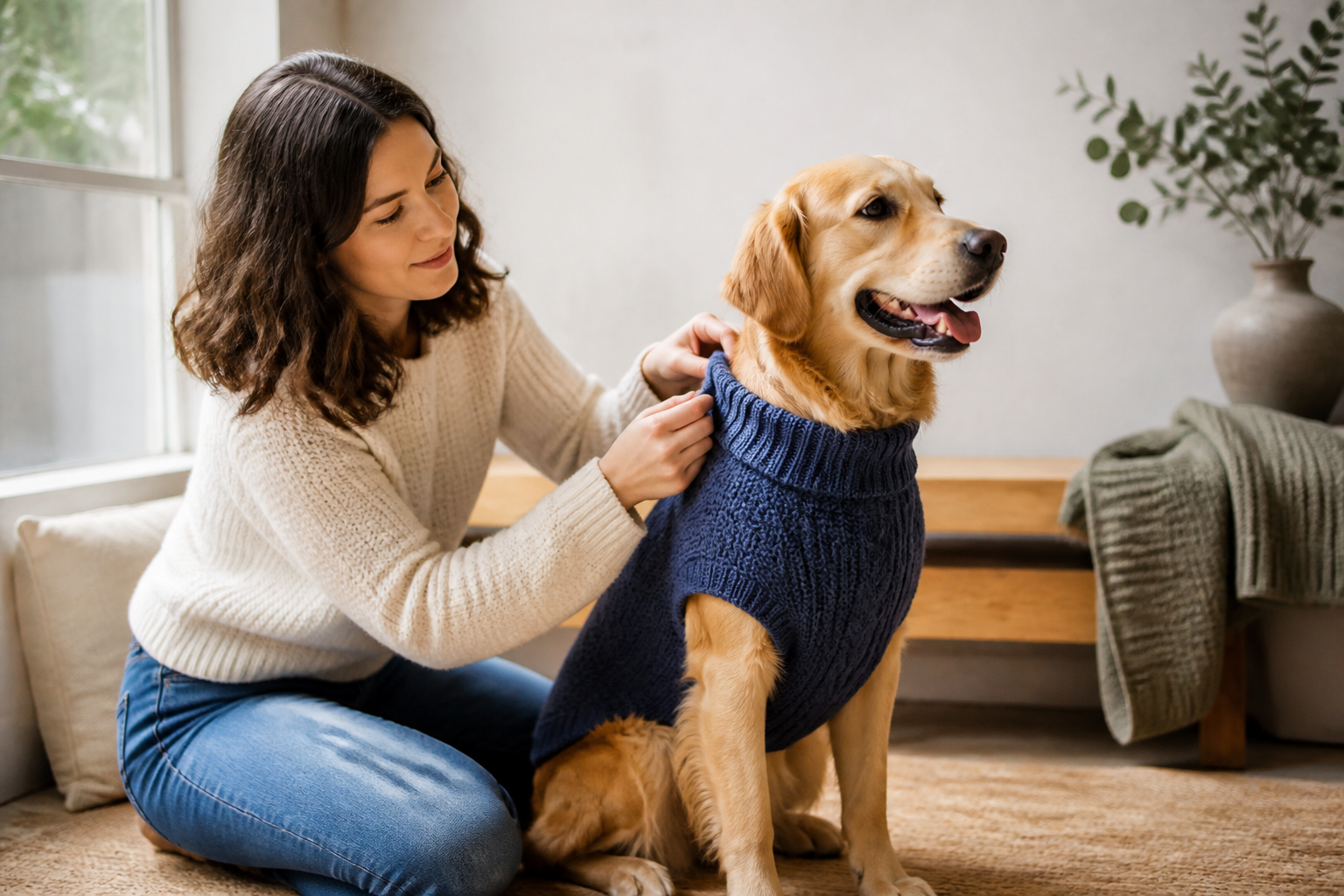
You finally found a sweater with the perfect pattern. The colors are right and the style is exactly what you wanted for your pup. Then you try to put it on and realize the neck is too tight while the stomach area hangs inches below their chest. This is a common struggle for dog owners who have breeds with unique body shapes. Standard sizing often misses the mark for broad-chested Bulldogs or long-bodied Dachshunds. At BaxterBoo, we know that a good sweater is about more than just a cute design. It is about keeping your dog warm without restricted movement. This post covers how to choose between personalized name sweaters and made-to-measure sizing. We will explain how to measure your dog accurately and which materials provide the best comfort for different coats. Finding the right custom dog sweaters ensures your pet stays cozy and stylish all season long.
Quick Answer: Custom dog sweaters typically refer to two things: items personalized with a name or photo and sweaters made to fit a dog's specific body measurements. For the best result, choose a style that offers adjustable features or provides a size chart based on back length and chest girth rather than just weight.
Understanding the Different Types of Customization
When you start looking for custom dog sweaters, you will find two main paths. The first is visual customization. This includes adding your dog’s name, initials, or even a knitted version of their face onto the fabric. This is a great choice for gifts or special events like holiday photos. It turns a functional piece of clothing into a keepsake. These items are often standard sizes that simply receive custom embroidery or specialized knitting.
The second type of customization is functional. This is where the sweater is made-to-measure. Instead of choosing Small, Medium, or Large, you provide specific inches for the neck, chest, and length. This is vital for dogs that fall between sizes. It is also the best option for senior dogs who might need a sweater that is easier to put on and take off due to joint stiffness.
Personalized Name Sweaters
Adding a name to a sweater is one of the most popular ways to customize pet gear. You can choose from embroidered names that sit on top of the fabric or intarsia knits where the name is part of the pattern. Embroidery is usually more durable and stands out clearly. Intarsia knitting feels softer against the dog because there are no heavy threads on the inside.
Photo-to-Knit Designs
Some specialty services allow you to upload a photo of your pet to create a one-of-a-kind sweater. The design team then translates that image into a knit pattern. These are often used for human sweaters too so you can match your dog. While these are high in "cute factor," always check the fabric quality to ensure it is breathable for your pet.
Dog Sweaters


Why Sizing Matters for Custom Dog Sweaters
A poorly fitting sweater is more than just an eyesore. It can be a safety hazard. If a sweater is too loose, your dog might get their legs caught in the fabric while running. This can lead to trips or falls. If it is too tight, it can chafe the sensitive skin under their front legs. It can also restrict their breathing or cause them to overheat. For more on choosing a comfortable garment, read our tips for sizing dog clothes and costumes.
Custom sizing solves the "standard size" dilemma. Many commercial brands base their sizes on breed averages. However, every dog is an individual. A Pug and a Miniature Pinscher might weigh the same but their body shapes are completely different. The Pug needs more room in the neck and chest, while the Pinscher needs a longer, slimmer fit.
The Problem With Weight-Based Sizing
Never buy a sweater based on your dog's weight alone. Weight does not account for muscle mass or bone structure. A twenty-pound French Bulldog is much wider than a twenty-pound Italian Greyhound. Always look for chest girth and back length measurements when looking at custom options.
Key Takeaway: Proper fit is the most important part of any custom garment. A custom-made sweater should allow your dog to move, jump, and go to the bathroom without any fabric getting in the way.
How to Measure Your Dog for a Custom Fit
To get a truly custom fit, you need a soft measuring tape. If you do not have one, use a piece of string and then measure the string against a ruler. Accuracy is the difference between a sweater they love and one they try to chew off. For more fit and durability pointers, see our guide to choosing a durable dog sweater.
Step 1: Measure the chest girth.
Find the widest part of your dog’s ribcage, usually right behind the front legs. Wrap the tape around the entire chest. Keep it snug but not tight.
Step 2: Measure the back length.
Find the base of the neck where the collar sits. Measure from that point along the spine all the way to the base of the tail. Do not include the tail in this measurement.
Step 3: Measure the neck circumference.
Wrap the tape around the thickest part of the neck. This is where the sweater opening will sit. Use the "two-finger rule" by sliding two fingers under the tape to ensure it is not too tight.
Step 4: Check for "low clearance" areas.
For male dogs, check where the sweater ends underneath. A custom sweater should be cut shorter on the belly to avoid any accidents when they go to the bathroom.
Measuring Checklist
- Always measure while the dog is standing on all four paws.
- Write down your measurements in both inches and centimeters.
- Measure twice to ensure you did not miss a spot.
- Account for thick fur by adding a half-inch to the girth measurement if your dog has a heavy double coat.
Choosing the Best Material for a Dog Sweater
The fabric you choose for custom dog sweaters determines how warm it will be and how long it will last. Some dogs have sensitive skin and might react to certain fibers. Others are "rough and tumble" and need something that can survive a trip through the mud. Browse our dog sweater selection to compare available styles and materials.
Acrylic and Synthetic Blends
Acrylic is the most common material for pet sweaters. It is affordable and holds its shape well. It is also machine washable, which is a major plus for active dogs. Most personalized sweaters use acrylic because it holds dyes well and provides a vibrant background for names and logos.
Wool and Natural Fibers
Wool is incredibly warm and naturally water-resistant. It is a great choice for dogs living in very cold or damp climates. However, some dogs find wool itchy. If your dog has short hair or a thin coat, a wool sweater might cause skin irritation. Cotton is a lighter alternative that is very soft but does not provide much warmth when wet.
Fleece Options
While not a traditional "knit," many custom sweaters use high-quality fleece. Fleece is lightweight and dries quickly. It is often the best choice for dogs with skin allergies because it is very smooth.
Vet Tip: If your dog has a history of skin sensitivities or allergies, choose a breathable cotton blend or high-quality fleece. Avoid rough wools that can cause contact dermatitis or redness in the armpit area. If you notice your dog scratching while wearing their sweater, consult your veterinarian to check for skin irritation.
Breed-Specific Customization Needs
Certain breeds almost always require custom sizing. If you own one of these dogs, you likely already know the frustration of the "Medium" being too small and the "Large" being too long. For another perspective on fit, see our article about dog apparel comfort and sizing.
Broad-Chested Breeds
Bulldogs, Boxers, and Pit Bull Terriers have very wide chests compared to their waist and neck size. They often need a "barrel chest" cut. This provides extra fabric in the front without leaving a giant gap at the back of the sweater. Custom dog sweaters for these breeds often feature a shorter back length to match their compact frames.
Deep-Chested, Narrow-Waisted Breeds
Greyhounds, Whippets, and Great Danes have deep chests but very thin waists. Standard sweaters often flap around their bellies, which allows cold air to get in. A custom fit ensures the sweater hugs their body properly. This is especially important for sighthounds who have very little body fat to keep them warm.
Long and Short Breeds
Dachshunds and Corgis are the classic examples here. They need the length of a Large sweater but the girth of a Small. A custom sweater for a Dachshund prevents the back of the garment from dragging on the ground or getting stepped on.
Bottom line: Breeds with non-standard proportions benefit the most from custom-length adjustments to prevent tripping or dragging.
Safety and Comfort Considerations
Customization should never come at the expense of safety. When designing or choosing a sweater, look closely at the "extras" like buttons, zippers, and hoods.
Dangers of Small Attachments
Buttons and sequins are common on personalized items. However, many dogs are tempted to chew on these. If swallowed, they can cause a dangerous intestinal blockage. If you choose a sweater with these details, always supervise your dog while they are wearing it. For the safest custom dog sweaters, stick to embroidered names or patterns knitted into the fabric.
Overheating Risks
It is easy to forget that dogs already have a coat. A sweater that is too thick can cause a dog to overheat, even in cool weather. Panting, lethargy, and a bright red tongue are signs your dog is getting too warm. If you are going for a long walk or a hike, choose a lighter custom knit that allows for better airflow.
Mobility and Range of Motion
The leg holes are a critical part of a custom fit. They should be wide enough that your dog can walk and run naturally. If the holes are too small, they will restrict the shoulders. If they are too large, the dog might tuck a leg inside the sweater and get stuck.
Introducing Your Dog to Their New Sweater
Not every dog is a natural fashion model. Some pets freeze in place when you put clothes on them. Others might try to back out of the sweater immediately.
Step 1: Let them sniff it.
Place the new sweater on the floor and let your dog investigate. Give them a treat when they show interest.
Step 2: Practice the head opening.
Gently slide the neck of the sweater over their head. Use a high-value treat to pull their nose through the opening. Take it off immediately and reward them.
Step 3: Add the legs.
Once they are comfortable with the head opening, gently guide their legs through the holes. Keep the session short and positive.
Step 4: Walk around.
Have your dog move around the house while wearing the sweater. Use toys or treats to encourage normal movement.
Care and Longevity of Custom Sweaters
Custom items often require a little more care than mass-produced ones. Because of the specialized knits or embroidery, a rough wash cycle can ruin the design.
- Turn it inside out: This protects embroidery and names from snagging on other items in the wash.
- Use a laundry bag: A mesh bag prevents the sweater from stretching out of shape.
- Air dry: High heat in the dryer can shrink natural fibers and cause acrylic to pill or lose its softness.
- Check for loose threads: Regularly inspect the inside of the sweater for loops or threads that could catch on your dog's nails.
Key Takeaway: Hand-washing or using a gentle cycle in a laundry bag will keep a custom sweater looking new and prevent the personalized elements from fading.
When to Seek Professional Advice
While sweaters keep dogs warm, they can also hide underlying skin issues. If you notice your dog is losing hair where the sweater sits, or if they seem excessively itchy after wearing it, it might not be the fit. It could be a material allergy or a skin condition. Our pharmacy at BaxterBoo offers various skin and coat care options that can help manage these issues. We work with Pet's Choice to provide FDA-approved medications and prescription diets if your vet determines your dog has a specific health need.
Always monitor your dog’s skin for redness or bumps. If you are using a sweater to cover a surgical site or a healing wound, check with your veterinarian first. They can tell you if a sweater provides the right protection or if it might trap moisture and lead to an infection.
Conclusion
Custom dog sweaters are an excellent way to combine personality with a perfect fit. Whether you are adding a name for a photo shoot or ordering a made-to-measure piece for a hard-to-fit breed, the right garment makes a world of difference. Remember to focus on accurate measurements, choose breathable materials, and always prioritize safety over style.
- Measure your dog's chest, neck, and length while they are standing.
- Choose acrylic for easy care or wool for maximum warmth.
- Avoid small buttons or sequins that could become choking hazards.
- Always supervise your dog during their first few times wearing a new sweater.
Bottom line: A custom sweater should be a comfortable extension of your dog's natural coat, providing warmth without restriction.
If your dog needs a new layer for the upcoming season, explore our full collection of dog sweaters and cold-weather gear to find the right style for your pup.
FAQ
How do I know if a custom dog sweater is too tight?
You should be able to slide two fingers comfortably between the sweater and your dog's neck and chest. If the fabric leaves indentations in their fur or if they seem hesitant to sit or lie down, it is likely too restrictive. Watch for any signs of redness or chafing under the armpits after they take it off.
Can my dog wear a custom sweater all day?
It is best to take the sweater off when your dog is indoors and the house is warm. Wearing clothes 24/7 can lead to matted fur and skin irritation because air cannot reach the skin. Always remove the sweater at night to give their skin a break and prevent the risk of snagging the fabric on their crate or bedding.
What is the best material for a dog with allergies?
Cotton and high-quality synthetic fleece are usually the safest bets for dogs with sensitive skin. These materials are smooth and do not have the tiny scales found in wool fibers that can cause itching. If your dog has severe allergies, look for sweaters with minimal dyes and avoid anything with heavy perfumes or chemical finishes.
Should I get a custom sweater for a puppy?
Since puppies grow very quickly, a made-to-measure custom sweater might only fit for a few weeks. It is often better to choose a personalized sweater in a standard size that they can grow into. If you do order a custom fit for a puppy, add an extra inch or two to the chest measurement to allow for a little growth.


- Site & Contents BaxterBoo.com. BaxterBoo is located in the United States.
- Privacy & Security
- Terms of Use
- Accessibility Statement
