
 Save 15% on your 1st Autoship learn more

 Email us
 Live Chat
 FAQs
FAQs





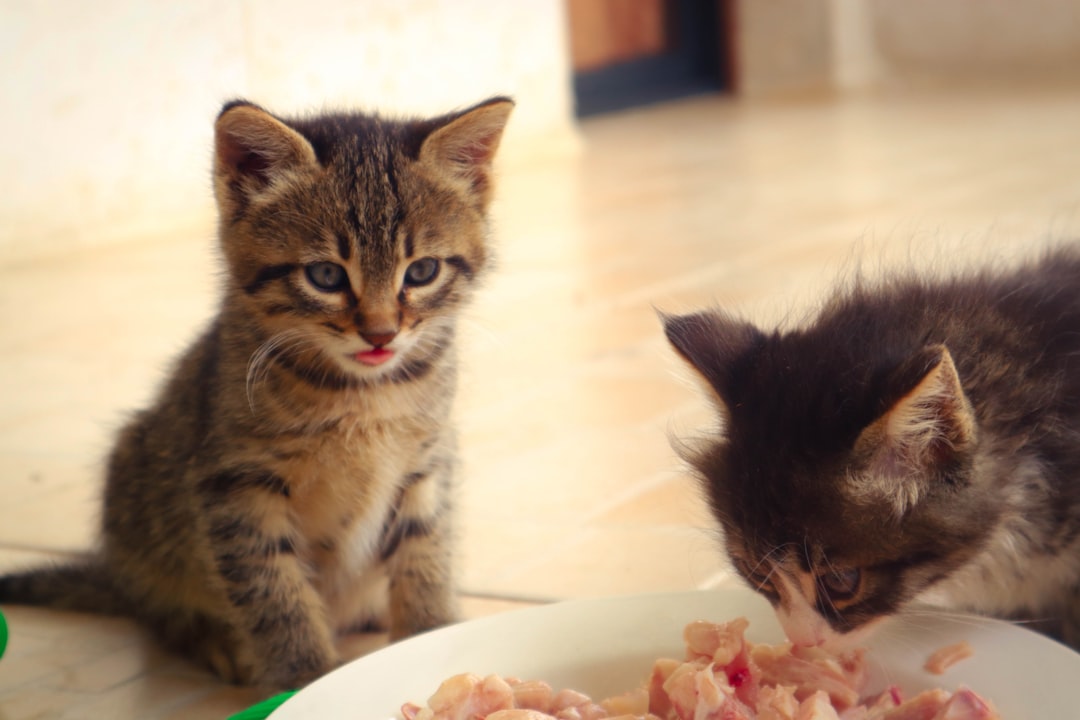
Why Kitten Digestive Health Matters
Kitten sensitive stomach issues are common and can be scary for new pet parents. With developing immune systems and digestive tracts, kittens are especially vulnerable to illness, dehydration, and nutritional deficiencies.
Quick Answer: Best Foods for Kittens with Sensitive Stomachs
- High-protein wet foods with easily digestible animal proteins (at least 40% protein on a dry matter basis)
- Limited ingredient diets with single protein and carbohydrate sources to identify triggers
- Formulas with prebiotics and probiotics to support gut health
- Grain-free or low-carbohydrate options (maximum 3% carbs) designed for obligate carnivores
- Gradual food transitions over 7-10 days to prevent digestive upset
A kitten's digestive system isn't fully developed until about four months of age. With a stomach the size of a walnut, they can become dehydrated or undernourished quickly. The most common culprits are parasites, gastroenteritis, and dietary indiscretion (eating things they shouldn't).
While most tummy troubles resolve within a day, a kitten's vulnerability means that knowing what to feed them—and when to see a vet—is critical to prevent a minor issue from becoming a health crisis.
The good news? With the right food and feeding approach, you can support your kitten's developing digestive system. We've researched and tested dozens of kitten foods to bring you this guide to the best options for sensitive tummies.
Spotting the Signs and Understanding the Causes
Your kitten's playful energy is a great health indicator. A sudden shift often means their tummy is trying to tell you something. Catching digestive issues early is crucial for these small, developing animals.
Key Signs of an Upset Stomach:
- Vomiting: Frequent vomiting (more than once a week) or vomiting with little hair is a red flag. It could be from eating something they shouldn't or a more serious issue.
- Diarrhea: Loose, watery, or unusually frequent stools indicate digestive distress. Diarrhea is especially dangerous for kittens due to the rapid risk of dehydration.
- Decreased Appetite: If your kitten avoids their food bowl or eats significantly less for more than a day, they likely don't feel well. This needs attention as they require many calories for growth.
- Lethargy: A sudden drop in energy, sleeping more, or no interest in play can signal an upset stomach or other illness.
- Abdominal Pain & Hiding: Watch for a hunched posture or crying when picked up. Cats are masters at hiding discomfort, so increased hiding or withdrawal can also be a sign that something is wrong.
Why Does My Kitten Have an Upset Stomach?
Getting to the root of your kitten sensitive stomach is key. The most common culprits are:
- Dietary Indiscretion: This is the vet term for eating something they shouldn't. Kittens are curious and may sample dropped food, trash, or houseplants, which their sensitive systems can't handle.
- Sudden Food Changes: Switching foods without a gradual transition can shock a kitten's delicate digestive tract, causing diarrhea or vomiting.
- Parasites: Coccidia, roundworms, and Giardia are common in kittens and can cause persistent digestive issues. Regular deworming is essential. Learn more from Cornell Feline Health Center's guide to gastrointestinal parasites in cats.
- Stress: Moving to a new home, meeting new pets, or routine changes can all trigger digestive upset, especially during key growth stages.
- Food Allergies and Intolerances: While less common, some kittens react to specific ingredients. Beef, chicken, and fish are the most frequent protein allergens. Your vet may suggest a hypoallergenic diet to diagnose this.
- Gastroenteritis: This inflammation of the stomach and intestines can result from infections, parasites, or severe dietary indiscretion.
When to See a Vet for a Kitten Sensitive Stomach
While minor issues often resolve in a day, a kitten's fragility means some symptoms require immediate veterinary attention. Dehydration is the biggest concern, as vomiting and diarrhea cause fluid loss, and cats have a weak thirst drive.
Contact your veterinarian immediately if you notice:
- Symptoms lasting more than 24 hours.
- Blood in their stool or vomit.
- Severe lethargy or weakness.
- Signs of dehydration: sunken eyes, loss of skin elasticity, or dry gums.
- Weight loss or failure to gain weight.
- Obvious abdominal pain.
Your vet will perform an exam and may recommend fecal tests to detect parasites or blood work to assess overall health. Imaging like X-rays might be needed to check for obstructions. For suspected food allergies, a controlled diet trial may be suggested. Early intervention is key to getting your kitten back to their playful self. Trust your instincts and call your vet if you're concerned.
Our Favorite Types of Food for a Kitten Sensitive Stomach
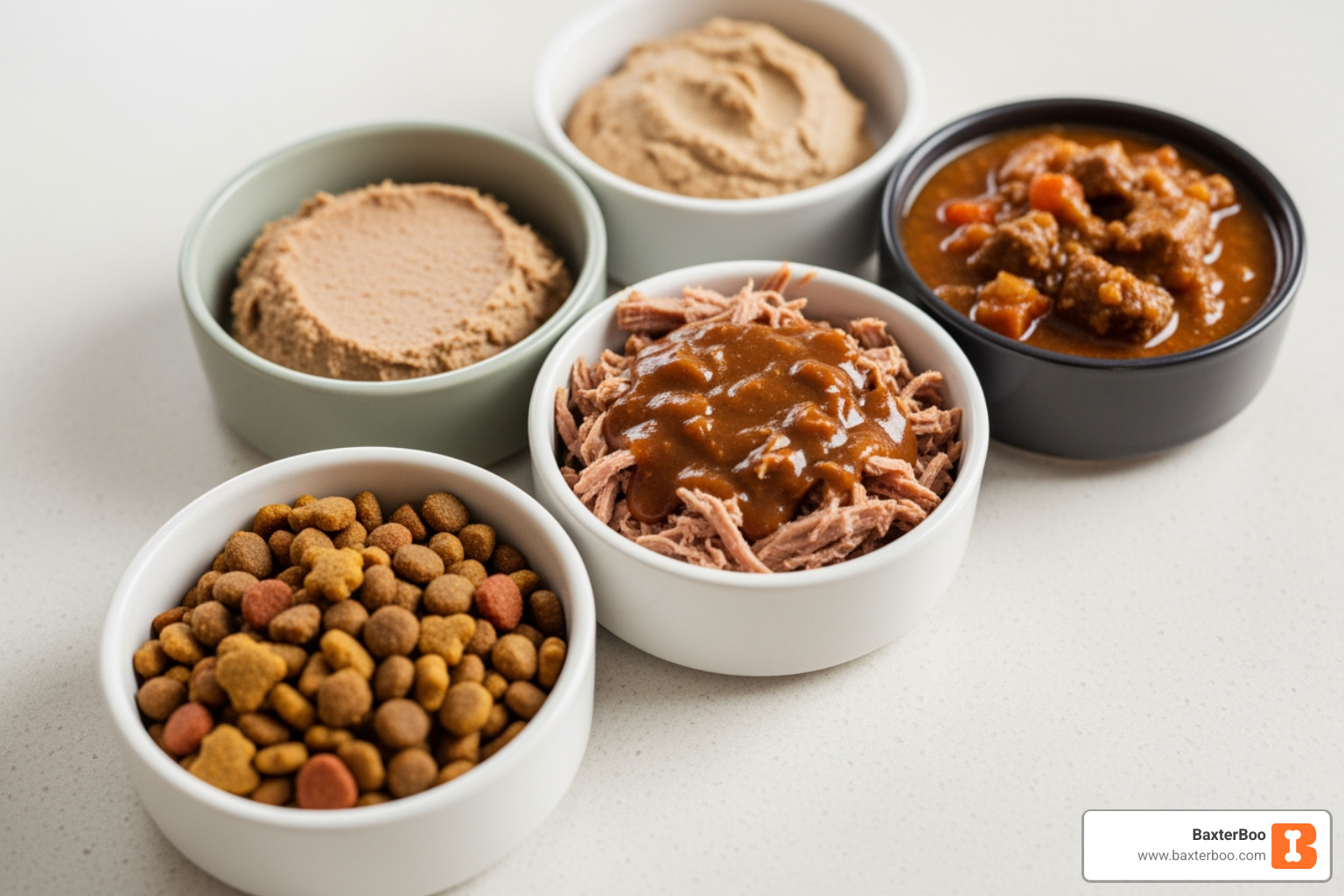
Choosing the right food for a kitten sensitive stomach is about supporting their developing digestive system while meeting their high nutritional needs for growth. At BaxterBoo, we curate our selection to meet AAFCO standards, which you can review in their nutrient profiles here, and align with WSAVA Global Nutrition Guidelines.
While standard kitten food requires at least 30% protein, veterinary nutritionists often recommend at least 40% protein on a dry matter basis for kittens with sensitive stomachs. This high protein content provides the building blocks for a healthy gastrointestinal tract. Let's explore the best food types.
High-Protein, Easily Digestible Wet Foods
High-quality wet food is often the best choice for kittens with digestive issues.
The primary benefit is moisture. Wet foods contain 75-78% water, which is crucial for preventing dehydration in kittens experiencing vomiting or diarrhea. Since cats have a low thirst drive, wet food delivers hydration with every meal.
As obligate carnivores, cats thrive on animal protein and fat, not carbohydrates. Wet foods are naturally low in carbs (ideally under 3%), putting less strain on a kitten's digestive system. The best options list animal-based proteins like chicken or turkey as the first ingredients.
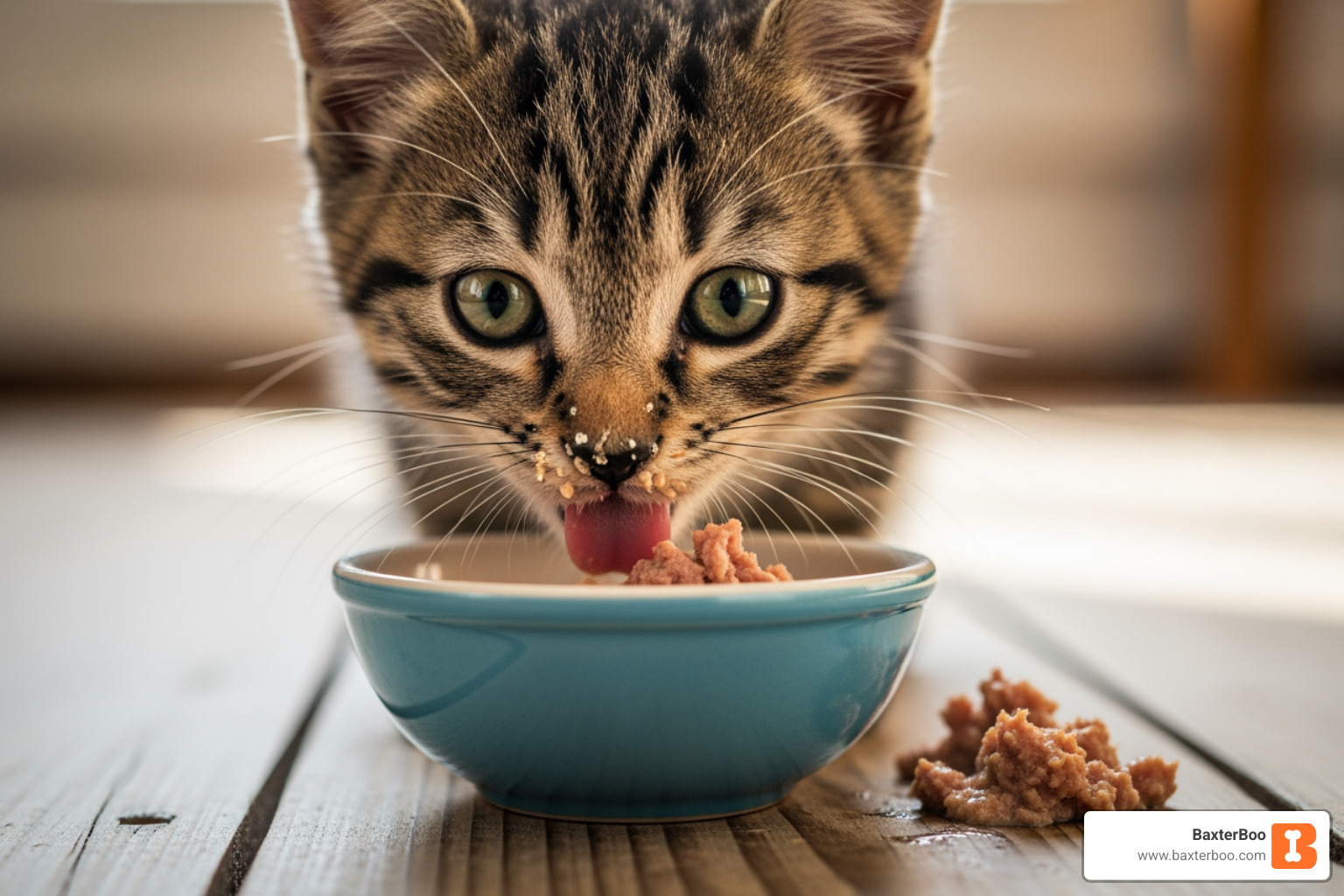
Wet food is also highly palatable, with an appealing aroma that can encourage a kitten with a low appetite to eat. When shopping, look for formulas that exceed the 40% protein threshold (on a dry matter basis) and are designed for easy digestion.
Limited Ingredient Diets (L.I.D.)
If tummy troubles persist, your vet might suggest a Limited Ingredient Diet (L.I.D.). The concept is simple: fewer ingredients mean fewer potential triggers. By simplifying the diet, you can pinpoint what's causing the problem.
Most L.I.D.s feature a single, novel protein source that your kitten hasn't eaten before, such as duck, rabbit, or venison. This avoids common allergens like beef, chicken, and fish. They also typically use a single carbohydrate source like green peas.
Identifying allergens via a diet trial requires patience (3-4 months) and strict adherence—no treats or scraps. Your vet may recommend one of three types:
- Over-the-counter L.I.D.s: Good for mild sensitivities.
- Veterinary prescription diets: Use novel proteins with strict manufacturing to prevent cross-contamination.
- Hydrolyzed protein diets: Also prescription-only, these feature proteins broken down so small the immune system doesn't recognize them.
Your veterinarian will help you choose the right path for your kitten.
Formulas with Prebiotics and Probiotics
Your kitten's digestive tract contains a community of microorganisms called the gut microbiome. When this ecosystem is balanced, digestion is smooth.
- Probiotics are the beneficial bacteria that help maintain this balance.
- Prebiotics are the food for these good bacteria, helping them thrive.
Many sensitive stomach formulas include prebiotic fiber sources like beet pulp, inulin (from chicory root), and pumpkin. These are excellent fuel for beneficial gut bacteria.
A healthy gut microbiome also supports the immune system, as a large part of it resides in the gut. By feeding prebiotics and probiotics, you can bolster your kitten's overall immune response. Look for these ingredients on the label. Your vet can also recommend a probiotic supplement specifically for cats.
Long-Term Strategies for Your Kitten's Digestive Health
Once you've found the right food for your kitten sensitive stomach, the next step is maintaining digestive wellness through consistent, healthy habits. Prevention is easier than treatment, and establishing good feeding practices now sets your kitten up for a lifetime of health. Let's cover the two most important strategies.
How to Properly Transition to a New Food
Switching foods too quickly is a common cause of digestive upset. A kitten's system needs time to adapt to new ingredients and produce the right enzymes. An abrupt change can lead to vomiting and diarrhea.
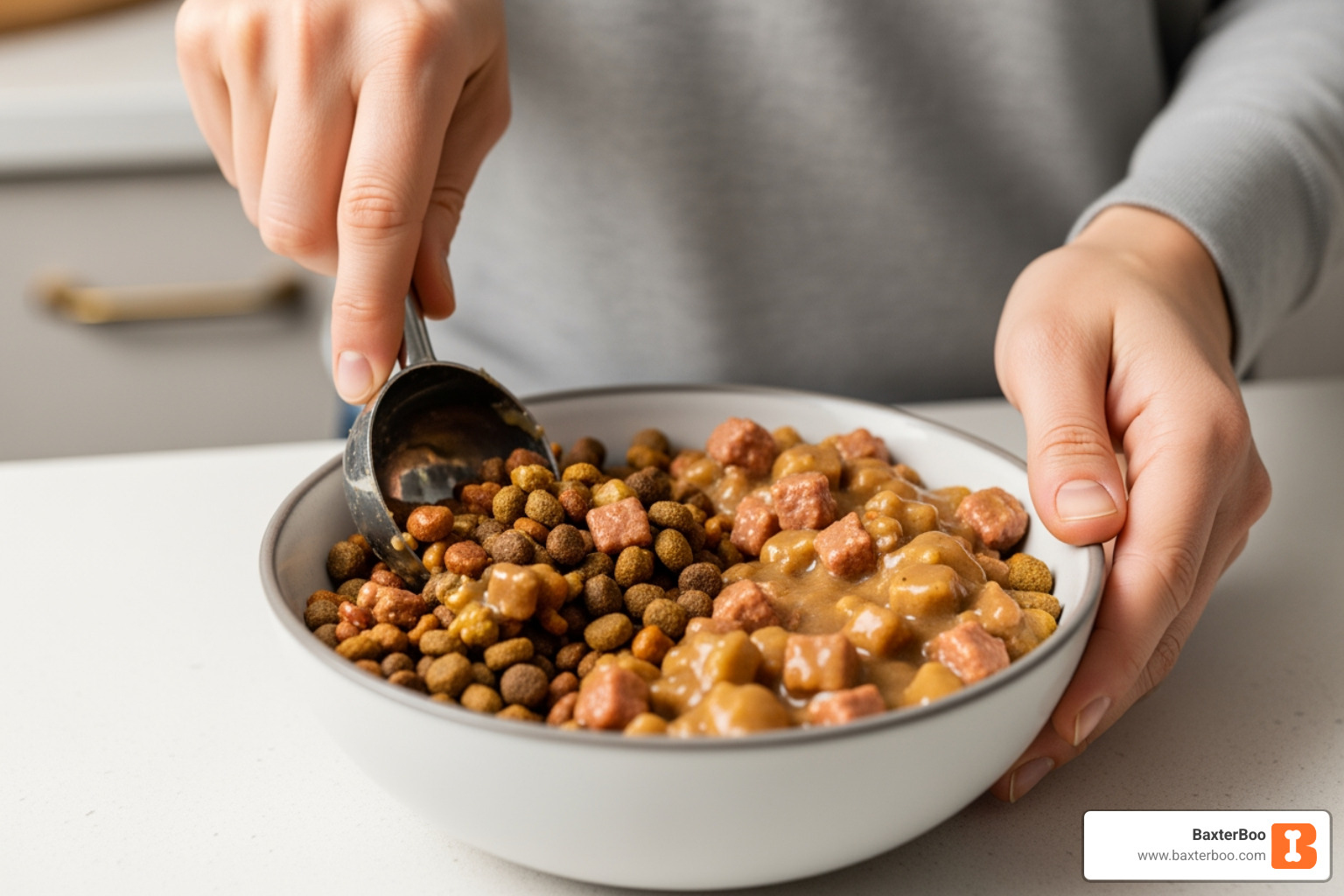
The solution is a gradual transition over 7-10 days. Start by mixing a small amount of the new food with their current food, then slowly increase the proportion of the new food.
| Day | Old Food Percentage | New Food Percentage |
|---|---|---|
| Day 1-2 | 75% | 25% |
| Day 3-4 | 50% | 50% |
| Day 5-6 | 25% | 75% |
| Day 7+ | 0% | 100% |
Mix the foods thoroughly so your kitten can't pick out their old favorites. This slow introduction allows their digestive system to adjust naturally. If you see any signs of upset, slow down the transition and stay at the current ratio for a few more days.
Creating a Healthy Feeding Routine
A kitten's stomach is only about the size of a walnut, and their digestive system isn't fully mature until four months of age. How you feed is as important as what you feed.
Small, frequent meals are key. This pattern mimics how cats eat in the wild and prevents overwhelming their small stomachs. Offering one or two large meals can lead to the "scarf and barf" scenario. Your vet can help determine the right daily calorie intake and meal frequency for your kitten's age and weight.
Portion control is also vital. Free-feeding often leads to overeating and stomach upset. Scheduled meals create a healthy digestive rhythm.
Puzzle feeders are a fantastic tool. They dispense food slowly, forcing your kitten to eat at a healthier pace, which aids digestion. This also provides mental stimulation, mimicking natural hunting behaviors. Products like the Doc & Phoebe's™ indoor hunting cat feeder kit are great for this.
Finally, consistency is key. Regular feeding times help regulate your kitten's digestive system and reduce mealtime anxiety.
Frequently Asked Questions about Kitten Tummy Troubles
We understand that dealing with a kitten sensitive stomach can bring up a lot of questions. Here are some of the most common inquiries we receive, answered with our expert knowledge.
What makes a kitten food good for a sensitive stomach?
An ideal kitten food for a sensitive stomach has:
- Easily Digestible Proteins: High-quality animal proteins like chicken or turkey (at least 40% on a dry matter basis) are easiest for a kitten's system to process.
- Limited, High-Quality Ingredients: Fewer ingredients mean fewer potential irritants. L.I.D.s often use a single protein and carbohydrate.
- No Artificial Additives: Avoid artificial colors, flavors, preservatives, and fillers like corn, wheat, or soy.
- Prebiotics or Probiotics: Ingredients like beet pulp or inulin support a healthy gut microbiome.
- Appropriate Fat and Fiber: Moderate levels of fat and fiber (1-8% crude fiber) aid digestion.
- High Moisture Content: Wet foods (75-78% moisture) are excellent for hydration and easier digestion.
Is wet or dry food better for a kitten with a sensitive stomach?
For most kittens with sensitive stomachs, wet food is often better.
- Higher Moisture: Wet food (75-78% moisture) is crucial for hydration, especially for kittens with vomiting or diarrhea. It helps compensate for a cat's naturally weak thirst drive.
- Lower in Carbohydrates: As obligate carnivores, cats digest high-protein, low-carb diets more easily. Wet food naturally fits this profile better than most kibble.
- Easier to Digest: The soft texture is gentle on a developing digestive tract.
- More Palatable: The strong aroma can entice a kitten with a poor appetite to eat.
While some specialized dry foods exist, wet food is generally the gentler, more hydrating option. If you have a fussy eater, you can find more information here: More info about fussy cat food.
Can I give my kitten probiotics?
Yes, probiotics can be very helpful for a kitten's digestive health.
- Balances Gut Flora: They introduce beneficial bacteria to the gut, which is crucial for proper digestion and nutrient absorption.
- Supports Immune Health: A large part of the immune system is in the gut, so a balanced microbiome strengthens overall immunity.
However, it is essential to:
- Use a Cat-Specific Product: Human probiotics contain different bacterial strains. Always use a supplement formulated for cats.
- Consult Your Veterinarian: Always speak with your vet before starting any supplement. They can confirm if it's appropriate, recommend a product and dosage, and rule out underlying medical issues.
A Lifetime of Happy Tummies
Dealing with a kitten sensitive stomach requires patience, but with the right approach, your furry friend can thrive.
We've covered how to recognize warning signs, understand common causes, and know when to call the vet. For diet, we've seen that high-protein, easily digestible wet foods, limited ingredient diets, and formulas with prebiotics and probiotics are excellent choices.
How you feed matters as much as what you feed. A gradual food transition and a routine of small, frequent meals are foundational habits for digestive health.
Your veterinarian is your most important partner. They can diagnose underlying issues and guide you through pet nutrition.
At BaxterBoo, we understand this can be overwhelming. That's why we offer a curated selection of high-quality, vet-approved foods to support your kitten's developing digestive system. We are committed to helping you find exactly what your little one needs for a lifetime of wellness. Find the perfect diet for your pet and explore our range of expertly chosen products.
Your kitten is counting on you, and you're now equipped to give them the happy, healthy tummy they deserve.






