Save 15% on your 1st Autoship learn more

 Email us
 Live Chat
 FAQs
FAQs





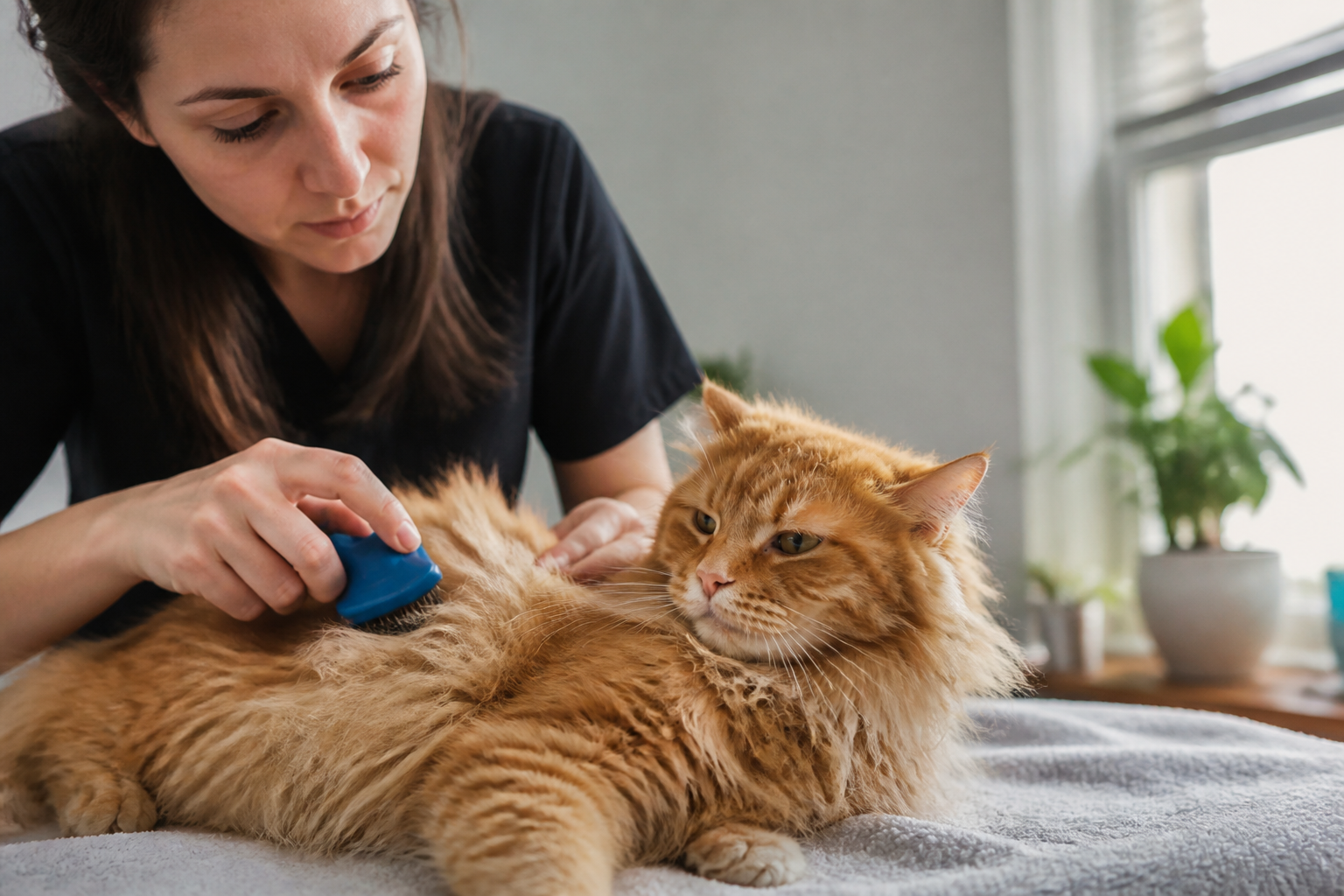
Introduction
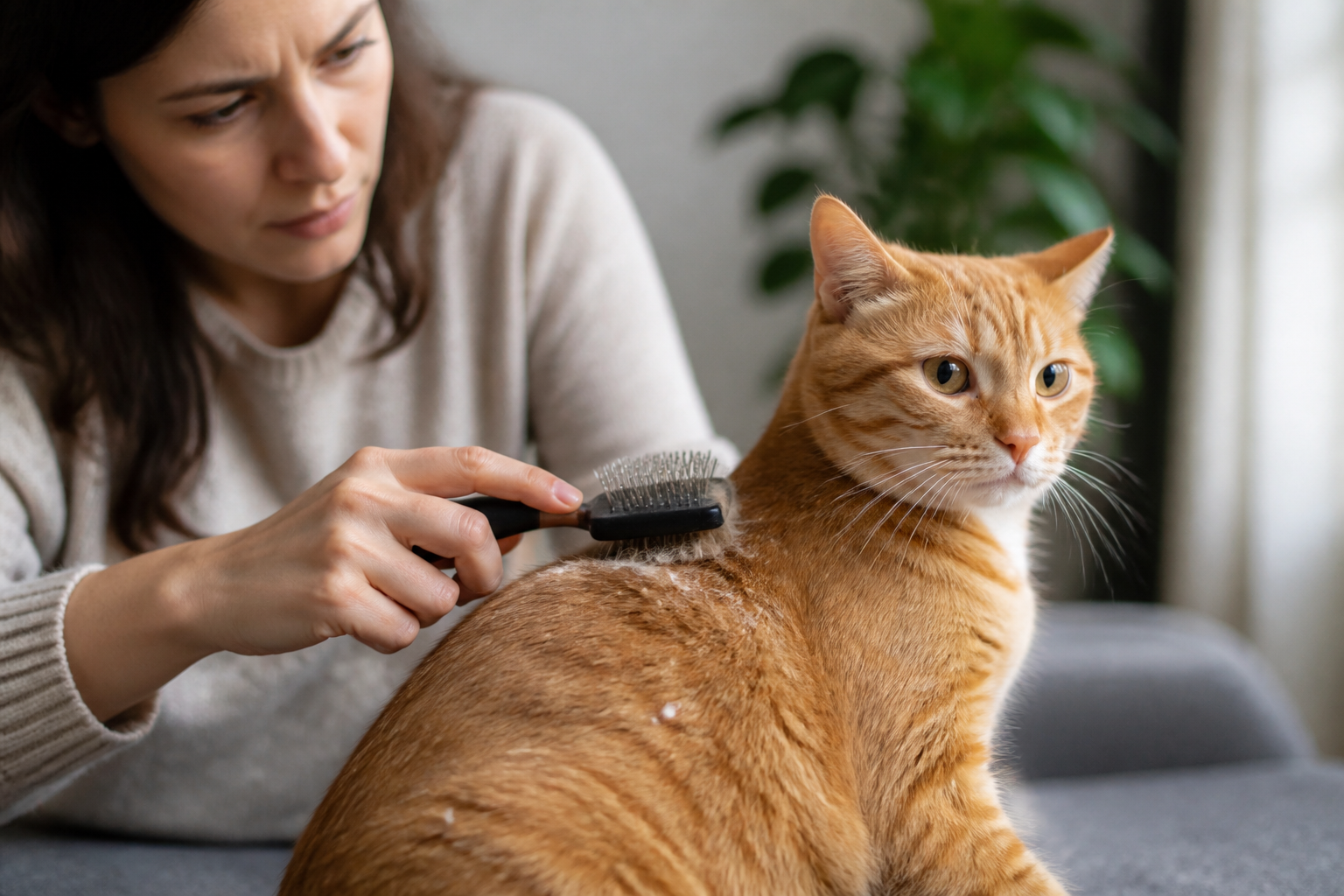
It is a frustrating moment for any cat owner. You reach down to pet your favorite feline and your fingers snag on a hard, tight clump of hair. When you pull the fur apart to investigate, you notice a dusting of white flakes scattered across their skin and coat. This combination of matted fur and dandruff is more than just a cosmetic issue. It often signals that your cat is struggling with their daily self care routine or an underlying health concern.
At BaxterBoo, we know that a shiny coat is a primary indicator of your cat's internal wellness. This article covers the reasons behind these skin and coat changes, from simple environmental factors to more complex health issues. We will also provide practical steps for grooming and nutrition to help your cat feel comfortable again. Understanding the link between skin health and grooming habits is the first step toward restoring your pet's soft, flake free coat.
Quick Answer: Cat dandruff and mats often happen together because a cat who cannot groom effectively allows dead skin to build up while fur tangles into clumps. Common causes include obesity, arthritis, poor nutrition, or dental pain. Improving their diet and establishing a gentle brushing routine can help, but a vet visit is necessary to rule out medical issues.
The Relationship Between Skin Flakes and Mats
Dandruff and mats are frequently two sides of the same coin. Cats are meticulous groomers and usually spend up to half of their waking hours cleaning themselves. Their rough tongues act like miniature hairbrushes to remove loose fur and distribute natural skin oils. When this process breaks down, both the skin and the coat suffer simultaneously.
Dandruff is the visible buildup of dead skin cells. While all cats shed microscopic skin cells called dander, dandruff consists of larger flakes that you can actually see. When a cat stops grooming, these flakes stay trapped against the body instead of being licked away.
Matted fur occurs when loose hairs, dirt, and oils become entwined. Without regular grooming or brushing, these small tangles quickly grow into tight knots. These mats then trap even more dandruff against the skin. The lack of airflow to the skin under a mat can cause further irritation and flaking, creating a cycle that is hard to break without intervention.
Key Takeaway: Mats and dandruff create a self reinforcing cycle where trapped debris irritates the skin, leading to more flakes and tighter knots.
Why Your Cat Might Stop Grooming
If you see mats and dandruff, the first question to ask is why your cat has stopped cleaning themselves. This change in behavior is rarely a sign of "laziness." Instead, it usually points to a physical barrier that makes grooming difficult or painful.
Mobility and Joint Issues
As cats age, they often develop osteoarthritis or general joint stiffness. Grooming requires a great deal of flexibility. A cat must be able to twist their spine and reach their hindquarters or lower back. If it hurts to bend, those areas are the first to develop mats and dandruff. This is why you will often see the worst clumping right above the base of the tail or along the spine.
For more information about mobility changes and grooming challenges, read our guide to arthritis medicine for cats.
Weight and Physical Reach
Obesity is a major factor in feline coat health. An overweight cat simply cannot reach every part of their body. If they cannot reach their back or their belly, the fur in those areas will naturally begin to mat. The skin in those "out of reach" zones will also show a heavy concentration of dandruff.
Our guide to helping an indoor cat lose weight offers another resource for discussing weight concerns with your veterinarian.
Oral Health and Grooming Pain
Cats use their mouths for almost all of their grooming. If a cat has a painful tooth, inflamed gums, or an oral infection, they will stop using their tongue and teeth to clean their fur. You might notice their coat looks dull, greasy, or "spiky" because the saliva is not being distributed properly.
You can also review our cat dental care options while arranging a professional oral examination.
Internal Health and Nutrition
Sometimes the problem starts with the skin itself. If a cat is not getting enough omega fatty acids or high quality protein, their skin can become excessively dry. Certain internal conditions, such as hyperthyroidism or kidney issues, can also change the texture of the fur and increase skin flaking.
Identifying the Type of Dandruff
Not all white flakes are simple dry skin. It is important to look closely at what is happening on your cat's body to determine the next steps.
- Simple Dandruff: These look like small, white, or translucent flakes. They usually do not come with redness or sores.
- Walking Dandruff: This is actually a type of mite called Cheyletiella. If you look very closely, you might see the "flakes" moving. This requires medical treatment.
- Flea Dirt: Sometimes people mistake flea droppings for dark dandruff. Flea dirt looks like black pepper. If you put it on a wet paper towel and it turns red, it is flea debris.
- Greasy Flakes: If the flakes are yellow or oily, it might indicate a yeast overgrowth or a more significant skin infection.
Vet Tip: If you notice your cat is scratching excessively, losing patches of hair, or has red and inflamed skin under the dandruff, schedule a veterinary exam. These symptoms often indicate parasites or infections that require professional diagnosis and prescription treatment.
Safe Mat Removal and Grooming Techniques
Once mats have formed, you must handle them carefully. A cat's skin is incredibly thin and can tear easily if you pull on a knot or use the wrong tools.
Step 1: Assess the tightness.
Gently feel the mat to see how close it is to the skin. If you can see skin between the mat and the body, you may be able to work it out. If the mat is tight against the skin, do not attempt to cut it with scissors. This is a common way cats end up in the emergency room with accidental skin tears.
Step 2: Use the right tools.
A stainless steel greyhound comb and a soft slicker brush are essential. For stubborn mats, a specialized de matting tool can help break up the fibers without pulling the skin. Avoid using "guillotine" style cutters if you are not experienced, as they can be dangerous.
Our cat grooming supplies include brushes, combs, shampoos, and dematting tools for at-home care.
Step 3: Work from the outside in.
Do not start at the base of the knot. Instead, start at the very ends of the fur and slowly work your way toward the skin. Hold the base of the fur with your fingers so you are pulling against your hand rather than the cat's skin.
Step 4: Use a waterless shampoo.
Sometimes a foam or waterless cat shampoo can help soften the debris and dandruff within a mat. This makes it easier to slide a comb through the fur. Avoid full baths unless your vet recommends them, as the stress can make skin conditions worse.
For a lower-stress cleaning option, explore waterless grooming products for cats.
Key Takeaway: Never use scissors to cut out mats that are tight against the skin. Use a comb to work slowly from the ends of the hair toward the body.
Nutritional Strategies for Skin Health
What your cat eats directly affects the quality of their sebum, which is the natural oil that keeps skin hydrated. If the skin is too dry, it will flake. If the coat is too dry, it will tangle and mat more easily.
Look for foods that prioritize high quality animal proteins. Brands like Farmina and Royal Canin offer formulas specifically designed for skin and coat health. These often include:
- Omega-3 and Omega-6 Fatty Acids: These are the building blocks of healthy skin. They help maintain the moisture barrier.
- Biotin and Zinc: These minerals support hair strength and skin cell turnover.
- Vitamin E: This antioxidant protects skin cells from damage.
If your cat is currently eating a dry food only diet, consider adding wet food to their routine. Cats are not naturally driven to drink much water. Increased hydration from wet food can significantly improve skin elasticity and reduce dandruff.
When to Visit the Veterinarian
While a few flakes and a small mat might be managed at home, certain situations require a doctor's help. You should seek professional advice if you notice:
- A sudden increase in the amount of dandruff.
- Mats that cover more than 10 percent of the body.
- Weight loss or changes in appetite.
- Lethargy or hiding.
- A foul smell coming from the skin or coat.
A veterinarian can perform a "skin scraping" to look for mites or fungus under a microscope. They may also suggest blood work to check for conditions like diabetes or thyroid issues, which often manifest as poor coat quality.
Using the BaxterBoo Pharmacy for Skin Health
If your vet identifies an underlying medical cause for the dandruff or mats, you may need specific treatments. Through our partnership with Pet's Choice, the BaxterBoo pharmacy offers a range of FDA approved medications and prescription diets.
If your cat has a flea or mite infestation causing the flaking, your vet may prescribe a professional strength preventive. We carry these prescription options along with specialized medicated shampoos for fungal or bacterial infections. For cats with severe allergies, a prescription limited ingredient diet can be the key to stopping the itch and flake cycle. Having access to these pharmacy items ensures you can get exactly what your vet recommends to resolve the root of the problem.
- Prescription Flea and Tick Control: Necessary for treating "walking dandruff" and allergic dermatitis.
- Prescription Skin Diets: Formulated to reduce inflammation and support the skin barrier.
- Pain Management: If arthritis is preventing grooming, your vet may prescribe medications to improve mobility.
Browse our pet pharmacy for cats for prescription options recommended by your veterinarian.
Creating a Home Grooming Routine
Prevention is much easier than dealing with a fully matted cat. Once you have cleared the initial mats and addressed any health issues, establish a routine to keep the coat in top shape.
- Daily Brushing for Long Haired Cats: Cats like Persians or Maine Coons need daily attention. A five minute session every evening can prevent mats from ever forming.
- Weekly Checks for Short Haired Cats: Even short haired cats benefit from a weekly brushing to remove dead hair and distribute oils.
- Check the "Hard to Reach" Spots: Pay special attention to the armpits, the back of the thighs, and the base of the tail. These are the most common areas for mats to start.
- Monitor Weight: Keep an eye on your cat's silhouette. If they are losing their waistline, they may soon lose the ability to groom their back properly.
Our MVP Rewards program is a great way to save on the grooming tools and premium foods you need for this routine. Regular maintenance not only keeps your cat looking great but also serves as a bonding time where you can check for any new lumps, bumps, or skin changes.
You can learn more about the MVP Rewards programme before stocking up on routine-care supplies.
Conclusion
A cat with dandruff and matted fur is usually a cat that needs a helping hand. Whether the cause is a simple lack of humidity in the winter or a more complex issue like arthritis or dental pain, these signs should not be ignored. By combining regular grooming, high quality nutrition, and veterinary care, you can help your cat return to their sleek and comfortable self.
- Start with a gentle grooming session to assess the skin and coat.
- Ensure your cat is on a high quality diet rich in omega fatty acids.
- Consult your vet if you see signs of pain, irritation, or behavioral changes.
- Check the BaxterBoo pharmacy for any prescription diets or medications your vet recommends.
Bottom line: Dandruff and mats are messages from your cat's body that something needs to change in their care or health routine.
FAQ
Why does my cat have dandruff only on their lower back?
The lower back and the base of the tail are the hardest areas for a cat to reach. If a cat is overweight or has stiff joints from arthritis, they will stop grooming these spots first. This leads to a buildup of dead skin cells and loose fur in that specific area.
Can I use human dandruff shampoo on my cat?
No, you should never use human dandruff shampoo on a cat. The pH balance of human skin is very different from a cat's skin. Human products can be much too harsh, stripping away essential oils and potentially causing chemical burns or severe irritation.
Is cat dandruff always caused by dry skin?
While dry skin is a common cause, dandruff can also be caused by the opposite problem: oily skin. When a cat does not groom, oils build up and trap dead skin cells. It can also be caused by parasites like mites or internal health issues that affect skin cell turnover.
How can I get rid of cat dandruff naturally?
The most effective natural way to reduce dandruff is to increase your cat's hydration and improve their diet. Adding a high quality omega-3 fish oil supplement can help from the inside out. Regular, gentle brushing also helps by spreading natural oils across the skin.