
 Save 15% on your 1st Autoship learn more

 Email us
 Live Chat
 FAQs





Introduction
You are relaxing on the sofa with your cat. As you stroke their back, you notice a dusting of white flakes scattered across their fur. It looks like a miniature snowstorm has landed on your feline friend. This is a common moment for many cat owners. While those white specks might look like a simple cosmetic issue, they often signal that your cat needs a bit of extra care. At BaxterBoo, we see this often. We know that healthy skin starts from the inside out and the outside in. This article covers why these flakes appear and how you can restore your cat's coat to its glossy, healthy state. We will explore everything from grooming techniques to nutritional changes and medical treatments available through our pharmacy.
Quick Answer: You can get rid of cat dandruff by increasing regular brushing to distribute skin oils and adding moisture to their diet with wet food or Omega-3 supplements. If the flakes are accompanied by itching or hair loss, a veterinary visit is necessary to rule out parasites or underlying health conditions.
Understanding Cat Dandruff Versus Dander
Many people use the terms dander and dandruff as if they mean the same thing. They are actually quite different. Every healthy cat produces dander. Dander consists of microscopic skin cells that shed naturally as the skin renews itself. Because these particles are so tiny, you cannot see them with the naked eye. Dander is also the primary carrier of the Fel d 1 protein. This is the allergen found in cat saliva that causes reactions in humans.
Dandruff is different because it is visible. These are larger clumps of dead skin cells that have bonded together. When the skin becomes too dry or too oily, the natural shedding process goes into overdrive. The result is those white or gray flakes you see on the fur or on your cat's favorite bedding. While all cats have dander, not all cats have dandruff. If you can see it, it is officially dandruff.
Cat Skin & Coat Care













Common Causes of Flaky Skin in Cats
To get rid of the flakes, you must understand why they are there in the first place. Feline skin is a sensitive organ. It reacts quickly to changes in the environment, diet, and internal health.
Poor Grooming Habits
Cats are famous for their cleanliness. They usually spend up to half of their waking hours grooming. This process removes loose hair and dead skin cells. If a cat stops grooming effectively, dandruff builds up quickly. This is common in senior cats. Arthritis or joint stiffness can make it painful for them to reach their lower back or the base of their tail. This is why you often see more dandruff in those specific areas.
Obesity is another major factor. If a cat is overweight, they simply cannot reach certain parts of their body. The skin in those unreachable areas becomes neglected. This leads to a buildup of oils and dead skin. In these cases, the dandruff is a symptom of a mobility or weight issue rather than a primary skin disease.
Environmental Factors
The air inside your home plays a huge role in skin health. During the winter months, indoor heating systems strip moisture from the air. This causes the skin to lose hydration and become brittle. You might notice your own skin feeling tight or itchy during the winter. Your cat feels the same way. Low humidity is one of the most common causes of seasonal dandruff.
Dietary Deficiencies
What your cat eats directly affects their skin barrier. The skin needs specific nutrients to stay supple and strong. The most important of these are Omega-3 and Omega-6 fatty acids. If a cat eats a diet that is too low in healthy fats, their skin becomes dry and prone to flaking. Dehydration also plays a role. Cats have a low thirst drive. If they eat only dry kibble and do not drink enough water, their skin is often the first place to show signs of dehydration.
Key Takeaway: Dandruff is often a secondary symptom of another issue, such as an inability to groom, dry indoor air, or a lack of essential fatty acids in the diet.
The Role of Nutrition in Skin Health
Nutrition is the foundation of a healthy coat. If you want to get rid of cat dandruff for the long term, you have to look at the bowl. Many premium brands we carry, like Farmina, Royal Canin, and Stella & Chewy's, focus heavily on skin and coat support. Explore our cat food collection when reviewing your cat's current diet.
Hydration and Wet Food
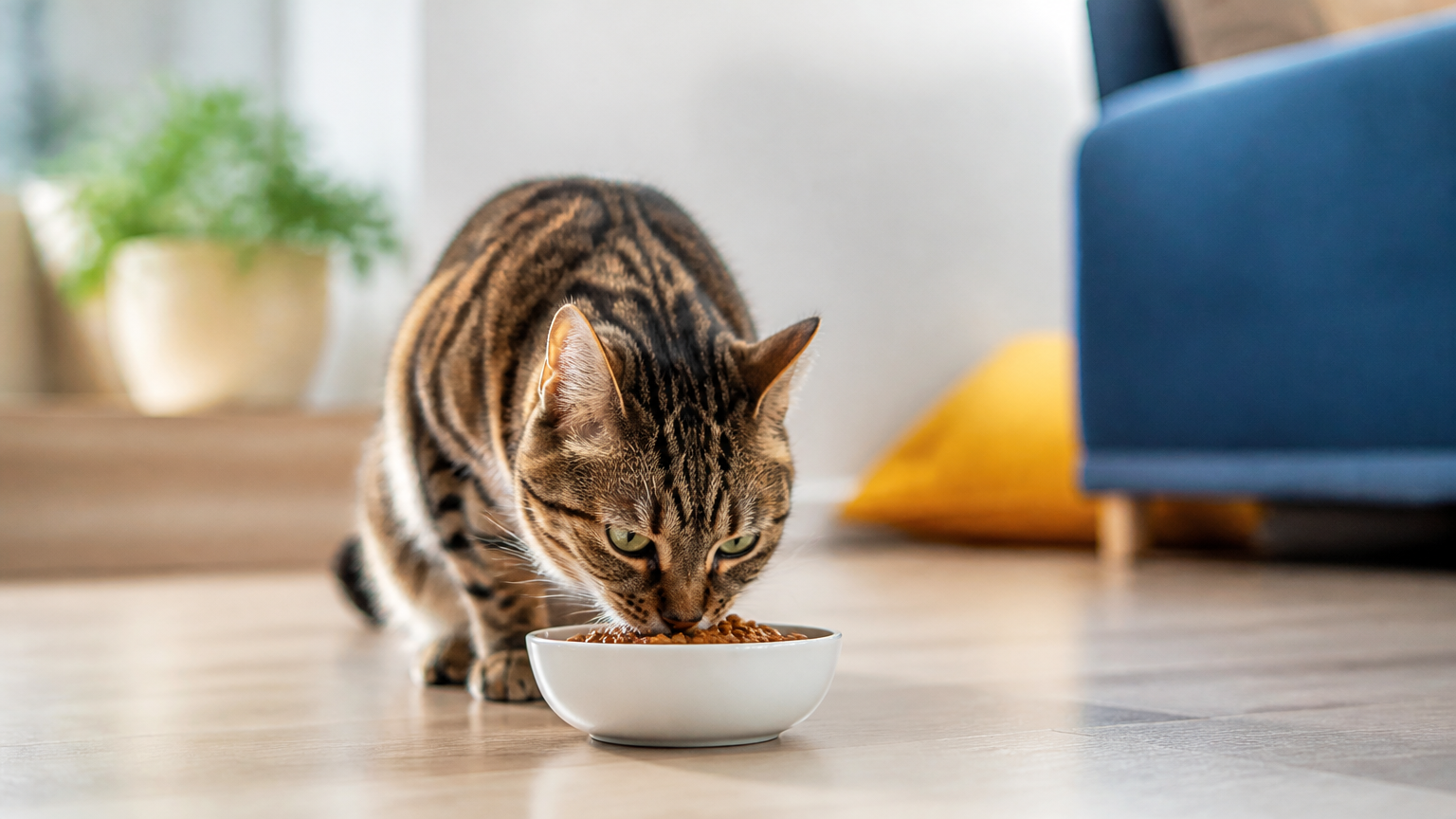
Cats evolved from desert dwellers. They are designed to get most of their water from their prey. Modern dry food only contains about 10 percent moisture. This can leave many cats in a state of chronic mild dehydration. Switching even one meal a day to a high quality wet food can make a massive difference. Brands like Tiki Cat or Fussie Cat offer high moisture options that help hydrate the skin from the inside. For additional nutrition guidance, read about wet food and hydration for sensitive cats.
Essential Fatty Acids
Omega-3 fatty acids act as a natural anti-inflammatory for the skin. They help strengthen the skin barrier, which keeps moisture in and irritants out. If your cat's current food is low in these fats, you can add a supplement. We offer several options, including wild caught salmon oil or green-lipped mussel supplements. These are easy to pump over their food. Within three to four weeks, you will usually see a noticeable shine return to the coat.
Managing Weight for Better Grooming
If obesity is preventing your cat from grooming, a diet change is mandatory. Overweight cats are at a higher risk for diabetes and joint pain. Our pharmacy offers prescription weight management diets through our partnership with Pet's Choice. These foods are formulated to keep your cat feeling full while helping them shed weight safely. Once the weight comes off, they will be able to reach those spots on their back again, and the dandruff will likely vanish.
Vet Tip: Before switching your cat to a weight loss diet or adding new supplements, consult your veterinarian. Rapid weight loss in cats can lead to serious liver issues, and a vet can help you determine the safest daily calorie count.
Grooming Techniques to Remove Dandruff
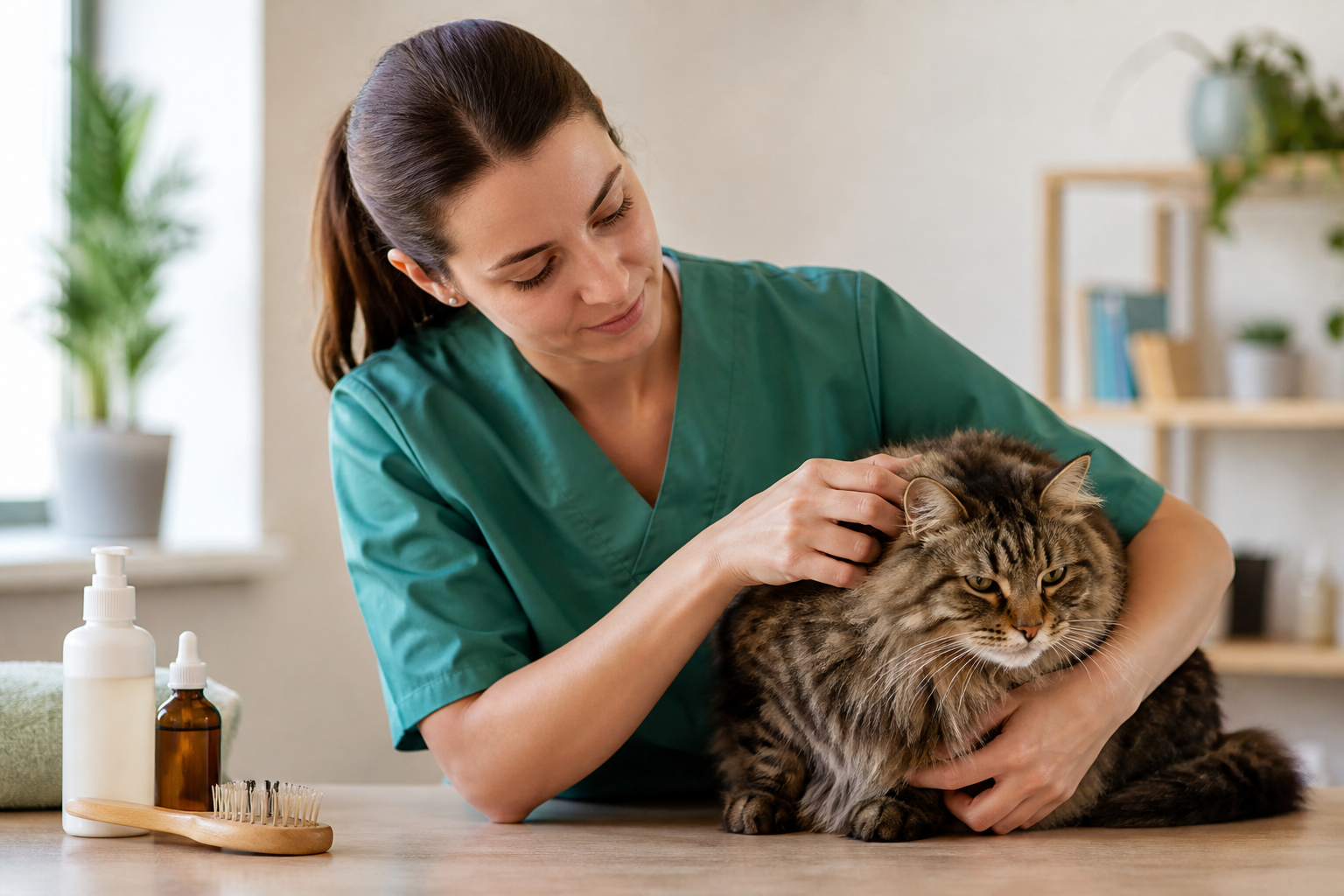
While you work on the internal causes, you need to manage the flakes on the surface. Brushing is the most effective tool in your kit. It does more than just move hair around. It stimulates the blood flow to the skin and helps distribute natural oils. Our cat grooming collection includes brushes, combs, shampoos, and other grooming supplies.
Step 1: Choose the right tool. / For short-haired cats, a soft rubber curry brush or a fine-tooth comb works best. For long-haired cats, a slicker brush or a de-shedding tool is necessary to reach the undercoat.
Step 2: Brush with the grain. / Always move the brush in the direction of hair growth. This is more comfortable for the cat and prevents skin irritation.
Step 3: Focus on problem areas. / Spend extra time on the lower back and the base of the tail. These are the spots where cats usually struggle to groom themselves.
Step 4: Keep sessions short. / If your cat is not used to regular brushing, start with two minutes a day. Gradually increase the time as they become more comfortable.
Should You Bathe a Cat with Dandruff?
In most cases, the answer is no. Most cats find water highly stressful. Stress can actually cause a cat to shed more skin cells, making the dandruff worse. However, if the skin is very greasy or if your vet recommends a medicated shampoo for an infection, a bath might be necessary. Always use a shampoo specifically formulated for cats. Human shampoos have a different pH balance and can strip away the very oils you are trying to preserve.
Medical Conditions That Look Like Dandruff
Sometimes, those white flakes are not just dry skin. Several medical conditions can mimic the appearance of dandruff. If home remedies do not work, it is time to look deeper.
Parasites and "Walking Dandruff"
There is a specific mite called Cheyletiella that causes a condition known as walking dandruff. If you look closely at the flakes, you might actually see them moving. These mites are highly contagious to other pets and even humans. They cause intense itching and scaling.
Standard fleas can also cause dandruff. If your cat is allergic to flea saliva, they may develop crusty skin and flakes. Maintaining a year-round flea and tick preventive is the best way to avoid this. Our cat flea and tick collection includes products designed for feline use. You can also review flea and tick prevention options before discussing choices with your veterinarian.
Fungal and Bacterial Infections
Ringworm is a common fungal infection that causes circular patches of hair loss and flaky skin. It is not actually a worm, but it is very contagious. Bacterial infections can also cause the skin to crust and peel. These conditions require specific medications, such as antifungals or antibiotics, which your vet can prescribe.
Systemic Health Issues
Certain internal diseases manifest on the skin. Hyperthyroidism and diabetes often cause changes in coat quality. The fur may become greasy, matted, or filled with dandruff. If your cat is also drinking more water than usual, losing weight, or acting lethargic, the dandruff is likely a sign of a metabolic problem.
Key Takeaway: If you see "moving" flakes, red skin, or patches of hair loss, do not wait. These are signs of parasites or infection that require professional medical treatment.
Improving the Home Environment
If your cat's dandruff is worse in the winter, the environment is the likely culprit. You can make simple changes to your home to help their skin stay hydrated.
Use a Humidifier
Adding a humidifier to the room where your cat spends the most time can be a life-saver for their skin. Aim to keep the humidity level between 30 and 50 percent. This prevents the skin from drying out and reduces static electricity in the fur.
Fresh Water Access
Encouraging your cat to drink more water is vital. Many cats prefer moving water because it stays fresher and is easier for them to see. Switching from a standard bowl to a pet fountain can significantly increase their daily water intake. Also, ensure you have multiple water stations throughout the house so they never have to go far for a drink.
Stress Reduction
Stress can trigger skin flare-ups. If there have been changes in the household, such as a new pet or a move, your cat might be feeling anxious. Pheromone diffusers or calming supplements can help lower their stress levels. A calm cat is a cat that grooms regularly and maintains healthy skin.
Selecting the Right Skin Care Products
When you shop for products to help with dandruff, quality matters. We carefully curate the items at BaxterBoo to ensure they are safe and effective.
- Slicker Brushes: These have fine wire bristles that reach through the topcoat to remove dead skin and loose hair from the undercoat.
- Omega-3 Oils: Look for oils derived from small fish like anchovies or sardines, as they tend to have lower levels of heavy metals.
- Water Fountains: Stainless steel or ceramic fountains are often better than plastic, as they are less likely to harbor bacteria that can cause feline acne.
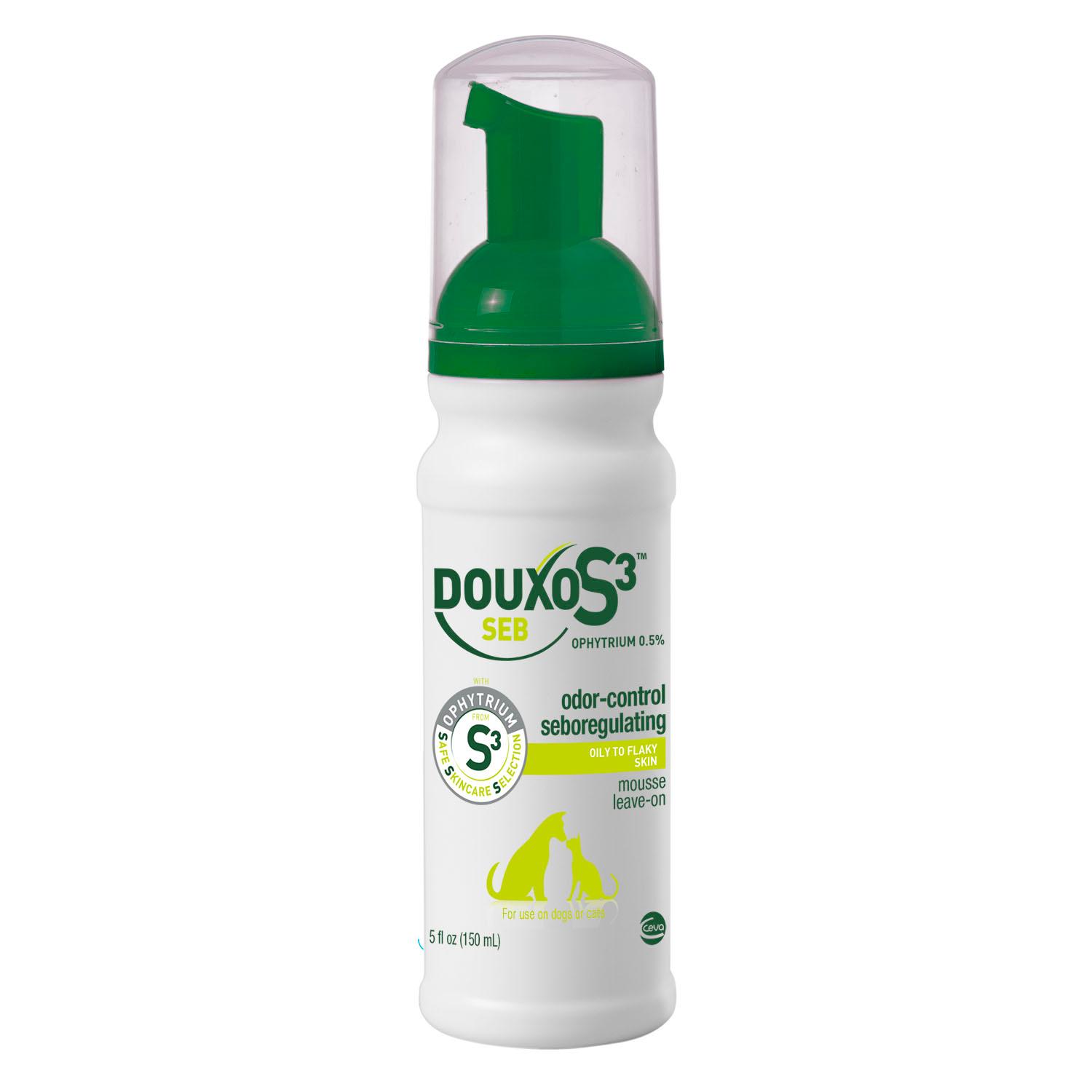
- Medicated Wipes: If your cat hates baths, medicated or moisturizing wipes can help clean the skin and remove flakes without the stress of a tub.
Bottom line: A combination of regular brushing, environmental moisture, and high-quality nutrition is the most effective way to eliminate non-medical cat dandruff.
When to Contact Your Veterinarian
Most cases of cat dandruff are minor, but you should never ignore persistent symptoms. If you have tried brushing and dietary changes for a month without success, a professional opinion is needed.
A vet visit is mandatory if you notice:
- Red, inflamed, or bleeding skin.
- Large patches of hair loss.
- Your cat is scratching or biting at their skin constantly.
- The dandruff is accompanied by a foul odor.
- A sudden change in appetite or energy levels.
Your veterinarian can perform a skin scraping or blood work to find the root cause. If your cat needs specialized care, our pharmacy through Pet's Choice can fulfill prescriptions for medicated shampoos, allergy medications, or prescription diets. This ensures your cat gets the exact treatment they need to feel comfortable again.
Conclusion
Getting rid of cat dandruff requires a patient, multi-step approach. Start by assessing your cat's ability to groom and their daily diet. Often, something as simple as adding wet food or daily brushing sessions will clear up the flakes. Remember to monitor your home's humidity during the colder months and keep up with flea prevention. At BaxterBoo, we are here to support you with the best tools, food, and pharmacy services to keep your cat's coat shining.
- Increase hydration with wet food and fresh water fountains.
- Brush daily to distribute natural skin oils.
- Add Omega-3 supplements to support the skin barrier.
- Consult a vet if you see redness, itching, or hair loss.
Bottom line: Healthy skin is a reflection of overall wellness, so focus on high-quality nutrition and consistent grooming to keep the flakes away.
If your cat needs specialized help for their skin, visit our cat healthcare collection to explore health supports and treatment options.
FAQ
Is cat dandruff contagious to humans?
Regular dandruff caused by dry skin or poor grooming is not contagious. However, if the flakes are caused by a fungal infection like ringworm or parasites like Cheyletiella mites, these can be passed to humans. If you notice skin irritation on yourself alongside your cat's dandruff, see a doctor and a vet immediately.
Can I use human dandruff shampoo on my cat?
No, you should never use human dandruff shampoo on a cat. Human products are formulated for a different skin pH and often contain ingredients like zinc pyrithione or selenium sulfide that are toxic to cats if ingested during grooming. Always use a product specifically labeled for feline use or one recommended by your veterinarian.
How long does it take for cat dandruff to go away?
If the cause is dietary or environmental, you will usually see an improvement within three to four weeks after making changes. Skin cells take time to regenerate, so the old flakes must shed off while the new, healthier skin grows in. If you are treating a medical issue like mites or an infection, your vet will provide a specific timeline for recovery.
Why does my cat only have dandruff on their lower back?
The base of the tail and lower back are the hardest areas for a cat to reach. If a cat has arthritis, back pain, or is overweight, they will stop grooming these areas first. This leads to a buildup of dead skin and oils in that specific spot, even if the rest of their coat looks healthy.





- Site & Contents BaxterBoo.com. BaxterBoo is located in the United States.
- Privacy & Security
- Terms of Use
- Accessibility Statement
