Save 15% on your 1st Autoship learn more

 Email us
 Live Chat
 FAQs
FAQs





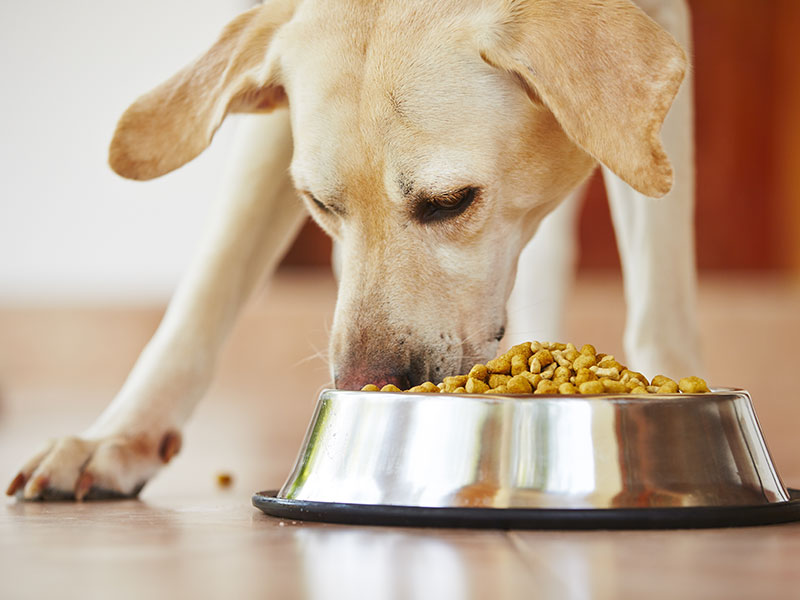
Allergies, brand availability, cost, and health needs are a few reasons people change the kind of food they feed their dogs. Sometimes, you have no choice but to make an immediate change. For example, if your pet's food gets recalled or starts to make it sick, you have to move quickly. In an ideal setting, though, this process should happen in stages to avoid upsetting your furry friend's stomach. Changing your pet's diet too abruptly can cause vomiting, lack of appetite, or diarrhea. Here are a few things to remember as you make this gradual transition.
How Do I Choose a New Food for My Dog?
Unfortunately, selecting new food for your dog isn't as easy as going to the store and grabbing the first appealing bag or can. You have so many options, and no one dog food choice is suitable for every animal. Each animal has specific needs based on age, personal taste, and other health factors.
To further complicate the situation, it isn't easy to find reliable information online. Your best source is the label on the bag or can. However, reading pet food labels can be like understanding a foreign language. The Association of American Feed Control Officials sets the definitions for the words you see on the container. When you know the vocabulary, it's easier to figure out what your dog needs. As always, your veterinarian is your best partner when it comes to decision-making for your dog's health.
How Long Should the Transition to a New Food Take?
For most pets, the gradual changeover to a new food should take place over five to seven days. This drawn-out schedule is a good idea no matter whether you're feeding your dog dry food or canned. During the transition, mix your dog's current food with the new one. Make sure that you combine the old and the new thoroughly so that the dog can't pick them apart. You may serve a mixture of 25% new food and 75% old food on the first day. By the third day, you may be serving equal portions of old and new foods. By the seventh day, the transition to the new food should be complete.
Keep in mind that while this schedule works for many dogs, you should still talk over your plan with your veterinarian and follow professional advice. If your dog has allergies, a sensitive stomach, or other health issues, the transition may take longer. Be sure to closely monitor and take notes on how your dog adjusts to the new food . If you notice that your pet loses interest in its food, starts throwing up, or has diarrhea, stop the transition and consult with your veterinarian. You may need to try different food.
What Is an Adverse Food Reaction?
The term adverse food reaction is a broad one that refers to any number of illnesses related to what your pet eats. Food allergies, gastrointestinal problems, and food intolerances are all in the category of adverse food reactions. While transitioning your dog from one food to another, you want to observe carefully so that you know right away if any adverse reactions occur. Creating even more confusion is that many illnesses can cause these same symptoms, so you should see your vet right away if your dog experiences them, especially if you have not adjusted the diet yet.
It's essential to understand the difference between adverse food reactions and true food allergies. While many pet owners believe their dogs have food allergies, they may be suffering from adverse food reactions instead. A true food allergy happens when the dog's immune system reacts to something ingested. The body attacks the intruder, which results in discomfort for the dog in the form of itching, hives, hair loss, rashes, and various forms of stomach upset.
Should I Proceed With the Food Transition if My Dog Has an Adverse Food Reaction?
Your veterinarian can help you decide whether it's the new food or something else causing your dog's symptoms. If the professionals suspect that the new food is the cause, they may recommend an eating plan called an elimination diet. For weeks, usually about 12, you feed your dog hypoallergenic food and nothing else. If the symptoms don't reoccur during that time, then the odds are good that the new food was the problem.
Following the elimination diet period, the vet may recommend adding back certain foods to see if they cause an adverse reaction. Once you know which food components cause your dog distress, you can return to the quest for a new food knowing what to avoid.
How Do I Know My Dog Is Getting What It Needs From the New Food?
Once you've successfully transitioned to the new food, the best way to know if your pet's body is handling it well is to evaluate the stool quality. In other words, unpleasant as it may be, you have to study the poop. Your dog's poop should be roughly the same color and consistency over time with only minor variations. If you see significant changes, contact your veterinarian right away.
Dogs are not like people when it comes to variety in their food. They don't crave something different or want to try something new. A steady diet of meals that taste good , give the body the nutrition it needs, and contribute to good health is all your furry friends need.