
 Save 15% on your 1st Autoship learn more

 Email us
 Live Chat
 FAQs
FAQs





Introduction
You are relaxing on the couch when your dog leans in for a face lick, but the smell that follows is enough to make you recoil. That unmistakable scent of rotting fish or garbage usually means plaque and bacteria are winning the battle in your dog's mouth. While we reach for toothbrushes and dental wipes, you might wonder how their ancestors managed without a minty toothpaste.
At BaxterBoo, we talk to pet owners every day who struggle with the nightly battle of the toothbrush. Understanding how dogs clean their teeth in the wild can offer practical clues for managing your own pet's oral hygiene. This post looks at the natural mechanics of wild canine dental care and how you can safely replicate those benefits at home. By looking at the diet and habits of wolves, we can find better ways to support our pets' health and keep their breath fresh.
The Mechanical Power of the Raw Diet
In the wild, a wolf or wild dog does not have the luxury of a professional cleaning. Their survival depends entirely on their ability to hunt and eat, which requires strong, functional teeth. The primary way these animals keep their teeth clean is through the mechanical action of their diet. When a wild canine eats a kill, they are not just eating soft muscle meat. They consume skin, fur, cartilage, and connective tissue.
This variety of textures acts like a natural scrub brush. As they tear through tough hide and gnaw on gristle, the abrasive surfaces rub against their teeth. This friction helps scrape away soft plaque before it has a chance to harden into tartar. Unlike the uniform texture of many processed pet foods, a wild diet forces the dog to use all their teeth, including the back molars, to shear and grind.
Quick Answer: Wild dogs clean their teeth by chewing on raw bones and tough connective tissues like tendons and hide. This mechanical action scrapes away plaque naturally while the lack of dietary starch prevents rapid bacterial growth.
The Role of Raw Bones
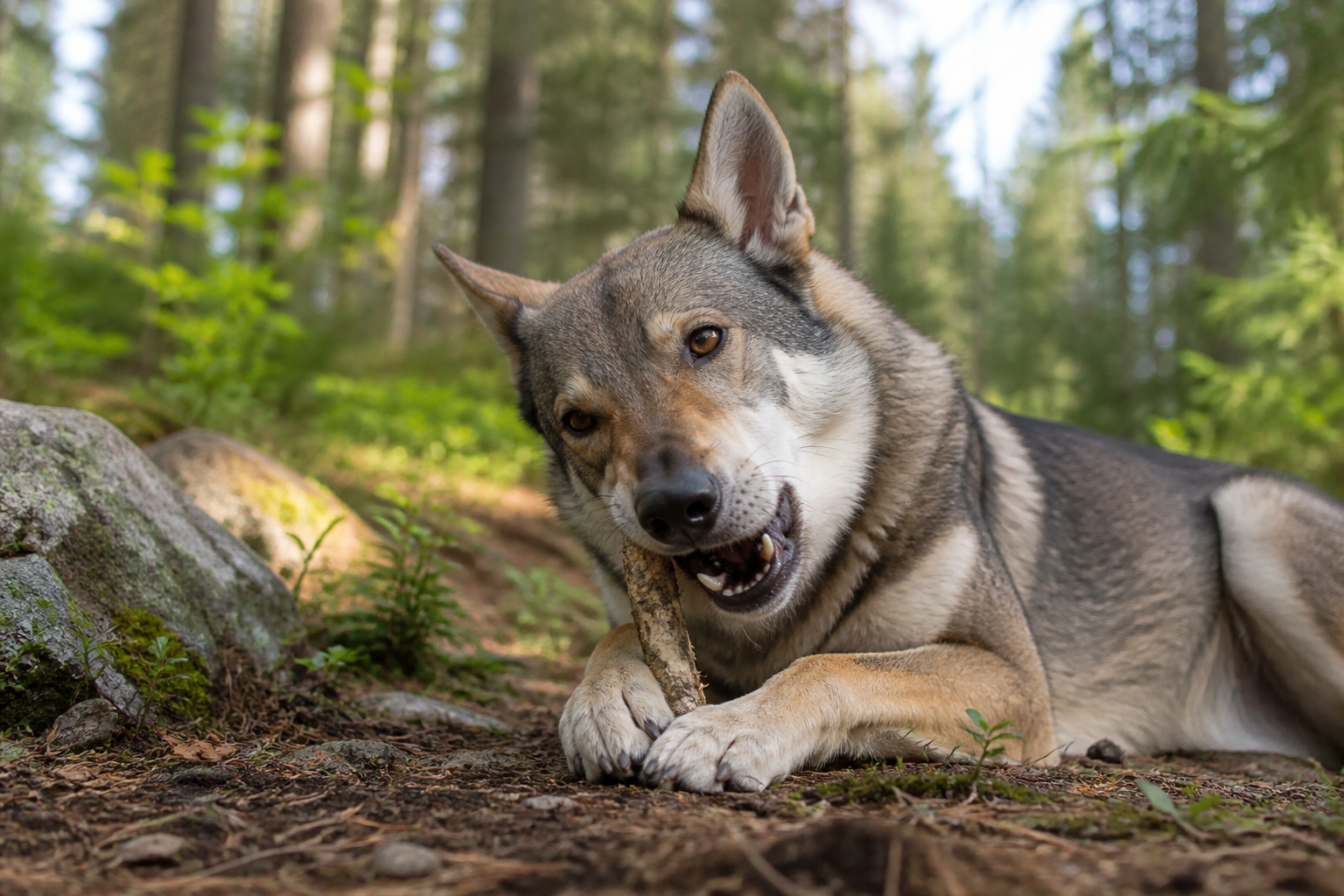
Bones are the most famous dental tool in the wild. You have likely seen your own dog's instinct to chew come alive when they get a hold of a sturdy toy or treat. In the wild, canines gnaw on large marrow bones to reach the nutritious center. This prolonged gnawing is a focused dental workout.
The pressure of the bone against the tooth surface polishes the enamel. It also helps strengthen the jaw muscles and promotes healthy blood flow to the gums. However, there is a significant difference between a wild wolf chewing a fresh bone and a pet dog chewing a leftover bone from the dinner table.
- Wild canines eat raw bones, which are flexible and rich in moisture.
- Raw bones are less likely to splinter than cooked bones.
- The chewing process stimulates saliva production, which contains natural enzymes that break down food particles.
Vet Tip: Never give your dog cooked bones from your own meals. Cooking makes bones brittle and prone to splintering, which can cause internal punctures or dental fractures. Always consult your veterinarian before introducing raw bones to your pet's routine to ensure they are appropriate for your dog's size and chewing style.
Why the Wild Diet Prevents Plaque
The chemical makeup of what a dog eats is just as important as the texture. Wild canines consume a diet that is almost entirely protein and fat with very few carbohydrates. This is a massive advantage for their dental health. Bacteria in the mouth thrive on sugars and starches.
When a domestic dog eats kibble or treats high in refined grains, those starches break down into simple sugars. These sugars stick to the teeth and provide a feast for bacteria. In the wild, the lack of sugar means bacteria cannot multiply as quickly. This slow bacterial growth results in less plaque and a lower risk of the painful gum inflammation known as gingivitis.
At BaxterBoo, we emphasize reading ingredient labels to avoid hidden sugars. Many lower quality treats use corn syrup or molasses to make them more appealing. Choosing high quality, protein heavy treats can help mimic the low starch environment of a wild dog's mouth.
Natural Flossing Through Fur and Hide
We often forget that wolves eat the entire animal, including the parts we find unappealing. Fur and skin act as a natural floss. When a wild dog pulls meat away from a carcass, the fur and tough skin slide between the teeth. This helps remove debris from the tight spaces between the premolars.
While most owners are not going to feed their dogs whole prey, we can replicate this with specific natural chews. Items like beef trachea, pig ears, or lamb skin chews offer a similar fibrous texture. These items require significant chewing time, which provides the friction needed to clean near the gumline.
Key Takeaway: The "wild" method of dental care is based on friction and the absence of sugar. Providing your dog with long lasting, fibrous chews can simulate the natural cleaning process wolves experience in the wild.
The Reality of Dental Health in the Wild
It is a common myth that wild animals have perfect teeth. While their diet helps, wild canines still suffer from dental issues. Scientists who study wolf skulls often find evidence of broken teeth, abscesses, and even periodontal disease. The difference is that wild animals rarely live long enough for these issues to become life threatening.
In the wild, a wolf might live five to eight years. A domestic dog can easily live twice that long. Because our pets live longer, they have more time for dental disease to progress. What might be a minor tooth ache for a wolf can become a systemic infection for a senior dog, affecting the heart, liver, and kidneys.
For additional warning signs to watch for, read our guide to recognizing bad teeth in dogs.
Bringing the Wild Into Your Home Safely
You do not need to turn your kitchen into a butcher shop to help your dog. You can use the principles of wild dental care by choosing the right products and routines. Focus on toys and treats that encourage the same behaviors a wolf uses.
Step 1: Choose durable rubber toys. Brands like Kong make toys with ridges and nubs that massage the gums and scrape the teeth as the dog chews.
Step 2: Introduce natural, single ingredient chews. Bully sticks, antlers, and yak chews are excellent modern alternatives to wild bones. They are hard enough to provide friction but are designed for safer consumption.
Step 3: Add crunchy vegetables. Raw carrots or apple slices provide a satisfying crunch and a small amount of abrasive action. They are also low in calories and free of processed sugars.
Step 4: Monitor your dog's chewing habits. Always supervise your dog when they have a hard chew. If you notice they are a "power chewer" who tries to gulp large pieces, look for larger or tougher options to prevent choking.
For more product ideas, browse our dental treats for dogs.
Why Modern Dogs Still Need Our Help
Even if you feed a perfect diet and provide the best chews, your dog still needs human intervention. Modern pet dogs have different jaw shapes than their wild ancestors. Breeds with flat faces, like Pugs or Bulldogs, have crowded teeth that trap food and bacteria much more easily than a wolf's elongated snout.
This is where professional care and at home brushing become necessary. We recommend a multi layered approach to dental health. Use natural chews for daily maintenance, but do not skip the vet visits. Many owners find that using a finger brush with a flavored toothpaste is an easier transition than using a traditional toothbrush.
For more brushing and routine-care ideas, see these pet dental care tips.
Vet Tip: If you notice your dog has persistent bad breath, bleeding gums, or is dropping food while eating, schedule a veterinary exam immediately. These can be signs of advanced dental disease that requires professional intervention or prescription care.
The BaxterBoo Pharmacy and Prescription Care
Sometimes, despite our best efforts, a dog needs more than just a good chew toy. If your veterinarian diagnoses your dog with periodontal disease or recurring oral infections, they may prescribe specific treatments. Through our partnership with Pet's Choice, the pharmacy at BaxterBoo provides access to FDA approved medications and prescription dental diets.
Prescription dental foods are formulated with a specific kibble structure. Unlike regular kibble that shatters immediately, these pieces are designed to stay intact longer. This allows the tooth to sink into the kibble, creating a "squeegee" effect that cleans the surface of the tooth. Our pet pharmacy can help you manage these chronic health needs conveniently with home delivery.
Bottom line: While wild dogs use bones and hide to stay clean, domestic dogs benefit from a combination of natural instincts and modern veterinary medicine.
Using Supplements for Oral Wellness
In addition to physical cleaning, some supplements can support oral health from the inside out. Some seaweeds and probiotics are known to change the chemistry of a dog's saliva. This makes it harder for plaque to stick to the enamel.
Products containing Cosequin or other joint supports often help senior dogs stay active enough to continue enjoying their chew toys. If a dog's jaw is sore from age, they may stop chewing, which leads to a rapid decline in dental health. Maintaining overall wellness ensures your dog can continue their natural self cleaning habits well into their senior years.
Comparing Wild and Domestic Dental Care
| Feature | Wild Canine (Wolf) | Domestic Dog |
|---|---|---|
| Primary Cleaning Method | Raw bones and hide friction | Brushing and dental treats |
| Dietary Sugar/Starch | Extremely low | Often high in processed foods |
| Average Lifespan | 5-8 years | 10-15+ years |
| Professional Care | None | Annual vet exams and cleanings |
| Tooth Alignment | Natural/Functional | Variable (Breeds with crowding) |
Training Your Dog to Accept Dental Care
Since your dog can't hunt for their own hide and bones, you have to be the one to manage their oral hygiene. If your dog isn't used to you touching their mouth, start slowly. You want to build trust so that dental care doesn't become a source of stress for either of you.
Start by simply lifting their lips and praising them. Once they are comfortable with that, you can rub a bit of dog safe toothpaste on their gums with your finger. Eventually, you can move to a brush. Using a consistent routine helps your dog know what to expect. This is also a great time to check for any broken teeth or lumps that might need a vet's attention.
For more ideas on using chews between brushings, explore our overview of dental chews for dogs.
Selecting the Right Dental Products
When you browse our collection at BaxterBoo, look for products that mimic the wild experience. We carry over 500 brands, many of which focus specifically on the science of oral health. Look for the VOHC (Veterinary Oral Health Council) seal on treats and toys, which ensures the product has been tested for its ability to reduce plaque and tartar.
- Hard Rubber Toys: Great for long sessions of scraping.
- Dental Sprays: Useful for dogs who absolutely refuse brushing.
- Rope Toys: Act like floss as the threads slide between teeth.
- Enzymatic Toothpaste: Breaks down food particles chemically.
You can compare additional options in our dog dental and breath care collection.
The Importance of Consistency
The reason wild dogs have relatively clean teeth isn't because they chew a bone once a month. It's because every single meal they eat requires effort and creates friction. For your pet, consistency is the key to success. A dental treat once a week won't do much, but a daily routine of chewing and cleaning will make a massive difference.
We suggest setting a specific time for dental care, such as after their evening walk. This makes it part of the day's rhythm. When you make oral health a priority, you are investing in your dog's long term comfort and preventing expensive, painful procedures down the road.
If dental treats are part of your dog's regular routine, our Autoship programme can help make repeat orders more convenient.
Conclusion
Understanding how dogs clean their teeth in the wild shows us that nature intended for dental care to be a physical, daily process. By focusing on high quality proteins, providing safe and durable chews, and reducing dietary starches, we can help our pets maintain a healthier mouth. However, because our dogs live longer and often have different physical needs than wolves, modern veterinary care remains an essential part of the puzzle.
- Mimic the wild diet with low starch, high protein food.
- Provide safe, abrasive chews like bully sticks or rubber toys.
- Check your dog's mouth regularly for signs of redness or decay.
- Schedule annual professional cleanings with your veterinarian.
If your dog needs specialized support for their oral health, explore our pet pharmacy. From prescription diets to FDA approved medications through our Pet's Choice partnership, we have the tools you need to keep your pet's smile healthy for years to come.
FAQ
Do wild dogs get cavities like humans do?
Cavities are actually quite rare in wild dogs because their diet is almost entirely devoid of the sugars and starches that fuel cavity causing bacteria. Most wild dental issues are related to physical trauma, such as a tooth breaking on a hard object, rather than decay. However, domestic dogs are much more prone to cavities because of the carbohydrates found in many commercial pet foods and treats.
Are raw bones really safe for my dog's teeth?
Raw bones can be a great natural cleaning tool, but they carry risks like bacterial contamination or potential choking. They are generally much safer than cooked bones, which become brittle and can splinter easily. Always supervise your dog while they are chewing and talk to your vet to see if raw bones are a good fit for your specific dog's health and age.
Why does my dog have bad breath if they chew on toys?
While chew toys help scrape away surface plaque, they often cannot reach deep under the gumline or into the tight spaces between crowded teeth. Bad breath is frequently caused by bacteria hiding in areas that toys cannot reach, or it could indicate an underlying health issue like gum disease or an infection. If the smell is persistent, a professional cleaning and veterinary exam are necessary to address the root cause.
Can a change in diet really improve my dog's dental health?
Yes, moving away from foods with high starch content and added sugars can significantly slow down the formation of plaque. Feeding a high quality, protein rich diet reduces the "fuel" available for bacteria in the mouth. Some owners also find that adding crunchy, raw vegetables or specific dental diets can provide the mechanical action needed to keep teeth cleaner between brushings.






